
Oversized Fit Apparel for Hoodies and T-Shirts
Oversized fit has become a defining silhouette in modern apparel development. Unlike relaxed or boxy garments, oversized apparel is intentionally engineered to deliver volume, drape, and proportion without appearing unstructured. In 2025, oversized fits are foundational across custom made hoodies, custom t shirts, and layered lifestyle collections.
For apparel brands and sourcing teams, oversized design is not just an aesthetic choice. It is a technical production decision that impacts pattern grading, fabric selection, decoration methods, and compliance requirements. This guide explains how oversized fit works at a manufacturing level and how to execute it correctly at scale.
What Is Oversized Fit in Apparel?
Oversized fit refers to garments designed with intentional excess volume across the shoulders, chest, sleeves, and body length. Unlike relaxed fits, oversized silhouettes rely on recalibrated grade rules to maintain balance while increasing ease.
Technical indicators include dropped shoulder seams, extended sleeve length, widened chest panels, and stabilized rib openings. These elements ensure garments drape cleanly rather than collapsing or appearing poorly proportioned.
Why Oversized Fit Matters for Apparel Brands
- Supports unisex and inclusive sizing strategies
- Reduces fit-related returns in ecommerce channels
- Creates larger, more stable decoration zones
- Aligns with comfort-driven consumer behavior
Oversized silhouettes are particularly effective for brands offering customize a hoodie programs, as the relaxed structure provides a reliable canvas for branding and embellishment.
Oversized Hoodies: Design & Production
How Oversized Hoodies Work
Oversized hoodies are constructed using dropped shoulder seams, increased chest circumference, and extended body length while maintaining proportional sleeve openings. Pattern makers rebalance apex points to prevent neckline distortion and adjust ribbing tension to control garment spread.
Heavier fleece or French terry fabrics are typically specified to support added volume. During grading, horizontal increments are expanded more than vertical ones to preserve the intended silhouette across sizes.
Comparison: Oversized Hoodies vs Standard Fit Hoodies
Oversized hoodies emphasize visual volume and relaxed drape, while standard fit hoodies prioritize body contour and reduced ease. From a production standpoint, oversized hoodies offer larger decoration areas and reduced risk of fabric puckering.
Standard fit hoodies require tighter tolerances, whereas oversized styles accommodate a broader range of body types and size variation.
Custom embroidery on sweatshirts
Oversized sweatshirts are well suited for embroidery because additional fabric volume reduces stitch tension. This allows for higher stitch density, cleaner edge definition, and improved durability without distorting the garment surface.
Oversized T-Shirts: Fabric-Driven Silhouettes
How Oversized T-Shirts Work
Oversized t-shirts are engineered by widening chest panels, extending sleeve length beyond the mid-bicep, and lowering armhole depth. Grade rules increase horizontal ease while limiting vertical expansion to avoid a dress-like appearance.
Fabric weight plays a critical role, as lighter jerseys may collapse under oversized dimensions. Production teams typically specify mid-to-heavyweight cotton to maintain shape and drape.
Comparison: Heavyweight Cotton vs Single Jersey
Heavyweight cotton fabrics in the 200–240 GSM range provide structural integrity for oversized silhouettes, ensuring consistent drape and seam stability. Single jersey fabrics, while softer, may twist or lose shape when used in oversized patterns.
For custom t shirts intended for branding, heavier fabrics deliver better print clarity and longer wear life.
Fabric Selection for Oversized Fits
How Fabric Choice Impacts Oversized Apparel
Fabric selection determines whether an oversized garment appears intentional or unstructured. Higher GSM fabrics stabilize seams, support embroidery, and improve garment longevity.
Oversized garments amplify fabric behavior, making shrinkage control and recovery testing essential during sampling and production approval.
| Fabric Type | GSM Range | Structural Integrity |
|---|---|---|
| Cotton Jersey | 200–240 | High |
| French Terry | 280–320 | High |
| Single Jersey | 160–180 | Low |
Printing & Decoration for Oversized Apparel
How Screen Printing Works on Oversized Garments
Screen printing applies ink through a mesh stencil directly onto the garment surface. Oversized fits allow larger print dimensions without crossing seam lines or stress points.
This method is ideal for bulk production due to consistent color application and wash durability.
Comparison: Screen Printing vs DTG
Screen printing offers better cost efficiency and durability for large production runs. DTG is more flexible for small batches but may show reduced opacity on heavyweight oversized fabrics.
Compliance & Certification Standards
Oversized garments follow the same regulatory requirements as standard apparel. Certifications apply to materials and production processes, not garment fit.
Related Apparel Development Resources
- Trends & Designs for Apparel Development
- Customize Hoodies: The Definitive Guide of 2025
-
Oversized T-Shirt Suppliers 2025
Common Mistakes to Avoid
- Scaling patterns without rebalancing shoulder and armhole geometry
- Using lightweight fabrics that collapse under oversized dimensions
- Failing to resize artwork for larger decoration zones
- Skipping shrinkage and wash testing during sampling
FAQs About Certification & Standards
Do oversized garments require special certifications?
No. Oversized garments do not require unique certifications because certifications apply to materials, chemical processing, and manufacturing conditions. An oversized hoodie made from organic cotton must meet the same criteria as a standard-fit garment using the same fabric. Certification decisions should always be made at the fabric and factory level.
Does GOTS certification change with oversized designs?
No. GOTS certification is based on fiber origin, chemical inputs, dyeing processes, and supply chain traceability. Garment cut and proportions do not affect compliance. Oversized garments may use more fabric, which can impact certified material planning.
Are oversized garments subject to different labeling laws?
No. Fiber content, country of origin, care instructions, and importer information must comply with the same regulations regardless of fit. Oversized garments must still reflect accurate material composition and standardized care symbols.
FAQs About Sourcing & Production
Are oversized garments more expensive to manufacture?
Oversized garments may use slightly more fabric per unit, increasing material usage marginally. However, labor, cutting, and sewing costs remain similar when produced at scale. Efficient marker planning often offsets added fabric consumption.
Are oversized fits easier or harder to grade?
Oversized fits use different grading logic rather than being easier or harder overall. Grade rules typically expand horizontally more than vertically to preserve proportions. Once the base pattern is balanced, oversized grading becomes more forgiving.
Do oversized styles reduce return rates?
Yes. Oversized garments accommodate a wider range of body types and personal preferences. This flexibility often reduces fit-related dissatisfaction, particularly in unisex and online-only collections.
FAQs About Materials & Care
Do oversized garments shrink more after washing?
No. Shrinkage depends on fabric composition, yarn type, and finishing, not garment size or fit. An oversized cotton t-shirt will shrink at the same rate as a standard-fit t-shirt made from the same fabric.
Do oversized garments require special washing instructions?
No. Care instructions are determined by fabric and finishing processes. Oversized garments follow the same washing and drying guidance as standard-fit garments using identical materials.
Are heavier fabrics mandatory for oversized apparel?
Heavier fabrics are not mandatory, but they are strongly recommended. Higher GSM fabrics help maintain structure, prevent seam distortion, and improve drape. Lightweight fabrics require tighter quality control to perform well.
Next Steps for Brand Development
If your brand plans to develop new collections using oversized silhouettes, certified fabrics, and scalable production methods, you can connect with our team to review material options, fit specifications, and production feasibility.
Submit a request form to discuss availability and production options.
Materials & Fabrics for Clothing Production
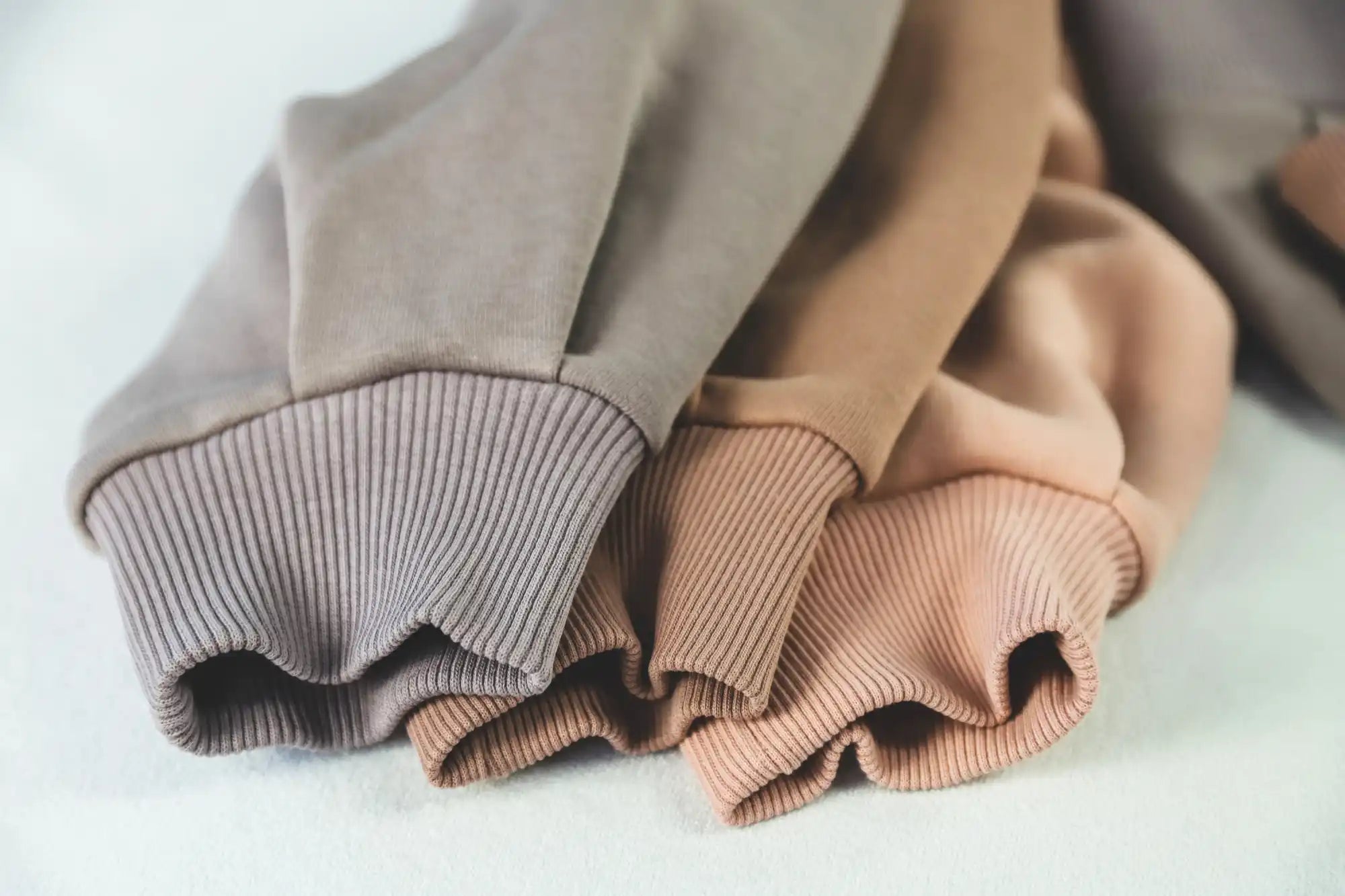
Explore cotton, French terry, jersey, fleece, and sustainable blends used in premium apparel manufacturing.
Explore Premium Apparel Fabrics Guide
Printing Techniques for Apparel Production
Screen printing, embroidery, puff prints, and digital methods for custom clothing manufacturing.
Explore Custom Apparel Printing Techniques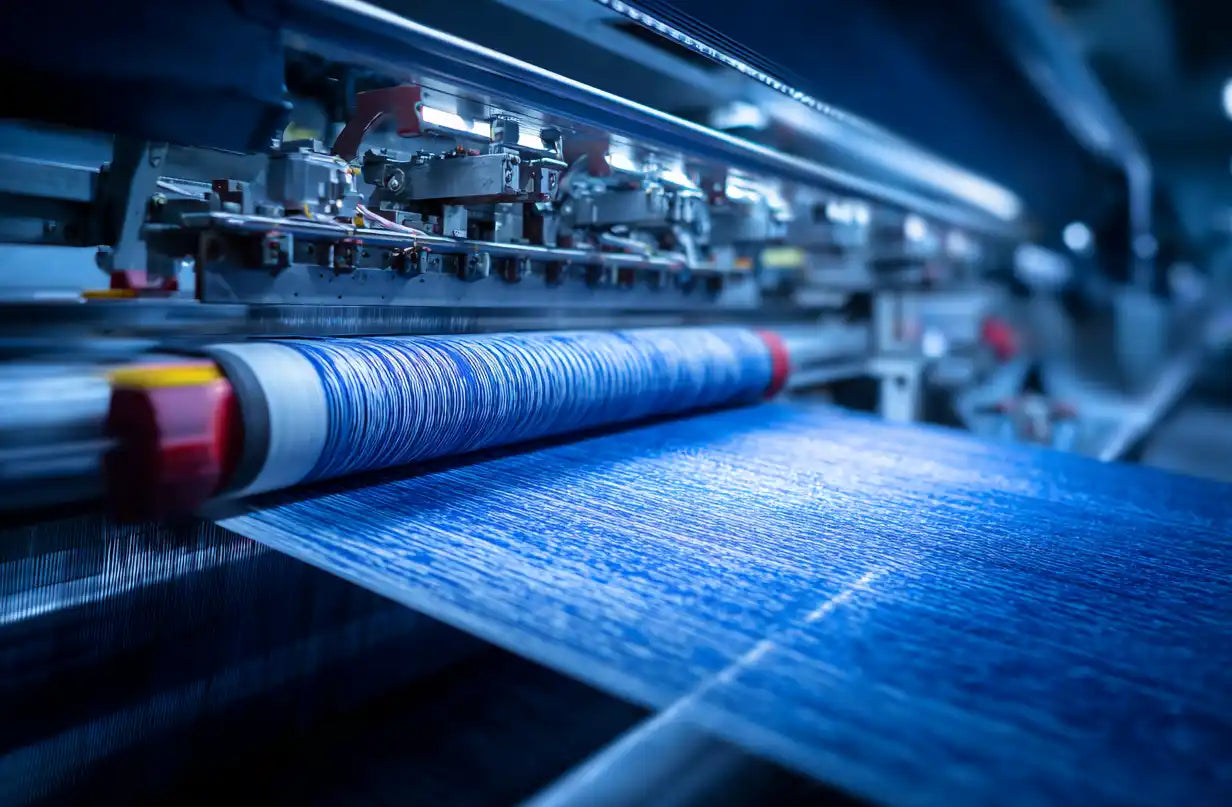
Dyeing Techniques in Clothing Manufacturing
Garment dye, pigment, acid wash, and stone wash finishes that create unique apparel designs.
Compare Apparel Finishing Techniques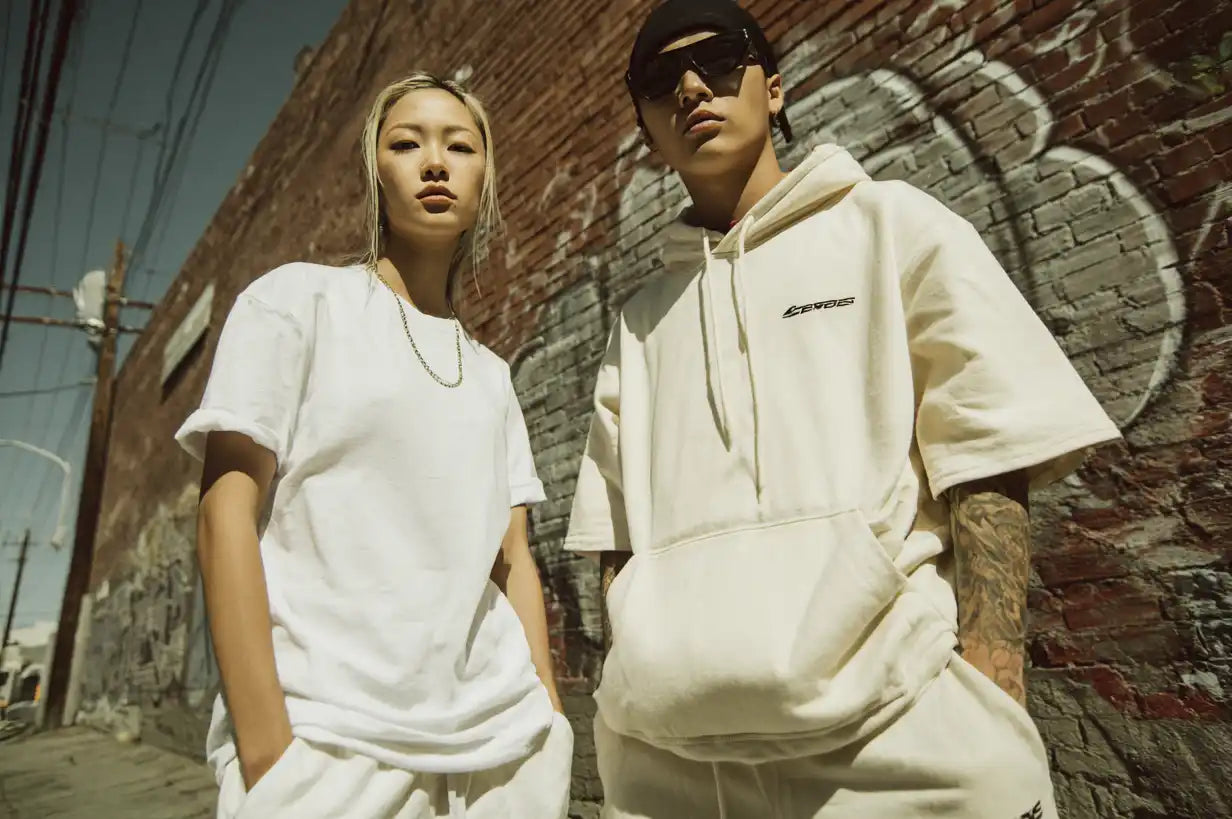
Popular Clothing Items for Custom Apparel
Hoodies, joggers, t-shirts, leggings, and biker shorts — essentials for every apparel collection.
Explore Popular Custom Clothing Items
Trends & Designs in Modern Apparel
Oversized fits, streetwear influences, and activewear styles driving custom clothing production.
Explore Trends & Designs for Apparel Development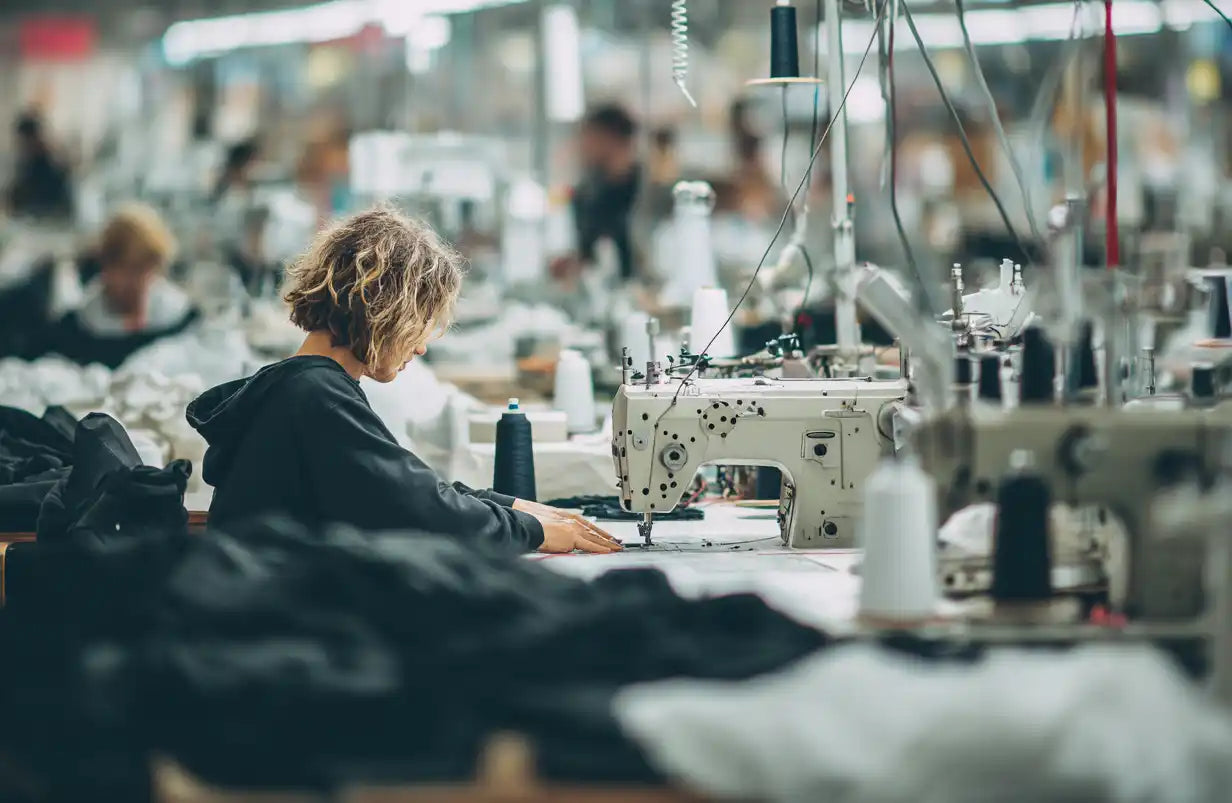
Sustainable & Ethical Clothing Production
OEKO-TEX® certified fabrics, organic cotton, and ethical apparel manufacturing in Portugal.
Understand Sustainable & Ethical Clothing Production
Essentials for Custom Clothing Production
Custom labels, packaging, and trims that elevate your apparel brand in production.
Explore Essentials for Custom Clothing Production
Resources for Custom Clothing Production
Startup guides, logistics support, and scaling strategies for apparel brands and wholesale clients.
Explore Resources for Custom Clothing Production
Clothing Manufacturing Glossary
Explore a complete glossary of clothing and garment manufacturing terms
The Complete Clothing Manufacturing Glossary
The Best Clothing Manufacturers
Explore global clothing manufacturers by country
Explore The Best Clothing Manufacturers
The Latest Clothing Industry Updates in 2025
Discover the latest news about important topics in the clothing industry in 2025,
Stay On Top Of Clothing Industry Updates
Worldwide Best Manufacturers of Clothes in 2026
Top clothing manufacturers worldwide organized by product type
Find The Worldwide Best Manufacturers of Clothes