
Performance & Technical Fits: Compression Fit Apparel Explained for Modern Activewear Brands
Compression fit apparel has become a foundational category within modern performance wear, particularly for brands focused on muscle support, durability, and technical credibility. Unlike trend-driven silhouettes, compression fit is governed by fabric physics, pattern engineering, and compliance standards that directly affect garment performance and customer satisfaction.
This article provides a production-accurate, sourcing-focused explanation of compression fit apparel, tailored for apparel brands, sourcing managers, and development teams working with performance collections.
What Is a Compression Fit?
Compression fit is a second-skin garment construction engineered to apply consistent, targeted pressure across muscle groups. This pressure is achieved through high-spandex fabric blends, typically containing 15–25% elastane, combined with precise pattern grading using negative ease.
Unlike relaxed or standard athletic fits, compression garments are designed to stretch and recover repeatedly without permanent deformation. They are widely used in training, recovery, endurance sports, and performance layering systems where muscle stabilization and fabric resilience are critical.
Key Performance Benefits of Compression Fit Apparel
- Improved muscle stabilization during dynamic movement
- Reduced muscle oscillation, helping delay fatigue
- Enhanced proprioception and body awareness
- Improved moisture management when paired with technical yarns
From a production standpoint, these benefits depend heavily on fabric elasticity, stitch integrity, panel mapping, and recovery testing throughout development.
Fabric Engineering for Compression Fit
Common Fabric Blends Used in Compression Apparel
- Nylon/Spandex: High abrasion resistance and smooth hand-feel, ideal for high-friction athletic applications.
- Polyester/Spandex: Strong moisture-wicking performance and cost efficiency for scalable production.
- Recycled Polyester/Elastane: Used when verified sustainability certifications such as GRS are required.
Most performance-grade compression fabrics fall between 220–320 GSM, depending on opacity requirements, compression level, and intended athletic use.
How Compression Fit Works (Production Breakdown)
Compression fit works by using four-way stretch fabrics cut with negative ease, meaning the garment circumference is intentionally smaller than the body measurement it is designed to fit. This controlled size reduction ensures consistent pressure once worn.
During wear, the fabric stretches evenly across the body without restricting movement. Reinforced seams—commonly flatlock or bonded—maintain stretch compatibility and structural integrity through repeated wash cycles.
Compression Fit vs Regular Athletic Fit
| Feature | Compression Fit | Regular Athletic Fit |
|---|---|---|
| Ease | Negative | Neutral |
| Spandex Content | 15–25% | 5–10% |
| Muscle Support | High | Minimal |
| Intended Use | Training, recovery | Casual performance |
| Pattern Precision | High | Moderate |
Stitching & Construction Methods for Compression Apparel
Flatlock Stitching
Flatlock seams reduce bulk and friction, making them ideal for high-movement compression garments.
How it works: Fabric panels are joined edge-to-edge rather than overlapped, creating a flat seam that stretches with the garment and minimizes chafing during extended wear.
Bonded Seams (Advanced Performance Lines)
Bonded seams are commonly used in premium compression apparel where reduced seam weight and aerodynamic efficiency are required.
How it works: Fabric panels are fused using heat-activated adhesive films or ultrasonic welding instead of thread stitching. Adhesive activation temperatures are precisely controlled to prevent elastane damage while ensuring long-term bond strength. This construction improves stretch uniformity but requires higher quality control standards during manufacturing.
Compression Fit vs Screen Printing on Performance Garments
Screen Printing vs Heat Transfer: Screen printing embeds ink into fabric fibers, allowing stretch recovery when low-cure or stretch-modified inks are used. Heat transfer methods can restrict elasticity if placed on high-stretch zones.
How to Customize a Hoodie and Layer with Compression Bases
- custom t shirts engineered as compression-style base layers
- custom made hoodies designed for warm-ups and recovery layering
- custom embroidery on sweatshirts applied only in low-stretch zones
Certifications & Compliance Standards for Compression Apparel
- OEKO-TEX® Standard 100 (official site)
- GRS – Global Recycled Standard (official site)
- GOTS – Global Organic Textile Standard (official site)
- ISO 6330 (wash durability)
- ISO 13934 (tensile strength)
Common Mistakes to Avoid
- Using embroidery on high-stretch zones, causing permanent fabric distortion.
- Selecting insufficient GSM, leading to transparency and reduced consumer confidence.
- Ignoring seam stretch ratios, resulting in seam failure during wear.
- Applying standard inks without stretch additives, causing cracked prints.
- Over-compressing garments, increasing discomfort and return rates.
FAQs About Certification & Standards
What certification is most important for compression apparel?
OEKO-TEX® Standard 100 is widely required because compression garments are worn directly against the skin for extended periods. It verifies that fabrics and components are free from harmful substances. Many retailers require OEKO-TEX certification as a baseline for performance apparel. It also supports global market access.
Are recycled compression fabrics certifiable?
Yes, recycled polyester compression fabrics can be certified under the Global Recycled Standard (GRS). This certification verifies recycled content, chain of custody, and chemical management. It is required when making recycled material claims in both US and EU markets.
Do certifications differ between US and EU markets?
Yes, EU markets typically enforce stricter chemical regulations under REACH. While OEKO-TEX and GRS are globally recognized, EU buyers often request additional documentation. Brands should align certifications with their primary distribution region.
FAQs About Sourcing & Production
What spandex percentage is standard for compression fit?
Most compression garments use between 15–25% elastane depending on the desired support level. Lower percentages provide light compression, while higher percentages offer performance-grade muscle support. Exceeding this range can reduce comfort and wear time.
Is compression fit suitable for private label programs?
Yes, compression fit is commonly used in private label programs. However, it requires tighter pattern grading, fit testing, and wash validation. Brands should budget additional sampling rounds compared to standard athletic fits.
Can compression garments be produced in small MOQs?
Some manufacturers offer small MOQs, especially for cut-and-sew programs. However, fabric mill minimums often apply, particularly for custom-dyed or certified materials. Planning fabric usage early helps manage cost efficiency.
FAQs About Materials & Care
How long should compression elasticity last?
High-quality compression garments typically retain elasticity for 50 or more wash cycles. Longevity depends on fabric quality, seam construction, and care practices. Stretch recovery testing is recommended during development.
Does compression fabric pill easily?
Nylon-based compression fabrics generally resist pilling better than polyester. Yarn quality and knit density also affect surface durability. Anti-pilling finishes can further improve performance.
Can compression garments be tumble dried?
Low heat is recommended if tumble drying is necessary. High heat accelerates elastane degradation and reduces garment lifespan. Care labels should clearly specify drying limitations.
Next Steps for Apparel Brands
If your brand plans to develop new collections using certified fabrics and scalable production methods, reach out to our team via the request form to discuss availability and production options.
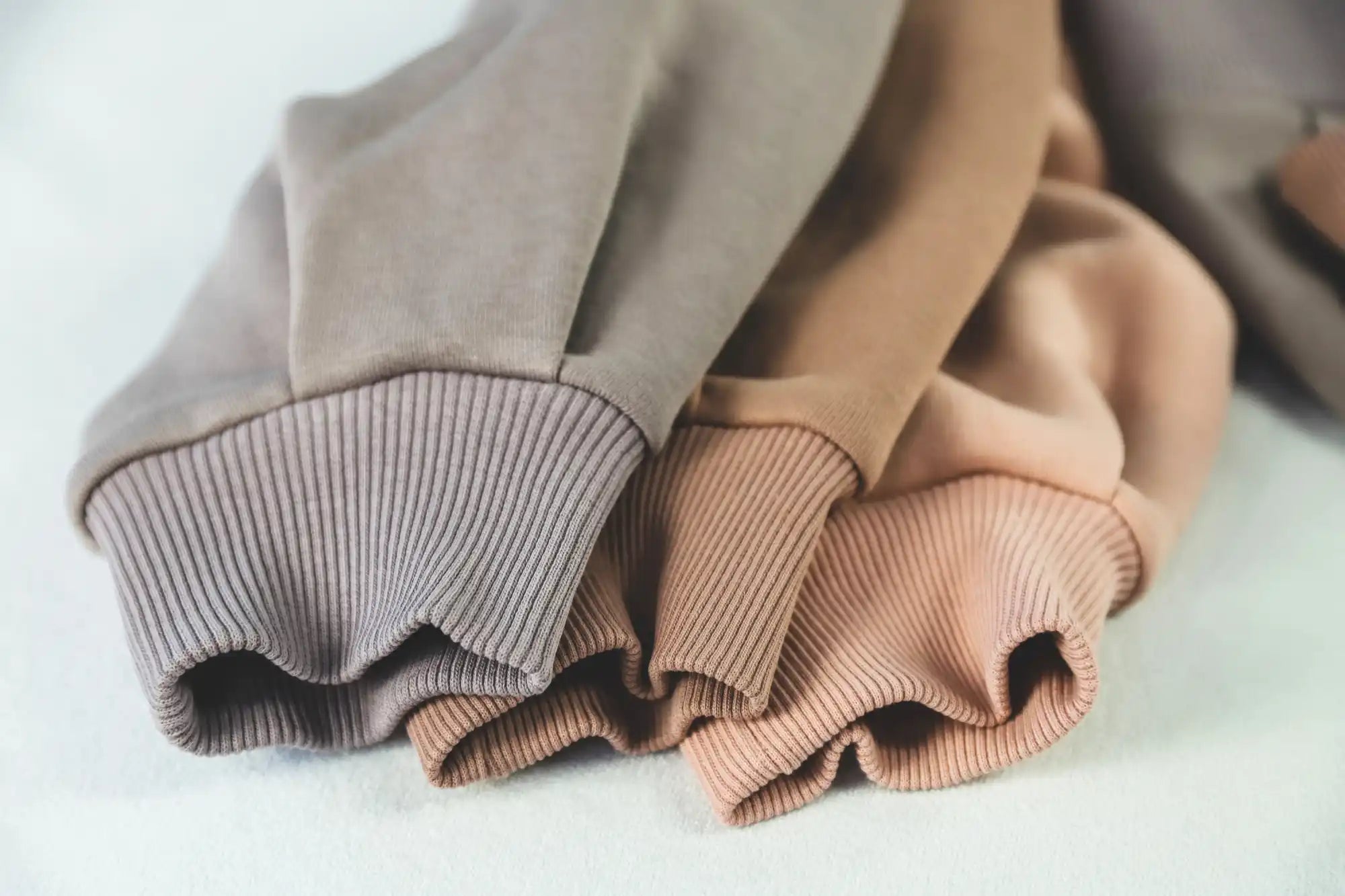
Materials & Fabrics for Clothing Production
Explore cotton, French terry, jersey, fleece, and sustainable blends used in premium apparel manufacturing.
Explore Premium Apparel Fabrics Guide
Printing Techniques for Apparel Production
Screen printing, embroidery, puff prints, and digital methods for custom clothing manufacturing.
Explore Custom Apparel Printing Techniques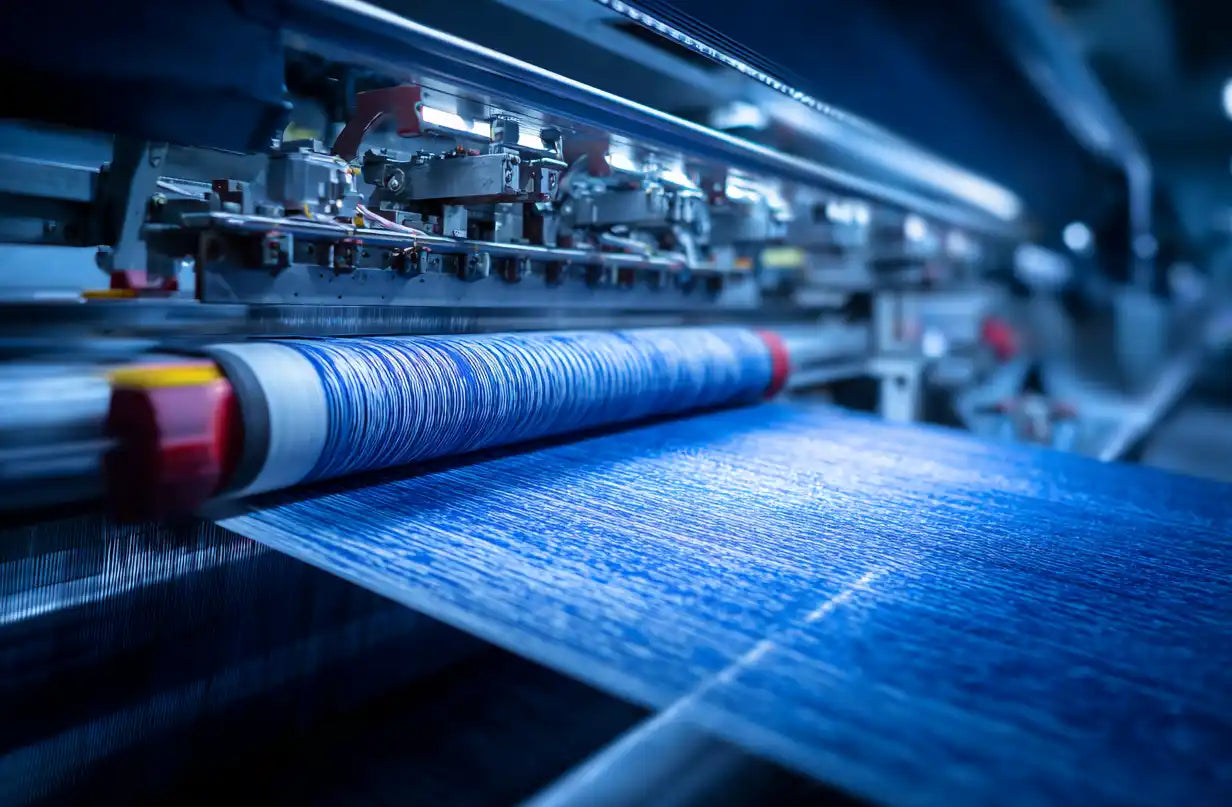
Dyeing Techniques in Clothing Manufacturing
Garment dye, pigment, acid wash, and stone wash finishes that create unique apparel designs.
Compare Apparel Finishing Techniques
Popular Clothing Items for Custom Apparel
Hoodies, joggers, t-shirts, leggings, and biker shorts — essentials for every apparel collection.
Explore Popular Custom Clothing Items
Trends & Designs in Modern Apparel
Oversized fits, streetwear influences, and activewear styles driving custom clothing production.
Explore Trends & Designs for Apparel Development
Sustainable & Ethical Clothing Production
OEKO-TEX® certified fabrics, organic cotton, and ethical apparel manufacturing in Portugal.
Understand Sustainable & Ethical Clothing Production
Essentials for Custom Clothing Production
Custom labels, packaging, and trims that elevate your apparel brand in production.
Explore Essentials for Custom Clothing Production
Resources for Custom Clothing Production
Startup guides, logistics support, and scaling strategies for apparel brands and wholesale clients.
Explore Resources for Custom Clothing Production
Clothing Manufacturing Glossary
Explore a complete glossary of clothing and garment manufacturing terms
The Complete Clothing Manufacturing Glossary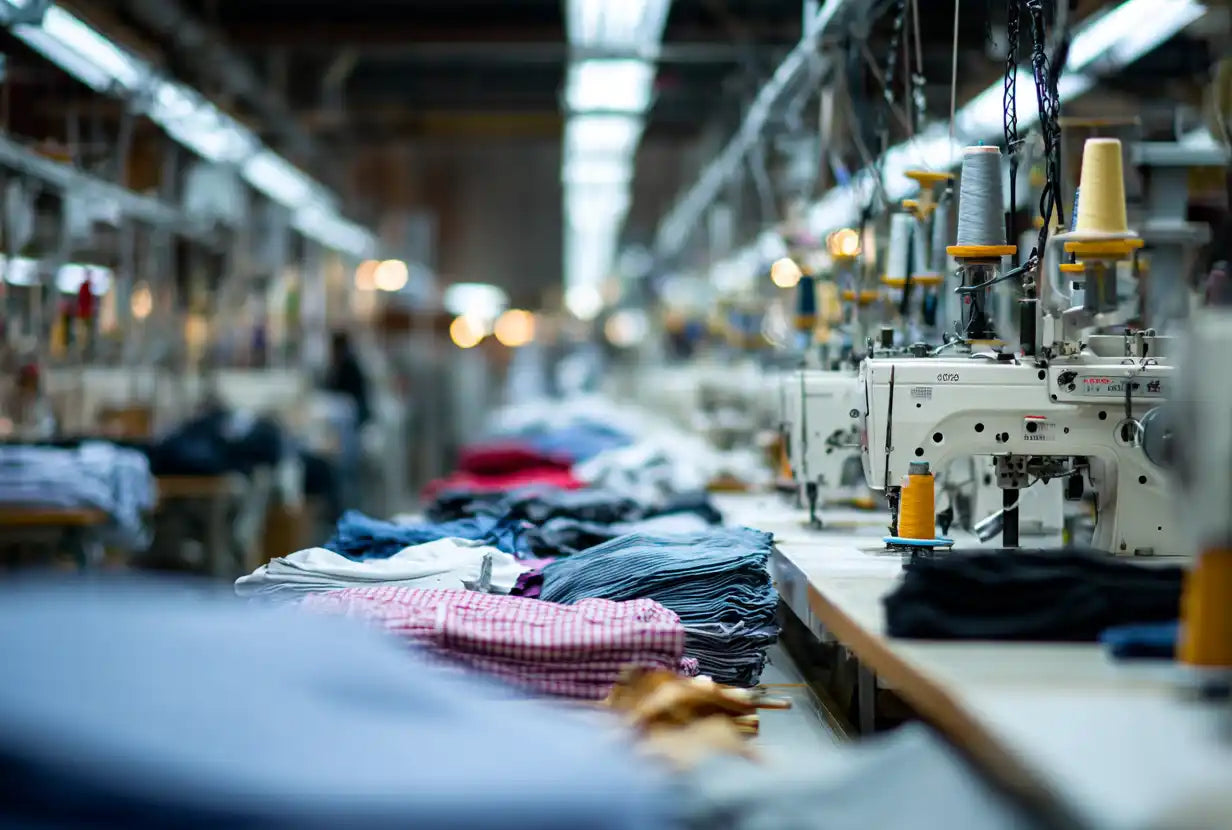
The Best Clothing Manufacturers
Explore global clothing manufacturers by country
Explore The Best Clothing Manufacturers
The Latest Clothing Industry Updates in 2025
Discover the latest news about important topics in the clothing industry in 2025,
Stay On Top Of Clothing Industry Updates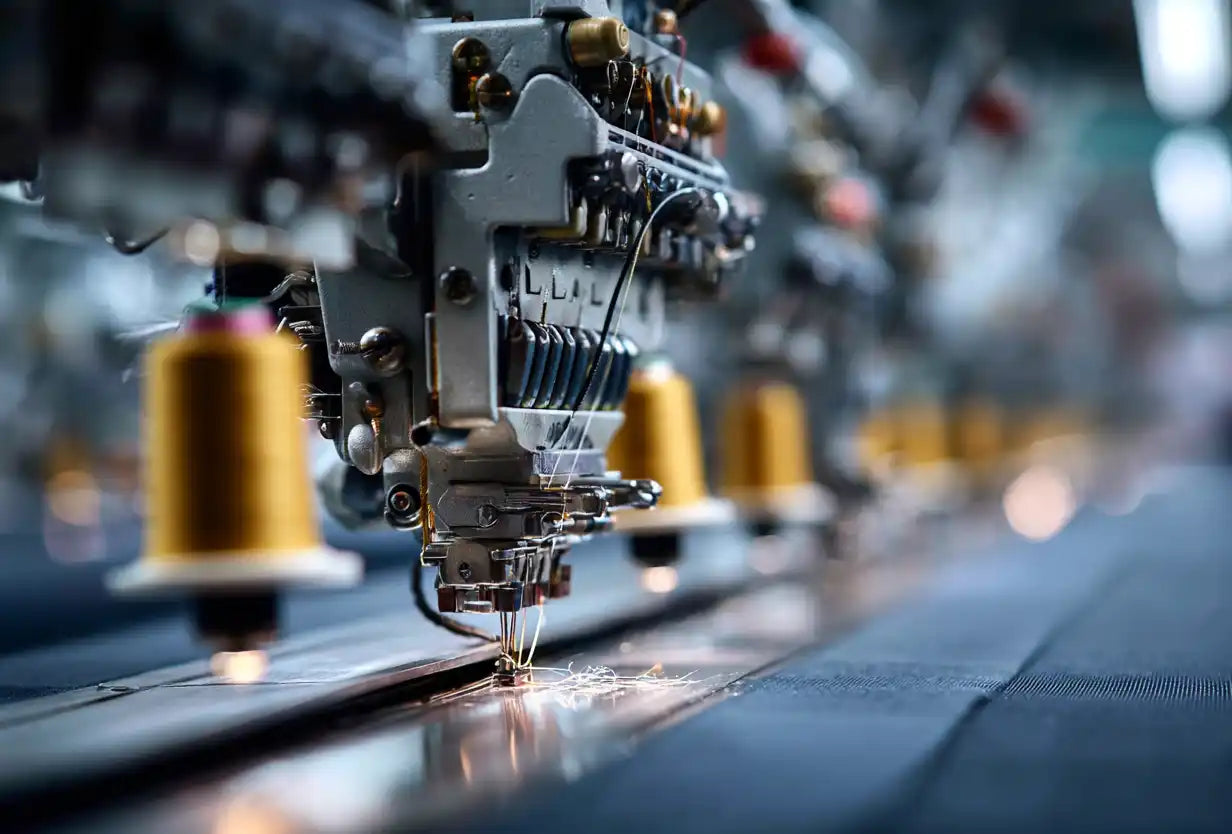
Worldwide Best Manufacturers of Clothes in 2026
Top clothing manufacturers worldwide organized by product type
Find The Worldwide Best Manufacturers of Clothes