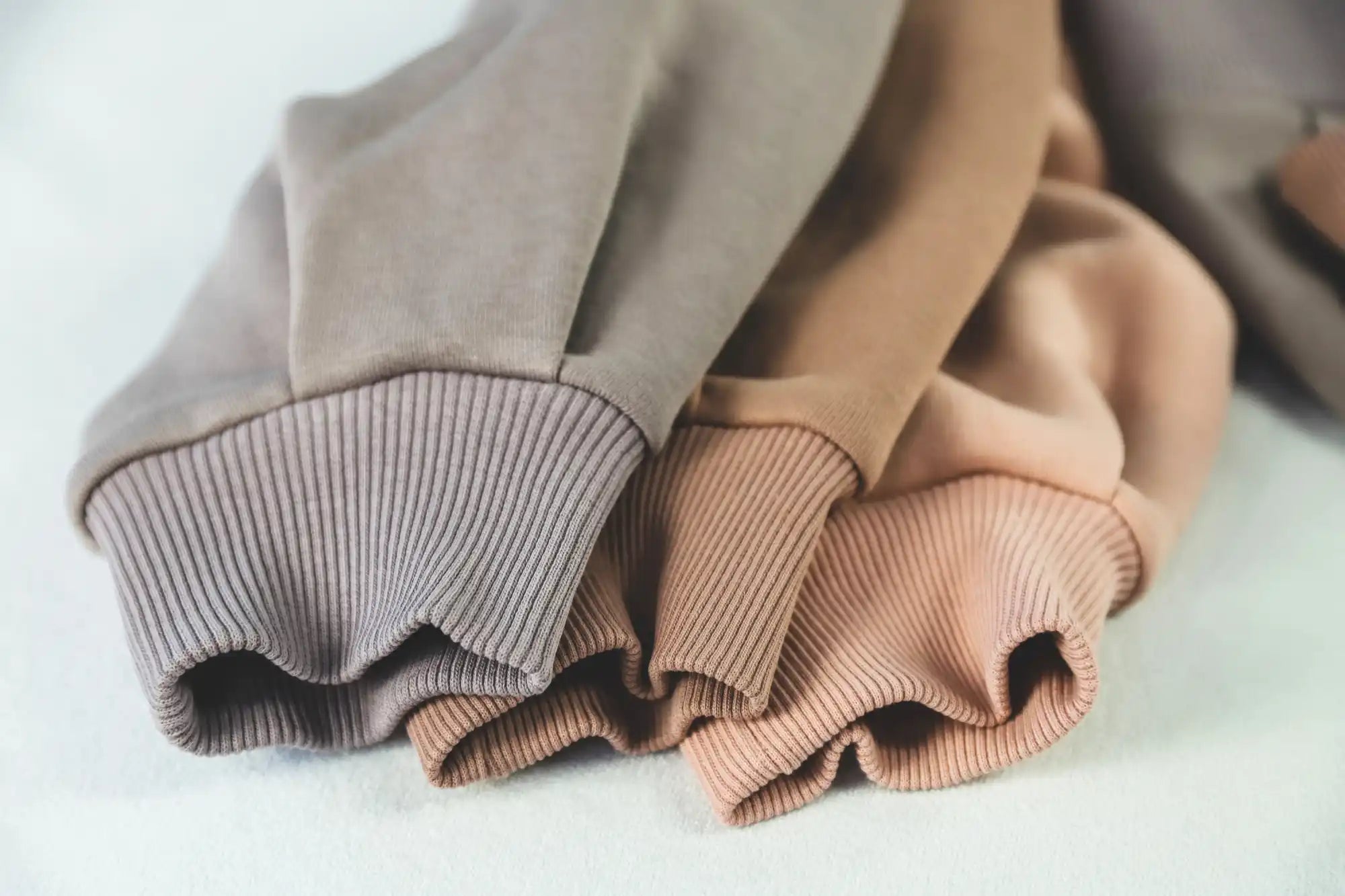
Piece dyeing (process-based dyeing) is the industry-standard method for coloring fabric before cutting and sewing. This guide explains the process, regional capabilities, sustainability standards, and practical steps brands use to achieve consistent, long-lasting color across garments.
Introduction: Why Dyeing Defines Apparel Quality
Color is often the first signal of product quality. For performance wear, streetwear, and premium basics, consistent color across sizes and batches is essential. Piece dyeing—dyeing continuous rolls of knitted or woven fabric before garment assembly—delivers that repeatability while supporting predictable production and strong performance properties.
What Is Piece Dyeing?
Piece dyeing is the process of dyeing un-dyed (greige) fabric rolls after knitting or weaving, but before cutting and sewing. It is distinct from garment dyeing (post-construction) and offers advantages in consistency, scalability, and fabric performance.
Piece dyeing = bulk fabric coloration before cutting — ideal for consistent color and efficient apparel production.
Step-by-Step: The Piece Dyeing Process
- Preparation: Scouring and bleaching remove oils, waxes, and impurities.
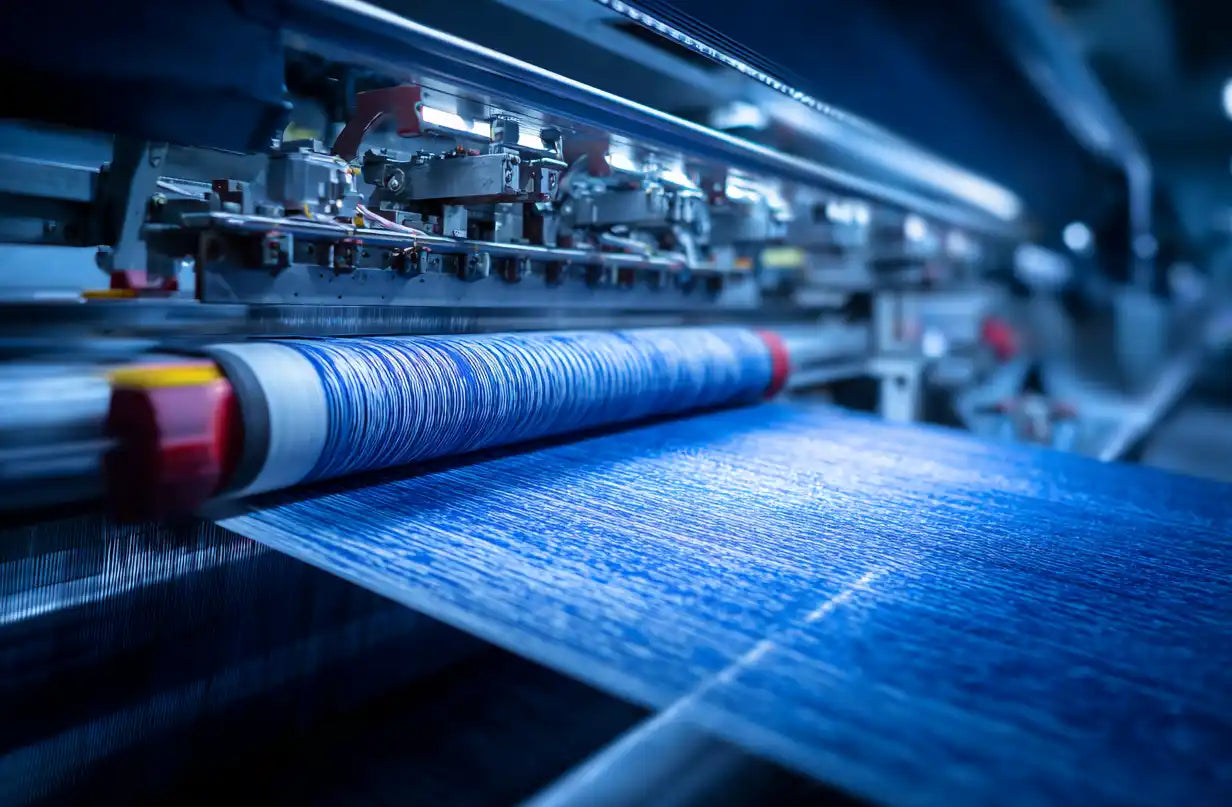
- Dye Application: Fabric is processed in jet, beam, or jigger machines under controlled temperature and pH.
- Fixation: Dyes chemically bond to fibers to achieve colorfastness.
- Rinsing & Neutralization: Excess dye is removed to stabilize the shade.
- Finishing: Softening, anti-pilling, or moisture-wicking finishes applied as required.
- Quality Control: Shade uniformity and wash-fastness tests ensure production readiness.
Why Manufacturers Rely on Piece Dyeing
- Uniform color reproduction: Every meter of fabric matches the target shade, reducing mismatches across collections.
- Resource and cost efficiency: Modern dyehouses recover water and energy—reducing water use and lowering costs per run.
- Faster lead times: Color approval precedes cutting, enabling quicker production flows.
- Fabric integrity: Piece dyeing preserves mechanical properties—stretch, recovery, and drape—for performance fabrics.
- Recipe repeatability: Approved color recipes can be reproduced for future orders with high precision.
Common Fabric Types and Dye Systems
| Fabric Type | Composition | Common Dye Type | Typical Use |
|---|---|---|---|
| Cotton Jersey | 100% Cotton | Reactive | T-shirts, hoodies |
| French Terry | Cotton / Polyester blends | Reactive or Vat | Sweatshirts |
| Nylon-Spandex | Polyamide + Elastane | Acid | Activewear, leggings |
| Recycled Polyester (rPET) | Recycled Polyester | Disperse | Outerwear, technical pieces |
Note: Matching dye chemistry to fiber type is essential for colorfastness and hand-feel outcomes.
Sustainability and Standards (2025)
Environmental compliance and traceability are central to modern sourcing decisions. Leading certifications and initiatives include:
- OEKO-TEX® Standard 100 — verifies finished fabrics are free from harmful substances.
- GOTS (Global Organic Textile Standard) — sets ecological and social criteria across the supply chain. See the official GOTS site for details: global-standard.org.
- ZDHC Roadmap to Zero — industry-led program for safer chemistry and wastewater management. Official details at roadmaptozero.com.
- REACH (EU Regulation) — legal controls on hazardous chemicals for EU production and imports.
In 2025, many EU dyehouses meet ZDHC Level 2+ standards and use closed-loop water systems, with Portugal among the regional leaders for renewable-energy integration and digital monitoring.
Comparing Dyeing Methods
| Method | Stage | Advantages | Typical Application | MOQ / Cost Range |
|---|---|---|---|---|
| Piece Dyeing | Fabric (before cutting) | Consistent tone, scalable, efficient | Basics, activewear | Medium / Low |
| Garment Dyeing | After sewing | Soft vintage look, unique tone | Streetwear, washed collections | Low / Medium |
| Yarn Dyeing | Before knitting | Pattern precision | Stripes, jacquard | Medium / High |
| Fiber Dyeing | Before spinning | Deep shade, durable | Melange yarns, wool | High / High |
Regional Advantage: Portugal’s Leadership
Portugal has emerged as a benchmark for sustainable, precision dyeing. Key capabilities include low-temperature reactive systems (energy reductions ~40%), AI-based recipe control for repeatability, and investment in water reuse and solar-assisted processes.
For brands seeking short lead times, traceable chemical management, and verified certifications, Portugal remains a compelling sourcing choice. Many of our clients source dyed fabrics through Athleisure Basics’ collections—see our Hoodies Collection.
Technology & Innovation (2025)
- AI Color Monitoring: Real-time sensors adjust recipes and reduce re-dye rates by ~25%.
- Low-Liquor Ratio Machines: Save significant water per run.
- Bio-Based Dyes: Natural pigment programs using plant extracts for sustainable palettes.
- Digital Shade Matching: Spectrophotometric calibration for near-instant lab-dip verification.
- Closed-Loop Salt Recovery: Limits effluent impacts and supports regulatory compliance.
Quality Control: Tests That Matter
Trusted mills run a consistent set of tests to confirm performance:
- Color Fastness to Washing (ISO 105-C06)
- Color Fastness to Perspiration (ISO 105-E04)
- Rubbing / Abrasion Resistance (ISO 105-X12)
- Light Fastness (ISO 105-B02)
- Shrinkage & Dimensional Stability
Spectrophotometric lab results are often included in tech packs to speed approvals and reduce sampling disputes.
Integrating Piece Dyeing into Product Development
- Color Planning: Define palettes with Pantone or spectral data.
- Lab Dips: Approve small swatches under standardized light (D65 / tungsten).
- Bulk Dyeing: Execute approved recipes in production machines.
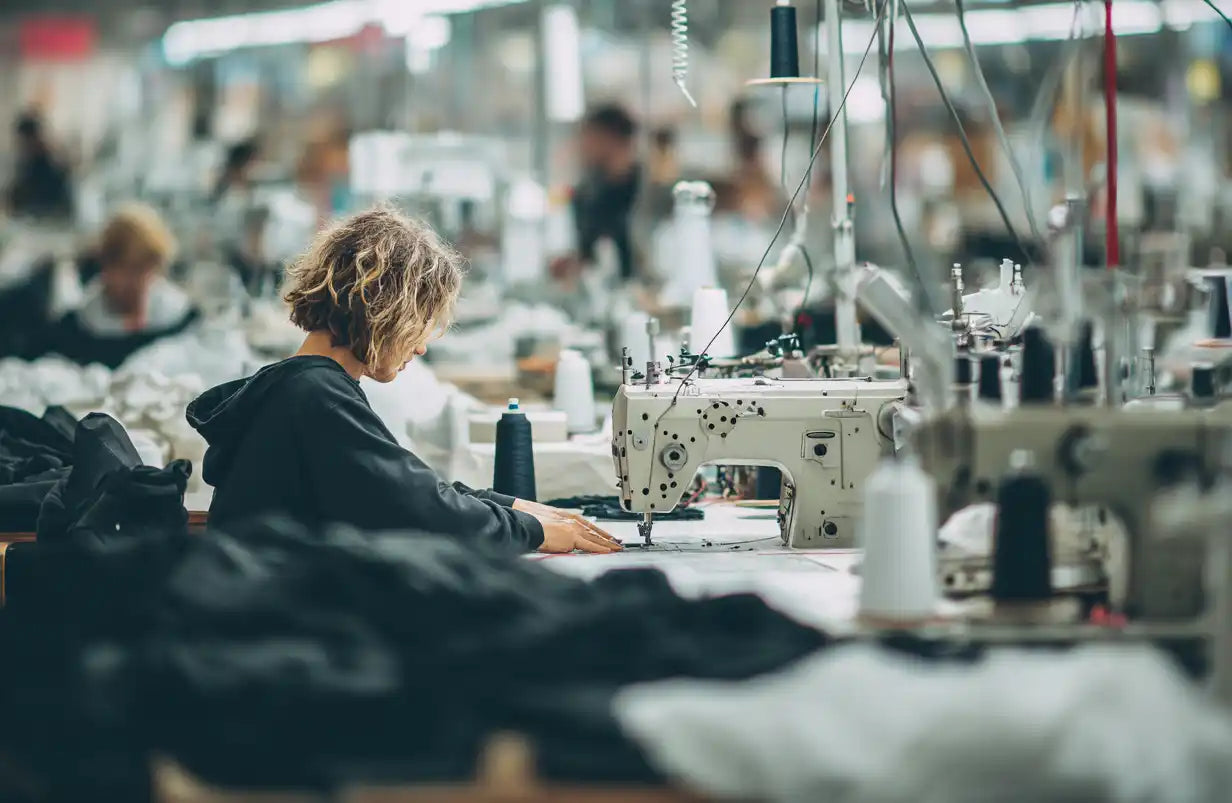
- Cut & Sew: Begin assembly after QC signoff.
- Final QC: Verify color across multiple light sources before packing.
Digital lab-dip approvals—common with EU dyehouses—reduce turnaround and improve alignment between design and production teams.
Best Practices for Brands
- Work with certified dyehouses (OEKO-TEX®, GOTS, ZDHC-compliant).
- Match fabric base weights and fiber content before dyeing to ensure tone uniformity.
- Schedule lab dips early in your timeline and keep color records.
- Choose eco-finishes (enzyme washes or silicone-free softeners) to reduce chemical load.
- Retain spectral recipes for repeat orders and replenishment planning.
Frequently Asked Questions — Certification & Standards
What certifications guarantee safe dyeing?
Certifications such as OEKO-TEX® Standard 100, GOTS, Bluesign®, and ZDHC indicate that fabrics are processed with safer chemistry and under controlled wastewater treatment practices. These certifications help verify that finished products meet consumer health and environmental expectations.
How do OEKO-TEX® and GOTS differ?
OEKO-TEX® focuses on testing finished textiles for harmful substances. GOTS certifies the broader organic textile supply chain—covering fiber sourcing, processing, dyeing, and social criteria at manufacturing sites. Brands commonly request both depending on product positioning.
How important is REACH compliance?
REACH is mandatory for products placed on the EU market and limits hazardous chemicals in production. Many non-EU dyehouses voluntarily align with REACH to ensure market access and maintain buyer confidence.
Frequently Asked Questions — Sourcing & Production
Why is piece dyeing more common than garment dyeing?
Piece dyeing is preferred for its color uniformity, cost-efficiency, and faster integration into production workflows. Garment dyeing remains valuable for washed or vintage effects but is less predictable for matching across multiple garment components.
What are typical MOQs for piece-dyed fabric?
MOQs vary by region and mill. In Europe, many dyehouses accept low-MOQ production (150–300 meters per shade). In Asia, MOQs often start higher (500 meters+), but can offer cost advantages for large-volume orders.
Can small brands use piece dyeing?
Yes—several Portuguese mills and specialist dyehouses now offer low-MOQ services tailored to startups and seasonal capsule collections, combining sustainability with flexibility.
Frequently Asked Questions — Materials & Care
How should consumers care for piece-dyed garments?
Wash in cold water with a mild detergent, avoid bleach, and tumble dry on low. These steps preserve color and extend garment life.
Do reactive-dyed fabrics fade quickly?
No—reactive dyes chemically bond to cellulose fibers (e.g., cotton) and typically deliver excellent wash-fastness when properly fixed. Many reactive-dyed garments retain color after 50+ home washes.
Can finishing treatments follow piece dyeing?
Yes. Softening, anti-pilling, and moisture-management finishes are commonly applied after dyeing and before cutting. Proper sequencing ensures finish performance without compromising color stability.
Conclusion: Reliable Color for a Sustainable Future
Piece dyeing continues to be the most balanced, scalable, and sustainable coloration method for modern apparel. When paired with certified dyehouses and digital quality controls, it delivers consistent colors, reduced environmental impact, and repeatable results across seasons.
If your brand plans to develop new collections using certified fabrics, contact our sourcing team via the request form to discuss available colors and production options.