
Piece vs Garment Dyeing: Cost and MOQ Guide 2025
In 2025, apparel brands are more strategic than ever about dyeing techniques. Choosing between piece dyeing and garment dyeing affects your total cost, lead time, and minimum order quantities (MOQs). This guide explains how each method works, what it costs, and which option best suits your production scale and market positioning.
Why Dyeing Choices Matter
In modern clothing manufacturing, dyeing has evolved beyond color—it determines cost structure, sustainability impact, and agility. With rising interest in low-MOQ manufacturing and eco-certified processes, brands must balance efficiency with creative flexibility. Emerging technologies like digital printing and waterless air-dye systems also influence MOQ thresholds and cost savings in 2025.
What Is Piece Dyeing?
Piece dyeing means dyeing the fabric roll after weaving or knitting but before cutting and sewing. It’s widely used for solid colors, jerseys, twills, and fleece materials.
- Ideal for large-scale production of basics or uniforms.
- Ensures consistent color across all garments.
- Requires higher MOQ—typically 500–1,000 meters per color.
- Cost-efficient once volume is achieved.
See the full overview of dyeing methods at AthleisureBasics.com.
What Is Garment Dyeing?
Garment dyeing involves dyeing a finished product after sewing. This approach is ideal for premium or creative collections that require pigment, enzyme, or over-dye effects.
- Supports smaller runs (as few as 50–200 pieces per color).
- Offers flexible color testing after sewing.
- Enables unique finishes—perfect for premium streetwear.
- Costs more per piece and has longer finishing times.
Cost and MOQ Comparison Table
| Aspect | Piece Dyeing | Garment Dyeing / Artistic Finishes |
|---|---|---|
| MOQ (per color) | 500–1,000 meters (~250–500 pcs) | 50–200 pcs |
| Setup Cost | Higher upfront, lower per unit | Low setup, high per-piece cost |
| Cost Range | €2–5/meter | €3–7 per garment |
| Lead Time | Faster for bulk runs | Additional wash/QC stages |
| Best Use | Large orders, standard basics | Small runs, premium capsules |
How MOQ Affects Cost per Unit
Factories set MOQs to maintain efficiency. Below MOQ, setup costs such as dye bath preparation and machine cleaning are divided over fewer units, raising the cost per piece by 15–35%. In Portugal, piece-dyeing mills often start around 300–500 meters per color, while garment-dye workshops may accept 30–50 garments per tone.
Example Scenarios
- Large Order (5,000 T-shirts): Piece dyeing saves up to 25% in cost versus garment dyeing.
- Medium Capsule (800 Hoodies): Garment dyeing adds flexibility for post-production colorways.
- Limited Drop (100 Sweats): Artistic dyeing maximizes uniqueness but costs more per unit.
Sustainability & Certification Standards
In 2025, buyers expect verified sustainability at every production stage. Leading certifications include:
- Global Organic Textile Standard (GOTS) – regulates organic content and dye chemical safety.
- Bluesign® System – ensures responsible water and chemical management.
Factories meeting OEKO-TEX® or ZDHC Gateway compliance also minimize environmental impact. Sustainable dyeing houses in Portugal now recycle up to 80% of water used per batch.
Regional Spotlight: Portugal’s Low-MOQ Advantage
Portugal has become a leading hub for low-MOQ, sustainable apparel manufacturing. Advanced dye houses combine automation, chemical traceability, and flexible lot sizes. Learn more in our Low-MOQ Manufacturing Guide.
Practical Ways to Control Dyeing Costs
- Batch multiple styles into one color run.
- Use in-stock certified fabrics to skip setup fees.
- Plan colorways quarterly to combine MOQ volumes.
- Choose base colors like black, sand, or stone for versatility.
- Negotiate recurring contracts with mills for better rates.
FAQs About Certification & Standards
Does every dyeing method qualify for certification? Piece dyeing typically certifies more easily than garment dyeing, which involves post-sew chemicals. Factories must maintain traceability to meet OEKO-TEX® or GOTS standards.
Are pigment and acid washes sustainable? When done in certified dye houses, yes. Bluesign®-approved pigments and closed-loop water systems make these processes eco-responsible.
Do certifications affect cost? Certified runs often cost 5–10% more but ensure compliance and international market acceptance.
FAQs About Sourcing & Production
What is the optimal MOQ for piece dyeing? Between 300–500 meters per color, equivalent to roughly 250–400 garments, is cost-effective.
Can the same base garment be recolored later? Yes. PFD (Prepared-for-Dye) garments allow flexible re-dyeing across seasons, improving color agility.
How long does garment dyeing take? Add 3–5 days for washing and QC compared to piece-dyed fabric runs.
FAQs About Materials & Care
Which fabrics dye best? Cotton, linen, and hemp absorb color evenly. Polyester and blends require specific disperse or reactive dyes for proper results.
Do garment-dyed pieces fade over time? Slightly—this creates the soft, vintage aesthetic prized in streetwear.
Are they pre-shrunk? Most are, but a 3% tolerance remains after washing and drying.
Conclusion
Choosing between piece dyeing and garment dyeing comes down to your scale, design goals, and sustainability priorities. Large orders of basics benefit from the efficiency of piece dyeing, while small runs and artistic finishes shine through garment dyeing’s flexibility.
To explore certified dyeing options for your next collection, connect with our production specialists via the AthleisureBasics Request Form. Our team will advise on colorways, MOQ tiers, and eco-certified finishing options tailored to your brand.
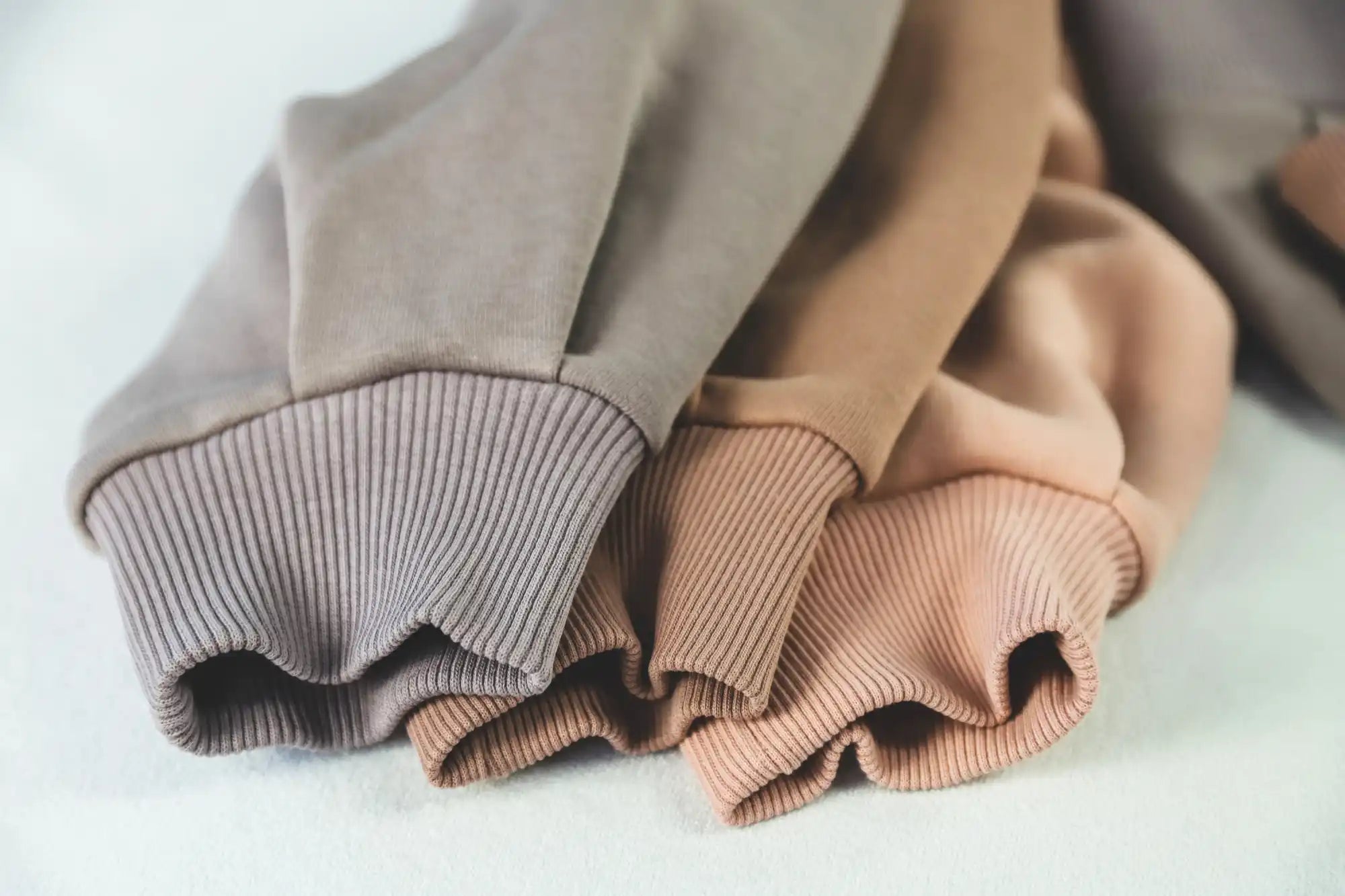
Materials & Fabrics for Clothing Production
Explore cotton, French terry, jersey, fleece, and sustainable blends used in premium apparel manufacturing.
Explore Premium Apparel Fabrics Guide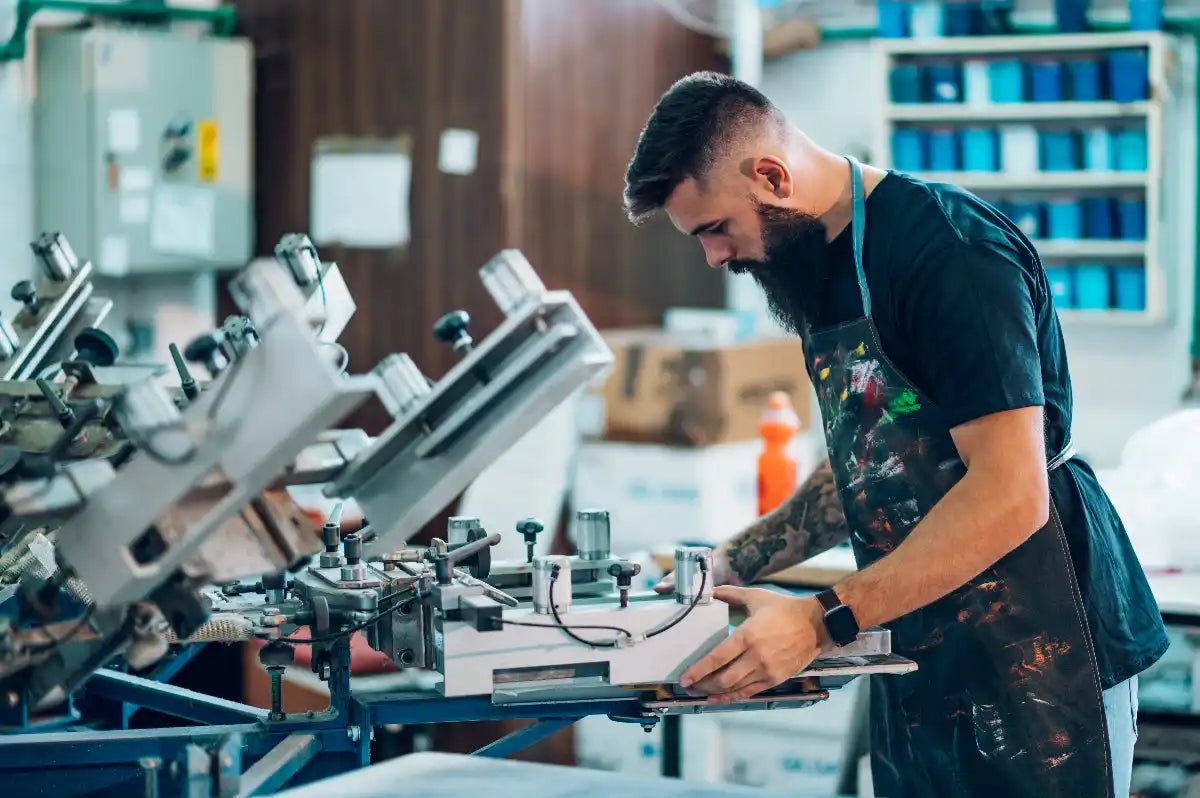
Printing Techniques for Apparel Production
Screen printing, embroidery, puff prints, and digital methods for custom clothing manufacturing.
Explore Custom Apparel Printing Techniques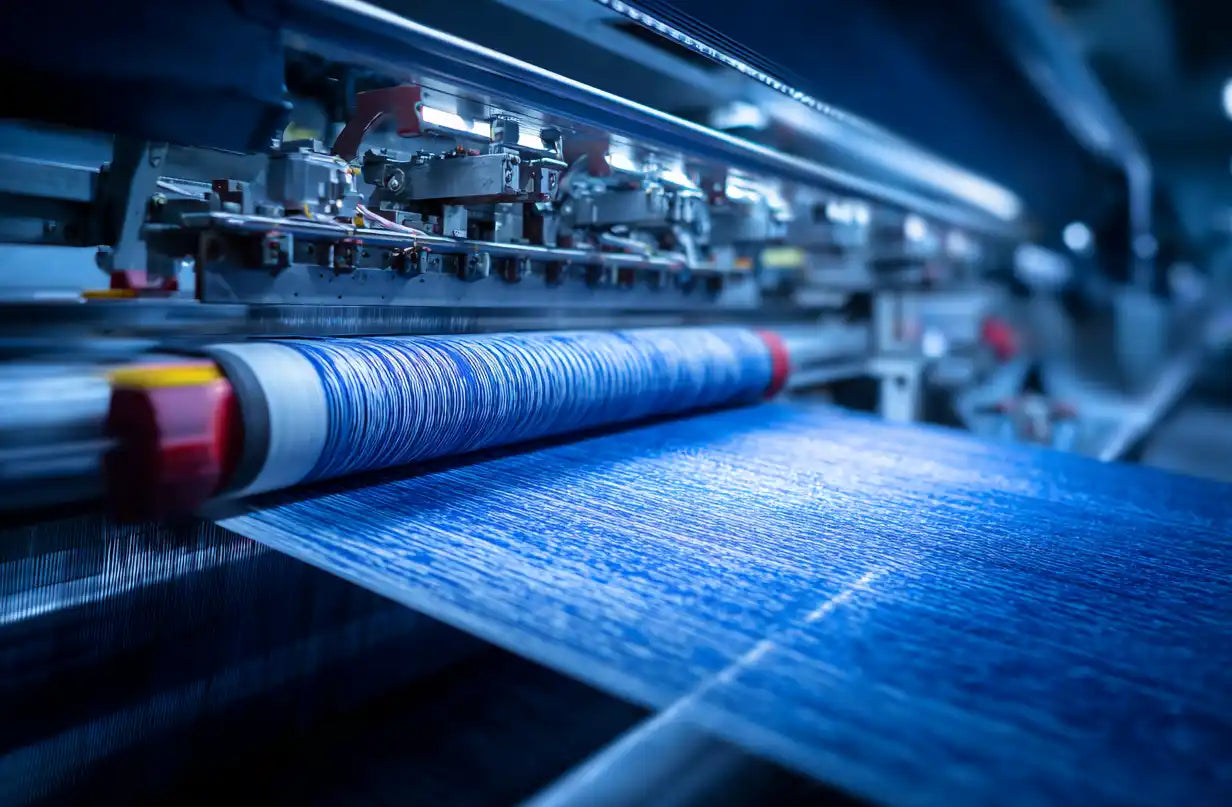
Dyeing Techniques in Clothing Manufacturing
Garment dye, pigment, acid wash, and stone wash finishes that create unique apparel designs.
Compare Apparel Finishing Techniques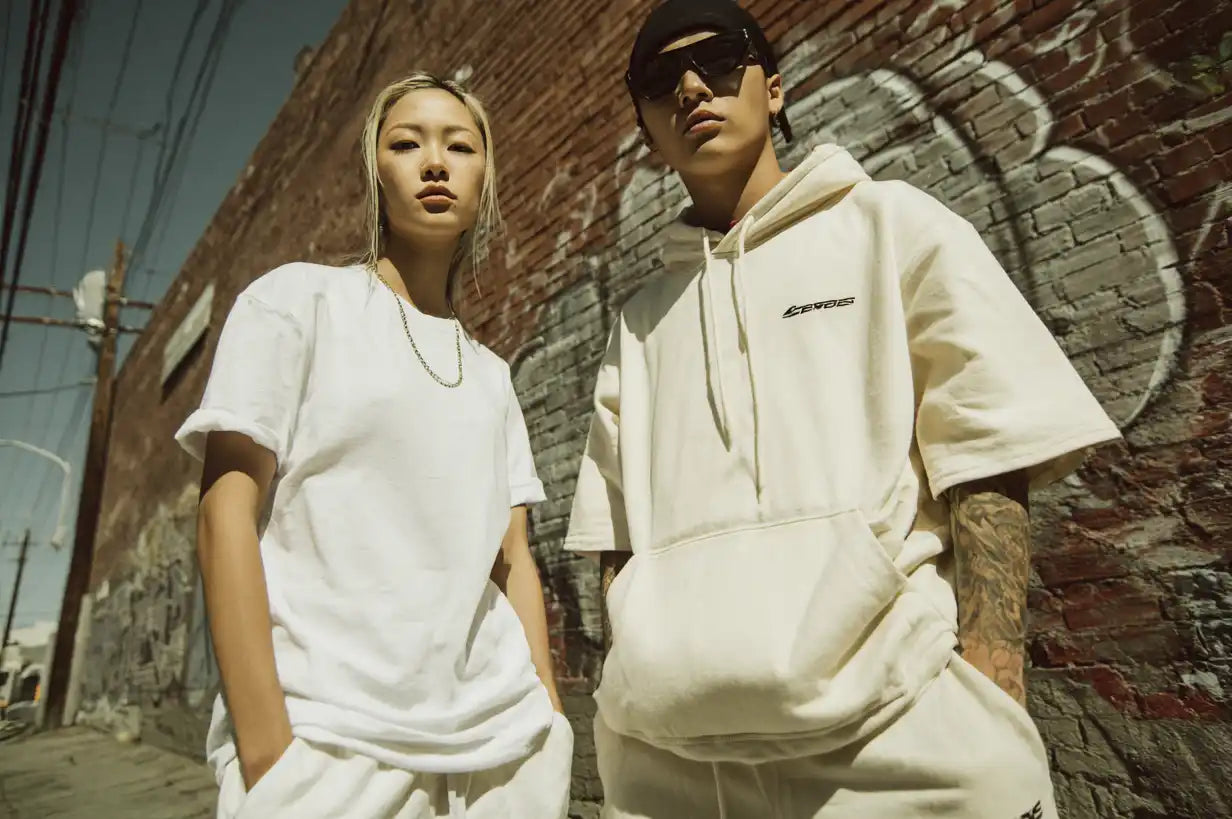
Popular Clothing Items for Custom Apparel
Hoodies, joggers, t-shirts, leggings, and biker shorts — essentials for every apparel collection.
Explore Popular Custom Clothing Items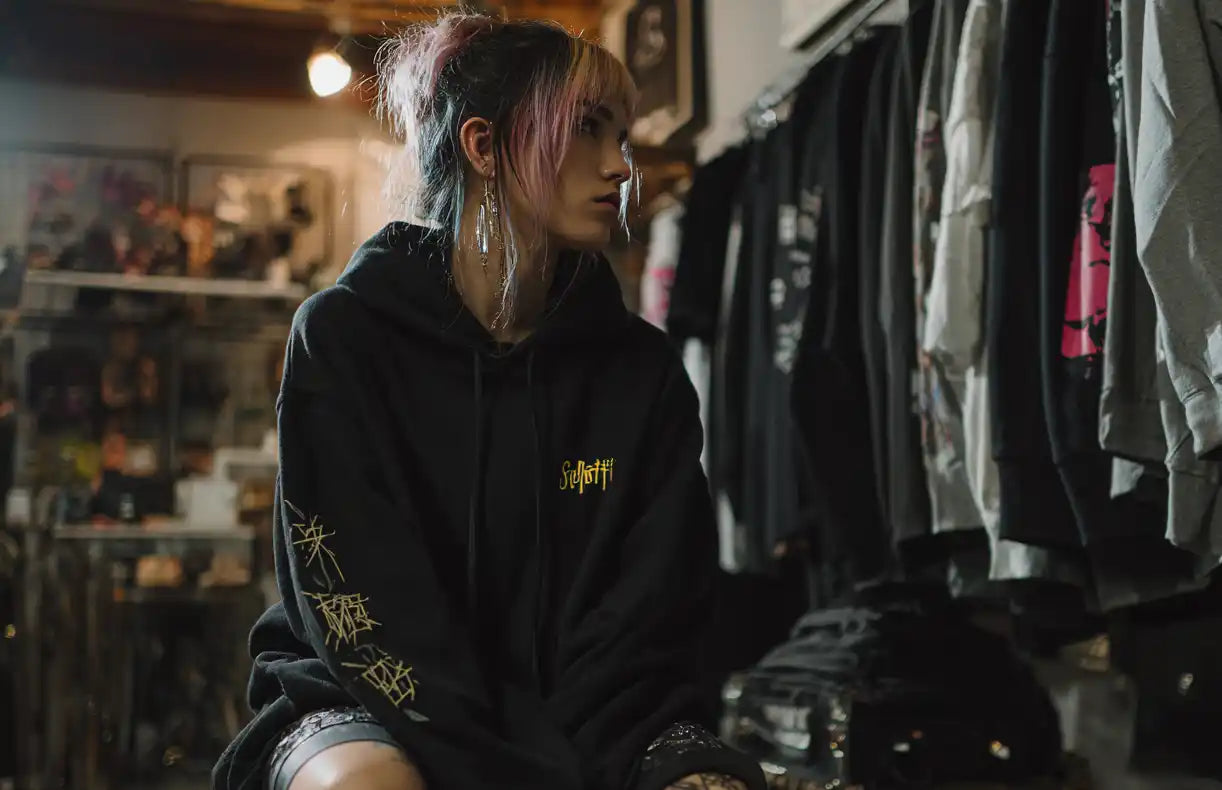
Trends & Designs in Modern Apparel
Oversized fits, streetwear influences, and activewear styles driving custom clothing production.
Explore Trends & Designs for Apparel Development
Sustainable & Ethical Clothing Production
OEKO-TEX® certified fabrics, organic cotton, and ethical apparel manufacturing in Portugal.
Understand Sustainable & Ethical Clothing Production
Essentials for Custom Clothing Production
Custom labels, packaging, and trims that elevate your apparel brand in production.
Explore Essentials for Custom Clothing Production
Resources for Custom Clothing Production
Startup guides, logistics support, and scaling strategies for apparel brands and wholesale clients.
Explore Resources for Custom Clothing Production
Clothing Manufacturing Glossary
Explore a complete glossary of clothing and garment manufacturing terms
The Complete Clothing Manufacturing Glossary
The Best Clothing Manufacturers
Explore global clothing manufacturers by country
Explore The Best Clothing Manufacturers
The Latest Clothing Industry Updates in 2025
Discover the latest news about important topics in the clothing industry in 2025,
Stay On Top Of Clothing Industry Updates
Worldwide Best Manufacturers of Clothes in 2026
Top clothing manufacturers worldwide organized by product type
Find The Worldwide Best Manufacturers of Clothes