
Pigment Dyeing in Clothing Manufacturing: Vintage Colour Technique
In the apparel manufacturing world, colour and finish have become as important as fabric and fit. One distinctive method gaining traction for its aesthetic and production benefits is pigment dyeing. Unlike traditional dye-systems that penetrate fibres, pigment dyeing uses insoluble colour particles that coat the fabric surface, delivering a muted, chalky finish and a relaxed, “broken-in” hand-feel.
What is Pigment Dyeing?
Pigment dyeing is a textile finishing technique in which the colourant is an insoluble pigment bound to the surface of the fabric via a binder and heat-curing process. This method contrasts with fibre-reactive or vat dyes, which chemically bond to the textile’s structure.
The key characteristics of pigment dyeing are its surface-coating nature, the resulting vintage aesthetic, and its ability to deliver that relaxed hand-feel that many heritage, athleisure and lifestyle brands seek.
Definitions
- Pigment: A coloured, typically insoluble solid which does not chemically bind with the fibre but is held via a binder system.
- Dye: A soluble colourant that penetrates the fibre and chemically interacts with the textile structure.
- Pigment-dye process: The combination of substrate Preparation → Pigment + Binder Application → Curing/Heat-Fix → Optional finishing wash or softening.
How the Pigment Dyeing Process Works
For a deeper dive into modern dyeing and finishing methods, see our guide: Dyeing & Finishing – The 2025 Playbook .
| Step | Description | Why it matters |
|---|---|---|
| 1. Fabric preparation | The textile substrate is desized, cleaned and pre-washed to remove residues and finishes. | Ensures even adhesion of the pigment/binder. |
| 2. Pigment + binder application | Insoluble pigment particles are applied with a binder via pad-mangle, spray or foam coating. | Binder provides the mechanical adhesion since pigment itself has no affinity for fibre. |
| 3. Curing / heat-fixing | The coated fabric is passed through a curing oven to set the binder and fix the pigment particles. | Determines durability, hand-feel and final finish quality. |
| 4. Post-wash / finishing (optional) | A softening wash or enzyme process is applied to relax the binder film and create the vintage hand-feel. | This step produces the desired worn-in texture and softer feel. |
Because the pigment sits on the surface rather than inside fibres, the finish exhibits unique variation, tonality differences and a characteristic chalkiness—features that contribute to its vintage appeal.
Why Brands Choose Pigment Dyeing
There are several reasons apparel brands and manufacturers adopt pigment dyeing for collections.
Aesthetic & Brand Value
- Vintage, worn-in appeal: The muted, chalky tones and subtle variation give garments a look of being “lived-in”.
- Surface texture and uniqueness: Each piece may vary slightly in tone, which enhances perceived craftsmanship.
Production & Fabric Versatility
- Broad material compatibility: Because the chemistry is less fibre-specific, pigment solutions often work across cotton, blends and synthetics.
- Simplified production: Fewer fibre-specific dye-libraries, and fewer chemical reactions mean less complexity in some cases.
Sustainability Potential in 2025
When configured correctly—with certified binders, efficient curing and closed-loop finishing—pigment dyeing can offer lower water and energy use than some traditional wet dyeing systems. However, sustainability is not automatic and must be built into the process.
Key certification systems to verify include OEKO-TEX® STANDARD 100 and bluesign® Approved / Product.
Material Suitability & Limitations
Choosing the right substrate, and understanding limitations is essential to success.
Suitable Substrates
- Cotton / cotton-rich fleece – Excellent candidate for pigment dyeing and vintage finishes.
- Poly-cotton blends – Good candidate when binder chemistry is suitable.
- Linen – Acceptable choice, especially if texture variation is desired.
- Polyester / nylon – Possible, but often requires specialized binder systems and may yield slightly different hand-feel.
Important Considerations
- Pre-treatment matters: Surfactants, silicon softeners or heavy finishes can reduce pigment adhesion.
- High-abrasion applications: Because colour sits on surface, high-friction zones may show faster fade or wear.
- Hand-feel: New garments may feel slightly stiff due to binder film; finishing wash is often required.
Comparison: Pigment Dyeing vs. Conventional Dyeing
| Attribute | Pigment Dyeing | Conventional Dyeing (Reactive/Vat) |
|---|---|---|
| Penetration | Surface coating | Full fibre absorption |
| Colour uniformity | Subtle variation; vintage look | High uniformity, saturated colour |
| Hand-feel (new) | Slightly crisp → softens with wash | Soft from the start |
| Durability | Moderate; surface wear more visible | High, colour locked into fibre |
| Best for | Lifestyle, heritage, casualwear | Performance, uniformity, high-abuse zones |
Quality Assurance & Standards for Pigment Dyeing
- OEKO-TEX® STANDARD 100: Tests textiles for harmful substances.
- bluesign® Criteria: Focuses on chemical input management, safe production and resource efficiency.
For brands refining their production workflow, a strong tech pack is essential: Clothing Tech Pack Guide – How to Build It .
Care Guidelines for Pigment-Dyed Apparel
- Wash cold, inside-out, with similar colours or alone for first few washes.
- Use a gentle detergent; avoid strong bleach or stain-removers.
- Prefer air-drying; if tumble-drying, use low heat.
- Expect some natural fading—this is part of the look, not a defect.
Practical Applications & Design Implications
Brands launching lifestyle, athleisure or heritage-inspired collections often use pigment dyeing to create standout pieces.
For example, many pigment-dyed silhouettes pair well with premium oversized hoodies such as: AthleisureBasics Premium Hoodie Collection .
- T-shirts, hoodies and sweatshirts with relaxed fit and soft vintage finish.
- Capsule collections emphasising variation and uniqueness.
- Poly-blend athleisure garments where pigment dyeing unifies colour tone.
Conclusion & Call to Action
For apparel brands aiming to deliver pieces with character, relaxed aesthetic and broad substrate flexibility, pigment dyeing offers a compelling route.
If your brand plans to develop pigment-dyed apparel using certified fabrics and premium finishing processes, reach out to our team: Get a quote for production .
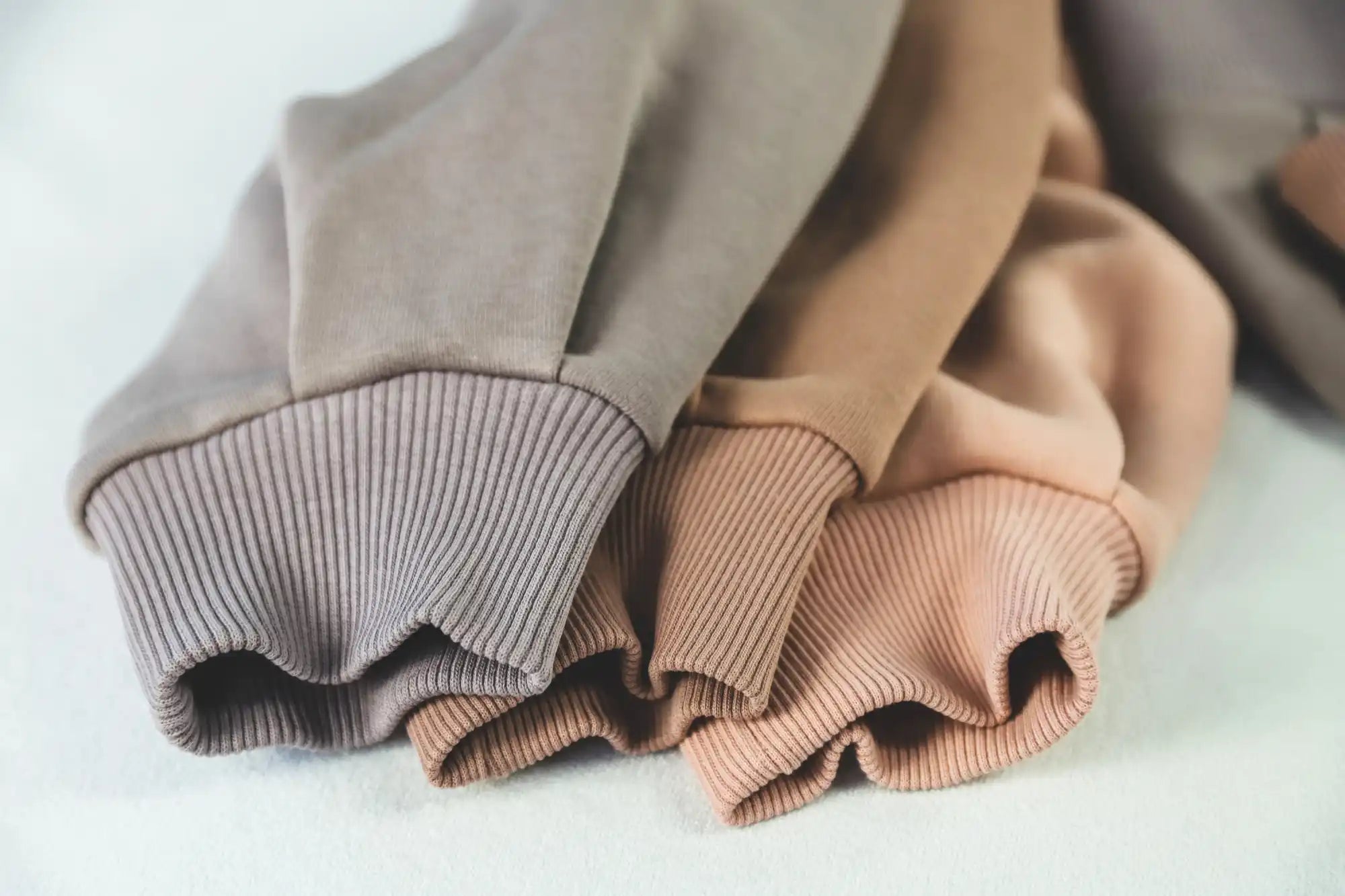
Materials & Fabrics for Clothing Production
Explore cotton, French terry, jersey, fleece, and sustainable blends used in premium apparel manufacturing.
Explore Premium Apparel Fabrics Guide
Printing Techniques for Apparel Production
Screen printing, embroidery, puff prints, and digital methods for custom clothing manufacturing.
Explore Custom Apparel Printing Techniques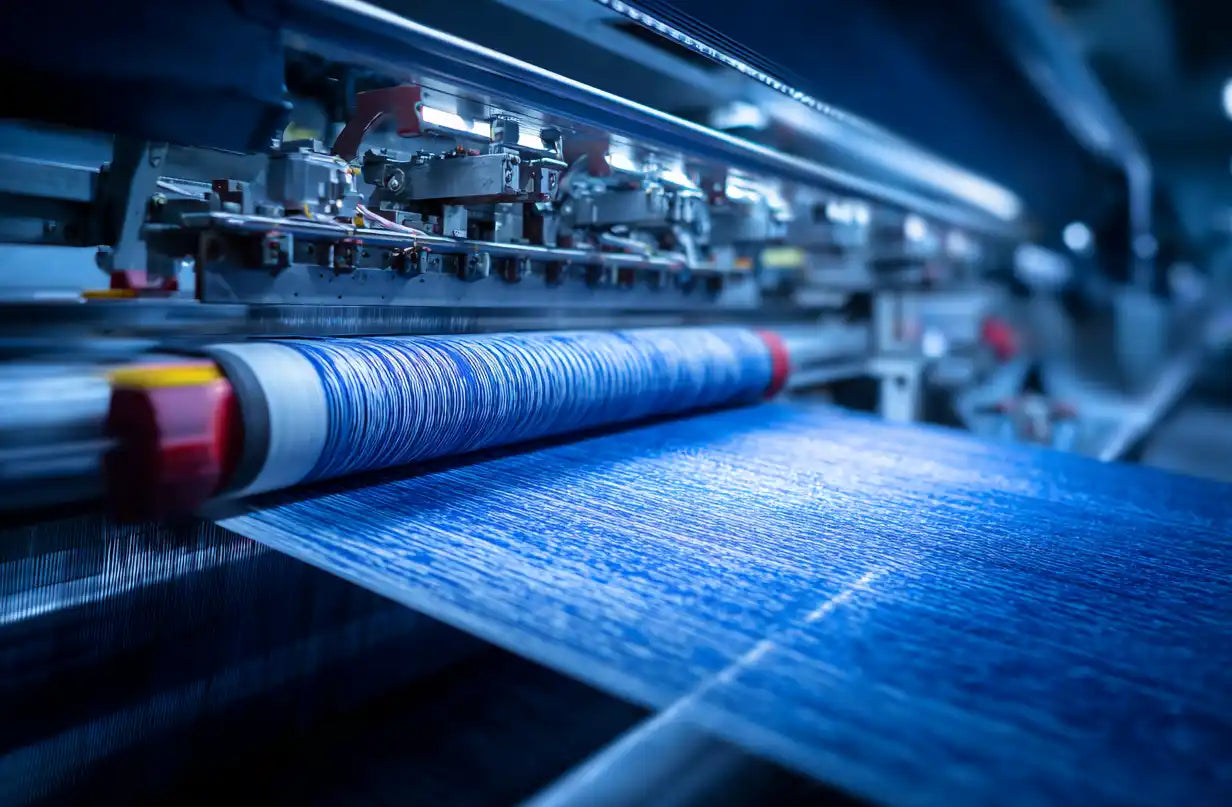
Dyeing Techniques in Clothing Manufacturing
Garment dye, pigment, acid wash, and stone wash finishes that create unique apparel designs.
Compare Apparel Finishing Techniques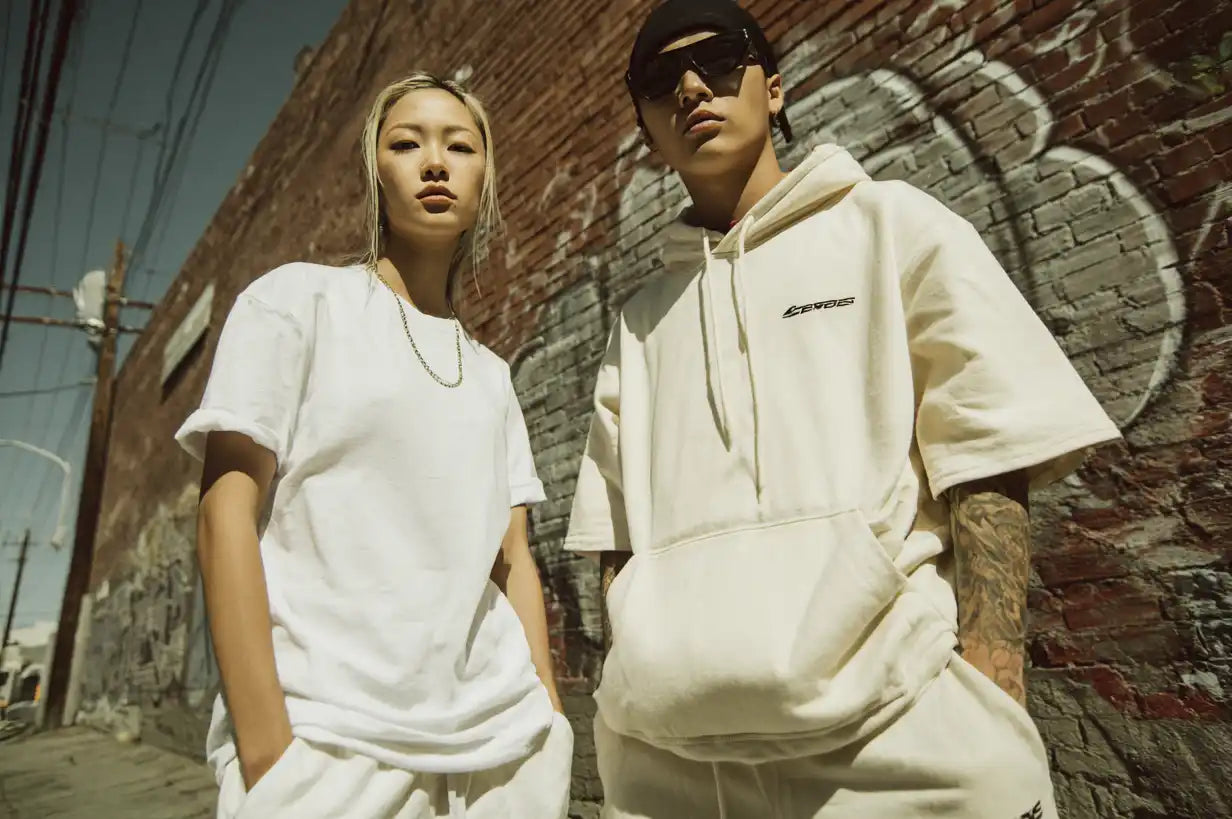
Popular Clothing Items for Custom Apparel
Hoodies, joggers, t-shirts, leggings, and biker shorts — essentials for every apparel collection.
Explore Popular Custom Clothing Items
Trends & Designs in Modern Apparel
Oversized fits, streetwear influences, and activewear styles driving custom clothing production.
Explore Trends & Designs for Apparel Development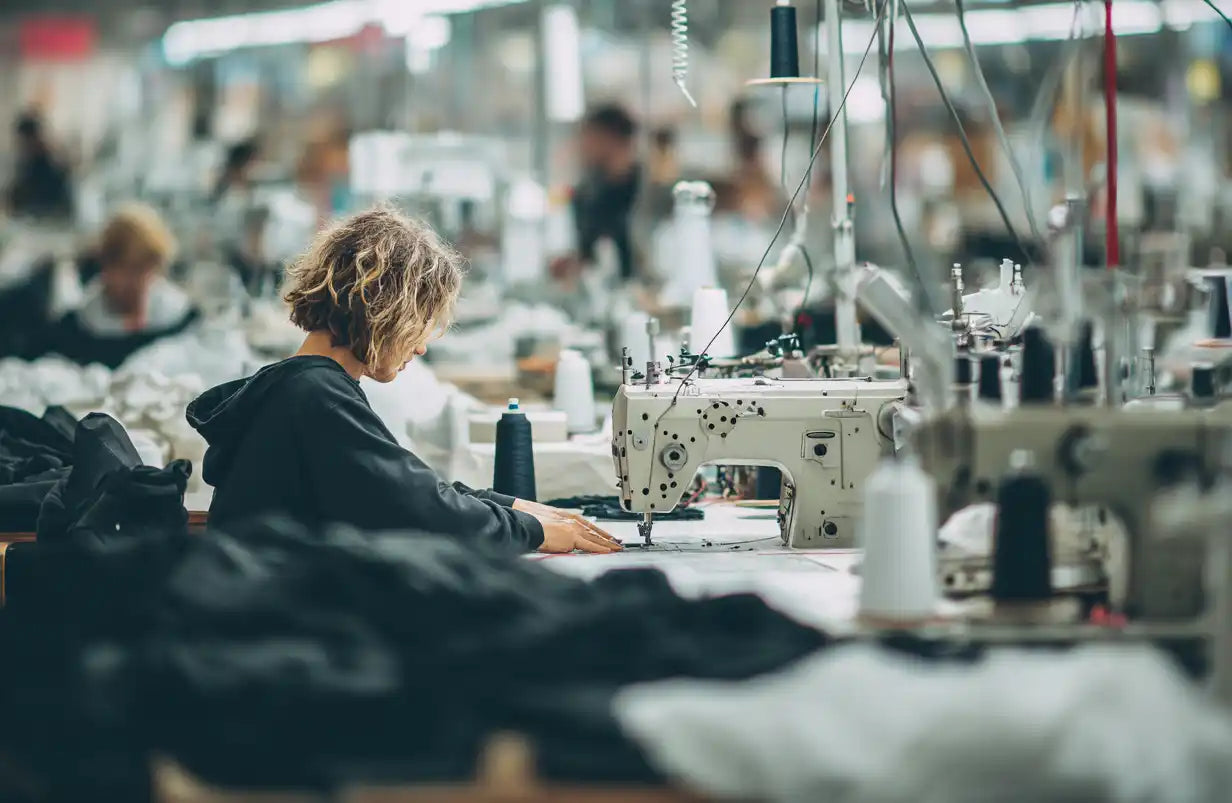
Sustainable & Ethical Clothing Production
OEKO-TEX® certified fabrics, organic cotton, and ethical apparel manufacturing in Portugal.
Understand Sustainable & Ethical Clothing Production
Essentials for Custom Clothing Production
Custom labels, packaging, and trims that elevate your apparel brand in production.
Explore Essentials for Custom Clothing Production
Resources for Custom Clothing Production
Startup guides, logistics support, and scaling strategies for apparel brands and wholesale clients.
Explore Resources for Custom Clothing Production
Clothing Manufacturing Glossary
Explore a complete glossary of clothing and garment manufacturing terms
The Complete Clothing Manufacturing Glossary
The Best Clothing Manufacturers
Explore global clothing manufacturers by country
Explore The Best Clothing Manufacturers
The Latest Clothing Industry Updates in 2025
Discover the latest news about important topics in the clothing industry in 2025,
Stay On Top Of Clothing Industry Updates
Worldwide Best Manufacturers of Clothes in 2026
Top clothing manufacturers worldwide organized by product type
Find The Worldwide Best Manufacturers of Clothes