
Placement & Comfort for Custom Made Hoodies
In apparel production, comfort begins long before a garment is worn. For brands producing custom made hoodies, the placement of labels, trims, and tags directly affects whether a product feels premium or irritating. Scratchy neck labels remain one of the most common reasons garments are returned, re-sold, or worn only once.
This guide focuses on how **placement and material choices in brand essentials** influence the wearer’s experience. When labels are soft, correctly positioned, and flexible, garments disappear on the body. When they are not, even the best fabric feels cheap.
What Are Brand Essentials in Custom Clothing Production?
Brand essentials are the components added after fabric cutting that communicate identity, care, and compliance. From a comfort perspective, they are also the elements most likely to touch skin, create friction, or interfere with movement.
- Neck labels (heat transfer, printed, or woven)
- Care and size labels
- Hang tags and swing tags
- Packaging and brand inserts
Each of these must be designed with **skin contact, seam movement, and garment stretch** in mind.
Why Placement Is the First Comfort Decision
Label discomfort is rarely caused by material alone. It is caused by placement in high-movement or high-friction zones. The back neck seam, for example, stretches, folds, and rubs during normal wear, making it the most sensitive location for irritation.
Comfort-first brands now design labels around body movement, not tradition. This is especially important for hoodies, sweatshirts, and oversized silhouettes where fabric shifts continuously.
How Heat Transfer Neck Labels Work for Comfort
Heat transfer labels are applied using heat and pressure to bond ink directly to the garment. Silicone-based transfers are preferred for fleece-lined hoodies because they flex with the fabric and prevent dye migration. Once pressed, the carrier sheet is removed, leaving no edges, seams, or raised surfaces. This creates a completely smooth neckline that disappears during wear.
Heat Transfer vs Woven vs Screen Printed Labels (Comfort-Based)
| Feature | Heat Transfer | Woven | Screen Printed |
|---|---|---|---|
| Skin Contact | None (ink only) | Edges touch skin | Flat but rigid |
| Flexibility | High | Low | Medium |
| Comfort Rating | Excellent | Low–Medium | Medium |
| Best Placement | Neck interior | Side seam | Interior panels |
Fabric-Printed Labels as a Soft Alternative
Fabric-printed labels use direct ink application onto the garment panel. When cured correctly, the ink becomes part of the fabric surface and remains flexible through repeated washing. This method works well for lightweight cotton and jersey fabrics where heat transfer films may feel noticeable.
The key comfort risk is ink cracking, which is avoided by using low-cure, stretch-compatible inks and wash testing.
Where to Place Care Labels for Comfort and Compliance
Care labels are legally required, but their placement is a comfort decision. Side seams are the preferred location because they move less and do not sit against the neck or spine. For hoodies, labels should be positioned below the armhole to avoid rubbing.
In the U.S., care labels must comply with the FTC Textile Act. International brands typically follow ISO 3758 symbols to maintain consistency across markets.
OEKO-TEX® Standard 100 and Skin Safety
The OEKO-TEX® Standard 100 certifies that inks, labels, and trims contain no harmful substances. This matters most for components that touch skin continuously, such as neck and side-seam labels.
Using certified materials reduces irritation risk and improves buyer confidence for both DTC and wholesale orders.
Tags and the Post-Purchase Comfort Experience
Hang tags and swing tags affect comfort after purchase, not during wear. Tags that are difficult to remove often leave sharp remnants or holes in fabric, creating long-term irritation points.
Hang Tags vs Swing Tags (Removal Comfort)
| Feature | Hang Tags | Swing Tags |
|---|---|---|
| Removal Ease | Easy | Medium |
| Risk of Fabric Damage | Low | Medium |
| Comfort After Removal | High | Medium |
| Best Use Case | DTC orders | Retail display |
Packaging and Comfort Perception Before Wear
Packaging influences how soft and premium a garment feels before it is even worn. Crushed or overly compressed hoodies feel stiff, while carefully folded garments signal quality.
Brand Story Cards vs Poly Bags (Comfort Perception)
| Feature | Brand Cards | Poly Bags |
|---|---|---|
| First Touch Experience | Premium | Neutral |
| Perceived Softness | High | Medium |
| Best Use | DTC shipments | Bulk wholesale |
Common Mistakes to Avoid
- Placing labels at high-stretch neckline seams
- Using woven labels on garments worn without undershirts
- Skipping wash tests on printed labels
- Applying rigid inks to fleece-lined hoodies
- Using hard plastic fasteners that leave sharp remnants
Integrating Comfort into Product Development
Comfort decisions must be made during tech-pack creation, not after sampling. This applies to custom t shirts and fleece garments using custom embroidery on sweatshirts.
When placement and softness are defined early, brands reduce returns, complaints, and costly production changes.
FAQs About Certification & Standards
Why does OEKO-TEX® matter for comfort?
OEKO-TEX® certification ensures inks and labels contain no harmful substances that could irritate skin. This is especially important for neck and side-seam labels that remain in constant contact with the body. Certified materials also reduce the risk of allergic reactions and complaints.
Are soft labels still legally compliant?
Yes, as long as required information remains legible after washing. Heat transfer and printed labels are fully compliant when tested correctly. Placement does not affect legality, only readability.
Do packaging materials affect compliance?
Packaging is not regulated for comfort, but certified paper improves sustainability claims. It also supports premium positioning in retail and DTC markets.
FAQs About Sourcing & Production
When should comfort decisions be finalized?
Comfort-related placements should be finalized before bulk cutting. Late changes often require rework or manual labor, increasing cost. Early decisions also improve sampling accuracy.
Can labels be changed after production?
Yes, but this adds cost and limits placement options. Inline application is always more consistent and less risky for comfort.
Are small runs possible with soft labels?
Yes, digital heat transfers allow low MOQs without sacrificing softness. This is ideal for test launches and seasonal drops.
FAQs About Materials & Care
Do heat transfer labels crack over time?
Silicone-based transfers flex with fabric and resist cracking when applied correctly. Wash testing ensures durability before bulk production. Low-quality plastisol transfers should be avoided for fleece garments.
Are woven labels ever comfortable?
Yes, when placed in side seams or folded and softened. They should never be placed directly against the neck for hoodies or sweatshirts.
How can comfort be tested?
Wear testing and wash testing are essential. Garments should be worn for several hours to identify irritation points before approval.
Next Steps
If your brand plans to develop new collections using certified fabrics and comfort-first placement strategies, reach out to our team via the request form to discuss availability and production options. Request a quote
The Athleisure Basics Sourcing Team brings over 10 years of experience supporting global apparel brands with comfort-focused, compliant manufacturing solutions.
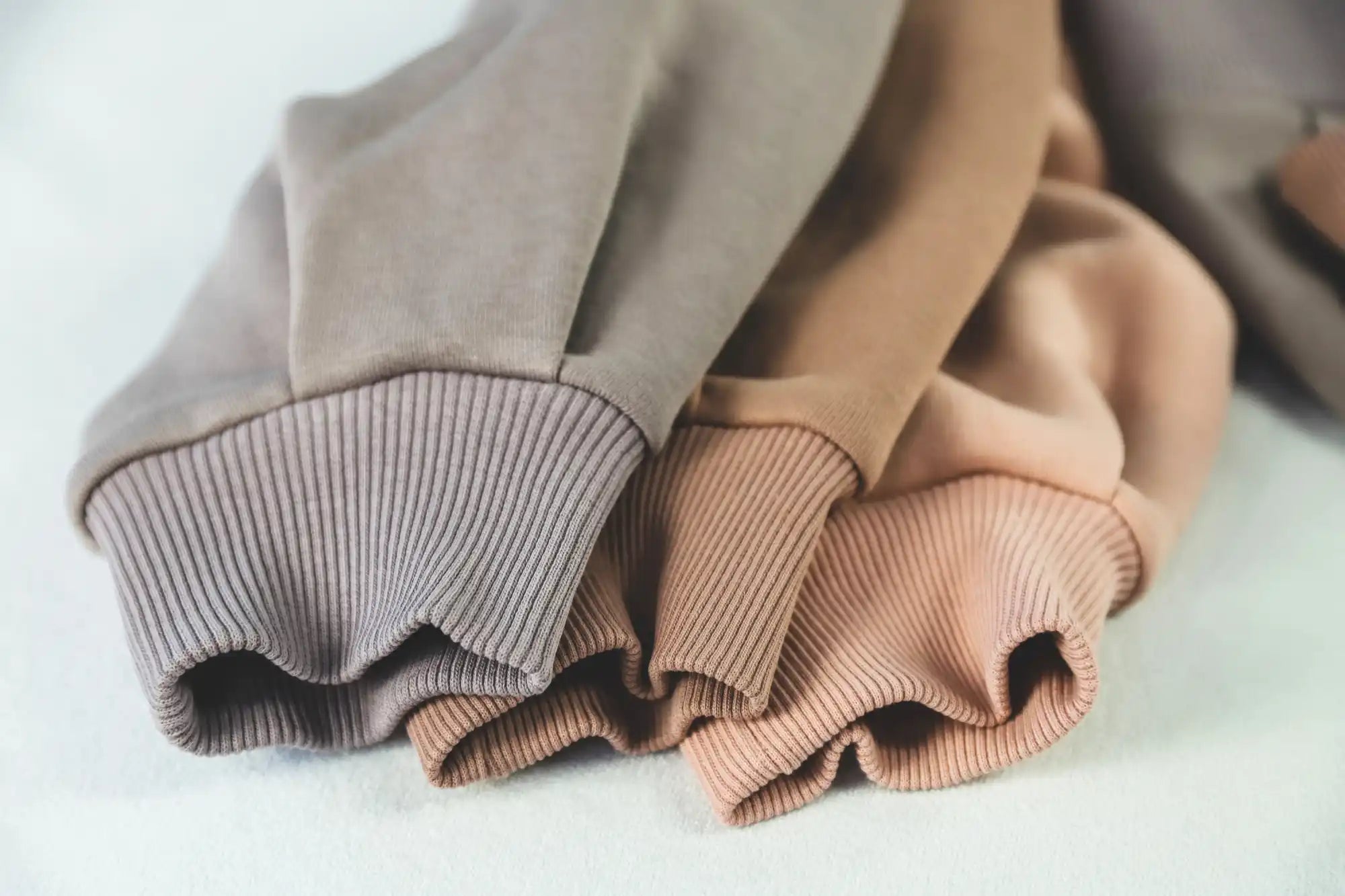
Materials & Fabrics for Clothing Production
Explore cotton, French terry, jersey, fleece, and sustainable blends used in premium apparel manufacturing.
Explore Premium Apparel Fabrics Guide
Printing Techniques for Apparel Production
Screen printing, embroidery, puff prints, and digital methods for custom clothing manufacturing.
Explore Custom Apparel Printing Techniques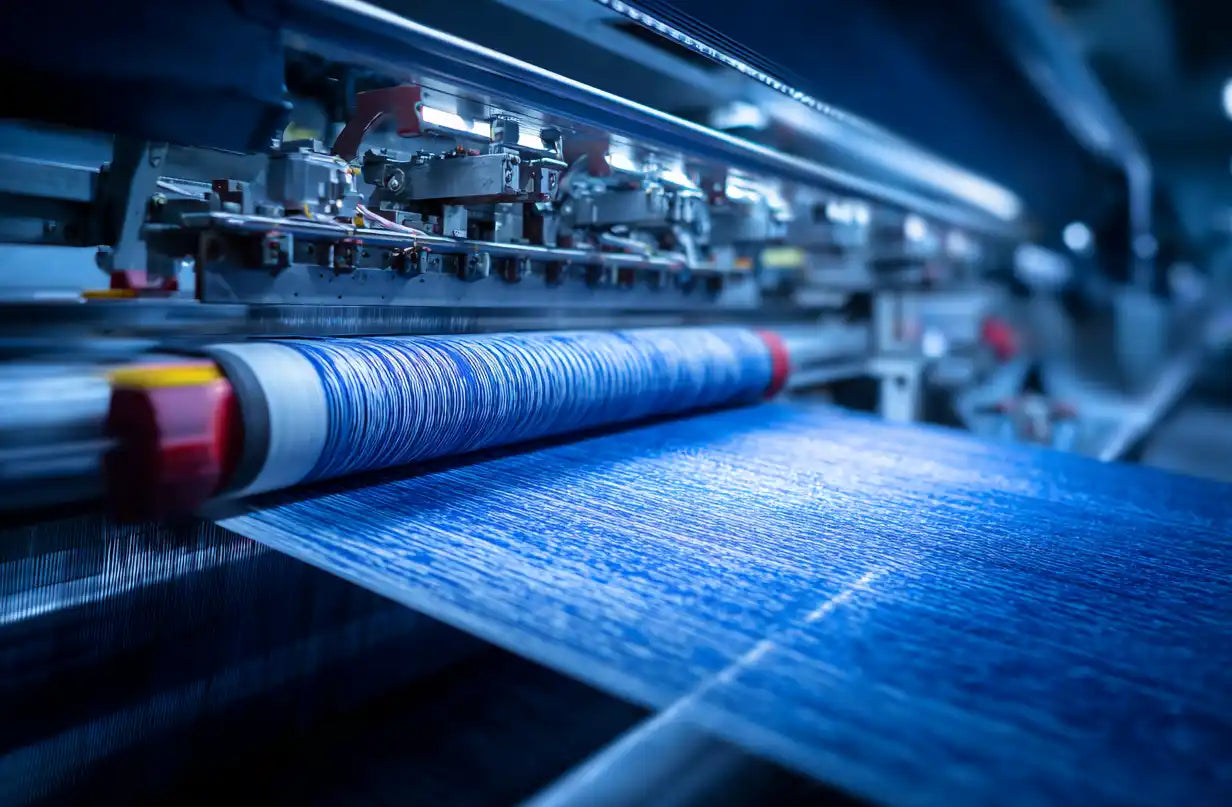
Dyeing Techniques in Clothing Manufacturing
Garment dye, pigment, acid wash, and stone wash finishes that create unique apparel designs.
Compare Apparel Finishing Techniques
Popular Clothing Items for Custom Apparel
Hoodies, joggers, t-shirts, leggings, and biker shorts — essentials for every apparel collection.
Explore Popular Custom Clothing Items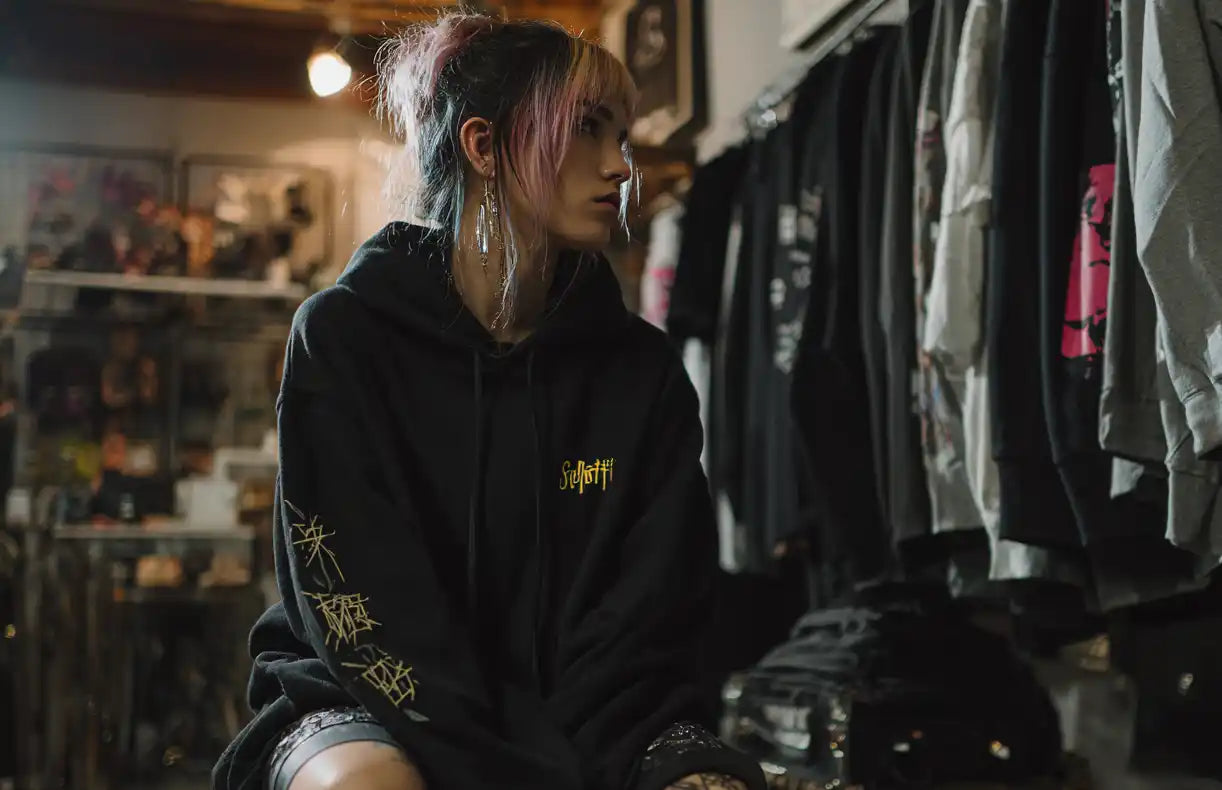
Trends & Designs in Modern Apparel
Oversized fits, streetwear influences, and activewear styles driving custom clothing production.
Explore Trends & Designs for Apparel Development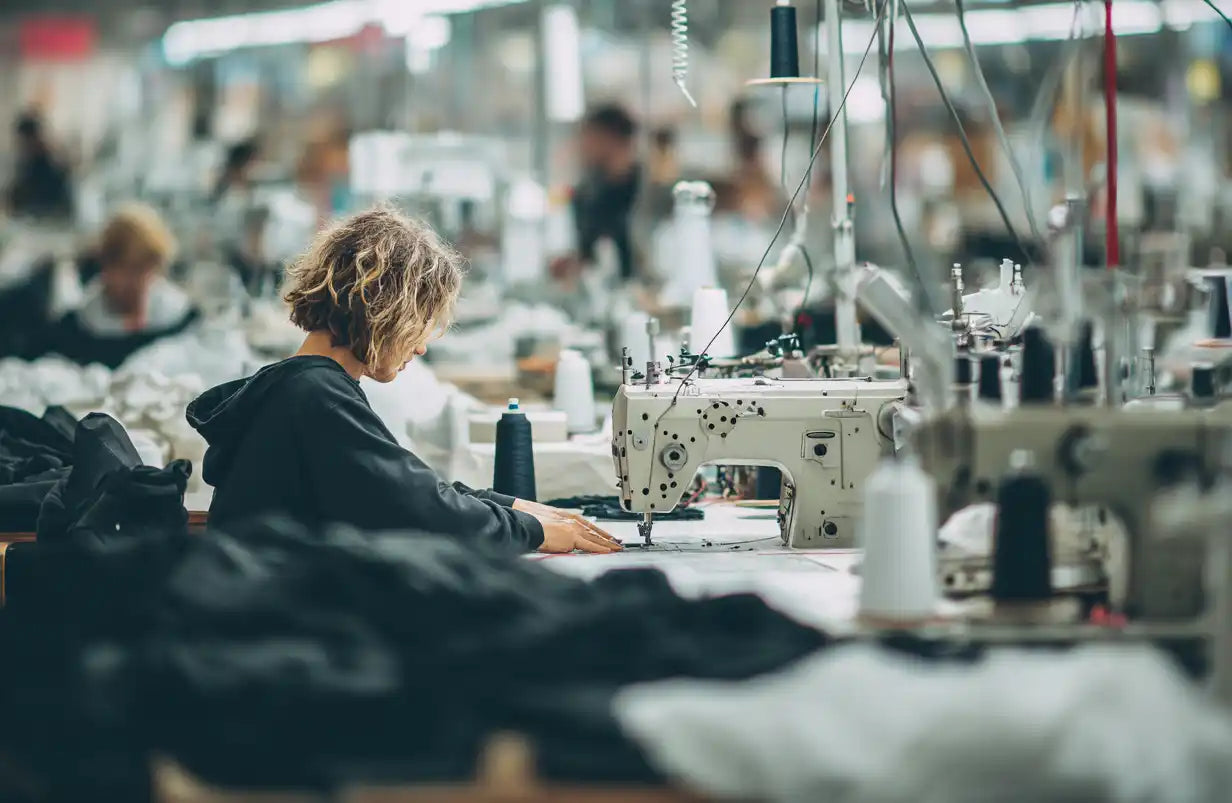
Sustainable & Ethical Clothing Production
OEKO-TEX® certified fabrics, organic cotton, and ethical apparel manufacturing in Portugal.
Understand Sustainable & Ethical Clothing Production
Essentials for Custom Clothing Production
Custom labels, packaging, and trims that elevate your apparel brand in production.
Explore Essentials for Custom Clothing Production
Resources for Custom Clothing Production
Startup guides, logistics support, and scaling strategies for apparel brands and wholesale clients.
Explore Resources for Custom Clothing Production
Clothing Manufacturing Glossary
Explore a complete glossary of clothing and garment manufacturing terms
The Complete Clothing Manufacturing Glossary
The Best Clothing Manufacturers
Explore global clothing manufacturers by country
Explore The Best Clothing Manufacturers
The Latest Clothing Industry Updates in 2025
Discover the latest news about important topics in the clothing industry in 2025,
Stay On Top Of Clothing Industry Updates
Worldwide Best Manufacturers of Clothes in 2026
Top clothing manufacturers worldwide organized by product type
Find The Worldwide Best Manufacturers of Clothes