
Plastisol Ink for Custom Apparel Printing
Plastisol ink remains one of the most widely used screen printing inks in 2025, particularly for custom t shirts, custom made hoodies, and specialty-effect sweatshirts. Its PVC-based formulation delivers excellent opacity on dark fabrics, long-term durability, and consistent results at scale, making it a core solution for bulk apparel production and brands that customize a hoodie for high-visibility graphics.
What Is Plastisol Ink?
Plastisol ink is a PVC-based screen printing ink that cures through heat, typically between 160–170°C (320–338°F). Unlike water-based inks that absorb into fabric fibers, plastisol remains on the surface, forming a bold and opaque print layer. Its long open time allows printers to pause production without ink drying on the screen, which is especially valuable for large or multi-color runs.
How Plastisol Ink Works
Artwork & Screen Preparation
Artwork is separated by color, with each color requiring its own screen. Vector-based files are preferred to maintain sharp edges and consistent registration across large print runs. Screens are coated with emulsion, exposed with film positives, and washed out to create precise stencils that control ink placement.
Ink Application
Plastisol ink is pushed through the screen using a squeegee, depositing a controlled layer on top of the fabric. Because the ink does not dry through evaporation, printers can maintain consistent ink viscosity throughout long production cycles. This makes plastisol ideal for bold graphics, large logo placements, and specialty effects.
Flash Curing (Optional)
For multi-color or high-density prints, flash curing is used between layers to partially gel the ink. This prevents smearing and color contamination while allowing additional layers to be applied cleanly. Flash curing is especially common in puff prints and layered streetwear graphics.
Final Heat Cure
Garments pass through a conveyor dryer where the ink reaches full cure temperature. Proper curing ensures the ink fuses permanently to the fabric without cracking or washing out. Under-curing leads to poor durability, while excessive heat can stiffen the print or damage synthetic fabrics.
Applications of Plastisol Ink
- High-opacity custom t shirts with bold graphics
- Custom made hoodies and sweatshirts for streetwear and promotional use
- Uniforms and workwear requiring durability
- Specialty effects such as puff and high-density printing
- Collections combining prints with custom embroidery on sweatshirts
Specialty Effects Enabled by Plastisol
- Puff Printing: Ink expands when heated, creating a raised texture
- High-Density Printing: Thick, dimensional logos and lettering
- Metallic Inks: Reflective or chrome-like finishes
- Glow-in-the-Dark: Light-reactive pigments for novelty apparel
Fabric Compatibility
Plastisol performs well across a wide range of fabrics, including 100% cotton, cotton-poly blends, fleece, and French terry. Low-bleed formulations are recommended for polyester garments to prevent dye migration during curing. Fabric selection guidance is outlined in Materials & Fabrics for Clothing Production .
Plastisol Ink vs DTG Printing
| Feature | Plastisol Ink | DTG Printing |
|---|---|---|
| Best for Volume | High-volume production | Low-volume or one-off prints |
| Opacity on Dark Fabrics | Excellent | Requires heavy underbase |
| Durability | Very high | Moderate |
| Special Effects | Puff, metallic, high-density | Limited |
Common Mistakes to Avoid
- Incorrect curing temperature: Under-curing causes cracking; over-curing stiffens prints.
- Ignoring dye migration: Polyester garments require low-bleed ink systems.
- Excessive ink deposit: Over-printing reduces flexibility and comfort.
- Skipping wash tests: Always validate cure quality before bulk production.
Sustainability & Compliance
Modern plastisol inks are engineered to meet strict environmental and safety standards while maintaining performance:
- Phthalate-free formulations compliant with OEKO-TEX® Standard 100
- Low-cure plastisol systems that reduce energy consumption during production
- Compatibility with certified garment programs under GOTS
- Ethical production alignment via Sourcing Process for Custom Clothing
FAQs About Certification & Standards
Is plastisol ink safe for apparel?
Yes. Modern plastisol inks are phthalate-free and certified under OEKO-TEX® Standard 100 for consumer safety.
Can plastisol be used in certified garment programs?
Yes, when paired with compliant inks and approved production processes.
FAQs About Sourcing & Production
What is the typical MOQ for plastisol printing?
Most factories recommend 300–500 units per design for cost efficiency and stable production.
Can plastisol printing be combined with embroidery?
Yes. Many brands combine plastisol graphics with custom embroidery on sweatshirts for premium collections.
FAQs About Materials & Care
How should plastisol-printed garments be washed?
Wash inside out in cold water and dry on low heat to preserve print integrity.
Does plastisol printing affect fabric comfort?
Plastisol creates a slightly raised feel, which is preferred for bold graphics but differs from softer water-based prints.
Final Thoughts
Plastisol ink remains a reliable solution for brands producing custom t shirts and custom made hoodies at scale. Its durability, color strength, and versatility across fabrics make it a cornerstone of modern screen printing.
Brands planning plastisol or hybrid print programs can review production options and material availability through our request form: Request a Quote.
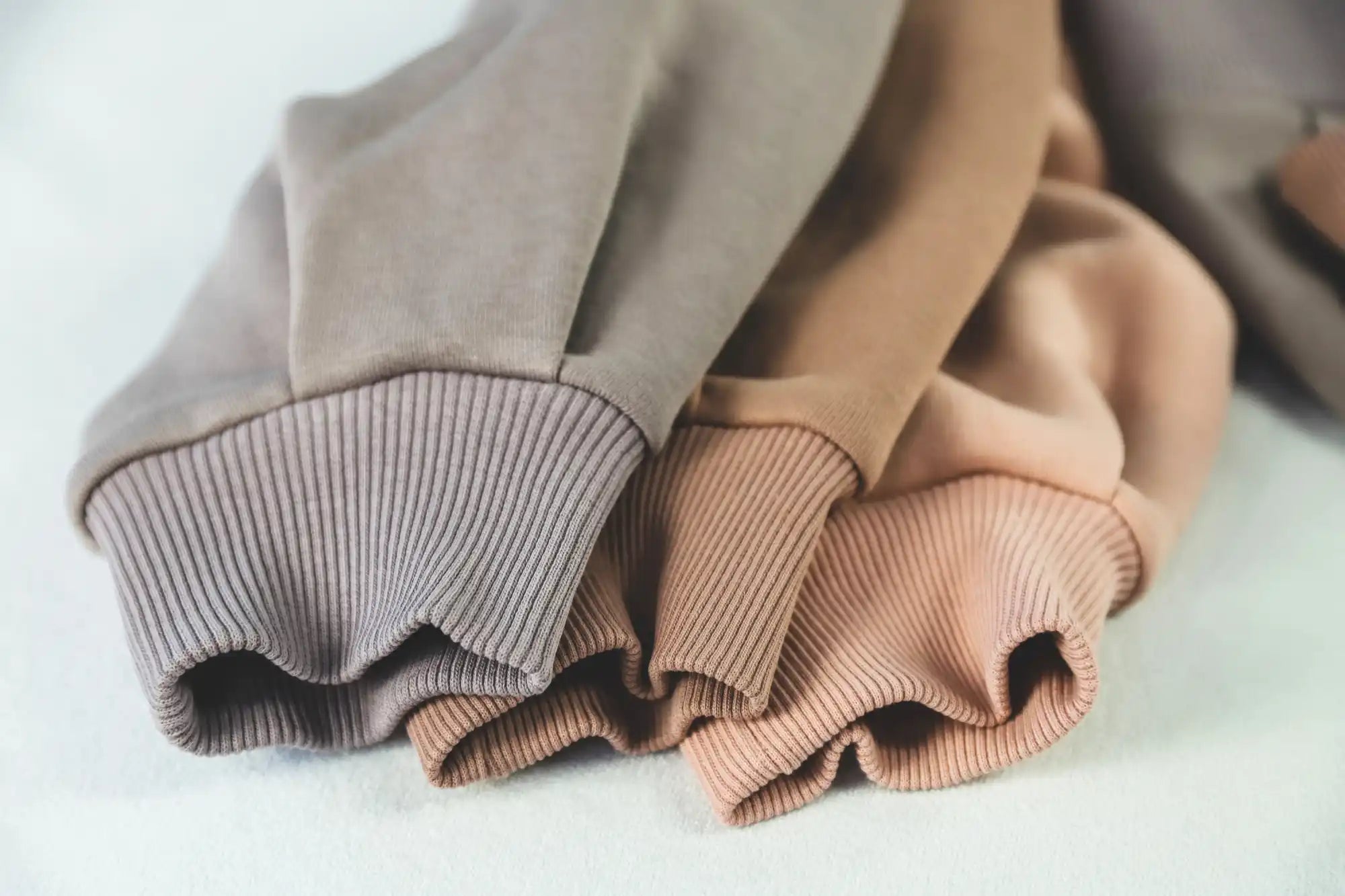
Materials & Fabrics for Clothing Production
Explore cotton, French terry, jersey, fleece, and sustainable blends used in premium apparel manufacturing.
Explore Premium Apparel Fabrics Guide
Printing Techniques for Apparel Production
Screen printing, embroidery, puff prints, and digital methods for custom clothing manufacturing.
Explore Custom Apparel Printing Techniques
Dyeing Techniques in Clothing Manufacturing
Garment dye, pigment, acid wash, and stone wash finishes that create unique apparel designs.
Compare Apparel Finishing Techniques
Popular Clothing Items for Custom Apparel
Hoodies, joggers, t-shirts, leggings, and biker shorts — essentials for every apparel collection.
Explore Popular Custom Clothing Items
Trends & Designs in Modern Apparel
Oversized fits, streetwear influences, and activewear styles driving custom clothing production.
Explore Trends & Designs for Apparel Development
Sustainable & Ethical Clothing Production
OEKO-TEX® certified fabrics, organic cotton, and ethical apparel manufacturing in Portugal.
Understand Sustainable & Ethical Clothing Production
Essentials for Custom Clothing Production
Custom labels, packaging, and trims that elevate your apparel brand in production.
Explore Essentials for Custom Clothing Production
Resources for Custom Clothing Production
Startup guides, logistics support, and scaling strategies for apparel brands and wholesale clients.
Explore Resources for Custom Clothing Production
Clothing Manufacturing Glossary
Explore a complete glossary of clothing and garment manufacturing terms
The Complete Clothing Manufacturing Glossary
The Best Clothing Manufacturers
Explore global clothing manufacturers by country
Explore The Best Clothing Manufacturers
The Latest Clothing Industry Updates in 2025
Discover the latest news about important topics in the clothing industry in 2025,
Stay On Top Of Clothing Industry Updates
Worldwide Best Manufacturers of Clothes in 2026
Top clothing manufacturers worldwide organized by product type
Find The Worldwide Best Manufacturers of Clothes