
Poly Bag Packaging for Custom Clothing Production
In professional apparel manufacturing, packaging is not a finishing afterthought. Poly bag packaging plays a structural role in protecting garments, maintaining quality standards, and ensuring operational efficiency across wholesale and direct-to-consumer distribution.
For brands producing custom made hoodies, custom t shirts, and embroidered sweatshirts, the quality and specification of poly bags directly affects fulfillment accuracy, freight costs, and buyer perception.
What Are Poly Bags in Apparel Production?
Poly bags are transparent or semi-transparent plastic sleeves used to protect garments during factory handling, storage, and shipment. In apparel production, they are typically manufactured from low-density polyethylene (LDPE) or polypropylene (PP), selected for clarity, flexibility, and tear resistance.
Standard apparel poly bags typically range from 40 to 60 microns in thickness. Lighter gauges are used for t-shirts, while heavier garments such as hoodies and fleece sweatshirts require thicker bags to prevent tearing and compression damage.
How Poly Bag Packaging Works in Production
After final inspection, garments are folded using a standardized template to ensure size consistency across SKUs. Each piece is inserted into a poly bag, excess air is manually or mechanically removed, and the bag is sealed using either an adhesive flap or heat sealing.
Size stickers or barcode labels are applied to the exterior for warehouse scanning and inventory accuracy. Bagged garments are then sorted by SKU and packed into cartons to prevent contamination, mislabeling, and transit damage.
Customization Options for Poly Bags
Poly bags can be customized without disrupting production timelines when specifications are defined early. When brands choose to customize a hoodie, the packaging should reflect the same quality standards applied to fabric, stitching, and trims.
- Printed logos or brand text
- Clear, frosted, or matte finishes
- Resealable adhesive closures
- Pre-printed size indicators
- Recycled or recyclable materials
Poly Bags vs Swing Tags
Poly bags serve a protective and logistical role, while swing tags function as retail communication tools. In scalable production, poly bags safeguard garments through the supply chain, whereas swing tags support pricing, storytelling, and point-of-sale presentation.
Poly Bag Thickness Guide by Garment Type
| Micron Thickness | Recommended Use |
|---|---|
| 40 Microns | Lightweight custom t-shirts |
| 50 Microns | Midweight jerseys and long sleeves |
| 60 Microns | Custom made hoodies and fleece sweatshirts |
Best Use Cases for Custom Embroidery on Sweatshirts and Hoodies
Garments featuring custom embroidery on sweatshirts require additional surface protection to prevent thread snagging, flattening, and abrasion. Poly bags reduce friction during bulk handling and help preserve embroidery definition through transit.
For hoodies and heavyweight garments, thicker poly bags prevent tearing caused by garment weight and protect brushed interiors from lint contamination and moisture exposure.
Packaging works in tandem with trims such as labels and tags, as outlined in Brand Essentials for Custom Clothing Production.
Compliance and Certification Standards
Poly bag packaging must meet regional compliance requirements, particularly for children’s apparel and international distribution. In the United States, the Consumer Product Safety Commission mandates suffocation warnings for bags with openings of five inches or more.
Recycled poly bags can be certified under the Global Recycled Standard when traceability and chain-of-custody requirements are met, as defined by Textile Exchange.
Additional guidance on packaging safety is published by the U.S. Consumer Product Safety Commission.
Common Mistakes to Avoid
- Using undersized bags that compress garments and distort folds
- Selecting static-heavy plastic that attracts lint on dark fabrics
- Failing to include vent holes, causing trapped air and inflated cartons
- Ignoring regional suffocation warning requirements
- Over-customizing packaging for low-volume SKUs
FAQs About Certification & Standards
Are suffocation warnings mandatory?
Yes. In the United States, poly bags with openings of five inches or more must display suffocation warnings to meet safety regulations. These warnings are especially important for children’s apparel but are increasingly required across all product categories. Missing or incorrect warnings can result in shipment holds, fines, or rejected inventory at ports.
Can poly bags be certified as recycled?
Yes. Poly bags made with recycled content can qualify for Global Recycled Standard certification when material sourcing and traceability are verified. Brands must ensure suppliers maintain chain-of-custody documentation throughout production. Certification is commonly requested by retailers and international buyers.
Do EU markets require different packaging?
European markets enforce chemical safety, labeling, and material requirements under REACH regulations. Poly bag materials and inks must meet these standards before shipment. Brands selling in multiple regions should confirm packaging compliance during sampling.
FAQs About Sourcing & Production
When should poly bags be ordered?
Poly bags should be finalized before bulk production begins to avoid delays during packing. Late orders often result in garments sitting unprotected on factory floors. Early planning also allows for better pricing and consistent quality control.
Are custom poly bags expensive?
Costs depend on material thickness, printing method, and order volume. When aligned with bulk garment production, per-unit packaging costs remain relatively low. Brands typically see higher perceived value without significant margin impact.
Can poly bags be used for e-commerce shipping?
Yes. Resealable poly bags are commonly used for direct-to-consumer fulfillment and warehouse storage. They help preserve garment presentation while allowing customers to return items in original condition. Many brands choose thicker bags for this purpose.
FAQs About Materials & Care
Are poly bags waterproof?
Poly bags are moisture resistant and protect garments from humidity and light splashes. However, they are not fully waterproof under pressure or prolonged exposure. Carton liners or secondary protection may be required for ocean freight.
Do poly bags affect embroidery?
Low-quality or static-heavy plastic can scuff embroidery threads over time. Using smooth, thicker poly bags reduces this risk. Brands should always test packaging with production samples before bulk packing.
Do thicker bags improve protection?
Yes. Heavier garments such as hoodies and fleece sweatshirts benefit from thicker poly bags that resist tearing and compression. Thicker bags also maintain shape during stacking and reduce carton damage during shipping.
Written by the Athleisure Basics Production Team, specialists in end-to-end apparel manufacturing and sustainable packaging solutions.
If your brand plans to develop new collections using certified fabrics and scalable production methods, reach out to our team via the request form to discuss availability and production options.
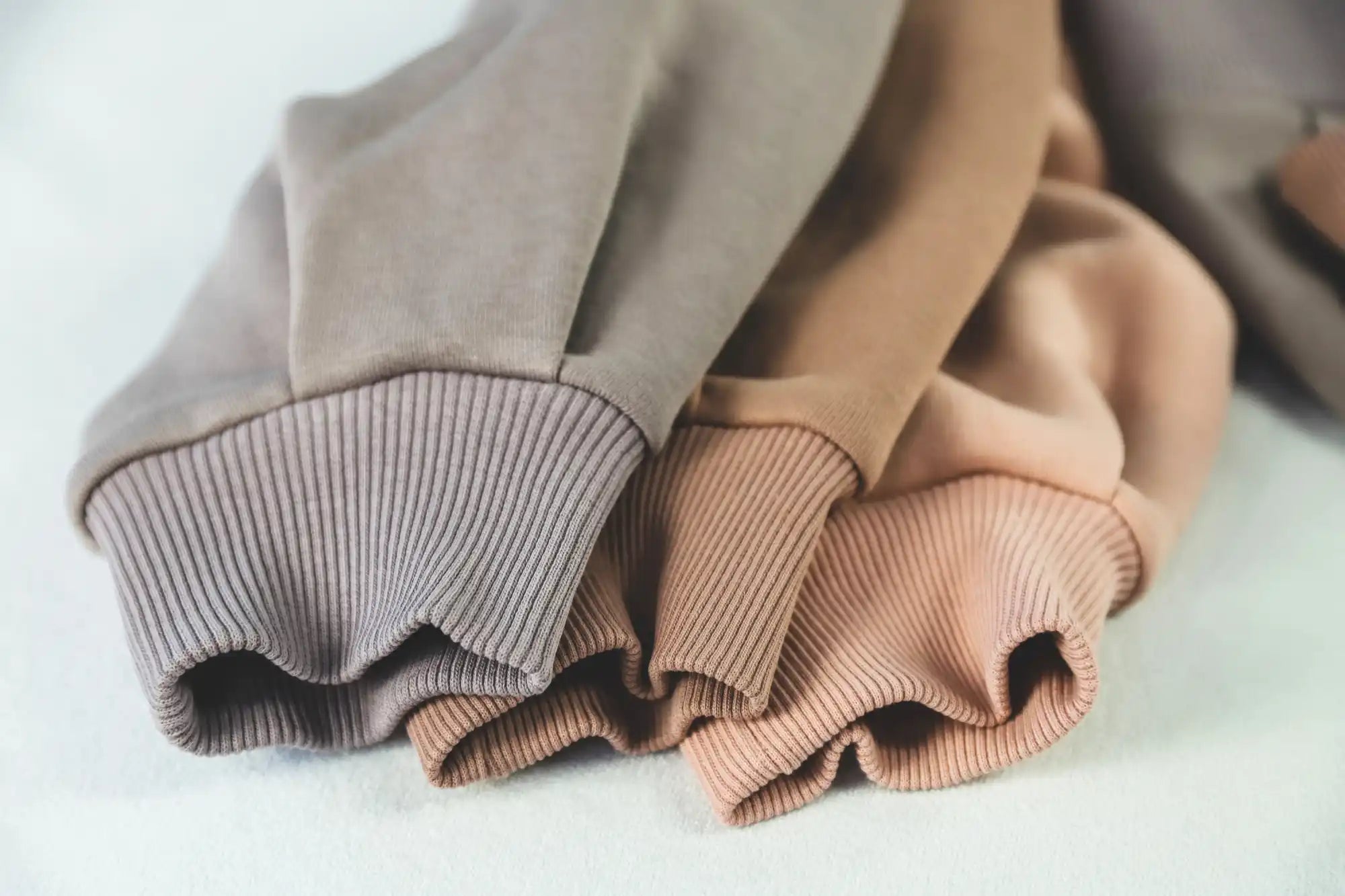
Materials & Fabrics for Clothing Production
Explore cotton, French terry, jersey, fleece, and sustainable blends used in premium apparel manufacturing.
Explore Premium Apparel Fabrics Guide
Printing Techniques for Apparel Production
Screen printing, embroidery, puff prints, and digital methods for custom clothing manufacturing.
Explore Custom Apparel Printing Techniques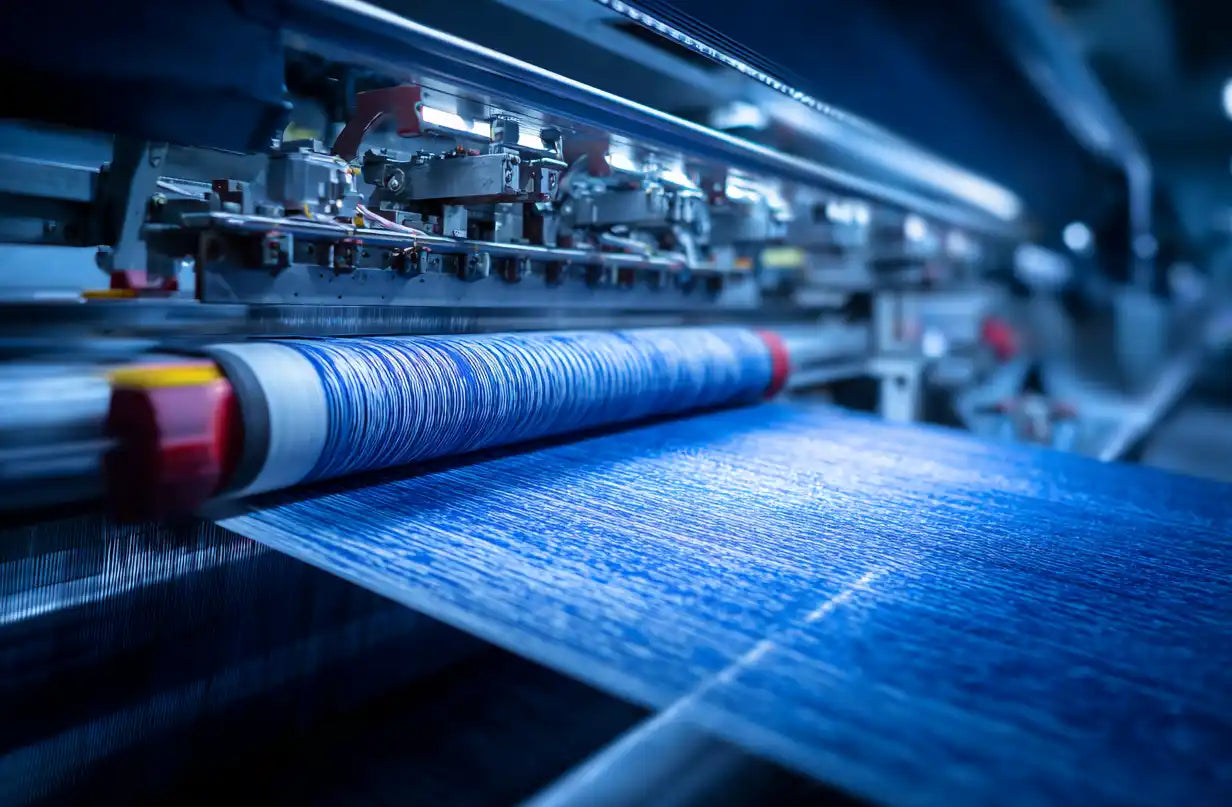
Dyeing Techniques in Clothing Manufacturing
Garment dye, pigment, acid wash, and stone wash finishes that create unique apparel designs.
Compare Apparel Finishing Techniques
Popular Clothing Items for Custom Apparel
Hoodies, joggers, t-shirts, leggings, and biker shorts — essentials for every apparel collection.
Explore Popular Custom Clothing Items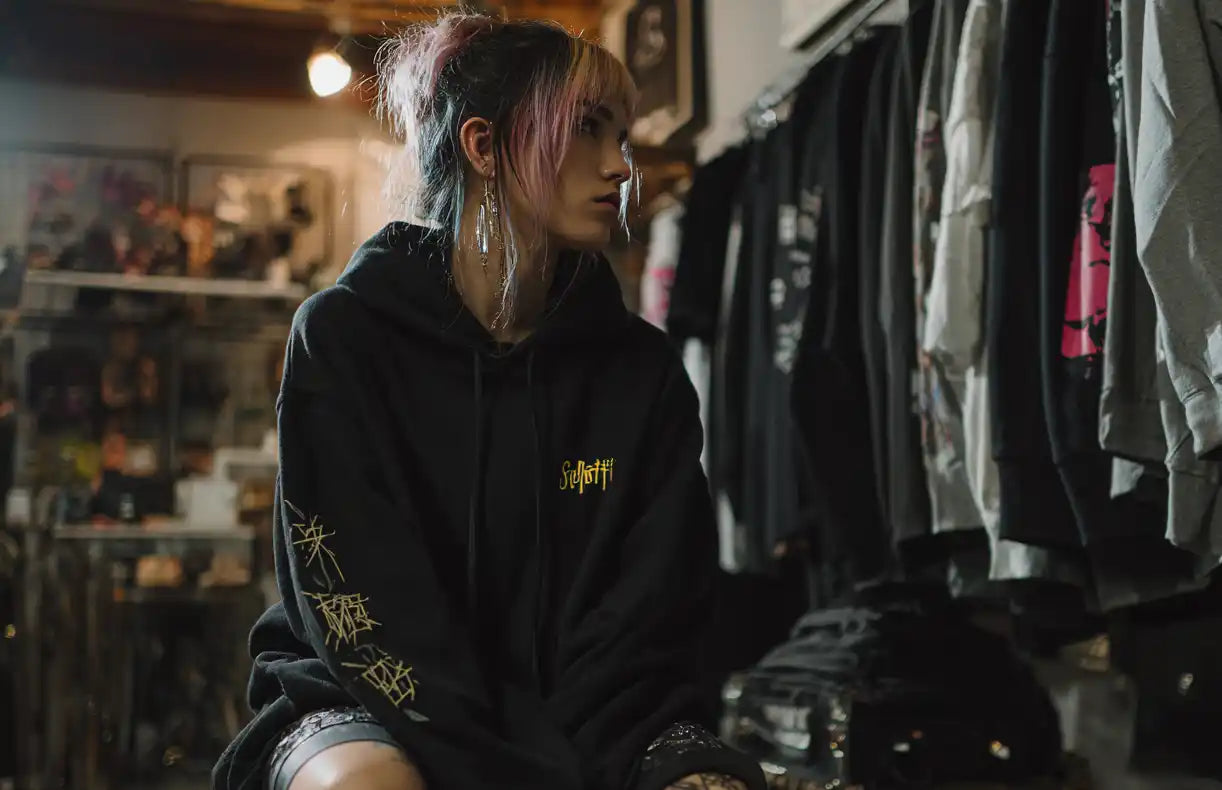
Trends & Designs in Modern Apparel
Oversized fits, streetwear influences, and activewear styles driving custom clothing production.
Explore Trends & Designs for Apparel Development
Sustainable & Ethical Clothing Production
OEKO-TEX® certified fabrics, organic cotton, and ethical apparel manufacturing in Portugal.
Understand Sustainable & Ethical Clothing Production
Essentials for Custom Clothing Production
Custom labels, packaging, and trims that elevate your apparel brand in production.
Explore Essentials for Custom Clothing Production
Resources for Custom Clothing Production
Startup guides, logistics support, and scaling strategies for apparel brands and wholesale clients.
Explore Resources for Custom Clothing Production
Clothing Manufacturing Glossary
Explore a complete glossary of clothing and garment manufacturing terms
The Complete Clothing Manufacturing Glossary
The Best Clothing Manufacturers
Explore global clothing manufacturers by country
Explore The Best Clothing Manufacturers
The Latest Clothing Industry Updates in 2025
Discover the latest news about important topics in the clothing industry in 2025,
Stay On Top Of Clothing Industry Updates
Worldwide Best Manufacturers of Clothes in 2026
Top clothing manufacturers worldwide organized by product type
Find The Worldwide Best Manufacturers of Clothes