Polyester remains one of the most important fabrics in global clothing production. Known for its durability, wrinkle resistance, and quick-drying behavior, polyester continues to adapt to modern sustainability goals. In 2025, recycled polyester (rPET) and innovative synthetic blends are helping brands meet both performance and environmental standards.
What Is Polyester?
Polyester is a synthetic fiber made from polyethylene terephthalate (PET). It’s lightweight, flexible, and resistant to shrinking or stretching. Its ability to imitate the softness of natural fibers while maintaining shape and resilience makes it a key material in apparel production.
According to the Textile Exchange 2025 Materials Market Report, polyester accounted for nearly 59% of all global fiber production in 2024, equating to over 78 million tonnes. Its widespread use spans from athleisure and sportswear to outerwear and uniforms.
Why Polyester Dominates Clothing Production
Durability and Shape Retention
Polyester fibers have high tensile strength and abrasion resistance. Garments keep their form and color even after many washes, making polyester ideal for performance wear and everyday apparel.
Wrinkle Resistance and Easy Care
The fiber’s elastic memory prevents creasing and helps it recover its shape naturally. For consumers, this means less ironing and lower maintenance; for brands, it improves shelf appeal and reduces packaging issues.
Quick-Drying and Moisture-Wicking
With a moisture absorption rate of around 0.4%, polyester dries much faster than cotton. It easily incorporates moisture-wicking finishes—essential for activewear, outdoor wear, and sports uniforms.
Blending Versatility
Polyester blends easily with cotton, wool, viscose, and spandex. These combinations enhance comfort, stretch, and softness while maintaining shape retention and durability.
The Rise of Recycled Polyester (rPET)
Recycled polyester (rPET) is made from post-consumer PET bottles or textile waste. It retains nearly the same strength and performance as virgin polyester while reducing carbon emissions and plastic waste.
Market Snapshot
By 2025, global production of rPET exceeded 9 million tonnes, or about 12% of total polyester output. However, virgin polyester continues to grow faster, making brand commitments to rPET critical for long-term sustainability.
Environmental Benefits
- Reduces virgin oil dependency and landfill waste.
- Cuts CO₂ emissions by up to 45% per kilogram of fiber (Higg MSI 2024).
- Supports circular economy initiatives via textile-to-textile recycling.
Comparison: Virgin vs. Recycled Polyester
| Property | Virgin Polyester | Recycled Polyester (rPET) |
|---|---|---|
| Feedstock | Petrochemical (oil-based) | Recycled PET bottles / textile waste |
| CO₂ Impact | Higher emissions | Up to 45% reduction |
| Durability | Highly consistent | Slight variation by source |
| Cost | Lower | 10–20% higher |
| Microfiber Shedding | Moderate | Similar (depends on yarn quality) |
Polyester Blends in Apparel Manufacturing
Cotton–Polyester
Balances softness, breathability, and strength. Common in hoodies and t-shirts, it minimizes shrinkage and wrinkles. Learn more at Materials & Fabrics for Clothing Production.
Polyester–Spandex (Elastane)
Ideal for leggings, compression wear, and sports bras. This blend adds stretch and flexibility without compromising durability.
Polyester–Viscose or Wool
Used for suiting and outerwear, these blends improve drape, breathability, and longevity while remaining cost-effective.
Sustainability and Circular Innovation
Microfiber Shedding
Each wash can release up to 700,000 microfibers (European Parliament, 2024). Encourage consumers to use washing bags or filters that capture these fibers and prevent waterway pollution.
Closed-Loop Recycling and Chemical Depolymerization
New chemical recycling methods allow polyester to be broken down into base monomers and reformed into new fibers. While currently under 1% of global textile output (SGS Circular Textiles Report 2025), this innovation represents a major step toward circular manufacturing.
Key Certifications and Standards
- Global Recycled Standard (GRS) – Verifies recycled content and social/environmental responsibility.
- OEKO-TEX® Standard 100 – Confirms that textiles are free of harmful substances.
- bluesign® SYSTEM – Ensures sustainable chemical and resource management.
Applications Across Apparel Segments
Athleisure and Sportswear
Polyester-spandex fabrics dominate activewear due to their moisture control, stretch, and resilience. Ideal for high-movement designs like leggings and training tops.
Outdoor and Technical Wear
Polyester is water-resistant, UV-stable, and quick-drying, making it perfect for shells, mid-layers, and hiking gear.
Casualwear and Basics
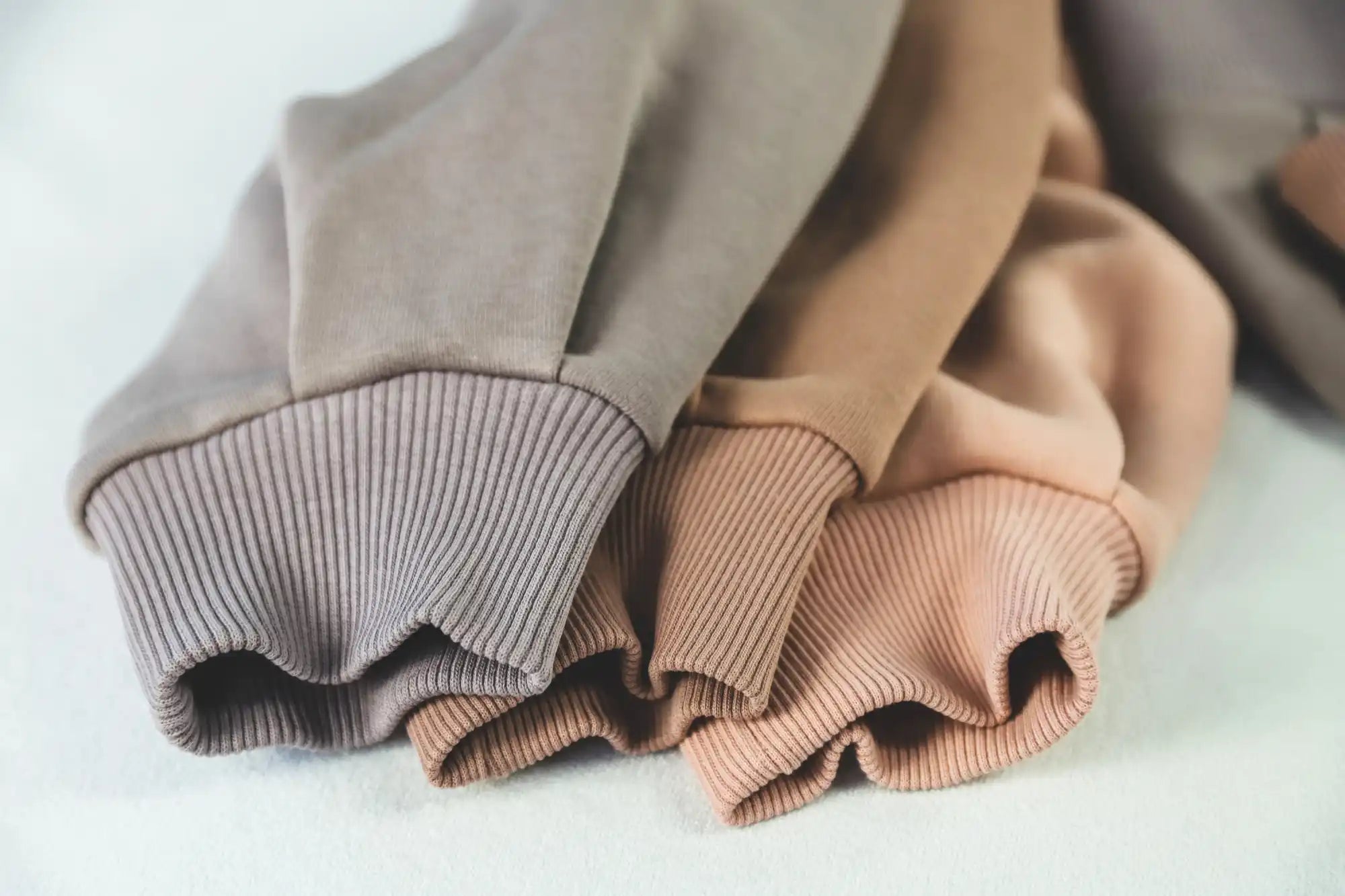
Cotton-poly fabrics combine softness and structure, commonly used in tees and hoodies. They reduce shrinkage and extend garment life.
Fashion and Smart Textiles
In 2025, polyester is increasingly used in smart fabrics with built-in sensors, odor control, or UV protection, merging performance with sustainability.
Care and Maintenance
- Wash in cold or warm water on gentle cycles.
- Use low tumble or air drying to preserve fiber strength.
- Avoid softeners on moisture-wicking fabrics.
- Encourage take-back programs for garment recycling.
Frequently Asked Questions
Certification and Standards
Which certifications are essential for recycled polyester?
GRS confirms traceable recycled content; OEKO-TEX® ensures safety for skin contact; bluesign® validates environmentally safe production practices.
Can fabrics hold multiple certifications?
Yes. Many textile mills maintain multiple certifications to satisfy brand, legal, and sustainability requirements across markets.
How can I verify certification claims?
Always request official transaction certificates (TCs) and verify their authenticity through certification databases.
Sourcing and Production
Where is polyester produced?
China, India, and Vietnam dominate production, with new recycling facilities expanding in Europe and North America.
Why is rPET more expensive?
Sorting and cleaning recycled feedstock, along with certification costs, make rPET about 10–20% pricier than virgin polyester.
How can brands reduce environmental impact?
Source from certified suppliers, invest in closed-loop systems, and implement energy- and water-efficient dyeing processes.
Materials and Care
Does polyester retain performance over time?
Yes. High-quality polyester maintains its structure and color through 100+ washes when properly finished.
Is polyester comfortable for daily use?
Modern finishes and blends enhance softness and breathability, making it suitable for everyday wear.
Can polyester garments be recycled?
Yes, particularly if made from mono-material polyester. Many brands now offer textile recycling or take-back programs.
The Future of Polyester
Polyester’s evolution continues through circular design, smart blends, and traceable sourcing. As sustainability regulations tighten, brands that adopt verified recycled fibers and closed-loop systems will lead the future of responsible apparel manufacturing.
Written by Leah Moreno, Lead Materials Scientist at AthleisureBasics, specializing in sustainable textile innovation and fiber sourcing.
If your brand plans to develop collections using certified fabrics, connect with our team to explore available materials and production options: Request Form.