
Puff Print for Apparel Brands: Texture, Process & Use Cases
As apparel branding moves beyond flat graphics, tactile surface treatments have become a defining factor in perceived quality. Puff print is one of the most widely adopted specialty techniques for adding dimension to custom made hoodies, custom t shirts, and branded sweatshirts without altering garment construction.
This guide explains puff print from a production and sourcing perspective. It covers how the process works, where it performs best, how it compares to other print methods, and which mistakes apparel brands must avoid when scaling production.
Quick Puff Print Specifications
| Specification | Details |
|---|---|
| Optimal Fabric | 100% cotton or high-cotton blends |
| Durability | 40–50+ washes when cured correctly |
| Maximum Height | Approximately 1–2 mm |
| Best For | Bold logos, typography, minimal graphics |
What Is Puff Print?
Puff print is a specialty screen printing technique that uses a heat-reactive additive mixed into plastisol ink. When exposed to curing temperatures, the additive expands, creating a raised, three-dimensional texture on the garment surface.
Unlike embroidery or sewn embellishments, puff print does not change garment construction. The dimensional effect is achieved entirely during the printing and curing stages, making it suitable for scalable apparel production.
How Puff Print Works
The process begins by mixing a puff additive into plastisol ink at a controlled ratio. This ink is applied through screen printing using thicker stencils than standard flat prints.
During curing—typically between 160–170°C—the additive reacts to heat and expands upward. Precise temperature control is essential, as under-curing limits expansion while over-curing can cause collapse or brittleness.
Why Apparel Brands Use Puff Print
Puff print delivers tactile differentiation while remaining compatible with existing screen printing infrastructure. For brands, this means higher perceived value without the labor intensity of embroidery or applique.
- Adds depth and texture to branding
- Maintains flexibility and comfort
- Scales efficiently for mid-to-high volumes
- Costs less than embroidery for large placements
Puff Print vs. Flat Screen Printing
| Factor | Puff Print | Flat Screen Printing |
|---|---|---|
| Surface Texture | Raised, tactile | Flat |
| Visual Impact | High | Moderate |
| Design Complexity | Simple, bold | Highly detailed |
| Best Use | Logos, typography | Illustrations, fills |
Best Garments and Fabrics for Puff Print
Puff print performs best on stable, mid-to-heavyweight fabrics that can support ink expansion without distortion. Fabric selection plays a critical role in durability and visual clarity.
- Custom made hoodies with fleece or brushed interiors
- Sweatshirts with firm knit structures
- Custom t shirts made from heavyweight cotton jerseys
- Low-stretch garments with consistent GSM
Suitable blank options can be reviewed here: Blank Athleisure Wear
Puff Print on Custom Made Hoodies
Hoodies are the most forgiving and popular canvas for puff print. Their thickness allows the ink to expand fully without compromising drape or comfort.
How Puff Print Works on Hoodies
Ink is applied to the hoodie panel before final curing. The fleece-backed fabric absorbs heat evenly, allowing controlled expansion.
Most brands limit puff print to chest logos or sleeve branding to preserve clarity. Oversized graphics can cause uneven rise or edge softening.
For hoodie construction considerations, see: Customize Hoodies Guide
Puff Print on Custom T-Shirts
Puff print can be applied to custom t shirts, but fabric selection is more critical. Lightweight or high-stretch knits may warp during curing.
How Puff Print Works on T-Shirts
Heavier cotton jerseys distribute heat more evenly, allowing controlled expansion. Designs are typically smaller to prevent distortion.
For common garment categories, review: Popular Clothing Items
Puff Print vs. Heat Transfer Printing
Puff print becomes part of the garment through ink curing, while heat transfers remain a bonded surface layer. This difference affects durability and long-term wear.
Heat transfers suit short runs or complex artwork. Puff print is preferred for branded apparel intended for frequent washing and extended use.
Compliance, Ink Safety, and Sustainability
Modern puff print production commonly uses phthalate-free plastisol inks that meet US and EU compliance standards. Many suppliers align with internationally recognized frameworks such as OEKO-TEX® and initiatives supported by Textile Exchange.
Brands focused on ethical sourcing should ensure puff print aligns with broader sustainability programs: Sustainability & Ethics
Common Mistakes to Avoid
- Using lightweight or unstable fabrics
- Over-designing with thin lines or excessive detail
- Inconsistent curing temperatures
- Skipping expansion testing before bulk runs
- Color migration: printing light-colored puff ink on dark polyester without a blocker base can cause dye migration, permanently discoloring the print
FAQs About Certification & Standards
Is puff print compliant with US and EU regulations?
Yes. When phthalate-free plastisol inks are used and cured correctly, puff print complies with current US and EU chemical regulations. Manufacturers must still verify ink documentation and batch compliance.
Does puff print affect wash durability certifications?
Properly cured puff print maintains durability comparable to standard plastisol prints. Inadequate curing is the most common cause of wash failure.
Can puff print be used in audited production facilities?
Yes. Puff print is compatible with audited and certified facilities when compliant inks and documented processes are used.
FAQs About Sourcing & Production
Is puff print suitable for low MOQ production?
It can be, but setup and testing costs may increase per-unit pricing at very low volumes. Mid-to-high volume runs are generally more cost-efficient.
Does puff print increase lead times?
Sampling may take longer due to curing calibration. Once approved, bulk production timelines are similar to standard screen printing.
Can puff print be combined with other embellishments?
Yes. Puff print is often paired with embroidery or flat screen printing for layered branding. Each technique must be tested together to ensure compatibility.
FAQs About Materials & Care
How should puff-printed garments be washed?
Cold washing and low tumble drying help preserve the raised texture. High heat can flatten the puff effect over time.
Does puff print crack or peel?
When properly cured, puff print resists cracking and peeling. Failures usually indicate under-curing or poor ink formulation.
Can puff-printed garments be ironed?
Direct ironing should be avoided. Garments should be turned inside-out if ironing is required.
Author: Written by the AthleisureBasics Product Development Team, specializing in technical garment decoration and ethical apparel sourcing for global streetwear brands.
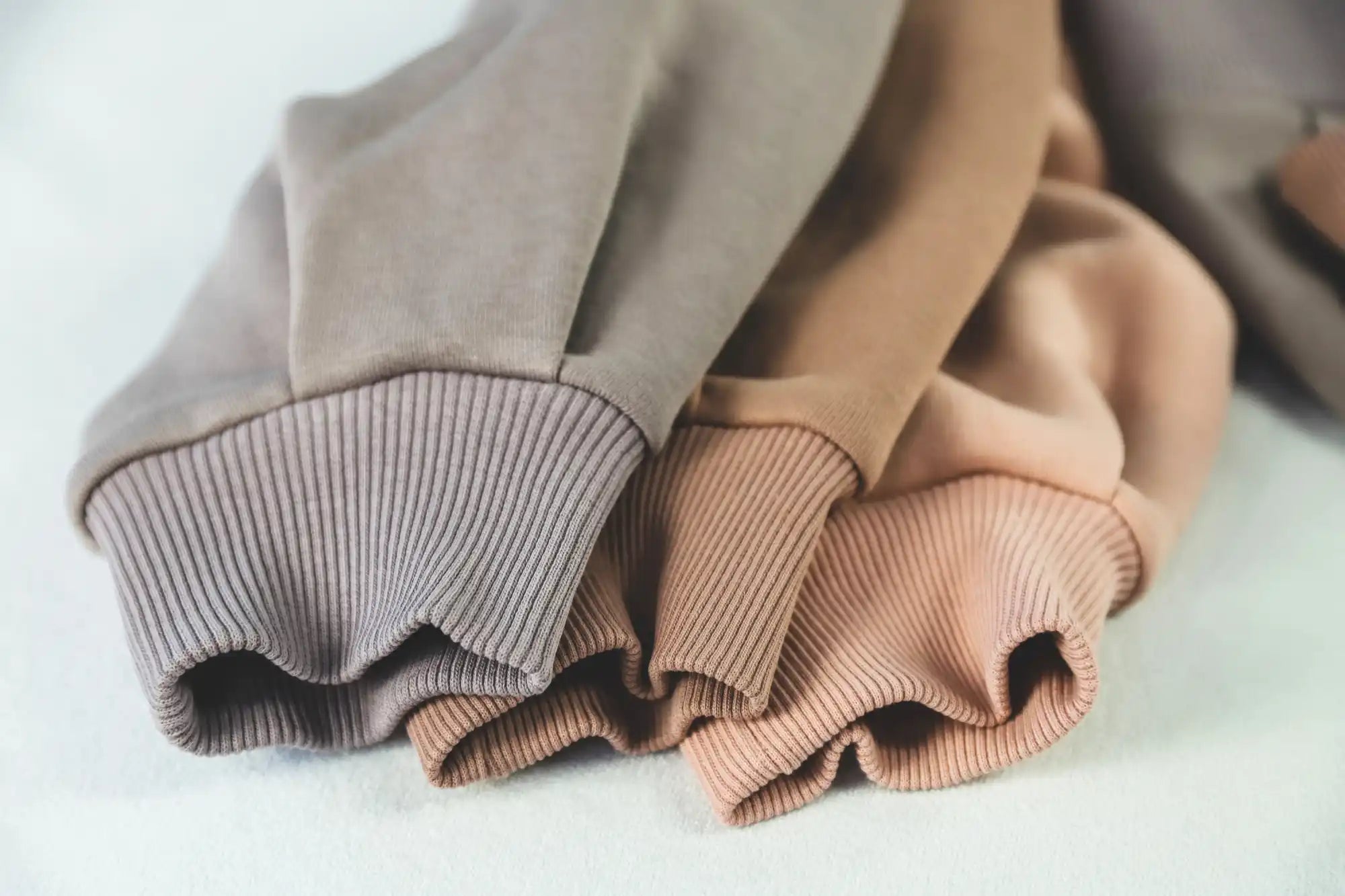
Materials & Fabrics for Clothing Production
Explore cotton, French terry, jersey, fleece, and sustainable blends used in premium apparel manufacturing.
Explore Premium Apparel Fabrics Guide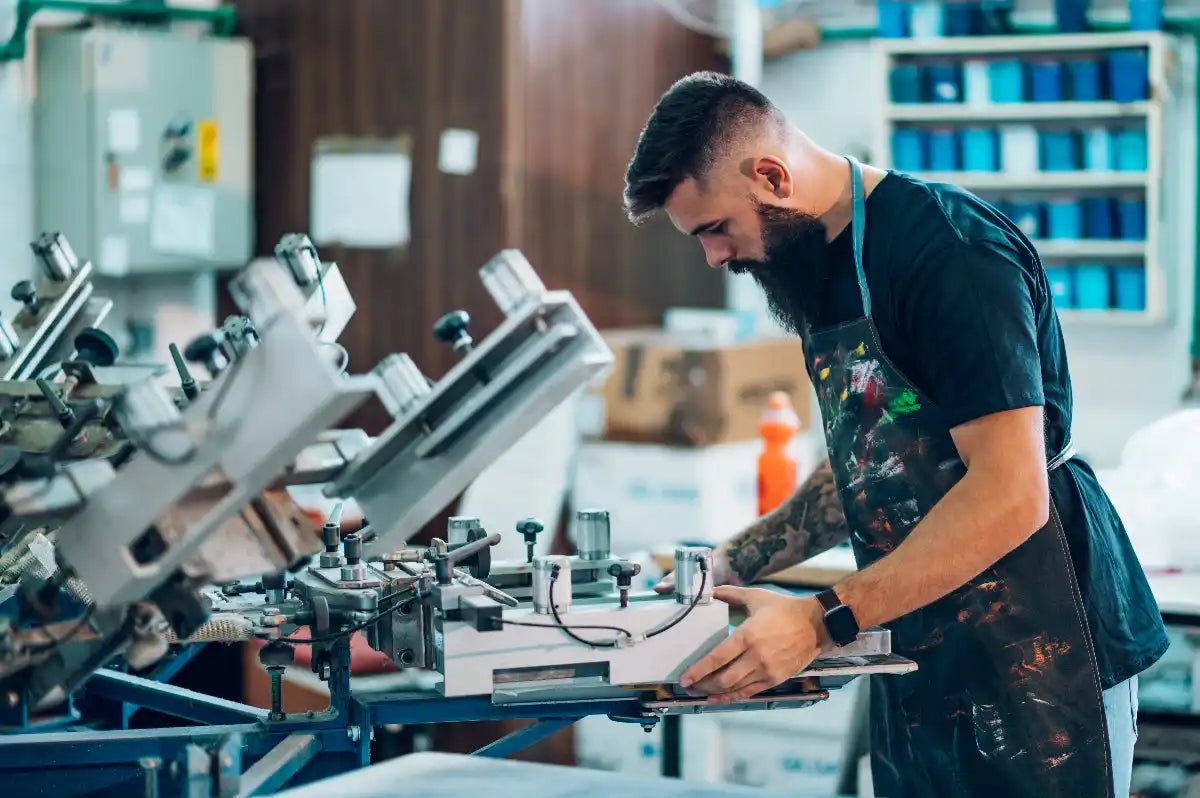
Printing Techniques for Apparel Production
Screen printing, embroidery, puff prints, and digital methods for custom clothing manufacturing.
Explore Custom Apparel Printing Techniques
Dyeing Techniques in Clothing Manufacturing
Garment dye, pigment, acid wash, and stone wash finishes that create unique apparel designs.
Compare Apparel Finishing Techniques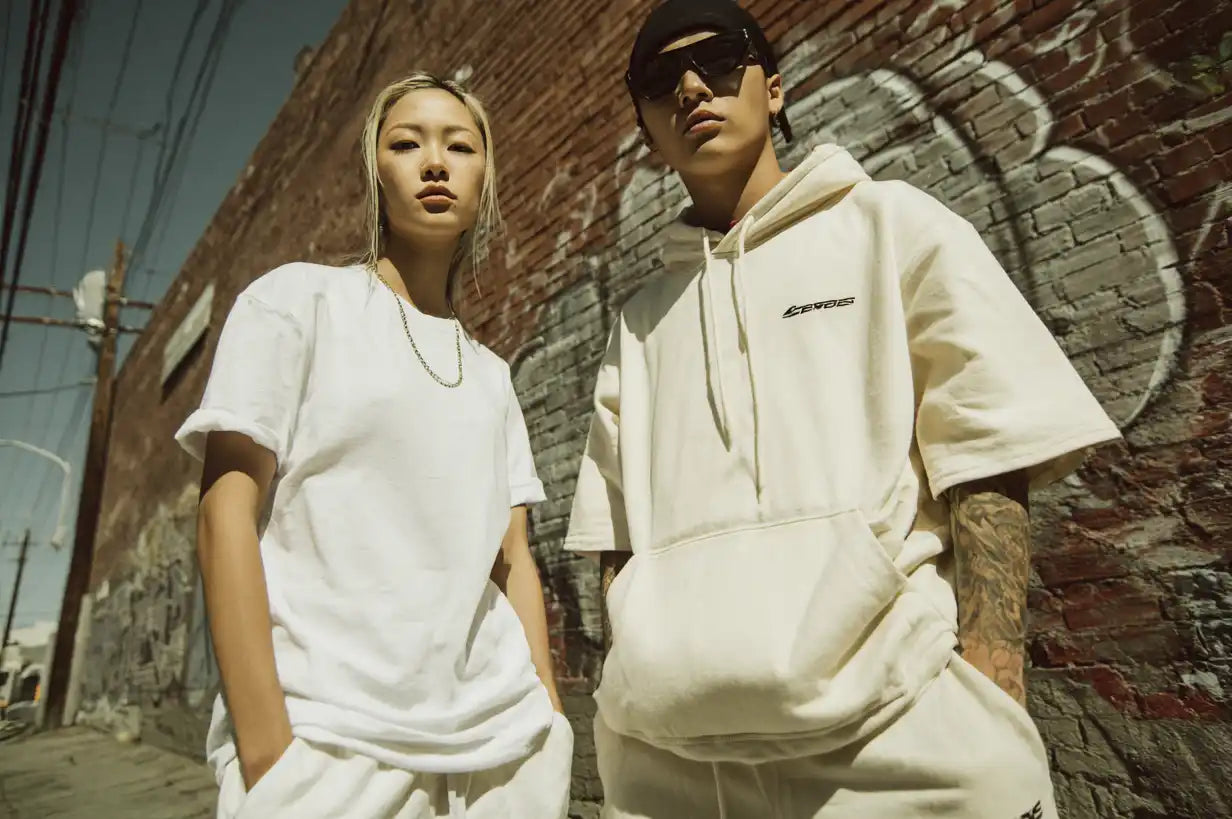
Popular Clothing Items for Custom Apparel
Hoodies, joggers, t-shirts, leggings, and biker shorts — essentials for every apparel collection.
Explore Popular Custom Clothing Items
Trends & Designs in Modern Apparel
Oversized fits, streetwear influences, and activewear styles driving custom clothing production.
Explore Trends & Designs for Apparel Development
Sustainable & Ethical Clothing Production
OEKO-TEX® certified fabrics, organic cotton, and ethical apparel manufacturing in Portugal.
Understand Sustainable & Ethical Clothing Production
Essentials for Custom Clothing Production
Custom labels, packaging, and trims that elevate your apparel brand in production.
Explore Essentials for Custom Clothing Production
Resources for Custom Clothing Production
Startup guides, logistics support, and scaling strategies for apparel brands and wholesale clients.
Explore Resources for Custom Clothing Production
Clothing Manufacturing Glossary
Explore a complete glossary of clothing and garment manufacturing terms
The Complete Clothing Manufacturing Glossary
The Best Clothing Manufacturers
Explore global clothing manufacturers by country
Explore The Best Clothing Manufacturers
The Latest Clothing Industry Updates in 2025
Discover the latest news about important topics in the clothing industry in 2025,
Stay On Top Of Clothing Industry Updates
Worldwide Best Manufacturers of Clothes in 2026
Top clothing manufacturers worldwide organized by product type
Find The Worldwide Best Manufacturers of Clothes