
Raw & Cut-and-Sewn Edges in Modern Apparel Design
Fashion trends increasingly favor visible construction and intentional imperfection. Raw and cut-and-sewn edges have emerged as a defining design detail across modern apparel development, influencing t-shirts, sweatshirts, hoodies, and athleisure tops. Rather than concealing hems and seams, designers expose them to create garments that feel architectural, authentic, and premium.
This design approach is now embedded in streetwear, minimalist collections, and elevated basics, including custom made hoodies, heavy oversized t-shirts, and drop-shoulder sweatshirts. For sourcing and production teams, raw-edge design is not cosmetic; it requires disciplined material selection, reinforcement strategy, and testing.
Raw & Cut-and-Sewn Edges as a Design Trend
Raw-edge finishing aligns with broader fashion movements toward deconstruction, oversized silhouettes, and relaxed fits. Consumers increasingly associate exposed seams and unfinished hems with craftsmanship rather than cost reduction.
In 2025, deconstructed apparel continues to grow within the global streetwear and athleisure segments, driven by demand for garments that feel less mass-produced and more expressive. Raw edges allow brands to refresh familiar silhouettes without re-engineering entire patterns.
What Are Raw and Cut-and-Sewn Edges?
Raw edges are hems or seams intentionally left unfinished after cutting. Cut-and-sewn edges describe garments assembled from shaped panels where exposed edges remain part of the final visual design.
Unlike distressed apparel, raw-edge garments rely on controlled construction. The edge behavior must remain stable through wear, washing, and commercial laundering cycles.
How Raw-Edge Construction Works in Apparel Production
Raw-edge garments begin with precision cutting using straight blades or laser cutting systems to control fiber exposure. Panels are assembled through cut-and-sew construction, with a stay-stitch or safety stitch placed approximately 1/8 inch from the edge to create a controlled stop point for fraying.
Factories conduct wash, tumble, and abrasion testing to observe fray expansion, fabric roll, and seam stress. This process ensures that edges evolve visually without compromising garment dimensions or durability.
Raw Edges vs Traditional Clean Finishes
| Aspect | Raw / Cut-and-Sewn Edges | Clean Finished Hems |
|---|---|---|
| Design Intent | Deconstructed, expressive | Minimal, uniform |
| Production Flow | Fewer finishing operations | Additional folding and hemming |
| Risk Profile | Edge roll, controlled fray | Bulk and seam rigidity |
Fabric Selection for Raw-Edge Apparel
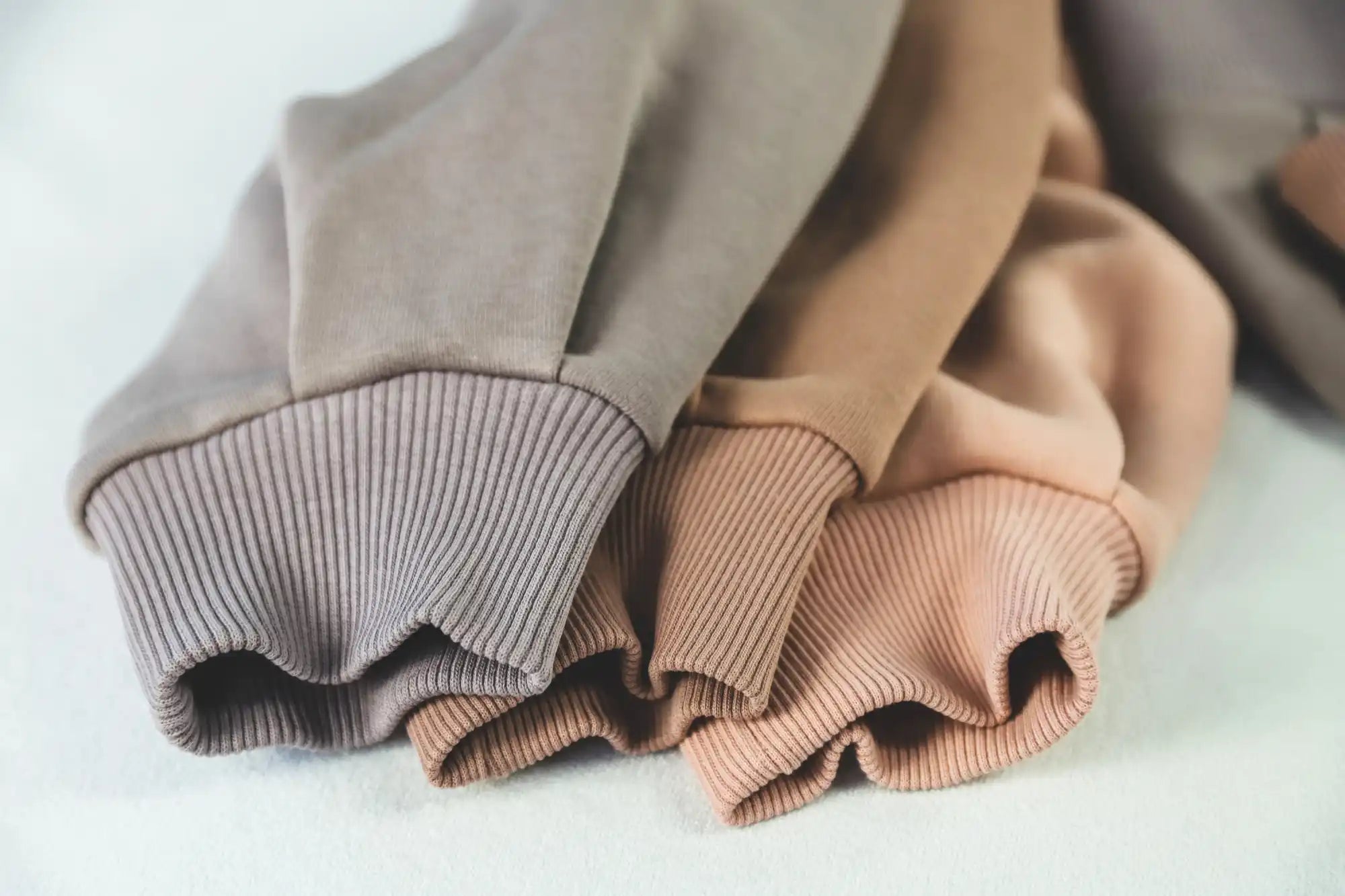
Fabric choice determines whether raw edges enhance or undermine a garment. Stable knits with moderate yarn twist perform best across t-shirts, sweatshirts, and athleisure styles.
- Combed cotton jersey (mid-to-heavy weight)
- French terry with tight loop structure
- Loopback fleece
- Cotton-modal and cotton-elastane blends
These fabrics resist uncontrolled unraveling while allowing edges to soften over time.
Decoration and Raw-Edge Design
Custom embroidery on sweatshirts
Embroidery remains compatible with raw-edge garments when stitch density and placement are engineered correctly. Designs are positioned away from edge stress zones to prevent puckering and seam distortion.
Stabilizers are selected based on fabric weight and stretch rather than edge style, preserving texture while ensuring stitch durability.
Printing Methods on Raw-Edge Garments
Printing processes must account for exposed fibers and edge movement during laundering.
Screen Printing vs DTG on Raw Edges
Screen printing performs more reliably on raw-edge garments because inks sit on the fabric surface with higher edge tension. DTG inks penetrate deeper into fibers, which can lead to ink bleed near unfinished edges where fiber ends are exposed.
Raw Edges in Custom Apparel Development
Brands developing private-label collections or wholesale runs increasingly use raw hems to elevate core items such as custom t shirts, sweatshirts, and hoodies. This approach refreshes silhouettes while maintaining production efficiency.
When brands customize a hoodie or t-shirt program, factories may reinforce stress points invisibly to meet durability standards without altering the exterior design.
Compliance and Global Production Standards
Raw-edge construction does not exempt garments from regulatory requirements. Finished products must comply with CPSIA standards in the United States and REACH regulations in the European Union.
Guidance from the U.S. Consumer Product Safety Commission and the European Chemicals Agency confirms that fiber shedding and edge stability are evaluated through testing, not visual appearance.
Common Mistakes to Avoid
- Using loosely knit fabrics that over-fray
- Skipping wash testing before bulk production
- Placing embroidery too close to raw hems
- Failing to account for roll-back, where jersey edges curl after washing and shorten perceived garment length
- Assuming raw edges eliminate all finishing costs
FAQs About Certification & Standards
Are raw-edge garments compliant with CPSIA?
Yes. Compliance depends on labeling, fiber content, and safety testing, not finishing style.
Does REACH regulate raw hems?
REACH focuses on chemical substances used in production, not construction techniques.
Is additional testing required?
Wash and abrasion testing are strongly recommended for export and wholesale programs.
FAQs About Sourcing & Production
Do raw edges reduce production costs?
They may reduce hemming labor but often increase sampling and quality control requirements.
Can raw-edge garments scale?
Yes, when cutting tolerances and reinforcement methods are standardized.
Are raw edges suitable for all brands?
They are best aligned with lifestyle, streetwear, and athleisure categories.
FAQs About Materials & Care
Do raw edges unravel over time?
Proper fabric selection and stay-stitching prevent uncontrolled unraveling.
How should consumers wash raw-edge garments?
Cold washing and low-heat drying help preserve edge appearance.
Does shrinkage differ with raw hems?
Shrinkage is driven by fabric treatment, not edge style.
If your brand plans to develop new collections using certified fabrics and scalable production methods, reach out to our team via the request form to discuss availability and production options. Request a quote.
Materials & Fabrics for Clothing Production
Explore cotton, French terry, jersey, fleece, and sustainable blends used in premium apparel manufacturing.
Explore Premium Apparel Fabrics Guide
Printing Techniques for Apparel Production
Screen printing, embroidery, puff prints, and digital methods for custom clothing manufacturing.
Explore Custom Apparel Printing Techniques
Dyeing Techniques in Clothing Manufacturing
Garment dye, pigment, acid wash, and stone wash finishes that create unique apparel designs.
Compare Apparel Finishing Techniques
Popular Clothing Items for Custom Apparel
Hoodies, joggers, t-shirts, leggings, and biker shorts — essentials for every apparel collection.
Explore Popular Custom Clothing Items
Trends & Designs in Modern Apparel
Oversized fits, streetwear influences, and activewear styles driving custom clothing production.
Explore Trends & Designs for Apparel Development
Sustainable & Ethical Clothing Production
OEKO-TEX® certified fabrics, organic cotton, and ethical apparel manufacturing in Portugal.
Understand Sustainable & Ethical Clothing Production
Essentials for Custom Clothing Production
Custom labels, packaging, and trims that elevate your apparel brand in production.
Explore Essentials for Custom Clothing Production
Resources for Custom Clothing Production
Startup guides, logistics support, and scaling strategies for apparel brands and wholesale clients.
Explore Resources for Custom Clothing Production
Clothing Manufacturing Glossary
Explore a complete glossary of clothing and garment manufacturing terms
The Complete Clothing Manufacturing Glossary
The Best Clothing Manufacturers
Explore global clothing manufacturers by country
Explore The Best Clothing Manufacturers
The Latest Clothing Industry Updates in 2025
Discover the latest news about important topics in the clothing industry in 2025,
Stay On Top Of Clothing Industry Updates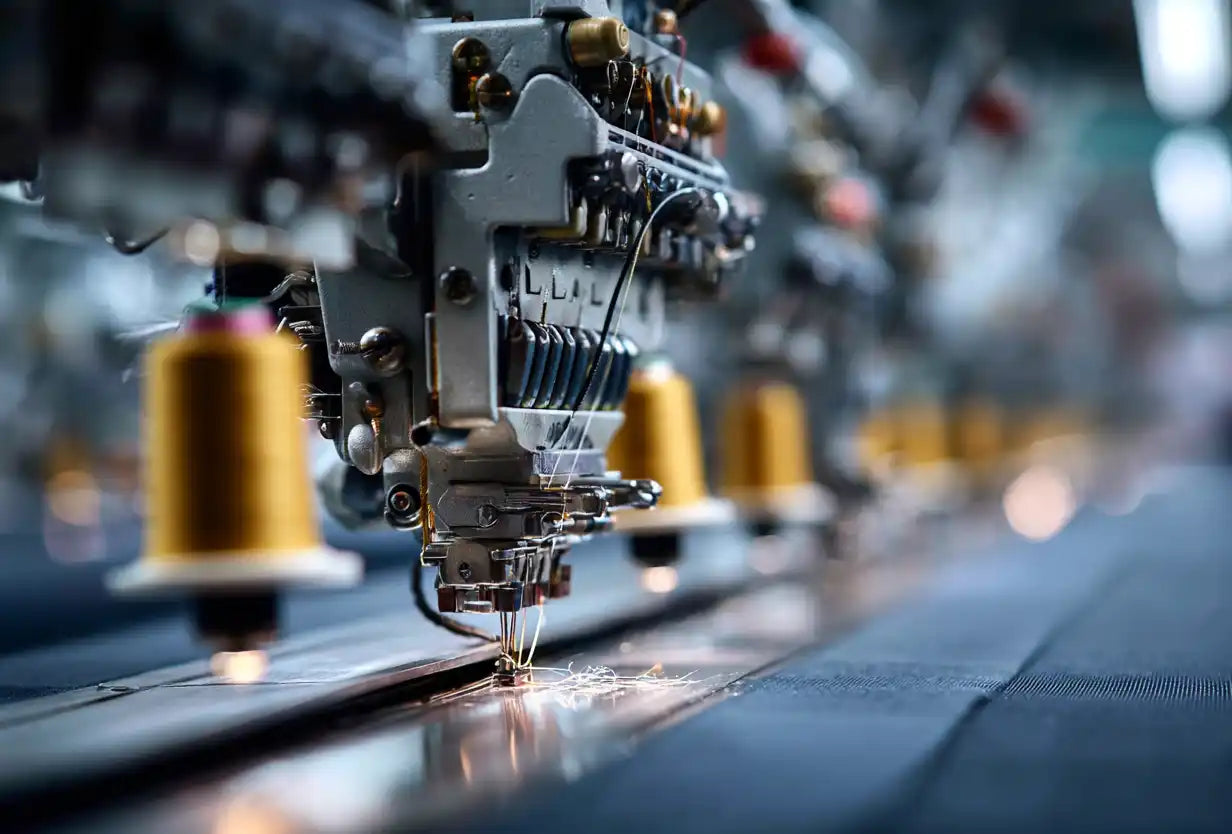
Worldwide Best Manufacturers of Clothes in 2026
Top clothing manufacturers worldwide organized by product type
Find The Worldwide Best Manufacturers of Clothes