Recycled nylon fabric is redefining what sustainability means in performance apparel. Derived from post-industrial waste and discarded fishing nets, this regenerated material offers the same durability, elasticity, and quick-drying performance as virgin nylon—while cutting resource use and pollution dramatically. In 2025, it has become one of the leading fibers driving the global shift toward circular fashion and responsible manufacturing.
This article explores how recycled nylon is made, how it performs, which certifications matter most, and how brands can successfully integrate it into their next collection. We’ll also share care recommendations, sourcing tips, and a call-to-action for apparel brands developing sustainable lines.
What Is Recycled Nylon Fabric?
Recycled nylon—also known as regenerated nylon or recycled polyamide—is a fiber produced from waste materials instead of new fossil resources. Feedstocks include pre-consumer scraps (factory trimmings, carpet waste) and post-consumer waste such as discarded fishing nets recovered from the ocean. These inputs are depolymerized and repolymerized into a high-quality nylon polymer ready for spinning into yarns and performance fabrics.
Featured definition (for search extract): Recycled nylon fabric is a sustainable material made by regenerating nylon polymers from discarded fishing nets, industrial scrap, and textile waste. It matches the strength and elasticity of virgin nylon while reducing carbon and waste impacts.
Why It Matters in 2025
- The global recycled nylon market is projected to grow at a 6.8% CAGR through 2030, fueled by fashion and activewear adoption.
- Regeneration processes can lower CO₂ emissions by up to 90% compared with virgin nylon production (Textile Exchange, 2024).
- Brands integrating recycled nylon meet sustainability KPIs without compromising fabric performance.
Key takeaway: Recycled nylon closes the loop on synthetic waste while maintaining the resilience, feel, and functionality designers expect from premium performance textiles.
Recycled Nylon vs. Virgin Nylon
| Attribute | Virgin Nylon | Recycled Nylon |
|---|---|---|
| Feedstock | Petrochemical (crude oil derivatives) | Post-industrial & post-consumer waste (fishing nets, carpets, scraps) |
| Mechanical Strength | High tensile and abrasion resistance | Comparable when high-grade regeneration is used |
| Carbon Footprint | High energy and fossil input | Up to 90% lower CO₂ emissions (Textile Exchange) |
| Certification Options | Standard textile quality testing only | GRS, RCS, and OEKO-TEX Standard 100 for recycled materials |
| Cost & Supply | Stable, established network | Slight premium; supply expanding in Asia & Europe |
Recycled nylon performs on par with virgin nylon but delivers measurable environmental gains—making it ideal for brands focused on sustainability and traceability.
2025 Market Insight: Supply Chain and Price Outlook
Analysts forecast continuous price stabilization through 2026 as large-scale regeneration facilities expand in Italy, India, and Taiwan. Brands can expect a moderate cost premium (5–10%) for certified yarns, offset by marketing and compliance benefits. As recycling infrastructure scales, sourcing transparency and chain-of-custody audits are now key differentiators for apparel manufacturers.
Certifications and Standards
Global Recycled Standard (GRS)
Administered by Textile Exchange, GRS verifies recycled content, chain of custody, and responsible social and chemical practices. A fabric must contain at least 50% recycled content to bear a GRS product label. For apparel brands, GRS ensures material authenticity and supply-chain integrity.
Recycled Claim Standard (RCS)
RCS focuses solely on verifying recycled content percentage from raw material to finished product. It’s simpler than GRS but does not audit environmental or labor practices. Many mills start with RCS certification before upgrading to full GRS compliance.
OEKO-TEX Standard 100 (Recycled Materials)
This certification tests for harmful substances and ensures chemical safety. For recycled materials, at least 20% of the main component must be recycled. It complements GRS/RCS by confirming the final textile is safe for skin contact and compliant with REACH chemical limits.
For a deeper breakdown of material certifications and fabric sourcing, visit our Materials & Fabrics for Clothing Production guide.
How Recycled Nylon Is Made
- Collection: Fishing nets, industrial scraps, and carpet fibers are gathered and sorted.
- Cleaning: Waste materials are washed and stripped of contaminants.
- Regeneration: Through chemical depolymerization, waste nylon is converted back into monomers.
- Repolymerization: Monomers are re-formed into high-purity nylon chips.
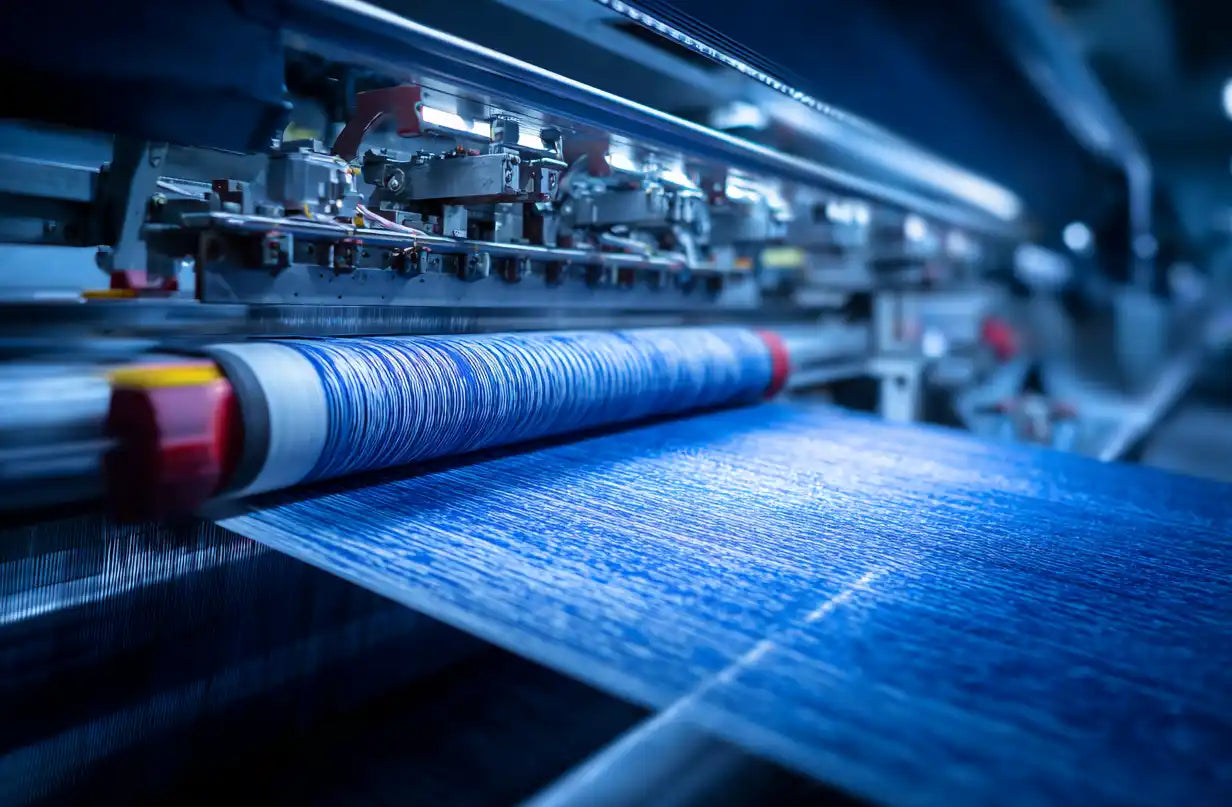
- Spinning & Finishing: The chips are melted, extruded, and texturized into yarns used in knits and wovens.
One notable technology is ECONYL® by Aquafil, which regenerates nylon 6 from ocean and landfill waste into virgin-quality yarns used by leading activewear and swimwear brands.
Practical Applications in Apparel
- Activewear: High-stretch leggings, compression wear, outer layers.
- Swimwear: Chlorine-resistant fabrics made from 100% regenerated nylon.
- Outdoor Gear: Lightweight, abrasion-resistant shell materials.
- Accessories: Backpacks and bags requiring durable synthetic fibers.
Because performance is comparable to virgin nylon, product developers can transition with minimal design or process changes.
Specification Checklist for Brands
- Confirm certified yarn source (GRS/RCS) and documentation.
- Target minimum recycled content: 50%–100%.
- Verify fabric tensile strength and abrasion resistance meet product specs.
- Request supplier testing data or third-party lab verification.
- Audit dyeing/finishing compatibility and factory readiness.
- Plan for lead-time and MOQ adjustments (recycled supply may vary).
Fabric Care and Longevity
Recycled nylon garments require the same care as standard nylon:
- Machine wash cold with mild detergent.
- Avoid bleach or fabric softeners.
- Tumble dry low or hang dry.
- Minimize UV exposure to prevent degradation.
Proper care extends garment life and maximizes the sustainability impact of recycled materials.
FAQs About Certification and Standards
What does GRS certification guarantee?
It confirms that recycled nylon meets strict criteria for content verification, responsible processing, and social and environmental compliance. Every stage—from waste collection to yarn spinning—is independently audited under the Textile Exchange framework.
Is RCS certification enough for marketing claims?
RCS validates the recycled content percentage but does not verify chemical or social practices. For full transparency, many brands use RCS for entry-level materials and GRS for flagship sustainable collections.
Do OEKO-TEX-certified recycled nylons meet REACH standards?
Yes. OEKO-TEX testing aligns with REACH and global restricted substance lists, ensuring product safety across markets.
FAQs About Sourcing and Production
Where is most recycled nylon produced?
Production hubs include Italy (Aquafil), China, India, and Taiwan, where advanced depolymerization facilities operate close to textile manufacturing bases.
How does sourcing recycled nylon affect costs?
Expect a small cost premium (5–10%) compared with virgin nylon, depending on certification and order volume. The marketing and sustainability value typically offset these costs.
What supply challenges exist in 2025?
Limited feedstock availability and certification bottlenecks remain key constraints. Forward planning with certified mills ensures consistent quality and delivery.
FAQs About Materials and Care
Does recycled nylon perform like virgin nylon?
Yes—modern regeneration processes restore polymer chains to near-virgin quality. Recycled nylon matches strength, stretch, and durability when sourced from verified suppliers.
Can garments made from recycled nylon be recycled again?
In principle, yes. Monomer regeneration allows closed-loop recycling if fabrics are collected and processed correctly. Designing for disassembly supports future recyclability.
How can brands communicate recycled content honestly?
Use clear, certified claims such as “Fabric made with 70% GRS-certified recycled nylon.” Avoid unverified phrases like “eco nylon.” Certification builds credibility and consumer trust.
Why Brands Are Choosing Recycled Nylon
- Aligns with global sustainability goals and circular fashion mandates.
- Meets rising consumer demand for traceable, low-impact materials.
- Provides high-performance technical characteristics essential for activewear and outerwear.
- Strengthens ESG reporting and compliance under 2025 textile transparency laws.
Conclusion
Recycled nylon fabric represents the convergence of innovation, responsibility, and performance. For apparel developers, it offers a practical route to reduce environmental impact without compromising design or durability. As supply chains mature, adopting certified recycled nylon now positions your brand for the next decade of sustainable growth.
If your brand is planning new collections using certified recycled nylon fabrics, connect with our team to explore availability, specification, and production options via the AthleisureBasics Request Form.
Written by Dr. Anya Sharma, Textile Engineer and Sustainability Auditor specializing in circular materials and certification compliance.