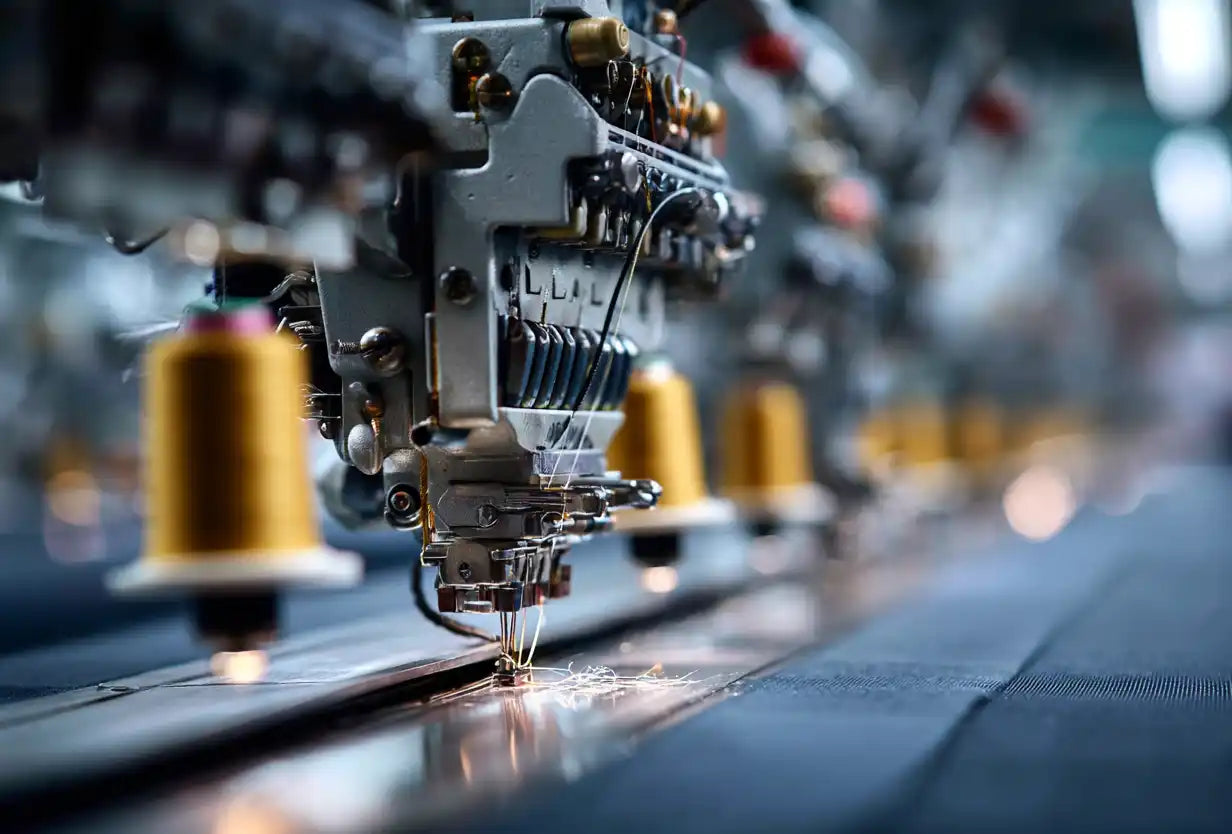
Recycled polyester (rPET) is reshaping the global apparel industry as brands push toward circular design, transparency, and reduced fossil-fuel dependence. In Europe, Portugal stands out as a leading hub for sustainable and ethical manufacturing, combining modern textile engineering with responsible production standards. This article explores how recycled polyester is made, the certifications that verify its integrity, and why Portugal offers a unique advantage for apparel developers pursuing sustainable collections.
What Is Recycled Polyester (rPET)?
Recycled polyester is a synthetic fiber produced from post-consumer or post-industrial waste—commonly plastic bottles, textile scraps, or ocean-bound plastics. Instead of deriving from virgin petroleum, the polymer is remelted and re-spun into new yarns, significantly reducing environmental impact.
- Feedstocks: PET bottles, textile waste, ocean plastics
- Process types: Mechanical recycling (melting and re-spinning) and chemical recycling (molecular reconstruction)
According to the Textile Exchange, global recycled polyester production surpassed 17 million tons in 2024—representing around 15 percent of total polyester volume. Mechanical recycling remains dominant, but textile-to-textile innovation is expanding rapidly, especially within European markets.
Virgin vs. Recycled Polyester
| Feature | Virgin Polyester | Recycled Polyester (rPET) |
|---|---|---|
| Feedstock | Petroleum / fossil fuel | Post-consumer plastics, textile waste |
| Energy Use | High | Up to 45% lower |
| CO₂ Emissions | High | ≈ 30% less than virgin polyester |
| Cost | Lower baseline | Moderate premium (traceability, certification) |
| Recyclability | Limited | Part of circular system |
Why Portugal Leads in Recycled Polyester Apparel Manufacturing
Portugal has long been recognized for premium textile craftsmanship, ethical labor standards, and advanced production clusters in Braga, Porto, and Guimarães. Today, these strengths converge with circular manufacturing models, making Portugal a preferred sourcing base for brands seeking quality and sustainability.
Ethical and Sustainable Production Ecosystem
Portuguese manufacturers operate under strict EU labor and environmental laws, ensuring safe working conditions and transparent practices. Many hold BSCI or SA8000 certifications and integrate renewable energy into production lines. Learn more about our standards in Sustainability & Ethics in Custom Clothing Production.
Recycled Material Innovation
Portuguese mills increasingly produce GRS-certified rPET fabrics, ranging from lightweight jerseys to brushed fleece suitable for athleisure and sportswear. For example, several northern mills divert millions of PET bottles annually into high-quality yarns while maintaining European dyeing and finishing standards. Discover related sourcing insights in Materials & Fabrics for Clothing Production.
Near-Shore Advantage
- Shorter lead times (4–6 weeks vs. 10–14 weeks from Asia)
- Lower freight emissions and simplified logistics
- Proximity to EU fashion markets and easier quality control
- Access to small-batch production for startups and niche labels (see manufacturing guide)
Key Certifications and Standards
Verifying recycled-content claims is essential for transparency. The following certifications are most recognized globally:
Global Recycled Standard (GRS)
Developed by Textile Exchange, the Global Recycled Standard (GRS) ensures products contain verified recycled material, traceable through every supply-chain stage. It also assesses social and environmental practices in certified facilities.
OEKO-TEX® Standard 100
Confirms textiles are free from harmful substances. Many Portuguese mills combine OEKO-TEX certification with GRS to guarantee both safety and recycled content integrity.
Bluesign® System
Focuses on responsible chemical management, water conservation, and worker safety. Increasingly adopted by European dye houses using recycled polyester fabrics.
For further reading, see Made in Portugal Clothing: Premium Quality and Sustainable Fashion Production.
Sourcing and Production Workflow in Portugal
1. Define Your Fabric Brief
Start by specifying recycled content %, performance targets, GSM, and finishing (e.g., brushed fleece, moisture-wick knit). For activewear, many brands request ≥ 60 % rPET content and GRS + OEKO-TEX certification.
2. Select Certified Fabric Mills
Work with Portuguese mills offering transparent chain-of-custody documentation. Typical MOQ ranges between 100 – 300 m per color. Ensure lab tests for tensile strength, shrinkage, and colorfastness.
3. Partner with Ethical Garment Manufacturers
Portugal’s factories specialize in low-minimum, high-quality apparel production. Audit credentials (BSCI, SEDEX, or SA8000) confirm ethical standards. Many integrate solar power and water-recycling systems—aligning with eco-friendly manufacturing practices.
4. Sampling and Quality Assurance
- Develop fabric swatches and prototypes
- Perform tests on stretch recovery, pilling, and durability
- Validate fit and finish consistency
5. Production and Traceability
During bulk runs, ensure each batch includes a traceable lot number tied to recycled feedstock certification. Portuguese suppliers frequently use digital passports for transparency across the textile’s life cycle.
6. Packaging and Logistics
Opt for recycled or biodegradable packaging and consolidate shipments to reduce emissions. Portugal’s proximity to European ports simplifies distribution and lowers carbon footprint.
Case Example
A Scandinavian athleisure label sourced 240 gsm fleece (60 % rPET / 40 % organic cotton) from a northern Portuguese mill. Production at a BSCI-audited factory delivered 2,000 units within eight weeks. The brand achieved a 35 % reduction in transport-related CO₂ compared with its previous Asian supply chain.
Material Performance and Care
Material Advantages
- High durability and wrinkle resistance
- Moisture-wicking and fast-dry performance
- Reduced fossil-fuel input and up to 30 % lower carbon footprint
Performance Considerations
Feedstock purity directly affects yarn strength and hand-feel. Brands should perform standardized lab tests (ISO 12947 Martindale, ISO 6330 wash) to maintain quality parity with virgin polyester.
Care Recommendations
- Wash at ≤ 30 °C, inside-out
- Air-dry or tumble-dry low
- Avoid bleach or softeners
- Encourage garment recycling or resale programs
FAQs: Certifications and Standards
What is the purpose of the Global Recycled Standard?
It verifies recycled content and chain-of-custody across suppliers, ensuring that environmental and social criteria are met from raw material to finished garment.
Is OEKO-TEX® required for recycled polyester?
While GRS confirms recycled content, OEKO-TEX® ensures the fabric is free from harmful chemicals—making the two certifications complementary.
How does Bluesign® support sustainability?
Bluesign® minimizes chemical impact, optimizes resource use, and protects worker safety throughout dyeing and finishing, enhancing overall environmental compliance.
FAQs: Sourcing and Production
What are typical MOQs for rPET fabrics in Portugal?
Most mills accept minimums of 100 – 300 meters per color, making them accessible for both emerging and established labels.
Are lead times shorter than Asian production?
Yes. Sampling can take as little as 10 days and production 4 – 6 weeks, offering faster market entry and lower inventory risk.
How can brands verify supplier claims?
Request GRS certificates, test reports, and digital product passports. Reliable Portuguese partners provide transparent documentation on request.
FAQs: Materials and Care
Is recycled polyester as durable as virgin polyester?
High-grade mechanical or chemically recycled polyester can match virgin quality when sourced from controlled feedstocks and processed correctly.
Do garments made from rPET need special care?
No major differences, but cooler wash cycles and air drying extend lifespan and reduce microplastic shedding.
What happens at end-of-life?
Garments can be mechanically shredded or chemically depolymerized for reuse. Some Portuguese facilities participate in textile-to-textile pilot recycling programs supporting a closed-loop system.
Why Choose Portugal for Your Next Recycled Polyester Collection
Portugal combines technical expertise, ethical credibility, and circular manufacturing innovation. Producing recycled polyester apparel here reduces lead times, enhances traceability, and supports authentic sustainability storytelling. For a deeper overview of the country’s apparel infrastructure, see this guide on Made in Portugal clothing.
If your brand plans to develop new collections using certified fabrics, reach out to our team via the request form to discuss fabric availability and production options.