
Relaxed Fit Custom Apparel: Production & Fit Guide
Relaxed fit apparel has become a core silhouette across lifestyle, streetwear, and athleisure collections. For apparel brands, sourcing managers, and production teams, relaxed fit offers a balance between comfort, structure, and scalability that performs reliably across seasons and customer segments.
This guide explains how relaxed fit garments are defined, produced, customized, and certified in 2025. It focuses on practical decision-making for custom t shirts, custom made hoodies, and custom embroidery on sweatshirts, with production accuracy as the priority.
What Is a Relaxed Fit?
A relaxed fit is a garment silhouette that incorporates moderate ease beyond a standard fit without intentionally exaggerated volume. It provides additional room through the chest, waist, and body while maintaining proportional balance.
From a manufacturing perspective, relaxed fit garments follow conventional grading rules. This allows brands to maintain size consistency while delivering improved comfort and wearability.
Relaxed Fit vs Standard and Oversized Fits
| Fit Type | Ease Allowance | Production Complexity | Commercial Risk |
|---|---|---|---|
| Standard Fit | Minimal | Low | Medium |
| Relaxed Fit | Moderate | Low | Low |
| Oversized Fit | High | High | Higher |
Why Relaxed Fit Matters for Apparel Brands in 2025
Relaxed fit aligns with consumer demand for comfort-driven apparel that still appears intentional. It performs well across gender-neutral collections, lifestyle drops, and core replenishment programs.
Brands referencing current apparel development trends increasingly rely on relaxed fit silhouettes because they reduce fit disputes and simplify inventory planning.
View apparel trend insights for modern collections
Best Garments for Relaxed Fit Customization
Relaxed Fit Custom T-Shirts
Relaxed fit custom t shirts typically use midweight jersey fabrics between 180 and 240 GSM. The added ease improves drape without distorting print placement.
These silhouettes are ideal for branding programs, wholesale basics, and lifestyle collections requiring consistent repeat orders.
Explore blank athleisure wear suitable for relaxed fits
How to Customize a Hoodie with Relaxed Fit Specs
Relaxed fit hoodies provide additional chest and body ease while maintaining structured hems and cuffs. This balance supports layering and long-term wear.
Brands that customize a hoodie using relaxed fit specifications gain more reliable decoration results, especially for embroidery and chest prints.
Learn how to customize hoodies with production-ready specs
Fabric Selection for Relaxed Fit Apparel
Fabric weight and structure determine how a relaxed fit garment hangs and recovers after wear. Midweight fabrics are preferred for controlled drape.
GSM vs Drape Quality for Relaxed Silhouettes
| Fabric Type | Typical GSM | Drape Result |
|---|---|---|
| Cotton Jersey | 180–220 | Soft, fluid |
| French Terry | 240–320 | Structured, breathable |
| Brushed Fleece | 300–420 | Warm, substantial |
FAQs About Certification & Standards
Does relaxed fit affect certification requirements?
Relaxed fit does not change certification requirements because compliance is based on materials, dyes, and finishing processes rather than garment silhouette. Regulatory bodies evaluate chemical safety, fiber origin, and processing methods. Brands must ensure all components meet applicable standards regardless of fit type.
Is OEKO-TEX required for U.S. sales?
OEKO-TEX certification is not legally required in the United States. However, many retailers, corporate buyers, and institutional clients expect OEKO-TEX compliance as part of supplier qualification. It is often used to demonstrate chemical safety and risk mitigation.
Does embroidery impact certification status?
Embroidery can affect certification status if threads, stabilizers, or backing materials are not compliant. All decorative components must meet the same chemical safety requirements as the base fabric. Non-compliant embroidery materials can invalidate claims for the finished garment.
FAQs About Sourcing & Production
Is relaxed fit more expensive to manufacture?
Relaxed fit garments typically use slightly more fabric than standard fits, but labor and machine time remain similar. Overall cost differences are usually marginal. In many cases, reduced return rates offset the minor increase in material usage.
Does relaxed fit scale better across sizes?
Yes, relaxed fit silhouettes tolerate grading variation better than slim or fitted styles. This reduces the risk of size-related complaints across extended size ranges. It also simplifies bulk production planning.
Is relaxed fit suitable for private label programs?
Relaxed fit is widely used in private label and white-label programs because it appeals to broad demographics. The silhouette allows brands to maintain consistency across multiple production cycles. It also aligns well with long-term core assortments.
FAQs About Materials & Care
Do relaxed fit garments shrink more?
Shrinkage is determined by fabric processing and fiber composition, not garment fit. Pre-shrunk or enzyme-washed fabrics significantly reduce shrinkage risk. Proper care labeling further helps preserve fit integrity.
Are heavier fabrics better for relaxed fit?
Midweight fabrics generally perform best for relaxed fit silhouettes. Excessively heavy fabrics can reduce drape and create stiffness. Fabric selection should balance weight with flexibility and recovery.
Does embroidery affect wash care?
Embroidered garments require slightly more care to preserve stitching quality. Washing inside out and avoiding high heat drying helps maintain thread integrity. Proper backing selection also improves long-term durability.
If your brand plans to develop collections using relaxed fit silhouettes and scalable production methods, reach out through the request form to discuss availability and production options.
Request production details and availability
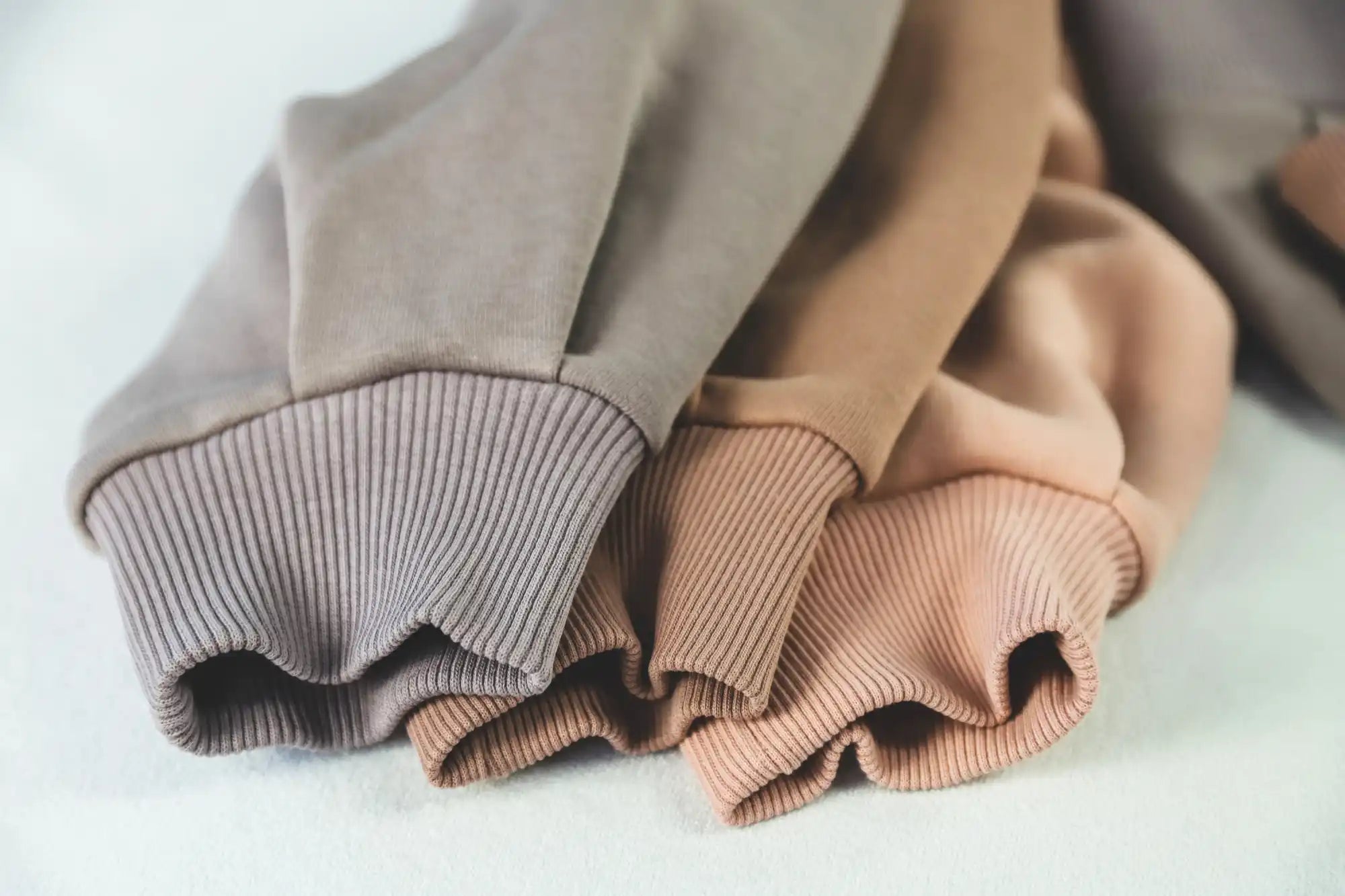
Materials & Fabrics for Clothing Production
Explore cotton, French terry, jersey, fleece, and sustainable blends used in premium apparel manufacturing.
Explore Premium Apparel Fabrics Guide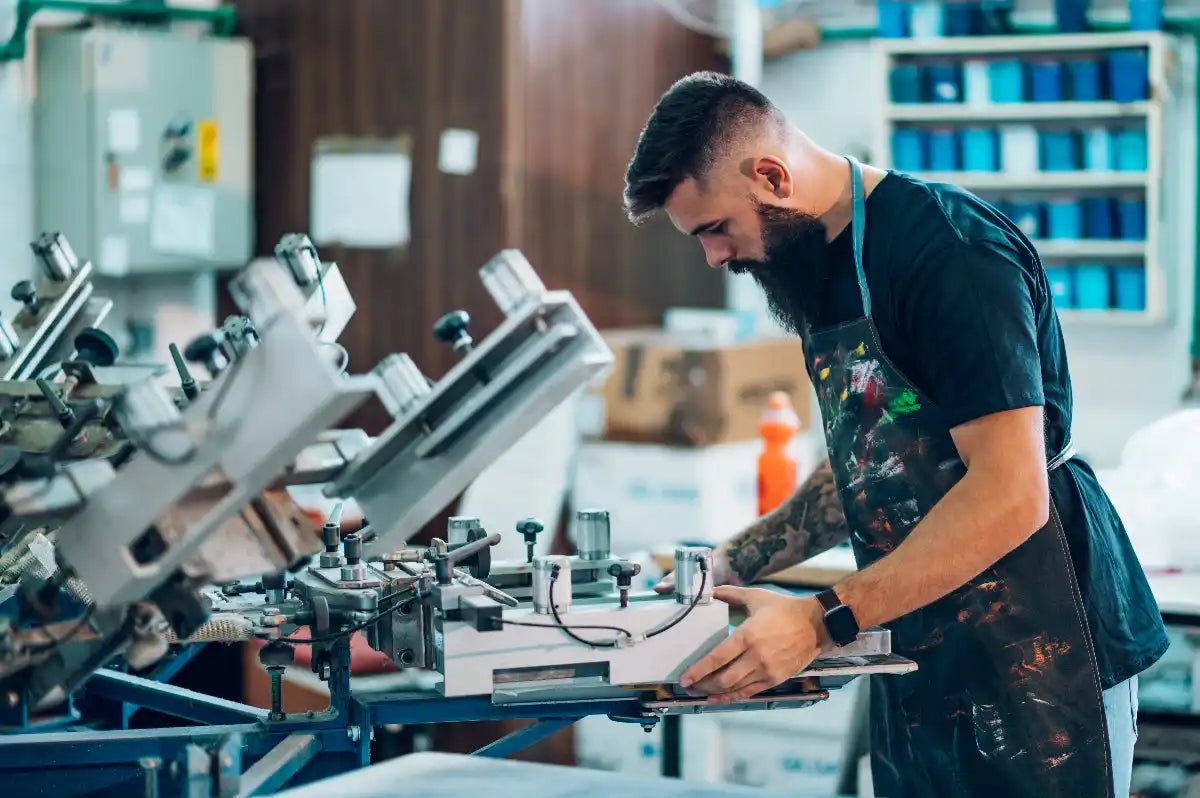
Printing Techniques for Apparel Production
Screen printing, embroidery, puff prints, and digital methods for custom clothing manufacturing.
Explore Custom Apparel Printing Techniques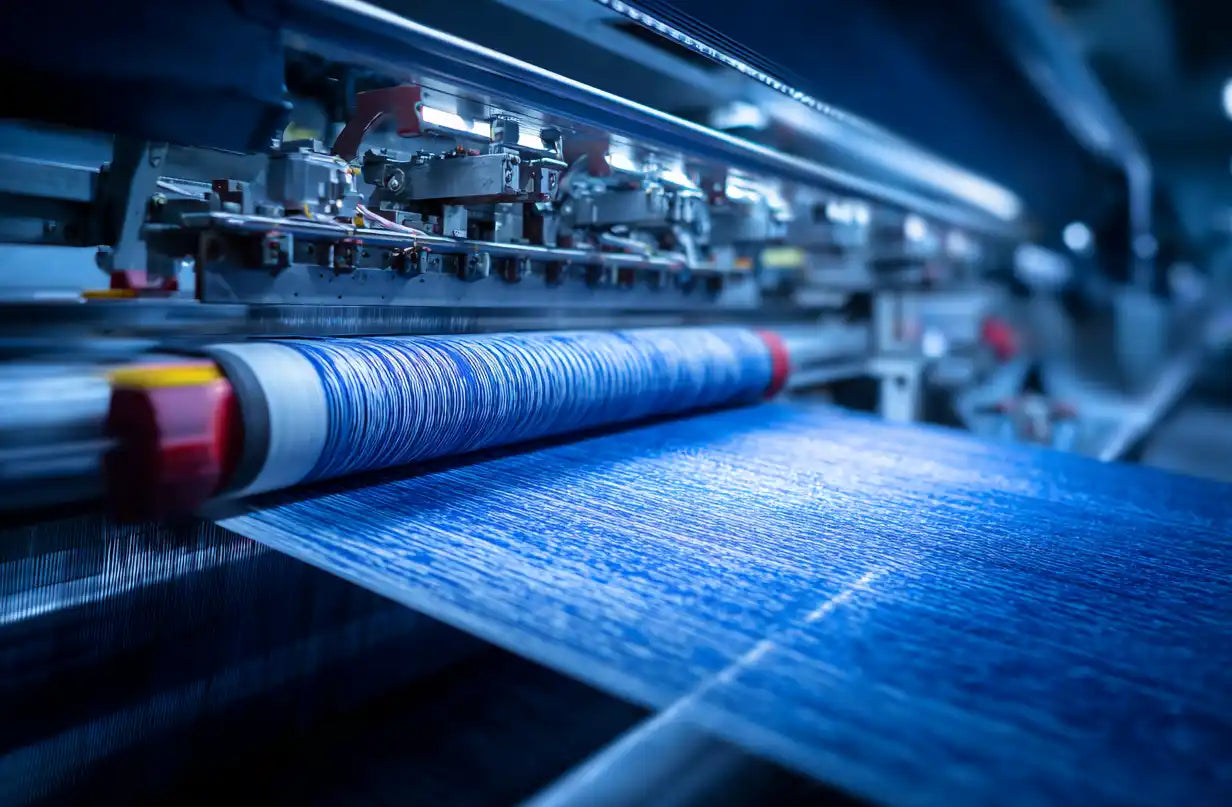
Dyeing Techniques in Clothing Manufacturing
Garment dye, pigment, acid wash, and stone wash finishes that create unique apparel designs.
Compare Apparel Finishing Techniques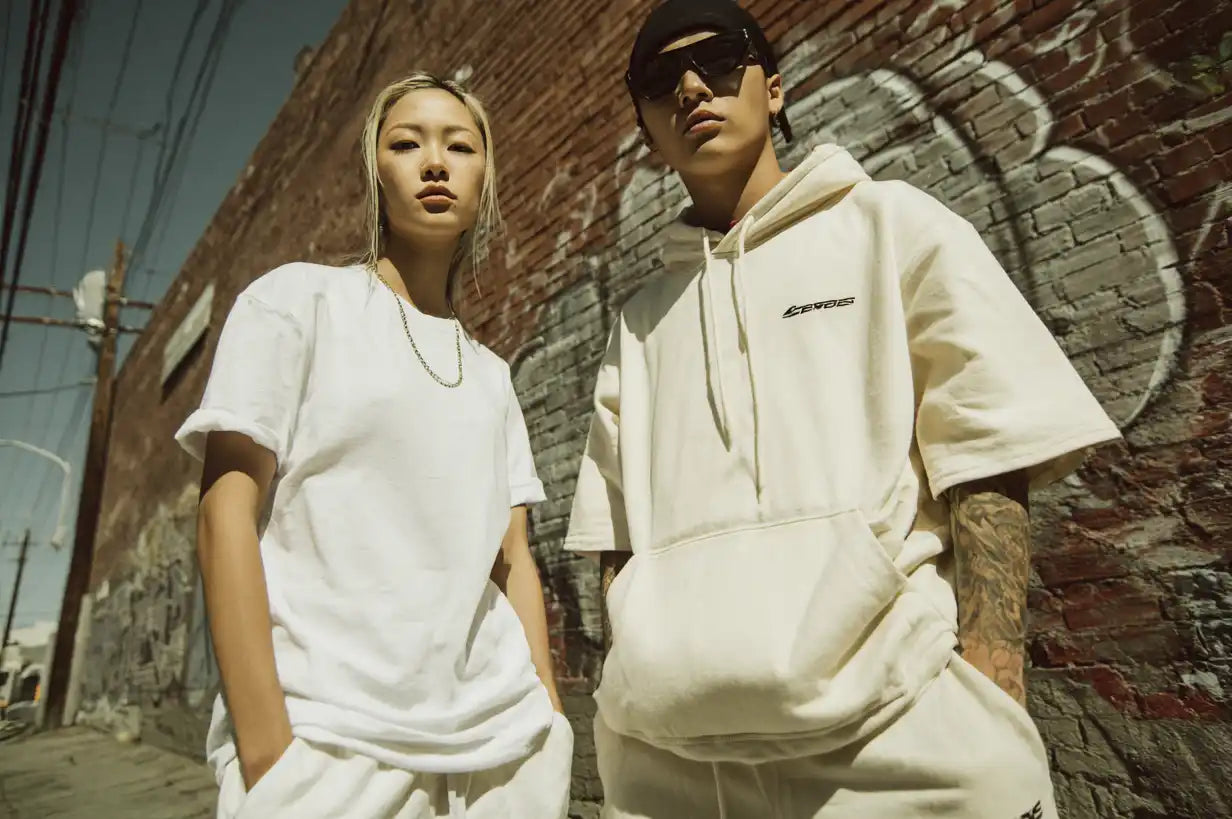
Popular Clothing Items for Custom Apparel
Hoodies, joggers, t-shirts, leggings, and biker shorts — essentials for every apparel collection.
Explore Popular Custom Clothing Items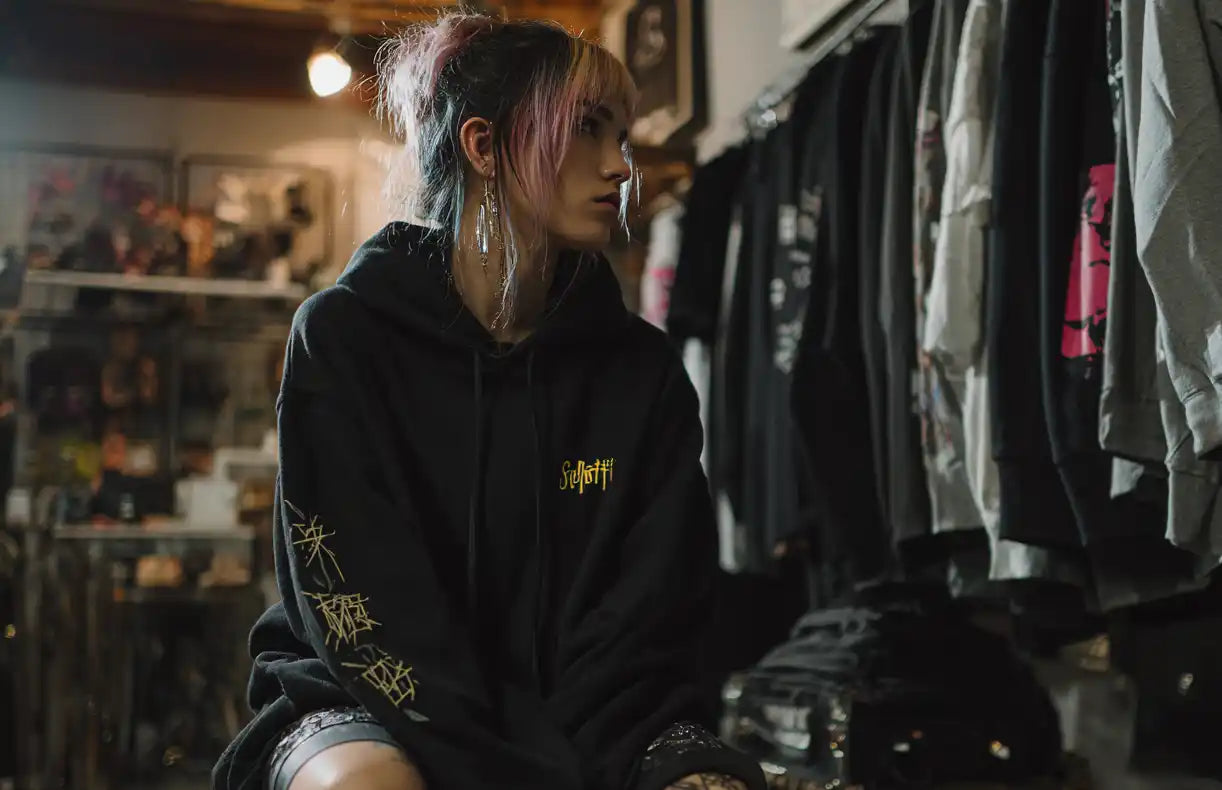
Trends & Designs in Modern Apparel
Oversized fits, streetwear influences, and activewear styles driving custom clothing production.
Explore Trends & Designs for Apparel Development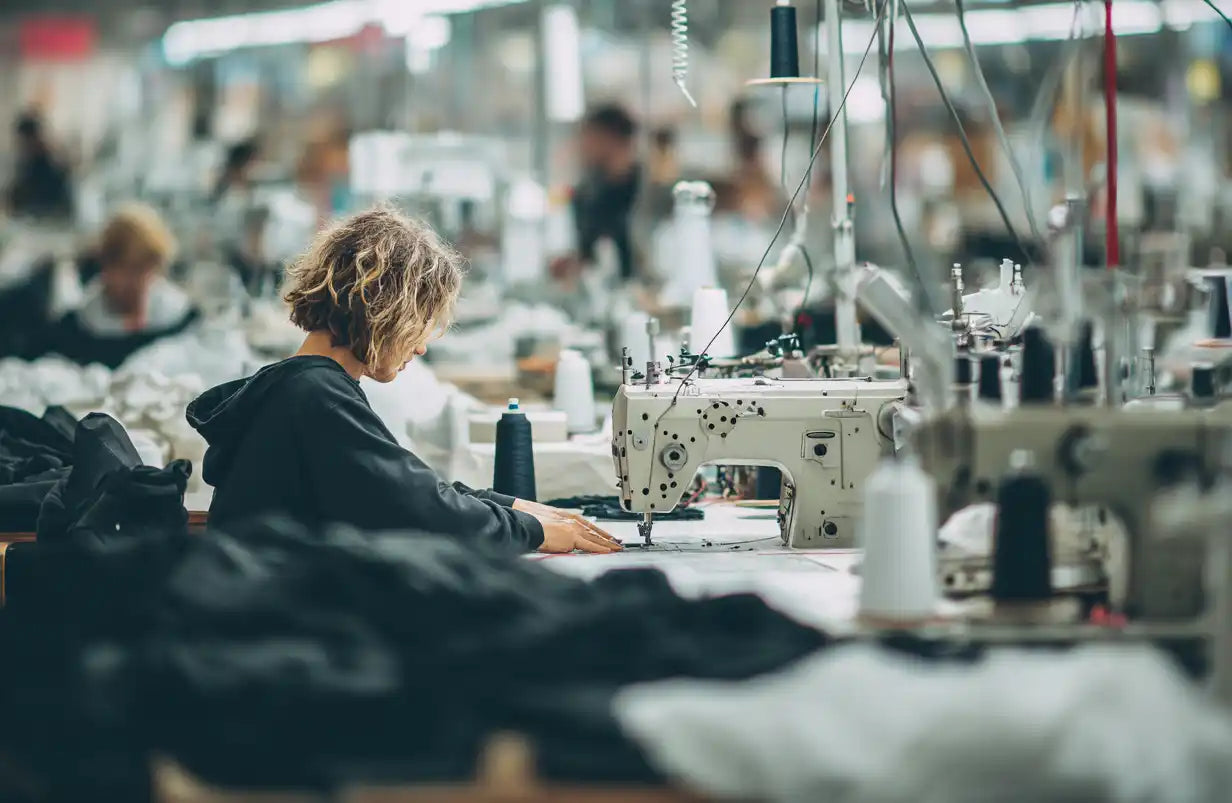
Sustainable & Ethical Clothing Production
OEKO-TEX® certified fabrics, organic cotton, and ethical apparel manufacturing in Portugal.
Understand Sustainable & Ethical Clothing Production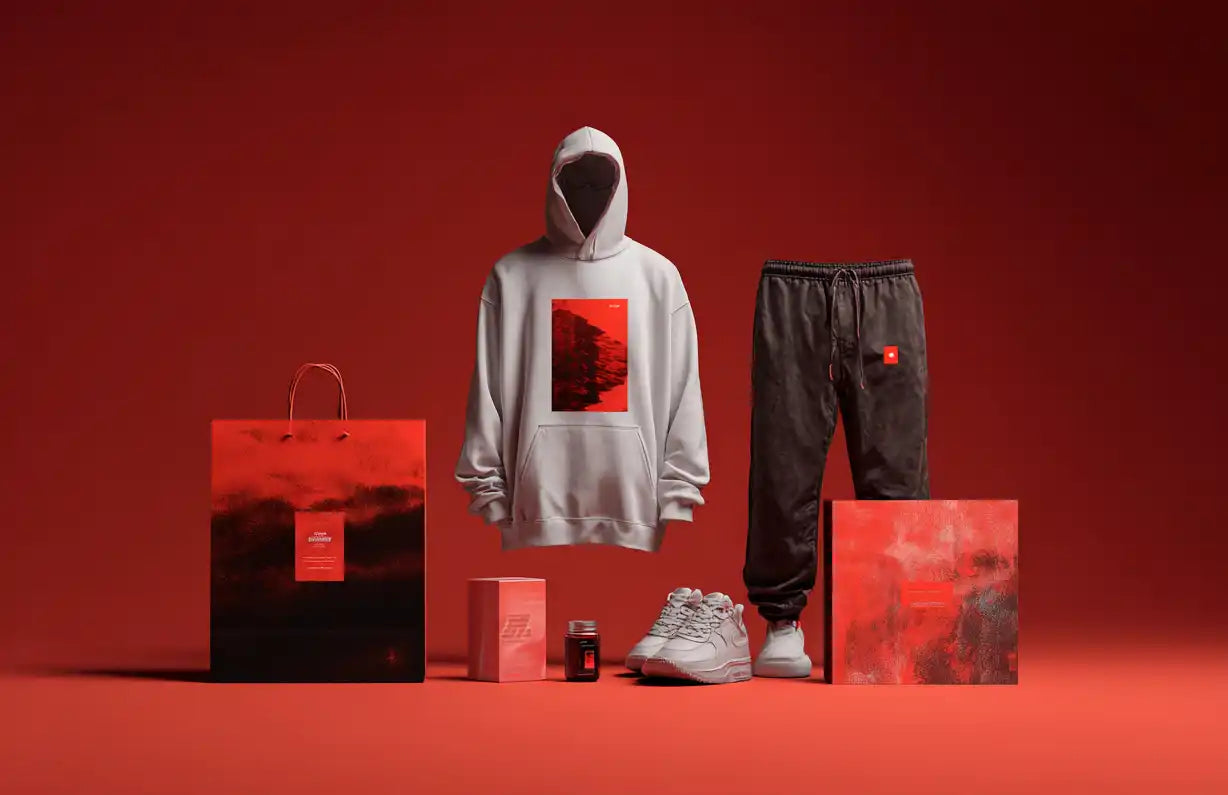
Essentials for Custom Clothing Production
Custom labels, packaging, and trims that elevate your apparel brand in production.
Explore Essentials for Custom Clothing Production
Resources for Custom Clothing Production
Startup guides, logistics support, and scaling strategies for apparel brands and wholesale clients.
Explore Resources for Custom Clothing Production
Clothing Manufacturing Glossary
Explore a complete glossary of clothing and garment manufacturing terms
The Complete Clothing Manufacturing Glossary
The Best Clothing Manufacturers
Explore global clothing manufacturers by country
Explore The Best Clothing Manufacturers
The Latest Clothing Industry Updates in 2025
Discover the latest news about important topics in the clothing industry in 2025,
Stay On Top Of Clothing Industry Updates
Worldwide Best Manufacturers of Clothes in 2026
Top clothing manufacturers worldwide organized by product type
Find The Worldwide Best Manufacturers of Clothes