
Rib Knit Fabric: Premium Ribbed Cotton & Low-MOQ Manufacturing (2025)
Intro — Why Rib Knit Matters for Modern Brands (2025)
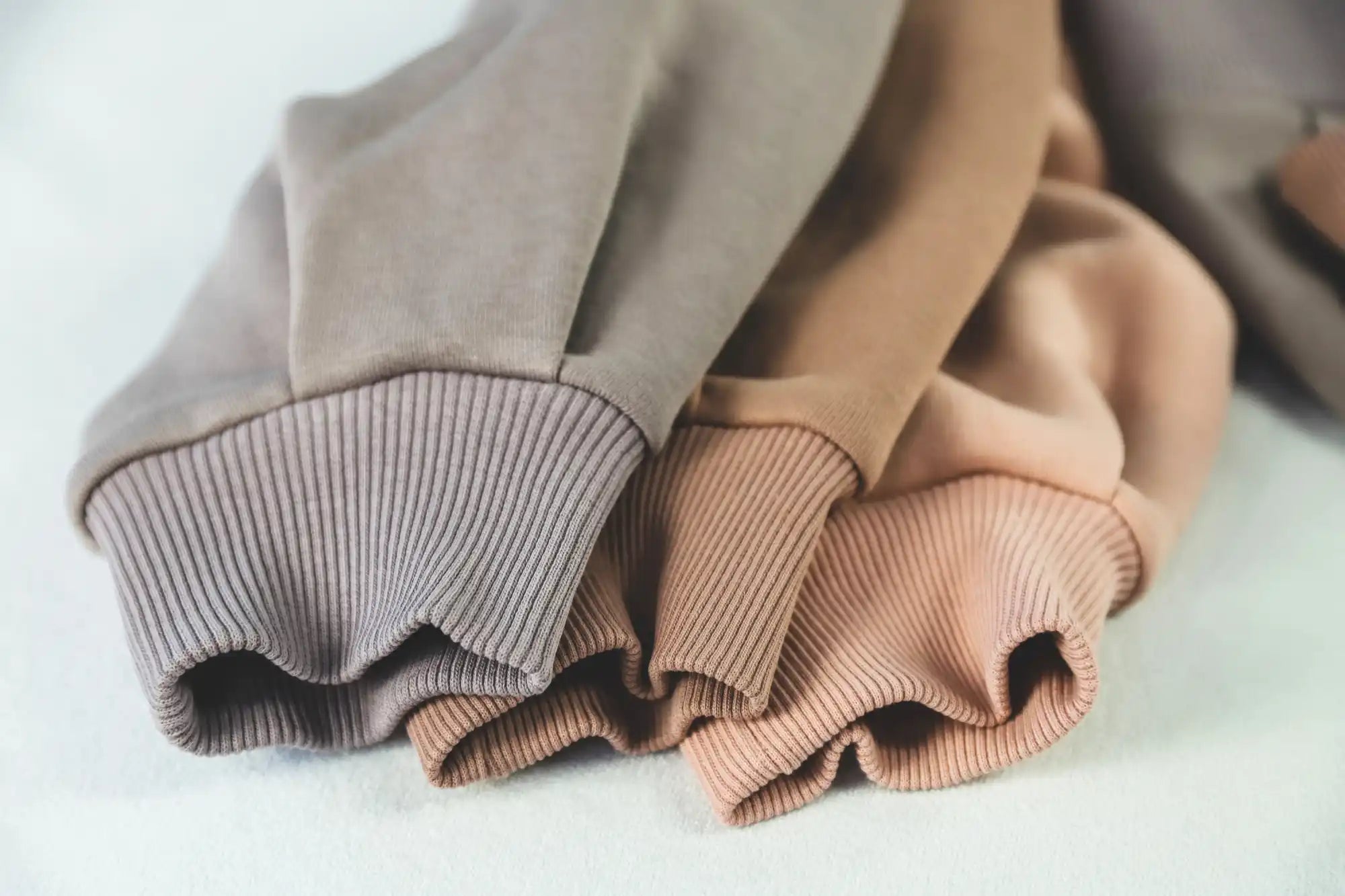
Rib knit remains one of apparel’s most practical and premium details. With distinct vertical ribs, superior crosswise stretch, and excellent recovery, ribbed fabrics deliver fit, finish, and longevity — all critical to premium athleisure, streetwear, and small-batch private label lines. For brands focused on sustainability and made-in-Portugal quality, rib knit provides an immediately perceptible premium touch: firmer necklines, durable cuffs, and body-contouring tops that retain shape through repeated wash cycles.
Quick definition (for featured snippet)
Rib knit: a knitted fabric constructed by alternating knit and purl stitches to create raised vertical ribs; it offers exceptional crosswise stretch and recovery, commonly used in cuffs, collars, waistbands, and form-fitting garments.

What makes rib knit different — the technical essentials
- Structure: Alternating knit/purl columns form vertical ribs that stretch across the fabric width and snap back.
- Stretch & recovery: Crosswise stretch is high; lengthwise stretch is moderate.
- Rib gauges: 1×1, 2×2, and 4×2 are standard — gauge affects hand and visual scale.
Fiber choices & recommended blends (practical sourcing)
Athleisure Basics sources rib knits prioritising traceable, cellulosic and natural fibers to balance hand, durability, and sustainability.
- Organic cotton (95–100%) — breathable, matte hand, ideal for trims and lightweight ribbed tops.
- Cotton–Elastane blends (95/5) — best for fitted pieces and high-recovery trims.
- Tencel™ blends — add silk-like drape, moisture wicking, and an eco story. (see Tencel™ info: tencel.com)
- Recycled cotton blends — for circularity, verify fiber origin and loss in the supply chain.
GSM and rib type — match use-case to weight
| Rib Type | Typical GSM | Best Use |
|---|---|---|
| 1×1 | 180–260 | Lightweight trims, camis, soft neckbands |
| 2×2 | 260–320 | Standard cuffs, waistbands, medium-weight tops |
| 4×2 (wide rib) | 300–420 | Heavy trims, structured sweaters, luxury loungewear |
How rib knit is produced (short production workflow)
- Yarn selection: GOTS and traceable yarns recommended.
- Knitting: Circular machines create the rib structure; gauge set to spec.
- Dyeing & finishing: Low-impact dyes and compaction finishing for dimensional stability.
- Cut & sew: Flatlock or coverstitch for stretch seams.
- QC: Recovery testing, colorfastness, pilling & abrasion checks.
Quality & testing checklist
- Dimensional stability: pre/post-wash shrinkage <3%.
- Recovery cycles: 50–100 stretch/recovery cycles recommended.
- Elastane retention: lab verification of elastane content.
- Pilling & abrasion: Martindale/Wyzenbeek per use-case.
Design & product examples
Rib knit excels in premium hoodies, body-con knit tops, tonal lounge sets, and waistbands for joggers. See related product ranges and editorial insights:
Sustainability & sourcing checks
Prefer GOTS-certified yarns (see GOTS). Demand supplier declarations and LCA summaries when marketing sustainability claims.
Cost & MOQ considerations for brands
Rib trims cost more per meter than jersey. Low-MOQ models let small brands test SKUs: Athleisure Basics supports smaller sampling orders—see our low-MOQ guide for details.
Manufacturing timeline (sample to production)
- Sample development: 2–3 weeks
- Pre-production sample: 1–2 weeks
- Bulk production run: 4–8 weeks
- Shipping & QC: 1–3 weeks
Tips to get the best rib knit results
- Request lab-tested elastane percentages and recovery data.
- Obtain swatch cards with GSM and wash results.
- Coordinate trim & body shrinkage tolerances in the tech pack.
- Use tonal ribbing for premium minimalism.
Conversion / Next step
Ready to sample rib knit trims or build a tonal rib set? Get a custom quote and we’ll guide sampling and low-MOQ production in Portugal.
Materials & Fabrics for Clothing Production
Explore cotton, French terry, jersey, fleece, and sustainable blends used in premium apparel manufacturing.
Explore Premium Apparel Fabrics Guide
Printing Techniques for Apparel Production
Screen printing, embroidery, puff prints, and digital methods for custom clothing manufacturing.
Explore Custom Apparel Printing Techniques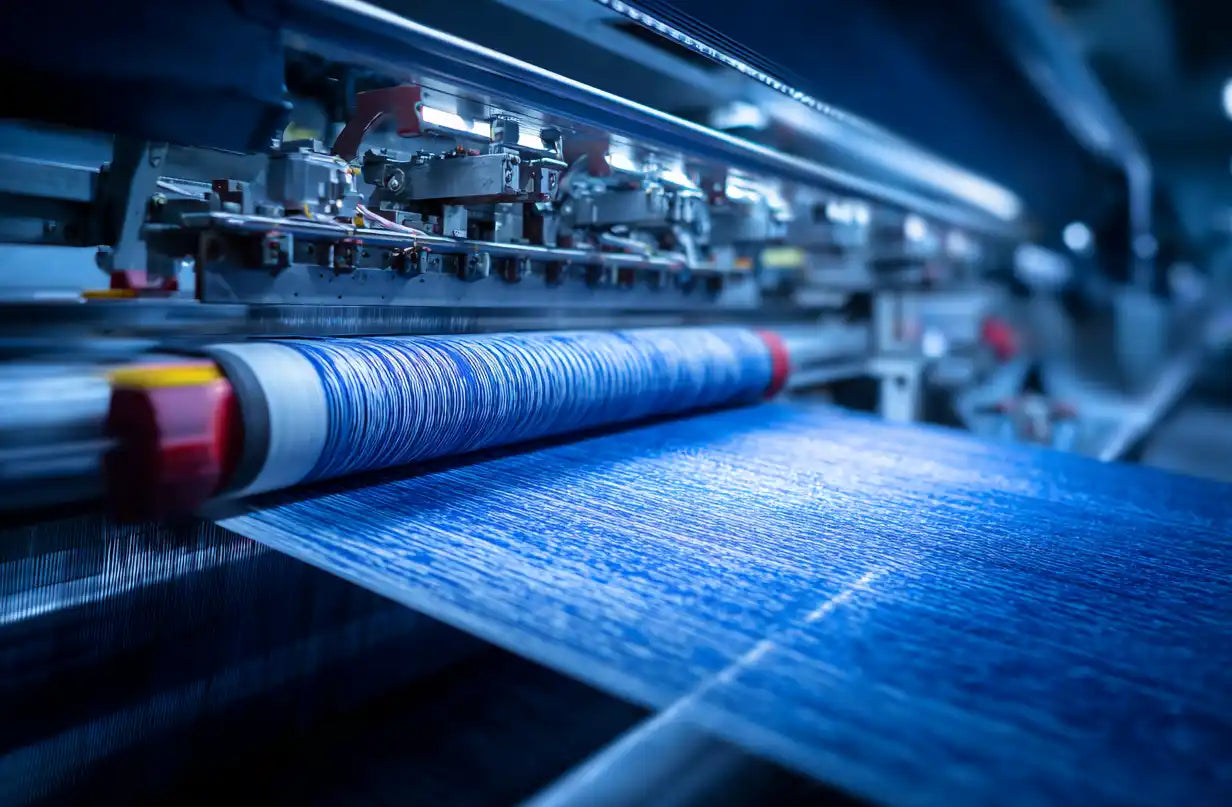
Dyeing Techniques in Clothing Manufacturing
Garment dye, pigment, acid wash, and stone wash finishes that create unique apparel designs.
Compare Apparel Finishing Techniques
Popular Clothing Items for Custom Apparel
Hoodies, joggers, t-shirts, leggings, and biker shorts — essentials for every apparel collection.
Explore Popular Custom Clothing Items
Trends & Designs in Modern Apparel
Oversized fits, streetwear influences, and activewear styles driving custom clothing production.
Explore Trends & Designs for Apparel Development
Sustainable & Ethical Clothing Production
OEKO-TEX® certified fabrics, organic cotton, and ethical apparel manufacturing in Portugal.
Understand Sustainable & Ethical Clothing Production
Essentials for Custom Clothing Production
Custom labels, packaging, and trims that elevate your apparel brand in production.
Explore Essentials for Custom Clothing Production
Resources for Custom Clothing Production
Startup guides, logistics support, and scaling strategies for apparel brands and wholesale clients.
Explore Resources for Custom Clothing Production
Clothing Manufacturing Glossary
Explore a complete glossary of clothing and garment manufacturing terms
The Complete Clothing Manufacturing Glossary
The Best Clothing Manufacturers
Explore global clothing manufacturers by country
Explore The Best Clothing Manufacturers
The Latest Clothing Industry Updates in 2025
Discover the latest news about important topics in the clothing industry in 2025,
Stay On Top Of Clothing Industry Updates
Worldwide Best Manufacturers of Clothes in 2026
Top clothing manufacturers worldwide organized by product type
Find The Worldwide Best Manufacturers of Clothes