
Screen Printing for Custom T-Shirts and Custom Made Hoodies
What is screen printing? Screen printing is a stencil-based garment decoration method where ink is pressed through a mesh screen onto fabric. It is widely used for custom t shirts and custom made hoodies because it delivers bold color coverage, excellent wash durability, and cost efficiency for high-volume production.
Despite the growth of digital printing technologies, screen printing remains the foundation of traditional apparel production in 2025. It is especially effective for brands producing consistent collections at scale, including retail apparel, uniforms, and athleisure programs.
This guide explains how screen printing works, when it is the right choice, and how brands can apply it effectively when they customize a hoodie or develop bulk apparel collections.
For an overview of all decoration methods, see: Printing Techniques for Custom Clothing Production
How Screen Printing Works
Screen printing follows a layered production workflow that prioritizes consistency, ink durability, and scalability. Unlike heat transfer printing, where designs are applied using adhesive films, screen printing embeds ink directly into the fabric surface. This results in stronger wash resistance and a more professional finish for bulk apparel programs. The process is optimized for repeatability, making it ideal for brands producing standardized collections.
Artwork Preparation
Designs are separated by color, with each color requiring its own screen. Keeping color counts low helps reduce setup time and production costs for bulk orders.
Professional screen printing often uses vector artwork for sharp results, where colors are separated into spot colors or simulated process for multi-color designs. This color separation process ensures precise registration and vibrant prints on garments. Techniques like trapping slightly overlap colors to prevent gaps during alignment on press.
Screen Creation
A mesh screen is coated with light-sensitive emulsion and exposed with the artwork. Unexposed areas are washed away, forming the stencil that defines the print.
The emulsion is applied evenly to a taut mesh screen, typically made of polyester or silk, then dried in a dark environment. A positive film transparency of the design is placed on the coated screen and exposed to UV light, hardening the emulsion except where blocked by the artwork. After exposure, the screen is washed out to reveal open mesh areas for ink passage.
Ink Application
Ink is pushed through the screen using a squeegee, transferring the design directly onto the garment surface.
The screen is aligned over the substrate, ink is flooded onto the mesh, and a squeegee is pulled at a consistent angle and pressure to force ink through the open stencil areas. This flood-and-pull technique deposits a precise layer of ink, ideal for opaque, vibrant results on t-shirts and fabrics. Multiple passes or colors are applied sequentially for complex designs.
Comparison: Compared to heat transfer printing, screen printing avoids vinyl layers that can crack or peel over time, especially on high-wear garments like hoodies.
Heat Curing
The garment passes through a curing dryer, allowing the ink to permanently bond with the fabric fibers and achieve long-term durability.
Plastisol inks, commonly used in screen printing, require reaching 320°F (160°C) to fully cure and withstand washing. Conveyor dryers provide consistent heat via infrared panels and forced air, ensuring even curing without scorching. Proper curing prevents cracking and fading, making prints washfast and durable for repeated wear.
Comparison: Unlike DTG (Direct-to-Garment) printing, which relies on digital ink absorption, screen printing uses controlled curing temperatures to lock ink into the fabric for long-term durability.
Why Screen Printing Is Ideal for High-Volume Apparel
While screen printing has higher setup costs than DTG printing, it becomes significantly more economical as quantities increase. Beyond 200–300 units, the per-unit cost drops sharply, making it ideal for repeatable production.
Comparison: While sublimation printing works best on polyester and light-colored fabrics, screen printing offers broader fabric compatibility, including cotton blends commonly used in streetwear and athleisure.
- Custom t shirts for retail resale
- Custom made hoodies for streetwear and athleisure brands
- Uniforms and promotional apparel
Brands planning long-term production often pair screen printing with stable fabric programs such as those outlined in Materials & Fabrics for Clothing Production .
Screen Printing vs Custom Embroidery on Sweatshirts
| Feature | Screen Printing | Custom Embroidery on Sweatshirts |
|---|---|---|
| Visual Appearance | Flat, bold graphics | Raised, textured finish |
| Best Use | Large artwork and text | Logos and badges |
| Cost at Scale | Lower | Higher |
| Fabric Impact | Lightweight | Adds thickness |
Ink Types Used in Screen Printing
- Plastisol inks offer strong opacity and durability and are now widely available in phthalate-free formulations.
- Water-based inks penetrate fabric fibers for a softer feel and are often preferred by sustainability-focused brands.
- Discharge inks remove fabric dye to create an ultra-soft print, best suited for 100% cotton garments.
Sustainability & Compliance
Screen printing aligns with modern environmental and safety expectations when certified inks and responsible production methods are used.
Many manufacturers also follow sourcing frameworks outlined in Sourcing Process for Custom Clothing .
Common Screen Printing Mistakes to Avoid
- Using too many ink colors: Increases setup costs without improving visual impact.
- Improper curing: Leads to cracking, fading, or wash failure.
- Ignoring fabric compatibility: Different fabrics require different ink systems.
- Choosing screen printing for small runs: DTG or heat transfer may be more cost-effective.
FAQs About Sourcing & Production
What is the typical MOQ for screen printing?
Most factories recommend a minimum of 300–500 units per design to achieve cost efficiency. Lower quantities may be possible but usually come with higher per-unit pricing.
Can screen printing and embroidery be combined?
Yes, combining screen printing with embroidery is common in premium collections. Brands often print large graphics while using embroidery for logo placement or finishing details.
How long does production usually take?
After artwork approval, production typically takes two to four weeks depending on order size and factory capacity.
FAQs About Materials & Care
How should screen-printed garments be washed?
Garments should be washed inside out in cold water and dried on low heat. This helps preserve ink integrity and fabric quality over time.
Will screen prints crack over time?
Properly cured prints maintain flexibility and durability for years. Cracking usually results from improper curing or excessive heat exposure during care.
Is embroidery more durable than printing?
Embroidery is extremely durable, but high-quality screen printing performs equally well when correctly produced and maintained.
Final Thoughts
Screen printing remains one of the most reliable decoration methods for custom t shirts and custom made hoodies. Its balance of durability, cost efficiency, and scalability makes it a cornerstone of modern apparel production.
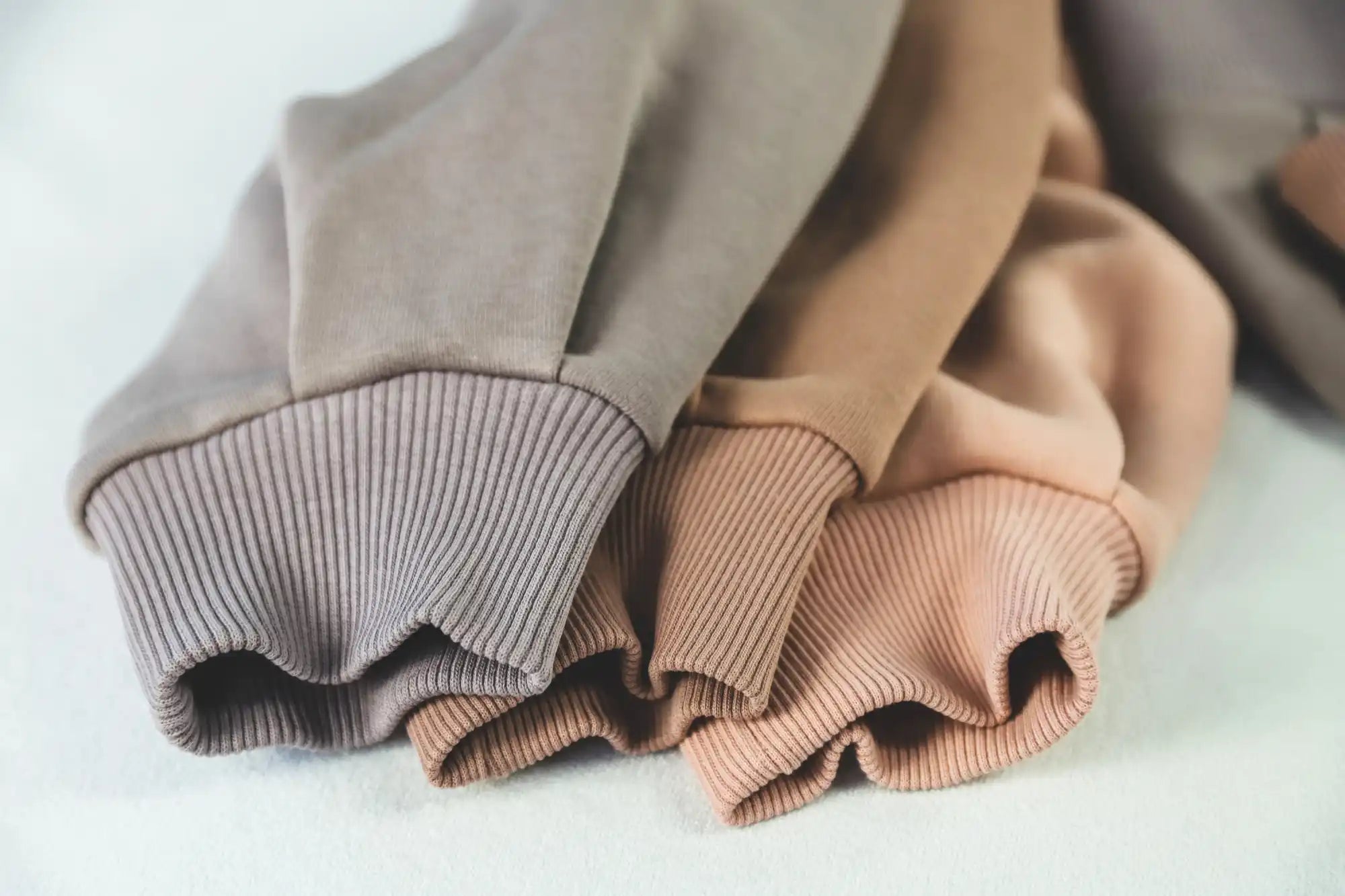
Materials & Fabrics for Clothing Production
Explore cotton, French terry, jersey, fleece, and sustainable blends used in premium apparel manufacturing.
Explore Premium Apparel Fabrics Guide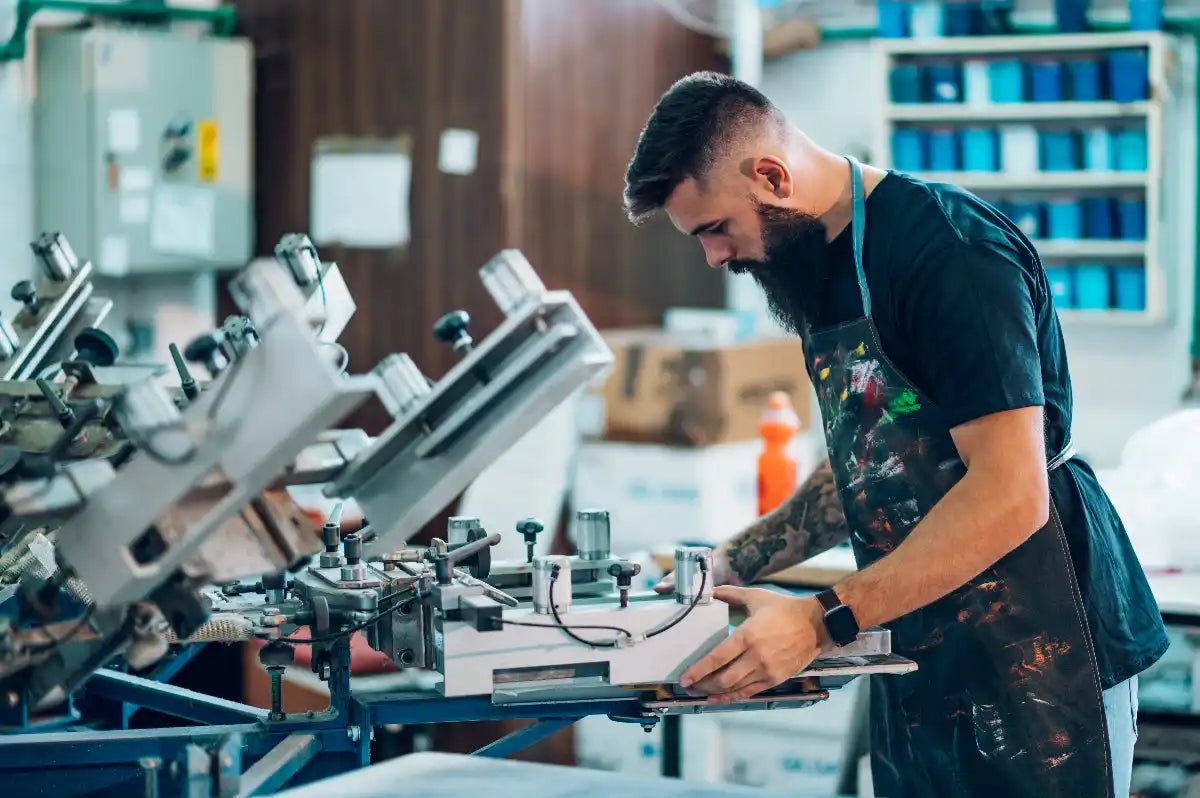
Printing Techniques for Apparel Production
Screen printing, embroidery, puff prints, and digital methods for custom clothing manufacturing.
Explore Custom Apparel Printing Techniques
Dyeing Techniques in Clothing Manufacturing
Garment dye, pigment, acid wash, and stone wash finishes that create unique apparel designs.
Compare Apparel Finishing Techniques
Popular Clothing Items for Custom Apparel
Hoodies, joggers, t-shirts, leggings, and biker shorts — essentials for every apparel collection.
Explore Popular Custom Clothing Items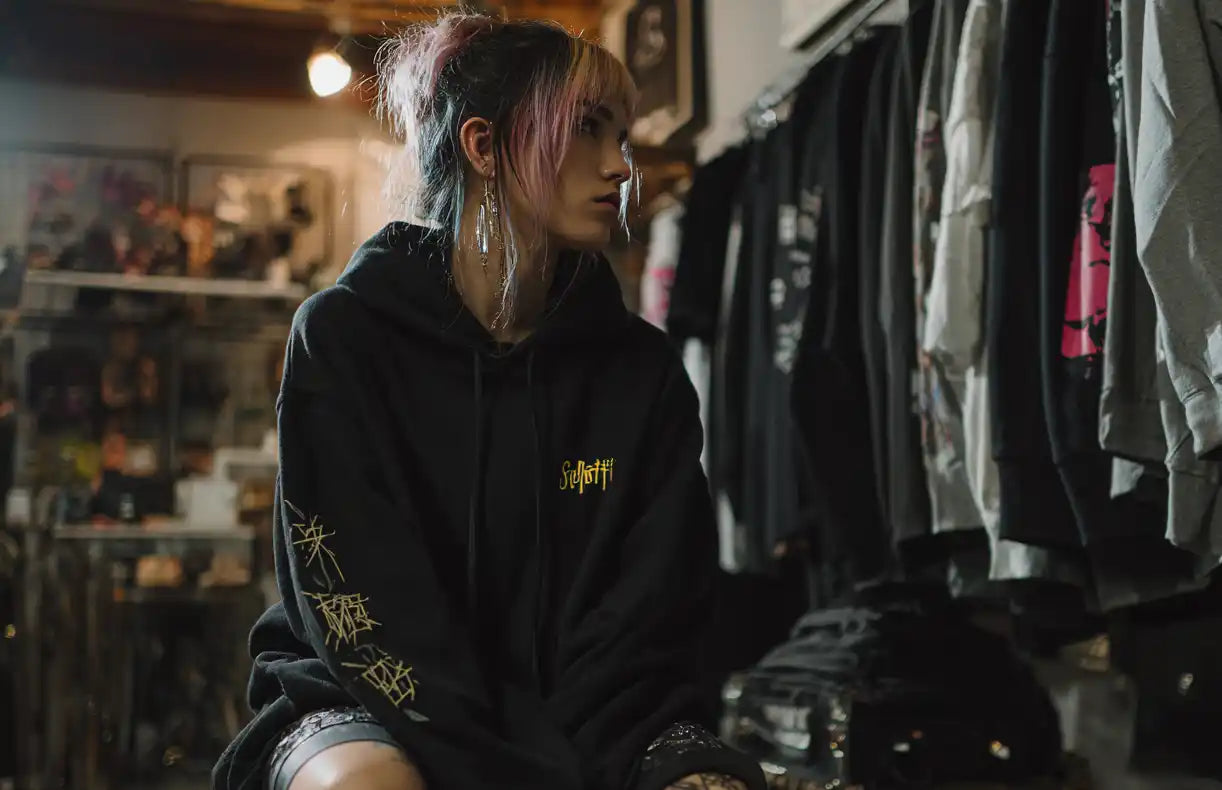
Trends & Designs in Modern Apparel
Oversized fits, streetwear influences, and activewear styles driving custom clothing production.
Explore Trends & Designs for Apparel Development
Sustainable & Ethical Clothing Production
OEKO-TEX® certified fabrics, organic cotton, and ethical apparel manufacturing in Portugal.
Understand Sustainable & Ethical Clothing Production
Essentials for Custom Clothing Production
Custom labels, packaging, and trims that elevate your apparel brand in production.
Explore Essentials for Custom Clothing Production
Resources for Custom Clothing Production
Startup guides, logistics support, and scaling strategies for apparel brands and wholesale clients.
Explore Resources for Custom Clothing Production
Clothing Manufacturing Glossary
Explore a complete glossary of clothing and garment manufacturing terms
The Complete Clothing Manufacturing Glossary
The Best Clothing Manufacturers
Explore global clothing manufacturers by country
Explore The Best Clothing Manufacturers
The Latest Clothing Industry Updates in 2025
Discover the latest news about important topics in the clothing industry in 2025,
Stay On Top Of Clothing Industry Updates
Worldwide Best Manufacturers of Clothes in 2026
Top clothing manufacturers worldwide organized by product type
Find The Worldwide Best Manufacturers of Clothes