
Seamless Knit Fabric: The 2025 Guide to Base Layer Innovation
Seamless knit fabrics have become the foundation of next-generation activewear and base layers. Built on circular knitting machines that create continuous tubes of fabric without side seams, they deliver exceptional comfort, design freedom, and sustainability. For brands, this technology represents a major leap forward in efficiency and performance.
What Is Seamless Knit Fabric?
A seamless knit fabric is manufactured in a continuous tubular form, eliminating side seams completely. Instead of cutting and sewing multiple panels, the garment is knitted to shape in one process. The result: reduced waste, faster production, and a second-skin fit ideal for base layers, leggings, and sports bras.
- Continuous tubular construction – no side seams
- Engineered compression or ventilation zones
- Exceptional elasticity and comfort
- Reduced production waste by 20–30%
Seamless technology also enables body-mapping design—targeting support, stretch, and breathability exactly where athletes need it most.
How Seamless Circular-Knit Technology Works
Modern circular knitting machines—such as those produced by Santoni or Karl Mayer—use computer-controlled needles to knit continuous tubes of fabric. Yarn tension, structure, and gauge can be programmed digitally to create zones of support, mesh ventilation, or decorative ribbing within a single piece.
This eliminates the need for multiple sewing steps, saving material and time. In European hubs like Portugal and Italy, seamless production has become standard practice for premium activewear manufacturing.
Benefits for Activewear and Base Layers
1. Comfort and Performance
No seams mean no friction. The four-way stretch and adaptive structure move naturally with the body, creating a true “second-skin” experience for athletes and everyday wearers alike.
2. Sustainable Manufacturing
Seamless knitting reduces cutting waste and energy consumption. Many factories now use recycled nylon (Econyl®) or recycled polyester (rPET) certified under the Global Recycled Standard (GRS), ensuring material traceability.
3. Design Flexibility
Designers can knit garments to shape with integrated logos, mesh areas, or compression zones—without additional seams or reinforcements. This enables both minimalism and performance enhancement in one production method.
4. Durability and Longevity
With fewer seams, garments resist tearing and retain their shape longer. Many seamless items maintain structure for hundreds of washes, helping brands meet circular fashion goals.
Applications Across Apparel Segments
| Segment | Example Garments | Key Benefits |
|---|---|---|
| Base Layers | Thermal tops, compression tees | Moisture-wicking, no chafing |
| Activewear | Leggings, sports bras | Body-sculpt fit, freedom of movement |
| Loungewear | Seamless tees, lightweight sweaters | Soft comfort, drape, and flexibility |
| Intimates | Bralettes, underwear | Smooth finish, breathable stretch |
| Streetwear | Minimalist tanks, crop tops | Streamlined aesthetic, comfort appeal |
Brands such as PANGAIA have pioneered bio-based seamless activewear using plant-derived elastane and recycled nylon yarns—showcasing how sustainability and style can coexist in technical apparel.
Sustainability and Certifications
Seamless knit technology aligns with the fashion industry’s sustainability goals. Many European mills comply with:
- OEKO-TEX® Standard 100 – ensures no harmful substances
- GOTS (Global Organic Textile Standard) – for organic and sustainable fibre blends
- ISO 14001 – for environmental management systems
- GRS – for recycled content verification
By integrating certified yarns and efficient knitting, seamless production minimizes environmental impact while maintaining premium performance standards.
Seamless vs. Traditional Cut-and-Sew
| Attribute | Seamless Knit | Cut-and-Sew |
|---|---|---|
| Construction | No side seams, tubular | Multiple panels, sewn together |
| Waste | Low (precise knitting) | High (cutting loss) |
| Comfort | Chafe-free, body-hugging | Possible seam irritation |
| Production Speed | Faster, automated | Slower, manual sewing |
| Sustainability | Excellent | Moderate |
For brands scaling sustainably, seamless knitting offers flexibility and speed while reducing raw material waste.
Material Innovations in 2025
Seamless fabrics now incorporate hybrid and smart fibres that elevate function and sustainability:
- Recycled Polyamide 6.6 (Econyl®) – from ocean waste
- rPET Polyester – post-consumer bottle recycling
- Bio-Elastane – plant-based stretch fibres
- Tencel™ and Organic Cotton Blends – natural comfort options
- Graphene-infused yarns – temperature regulation and durability
These innovations allow brands to design seamless garments that perform better while aligning with carbon-reduction commitments.
Design Possibilities for Apparel Brands
- Jacquard-knit logos directly into fabric
- Integrated mesh and ribbed ventilation zones
- Zoned compression and sculpting for performance
- Minimalist silhouettes that support brand identity
With digital 3D sampling and CAD integration, seamless production can cut development time from weeks to days. Learn more in the Clothing Tech Pack Guide.
Sourcing Seamless Knit Garments in Europe
Portugal remains Europe’s hub for premium seamless manufacturing. Local mills combine certified yarns, low minimum order quantities, and advanced knitting technologies.
If your label plans to launch a new collection using certified seamless fabrics, contact our sourcing team through the request form to discuss available gauges, yarn types, and lead times.
Challenges and Considerations
- Higher machine setup cost and programming time
- Limited fabric variety compared with wovens
- Designers need to learn knit-to-shape principles
Despite these, new AI design platforms and advanced knitting software continue to lower technical barriers, making seamless production accessible to emerging brands.
Future Outlook: AI and On-Demand Seamless Production
AI-driven knitting design now allows direct translation from digital prototypes to machine output, shortening sampling cycles and enabling mass customization. As Industry 5.0 develops, seamless knit fabrics stand at the center of smarter, circular manufacturing models.
Care and Maintenance Tips
- Machine wash cold and gentle
- Avoid fabric softeners to preserve wicking finishes
- Air dry flat to maintain elasticity
- Store folded, not hung, to prevent stretching
FAQs About Certifications and Standards
What certifications guarantee safe and sustainable seamless fabrics?
Look for OEKO-TEX®, GRS, GOTS, and ISO 14001 labels. They verify non-toxic dyes, recycled content, and responsible manufacturing.
Do seamless fabrics automatically mean eco-friendly?
Not always. While the process saves material, true sustainability depends on certified yarns and responsible dyeing systems.
Are seamless garments compliant with EU standards?
Yes. Most European producers operate under REACH and ISO 14001 environmental frameworks.
FAQs About Sourcing and Production
Where can brands find reliable seamless knit production?
Portugal is the leading hub, offering low-MOQ and certified production through partners like AthleisureBasics.
What’s a typical lead time?
Between four and six weeks, depending on yarn type and design complexity.
Can seamless knit be customized?
Yes. Brands can request custom colors, compression zones, and integrated branding directly in the knit file.
FAQs About Materials and Care
Which fibres dominate seamless activewear?
Recycled polyamide, polyester, and bio-elastane blends remain leading choices for 2025 collections.
Are seamless fabrics breathable?
Yes. Ventilated mesh zones can be programmed into the fabric to enhance airflow and thermoregulation.
How long do seamless garments last?
With proper washing and care, performance quality remains stable for years of regular wear.
Conclusion
Seamless knit technology defines the evolution of activewear—combining sustainability, comfort, and efficiency. For apparel developers and sourcing teams, adopting this method is both a design advantage and a sustainability imperative.
To explore certified seamless knit fabrics for your next collection, connect with our sourcing experts via the request form.
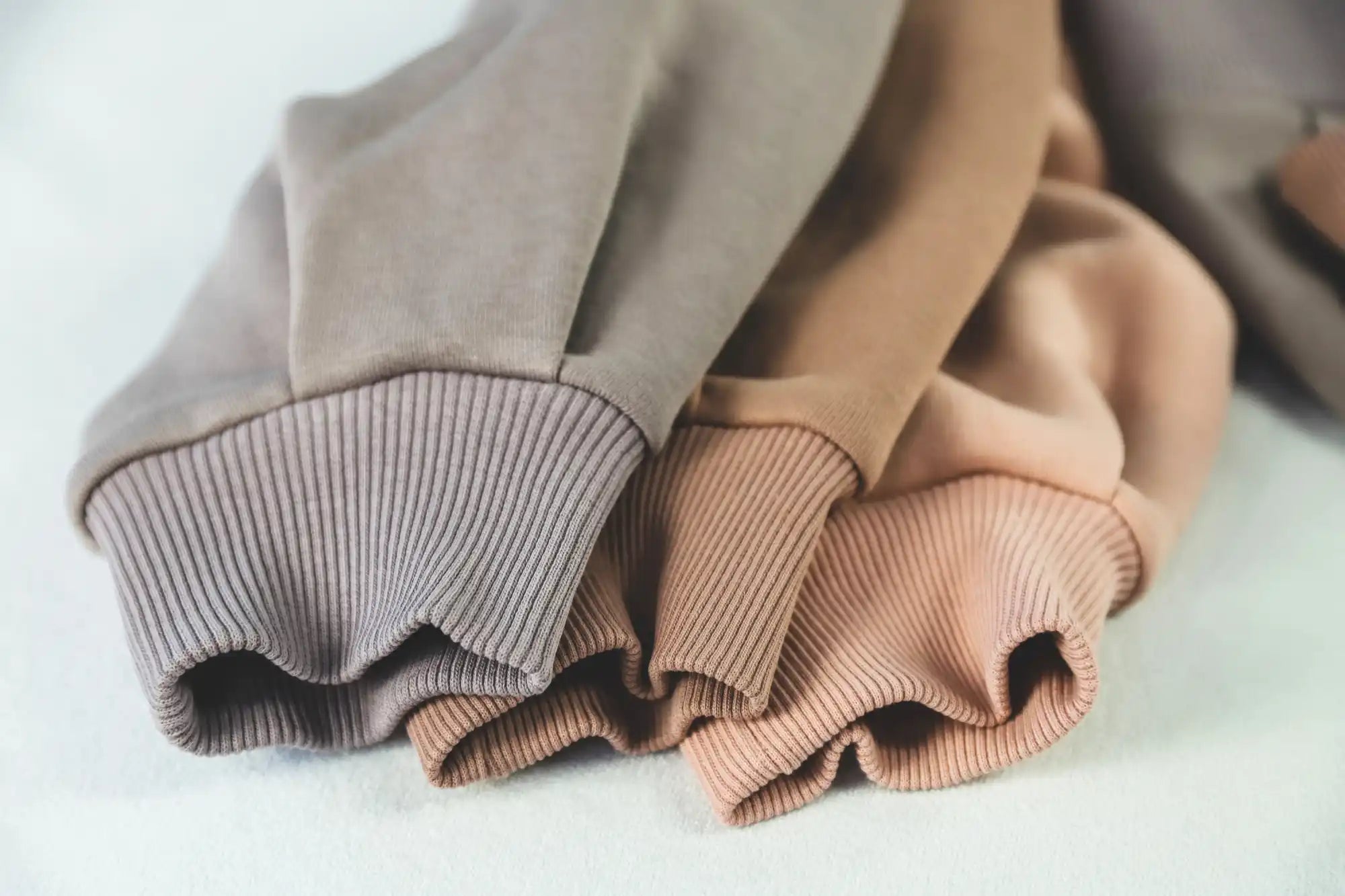
Materials & Fabrics for Clothing Production
Explore cotton, French terry, jersey, fleece, and sustainable blends used in premium apparel manufacturing.
Explore Premium Apparel Fabrics Guide
Printing Techniques for Apparel Production
Screen printing, embroidery, puff prints, and digital methods for custom clothing manufacturing.
Explore Custom Apparel Printing Techniques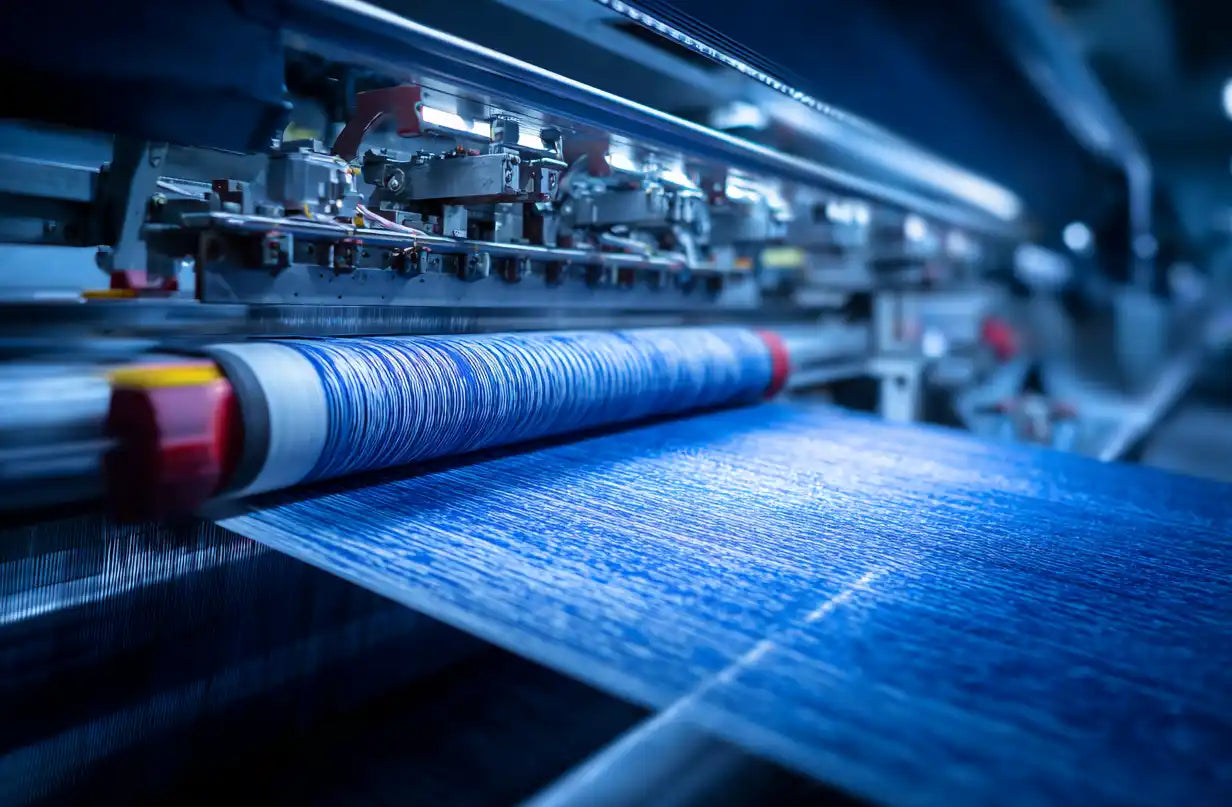
Dyeing Techniques in Clothing Manufacturing
Garment dye, pigment, acid wash, and stone wash finishes that create unique apparel designs.
Compare Apparel Finishing Techniques
Popular Clothing Items for Custom Apparel
Hoodies, joggers, t-shirts, leggings, and biker shorts — essentials for every apparel collection.
Explore Popular Custom Clothing Items
Trends & Designs in Modern Apparel
Oversized fits, streetwear influences, and activewear styles driving custom clothing production.
Explore Trends & Designs for Apparel Development
Sustainable & Ethical Clothing Production
OEKO-TEX® certified fabrics, organic cotton, and ethical apparel manufacturing in Portugal.
Understand Sustainable & Ethical Clothing Production
Essentials for Custom Clothing Production
Custom labels, packaging, and trims that elevate your apparel brand in production.
Explore Essentials for Custom Clothing Production
Resources for Custom Clothing Production
Startup guides, logistics support, and scaling strategies for apparel brands and wholesale clients.
Explore Resources for Custom Clothing Production
Clothing Manufacturing Glossary
Explore a complete glossary of clothing and garment manufacturing terms
The Complete Clothing Manufacturing Glossary
The Best Clothing Manufacturers
Explore global clothing manufacturers by country
Explore The Best Clothing Manufacturers
The Latest Clothing Industry Updates in 2025
Discover the latest news about important topics in the clothing industry in 2025,
Stay On Top Of Clothing Industry Updates
Worldwide Best Manufacturers of Clothes in 2026
Top clothing manufacturers worldwide organized by product type
Find The Worldwide Best Manufacturers of Clothes