
Size Labels for Custom Apparel Production in 2025
Size labels are a functional trim that directly affects fit accuracy, compliance, and customer confidence. In modern custom apparel production, they serve as a bridge between design intent, manufacturing execution, and end-user expectations.
For brands producing custom made hoodies, custom t shirts, and embroidered sweatshirts, size labels must be consistent across styles, regions, and production runs. When incorrectly specified, they become a hidden cost driver rather than a neutral garment component.
What Are Size Labels in Apparel Manufacturing?
A size label is a sewn-in or applied identifier that communicates garment size using alpha (S–XL), numeric, or combined sizing systems. It may be standalone or integrated into a neck or care label depending on garment construction.
Unlike decorative trims, size labels have operational and regulatory relevance. They influence grading accuracy, warehouse sorting, return rates, and cross-border compliance.
Size Label Placement Options
- Integrated neck label: Size is combined with branding or care content to reduce trim count.
- Separate size tab: A small woven or printed tab positioned next to the main neck label.
- Care-label integration: Size information included on the care label for minimalist branding.
Comparison: Size Labels vs Hem Tags
| Aspect | Size Labels | Hem Tags |
|---|---|---|
| Primary purpose | Fit identification | Brand visibility |
| Regulatory relevance | Required | Optional |
| Placement | Interior | Exterior |
How Size Labels Are Applied in Production
Woven Size Labels – How It Works
Woven size labels are produced on narrow-fabric looms using polyester or cotton yarns. The size information is woven directly into the structure, often using loop-fold or end-fold construction for clean sewing edges.
They are stitched into the garment during final assembly, offering high durability and wash resistance. Satin edges provide softness, while taffeta edges offer sharper definition for industrial sewing lines.
Printed Size Labels – How It Works
Printed size labels are created using screen or digital printing on soft fabric tapes. Ink penetration and curing temperature must be matched to fabric composition to prevent cracking or bleeding.
They are preferred for lightweight custom t shirts where comfort is prioritized over long-term abrasion resistance.
Heat Transfer Size Labels – How It Works
Heat transfer labels apply size information using controlled dwell time, temperature, and pressure settings. The transfer film bonds directly to the garment surface without sewing.
Incorrect dwell time or pressure can cause peeling or fabric scorching, making test washes mandatory before bulk production.
Size Label Application Matrix
| Label Type | MOQ | Durability (1–5) | Comfort | Best Use Case |
|---|---|---|---|---|
| Woven | Medium | 5 | Medium–High | Hoodies, sweatshirts |
| Printed | Low | 3 | High | Lightweight t-shirts |
| Heat transfer | Low | 4 | Very High | Tagless garments |
Applying Size Labels When You Customize a Hoodie or Sweatshirt
When brands customize a hoodie, size label placement must account for fabric thickness, fleece loft, and embroidery backing. Incorrect positioning can interfere with stitch paths during custom embroidery on sweatshirts.
Placing the size label too close to embroidered neck branding increases needle-breakage risk and rework costs. Most manufacturers recommend offset placement or integrated neck labels for embroidered garments.
Related production category: Custom Hoodies
Size Labels in Custom T-Shirt Production
For custom t shirts, softness and skin contact are primary considerations. Printed or heat transfer size labels reduce irritation and are compatible with fine-gauge jersey fabrics.
Shrinkage testing is essential, as size labels applied before wash testing can misrepresent final garment dimensions.
Related production category: Custom T-Shirts
Alpha vs Numeric Size Conversion
Global brands must manage alpha-numeric conversion carefully. A US Medium often aligns closer to an EU Large due to grading differences and body measurement standards.
ISO 3635 provides guidance on size designation systems and helps reduce confusion across international markets. ISO
Compliance and Regulatory Considerations
Size labels fall under the garment’s overall compliance framework. In the United States, tracking and labeling consistency is governed under CPSIA requirements.
Failure to align size labeling with regulatory expectations can result in shipment holds or relabeling costs. U.S. Consumer Product Safety Commission
Common Mistakes to Avoid
- Using one size label across multiple fits: Leads to mis-sized inventory and higher return rates.
- Ignoring fabric shrinkage: Results in mislabeled stock that must be manually remeasured.
- Poor heat-transfer settings: Causes peeling after washing and customer complaints.
- Incorrect embroidery proximity: Increases needle damage and production downtime.
FAQs About Certification & Standards
Are size labels regulated separately?
Size labels are governed under the garment’s overall compliance framework rather than standalone certification. Their accuracy is still legally relevant for consumer transparency and customs review. Incorrect labeling may trigger relabeling or fines.
Is ISO sizing mandatory?
ISO sizing standards are voluntary but widely used for global consistency. Many international retailers expect alignment with ISO 3635 to reduce size disputes. Adoption simplifies cross-border distribution.
Do children’s garments have stricter rules?
Yes, children’s apparel is subject to stricter tracking and labeling requirements under CPSIA. Size accuracy and traceability are especially important for recall management. Errors carry higher regulatory risk.
FAQs About Sourcing & Production
Should size labels be sourced with garments?
For low-MOQ programs, integrated sourcing reduces coordination errors. Larger brands may centralize trim sourcing for cost control. The decision depends on scale and SKU complexity.
Can size labels change between seasons?
Yes, but tooling and approval cycles must be updated. Changes without proper tech pack updates often cause factory confusion. Clear documentation is essential.
What lead times should brands expect?
Most size labels require 1–3 weeks depending on material and customization. Heat transfer options are usually faster. Sampling should always precede bulk orders.
FAQs About Materials & Care
Are woven labels uncomfortable?
Not when satin or soft-edge constructions are used. Modern woven labels prioritize skin comfort. Poor yarn selection is usually the cause of irritation.
Do printed labels fade?
High-quality inks resist fading under normal wash conditions. Improper curing shortens lifespan. Wash testing is critical.
Can labels shrink?
Yes, if the tape is not pre-shrunk. This can distort size information after washing. Pre-shrunk materials reduce this risk.
Production Planning Support
If your brand is preparing new collections that require consistent size labeling across multiple products, you can discuss material options and production planning with our team.
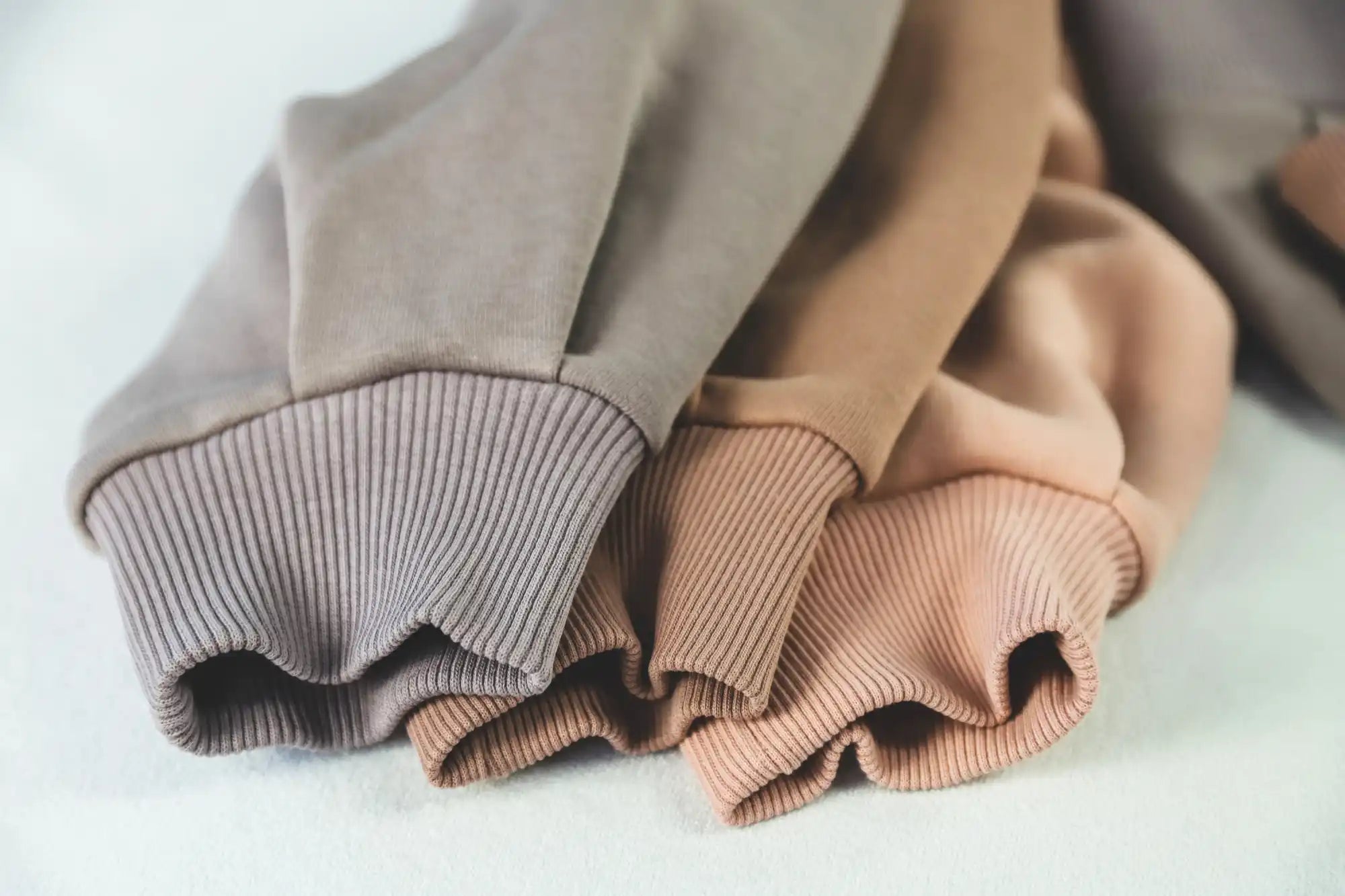
Materials & Fabrics for Clothing Production
Explore cotton, French terry, jersey, fleece, and sustainable blends used in premium apparel manufacturing.
Explore Premium Apparel Fabrics Guide
Printing Techniques for Apparel Production
Screen printing, embroidery, puff prints, and digital methods for custom clothing manufacturing.
Explore Custom Apparel Printing Techniques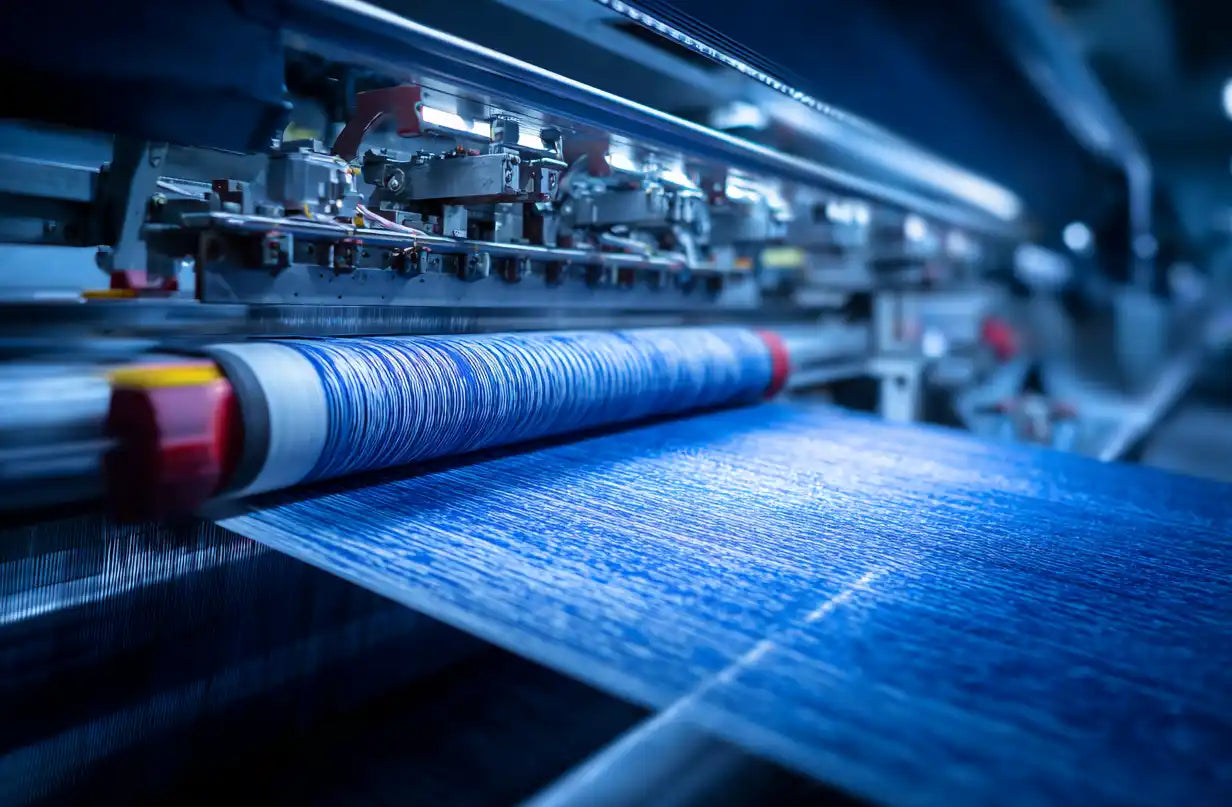
Dyeing Techniques in Clothing Manufacturing
Garment dye, pigment, acid wash, and stone wash finishes that create unique apparel designs.
Compare Apparel Finishing Techniques
Popular Clothing Items for Custom Apparel
Hoodies, joggers, t-shirts, leggings, and biker shorts — essentials for every apparel collection.
Explore Popular Custom Clothing Items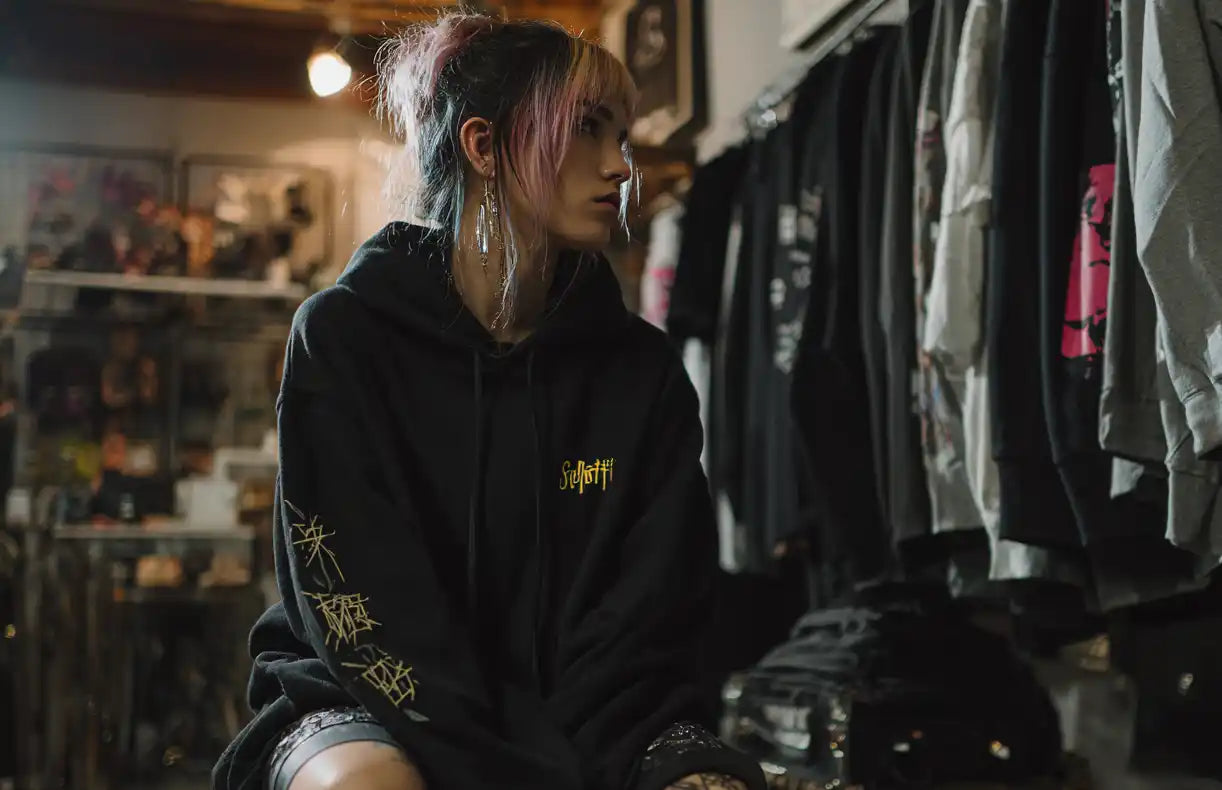
Trends & Designs in Modern Apparel
Oversized fits, streetwear influences, and activewear styles driving custom clothing production.
Explore Trends & Designs for Apparel Development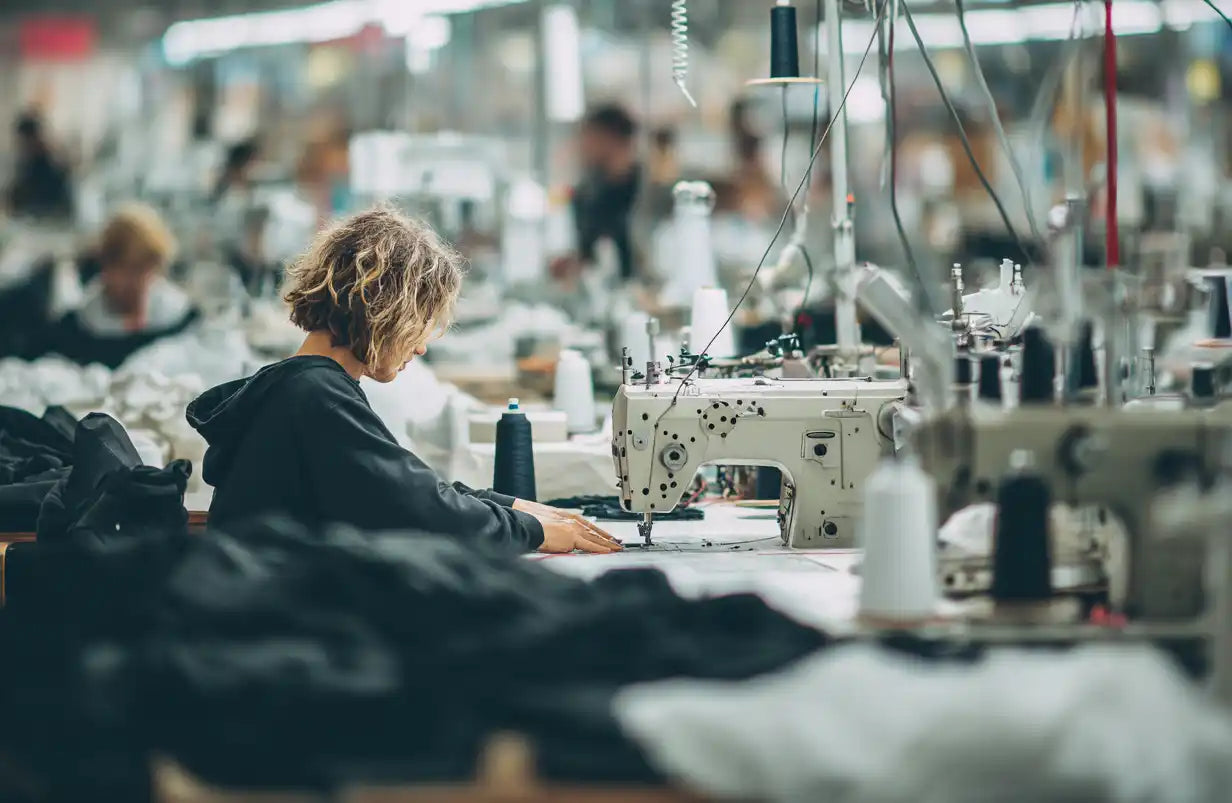
Sustainable & Ethical Clothing Production
OEKO-TEX® certified fabrics, organic cotton, and ethical apparel manufacturing in Portugal.
Understand Sustainable & Ethical Clothing Production
Essentials for Custom Clothing Production
Custom labels, packaging, and trims that elevate your apparel brand in production.
Explore Essentials for Custom Clothing Production
Resources for Custom Clothing Production
Startup guides, logistics support, and scaling strategies for apparel brands and wholesale clients.
Explore Resources for Custom Clothing Production
Clothing Manufacturing Glossary
Explore a complete glossary of clothing and garment manufacturing terms
The Complete Clothing Manufacturing Glossary
The Best Clothing Manufacturers
Explore global clothing manufacturers by country
Explore The Best Clothing Manufacturers
The Latest Clothing Industry Updates in 2025
Discover the latest news about important topics in the clothing industry in 2025,
Stay On Top Of Clothing Industry Updates
Worldwide Best Manufacturers of Clothes in 2026
Top clothing manufacturers worldwide organized by product type
Find The Worldwide Best Manufacturers of Clothes