
Slim Fit Apparel Manufacturing for Modern Brands
Slim fit apparel manufacturing has become a foundational approach for brands seeking a clean silhouette without compromising comfort, scalability, or production efficiency. Across custom t-shirts, custom made hoodies, and embroidered sweatshirts, slim fit offers predictable grading, reduced material waste, and strong visual alignment with modern branding.
This article explains how slim fit garments are engineered, how decoration methods interact with the silhouette, and what sourcing teams must consider to avoid production risks. The focus is practical, production-oriented, and relevant for global apparel programs.
What Is Slim Fit Apparel?
Slim fit apparel is a close-cut silhouette designed to follow the body’s contours while preserving functional ease for movement. Unlike tight or compression fits, slim fit garments retain controlled allowances at key stress points such as the chest, shoulders, hips, and knees.
From a manufacturing perspective, slim fit patterns are engineered through measured circumference reductions while maintaining balance points and consistent grading rules across sizes.
Fit Spectrum Comparison
| Fit Type | Ease Allowance | Visual Profile | Common Use Cases |
|---|---|---|---|
| Slim Fit | Moderate | Tailored, clean | Retail tees, hoodies, lifestyle wear |
| Standard Fit | High | Relaxed | Promotional apparel, basics |
| Muscle Fit | Low | Contoured | Performance and gym wear |
Slim Fit Applications in Apparel Production
Slim Fit Custom T-Shirts
Slim fit is widely used in custom t shirts programs because it supports logo clarity, flat print surfaces, and retail-ready aesthetics. Reduced excess fabric helps prevent graphic distortion during wear and washing.
Production teams typically select mid-weight jersey fabrics with controlled stretch to ensure the garment retains its shape after repeated laundering.
Slim Fit Custom Made Hoodies
Slim fit custom made hoodies offer a structured alternative to oversized fleece silhouettes. They are frequently used in premium athleisure collections, corporate programs, and branded merchandise.
Panel construction, rib compression, and hood depth must be carefully balanced to allow layering while preserving a clean outline.
Key Steps to Customize a Hoodie With a Slim Silhouette
To customize a hoodie successfully within a slim fit framework, designers must account for decoration weight, seam placement, and stretch recovery. Chest and sleeve placements should avoid high-tension zones that may distort prints or embroidery.
Sampling should always include wash testing to confirm dimensional stability after decoration.
How Slim Fit Pattern Development Works
Slim fit pattern development begins with a standard block that is selectively reduced at the torso, sleeves, or legs while maintaining balance points. Ease allowances are redistributed rather than removed entirely to preserve comfort.
Fit samples are evaluated across multiple sizes to ensure consistent grading. Fabric stretch, recovery, and shrinkage are tested before final production approval.
Printing Methods for Slim Fit Apparel
Screen Printing
How it works: Screen printing applies ink through a mesh stencil directly onto the garment surface. Each color requires a separate screen, allowing precise control over ink thickness and opacity. The print is cured using heat to bond the ink permanently to the fibers. This method is highly durable and scalable for bulk production.
Comparison: Screen Printing vs DTG
Screen printing offers superior durability and lower per-unit costs at volume, while DTG is better suited for short runs and high-detail imagery. Slim fit garments benefit from screen printing because the flatter surface minimizes cracking.
Heat Transfer Printing
How it works: Heat transfer printing uses pre-printed films that are applied to garments using heat and pressure. Adhesive layers activate during pressing, bonding the design to the fabric. This process allows fast setup and flexible personalization. However, breathability depends on transfer material quality.
Comparison: Heat Transfer vs DTF
DTF offers improved stretch and wash durability compared to traditional heat transfer, making it more suitable for slim fit garments that experience higher fabric tension.
Custom Embroidery on Slim Fit Sweatshirts
Custom embroidery on sweatshirts is frequently used for branding when a premium or textured finish is required. Slim fit garments demand careful stitch density control to prevent puckering.
How it works: Embroidery machines stitch digitized designs directly into the fabric using programmed stitch paths. Backing stabilizers are applied to support the fabric during stitching. Thread tension is adjusted to match fabric thickness and elasticity. Once complete, excess stabilizer is trimmed away.
Comparison: Embroidery vs Woven Patches
Embroidery integrates directly into the garment, offering durability and a clean finish, while woven patches add bulk and may affect drape on slim fit silhouettes.
Fabric Selection for Slim Fit Apparel
Fabric choice directly impacts comfort, appearance, and fit retention. Slim fit garments require materials with controlled stretch and strong recovery.
Fabric Weight and Elasticity Considerations
| Fabric Type | Typical GSM | Stretch Profile | Best Use |
|---|---|---|---|
| Cotton Jersey | 160–190 | Low | Fashion tees |
| Cotton-Poly Blend | 180–220 | Moderate | Branded t-shirts |
| Fleece with Elastane | 280–340 | Moderate | Slim fit hoodies |
Certifications and Global Compliance
Slim fit apparel follows the same compliance requirements as other silhouettes, but decoration materials must also meet certification standards.
These certifications verify material safety, chemical compliance, and responsible sourcing for international distribution.
Common Mistakes to Avoid
- Over-reducing ease: Causes restricted movement, leading to customer dissatisfaction and increased return rates.
- Ignoring shrinkage data: Results in post-wash size inconsistencies and quality complaints.
- Heavy embroidery on light fabrics: Distorts garment shape and shortens product lifespan.
- Poor print placement: Leads to cracking near seams and brand perception issues.
FAQs About Certification & Standards
Are certifications required for slim fit apparel?
Certifications are not legally mandatory in all markets, but they are often required by retailers and distributors. They also support transparency and consumer trust.
Does embroidery affect certification compliance?
Embroidery does not invalidate certification if threads, stabilizers, and dyes meet approved standards.
Is GOTS applicable to blended fabrics?
GOTS applies only to products with certified organic fiber content above specified thresholds.
FAQs About Sourcing & Production
Is slim fit more expensive to manufacture?
Slim fit does not inherently increase cost. Expenses depend on fabric selection, pattern complexity, and decoration methods.
Can slim fit garments scale across size ranges?
Yes, when grading rules are properly engineered and validated through fit testing.
What is the typical MOQ?
MOQs vary by factory and decoration method but are comparable to standard fit programs.
FAQs About Materials & Care
Do slim fit garments lose shape over time?
Shape retention depends on fabric quality and finishing processes rather than fit style.
Are slim fit hoodies suitable for frequent washing?
Yes, when constructed with stable knits and quality rib components.
Does embroidery affect care instructions?
Embroidery typically increases durability but may require washing inside-out to protect stitching.
Written by the AthleisureBasics Technical Design Team, specialists in precision-engineered silhouettes and scalable B2B apparel solutions.
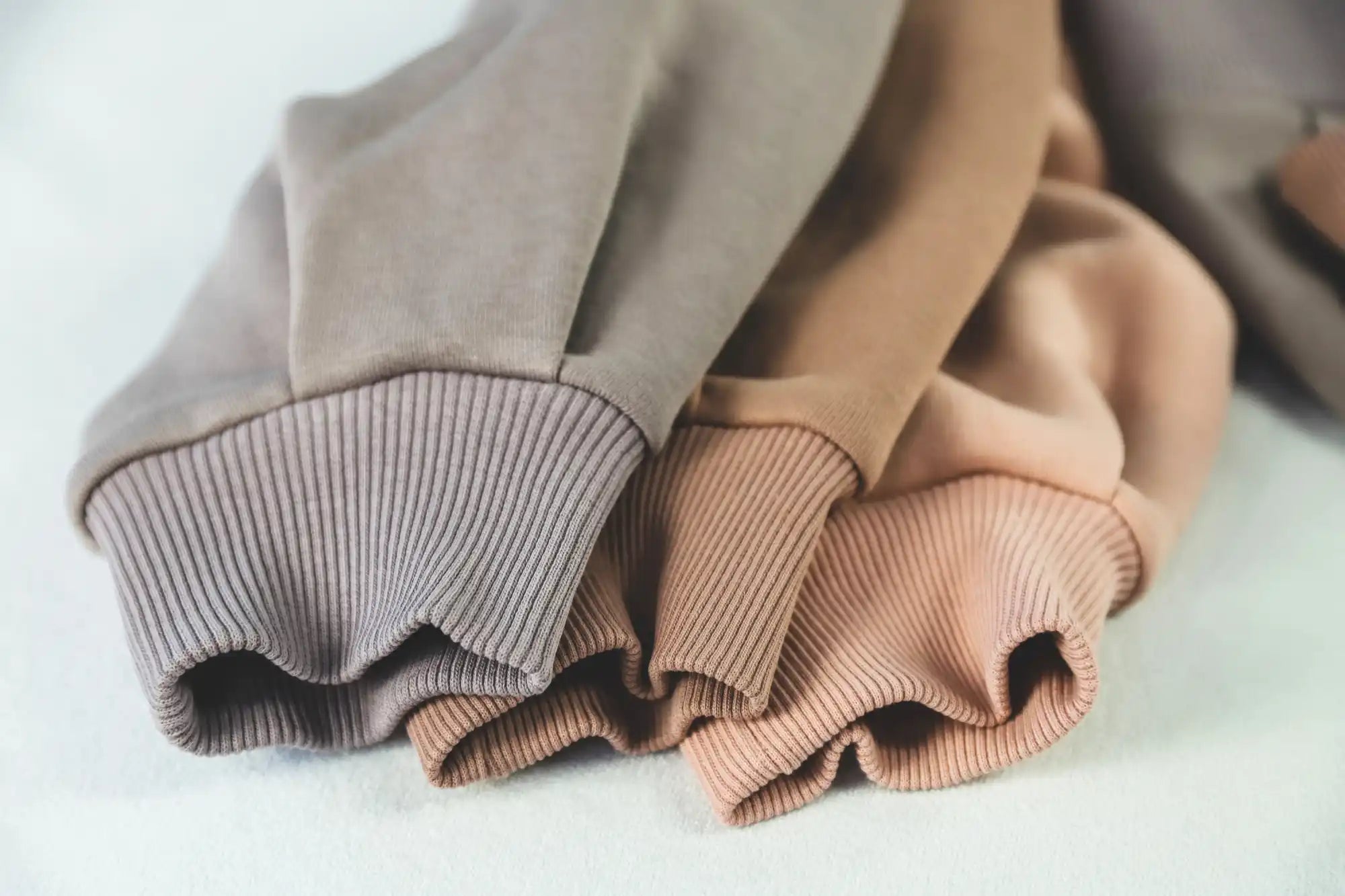
Materials & Fabrics for Clothing Production
Explore cotton, French terry, jersey, fleece, and sustainable blends used in premium apparel manufacturing.
Explore Premium Apparel Fabrics Guide
Printing Techniques for Apparel Production
Screen printing, embroidery, puff prints, and digital methods for custom clothing manufacturing.
Explore Custom Apparel Printing Techniques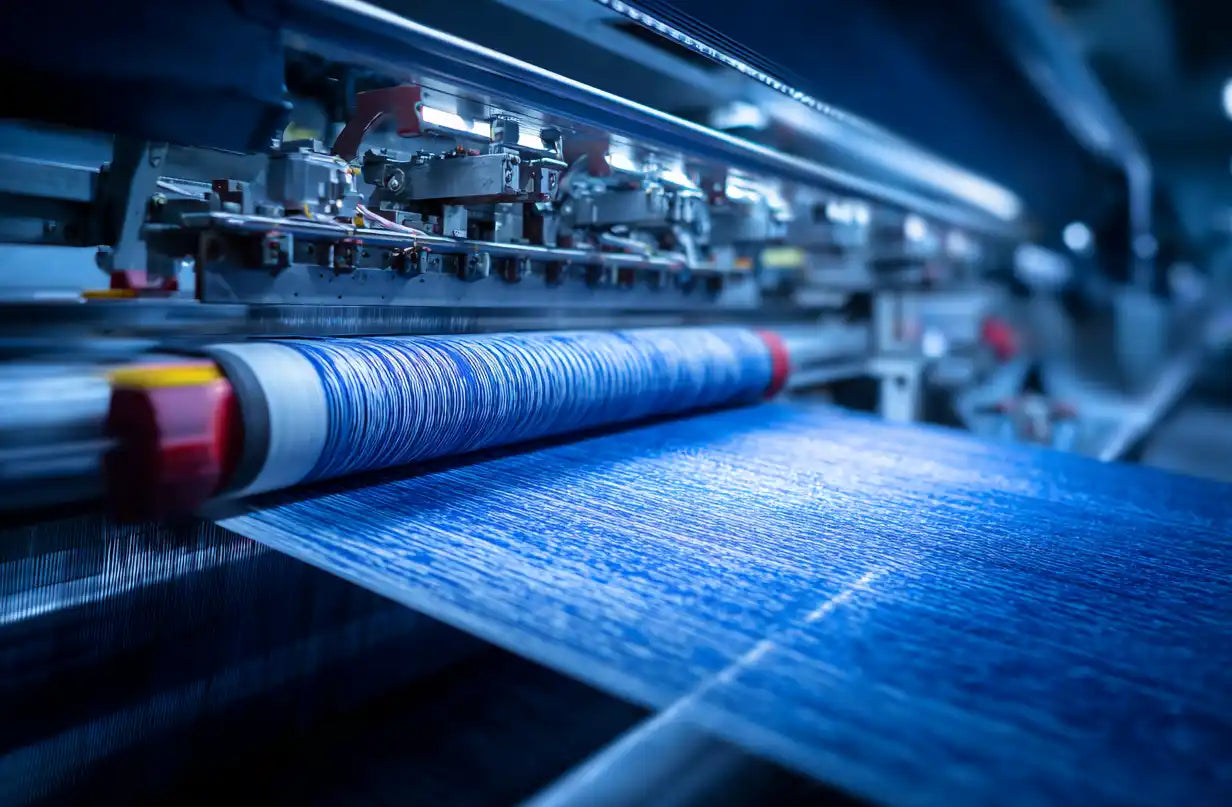
Dyeing Techniques in Clothing Manufacturing
Garment dye, pigment, acid wash, and stone wash finishes that create unique apparel designs.
Compare Apparel Finishing Techniques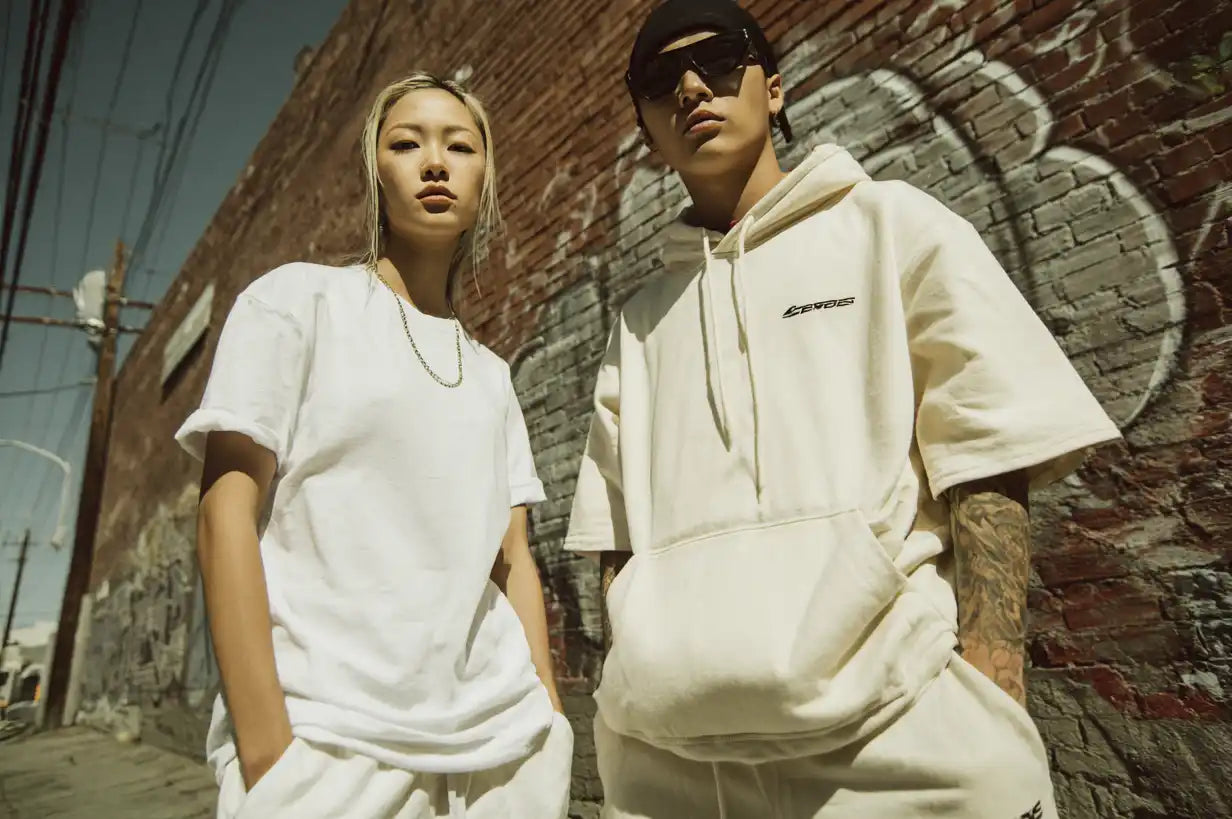
Popular Clothing Items for Custom Apparel
Hoodies, joggers, t-shirts, leggings, and biker shorts — essentials for every apparel collection.
Explore Popular Custom Clothing Items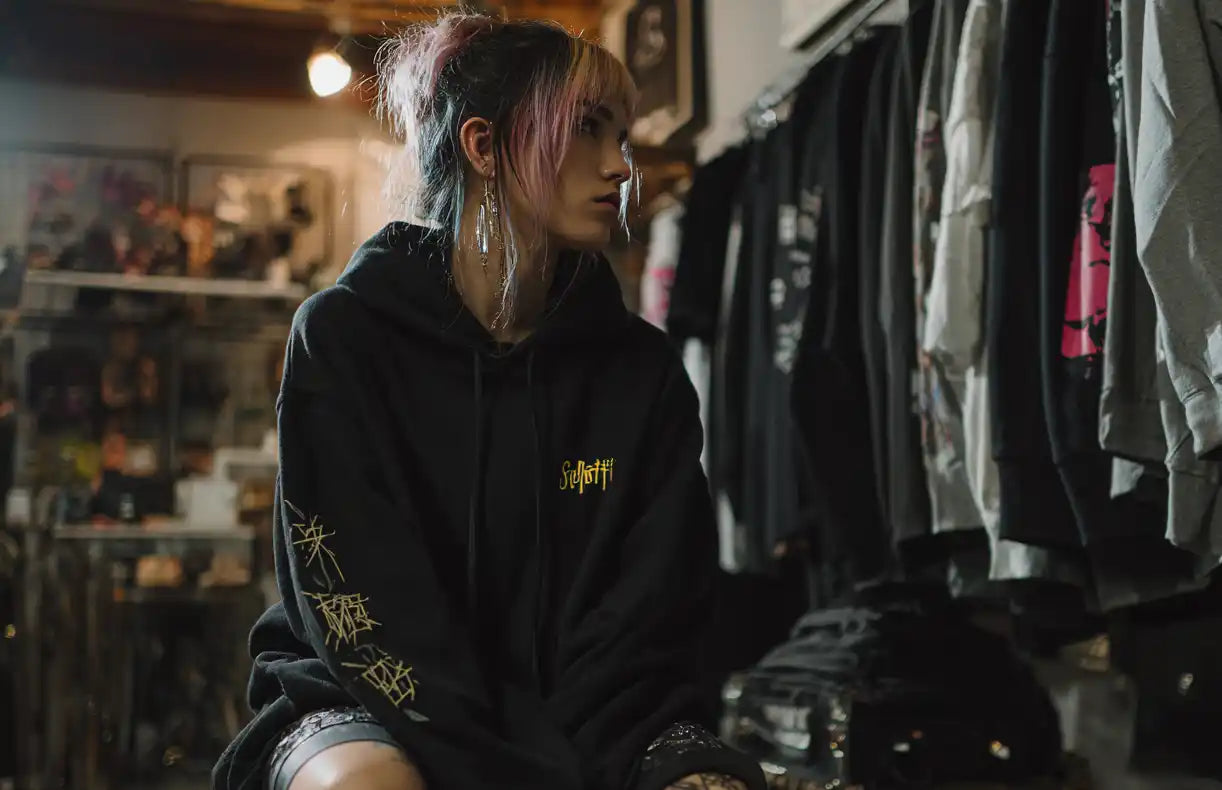
Trends & Designs in Modern Apparel
Oversized fits, streetwear influences, and activewear styles driving custom clothing production.
Explore Trends & Designs for Apparel Development
Sustainable & Ethical Clothing Production
OEKO-TEX® certified fabrics, organic cotton, and ethical apparel manufacturing in Portugal.
Understand Sustainable & Ethical Clothing Production
Essentials for Custom Clothing Production
Custom labels, packaging, and trims that elevate your apparel brand in production.
Explore Essentials for Custom Clothing Production
Resources for Custom Clothing Production
Startup guides, logistics support, and scaling strategies for apparel brands and wholesale clients.
Explore Resources for Custom Clothing Production
Clothing Manufacturing Glossary
Explore a complete glossary of clothing and garment manufacturing terms
The Complete Clothing Manufacturing Glossary
The Best Clothing Manufacturers
Explore global clothing manufacturers by country
Explore The Best Clothing Manufacturers
The Latest Clothing Industry Updates in 2025
Discover the latest news about important topics in the clothing industry in 2025,
Stay On Top Of Clothing Industry Updates
Worldwide Best Manufacturers of Clothes in 2026
Top clothing manufacturers worldwide organized by product type
Find The Worldwide Best Manufacturers of Clothes