
Specialty Printing for Custom Made Hoodies & Apparel
Specialty, texture, and embellishment printing techniques are increasingly used by apparel brands to add tactile value, visual impact, and product differentiation. In 2025, flat graphics alone are rarely sufficient for premium positioning, particularly for custom made hoodies and branded sweatshirts.
This guide explains how flock, foil, glitter, puff, high-density printing, and embroidery work in real production environments. For a broader overview of apparel decoration processes, see our printing techniques for custom clothing production resource.
Key Specialty Printing Techniques
- Flock printing: Applies short fibers to create a soft, velvety surface.
- Foil printing: Uses heat-activated metallic sheets for reflective finishes.
- Glitter printing: Embeds reflective particles into adhesive inks.
- Puff printing: Expands ink during curing for raised effects.
- High-density printing: Builds ink thickness through controlled layering.
- Embroidery: Uses stitched threads for durable, premium branding.
Flock Printing
Flock printing is used when brands want a soft, fabric-like texture that contrasts with the base garment. It is commonly applied to chest logos and minimal graphics on custom made hoodies.
How Flock Printing Works
An adhesive ink is screen printed through a medium-mesh screen onto the garment. While the adhesive remains wet, finely cut textile fibers are electrostatically charged and applied so they stand vertically. Heat curing permanently bonds the fibers to the adhesive layer.
Flock Printing vs. Puff Printing
Flock produces a soft surface made of fibers, while puff printing creates a raised ink structure. Puff is more elastic, but flock delivers a more textile-like hand feel for premium applications.
Foil Printing
Foil printing is used to create metallic or mirror-like finishes that catch light and attention. It is most effective for controlled, low-abrasion areas of custom apparel.
How Foil Printing Works
A foil adhesive ink is screen printed and partially cured. A metallic foil sheet is pressed onto the adhesive using heat and pressure, then peeled away, leaving foil only where adhesive was applied.
Foil Printing vs. Heat Transfer Vinyl
Foil printing integrates more closely with the fabric surface, while heat transfer vinyl sits on top of the garment. Vinyl allows sharper edges, but foil offers better breathability and a lighter feel.
Pro Sourcing Tip: Always test foil adhesion after wash cycles, as insufficient adhesive curing leads to premature peeling.
Glitter Printing
Glitter printing adds sparkle through reflective particles and is commonly used for accent graphics and fashion-forward collections. In 2025, biodegradable bio-glitters are increasingly specified to meet sustainability expectations.
How Glitter Printing Works
A specialty adhesive ink is printed onto the garment. Glitter particles are applied over the adhesive and heat cured, embedding them permanently into the printed area.
Glitter Printing vs. Foil Printing
Glitter produces a textured, diffused sparkle, while foil creates a smooth reflective surface. Foil appears more polished, while glitter delivers visual energy.
Puff & High-Density Printing
Both puff and high-density printing create dimensional effects, but they rely on different technical approaches.
How Puff & High-Density Printing Work
Puff printing uses ink mixed with a foaming agent that expands when exposed to curing heat. High-density printing relies on thick stencils and layered ink passes to build height without expansion.
Puff Printing vs. High-Density Printing
Puff produces rounded, softer edges, while high-density printing delivers sharper outlines and greater abrasion resistance.
Pro Sourcing Tip: Puff ink requires precise cure temperatures; under-curing results in collapsed texture after washing.
Custom Embroidery on Sweatshirts
Embroidery is one of the most durable decoration methods and is often chosen for long-term branding on sweatshirts and hoodies.
How Embroidery Works
Artwork is digitized into stitch paths and executed by embroidery machines using controlled stitch density and tension. Backing materials are applied to stabilize fabric and improve longevity.
Embroidery vs. Screen Printing
Embroidery offers superior durability and perceived value, while screen printing is more suitable for large graphics and cost-efficient bulk runs.
Comparison of Specialty Printing Methods
| Method | Texture | Durability | Best Use |
|---|---|---|---|
| Flock | Soft, velvety | Medium | Luxury logos |
| Foil | Smooth, metallic | Medium | Statement graphics |
| Glitter | Textured sparkle | Medium | Decorative accents |
| Puff | Raised, soft | Medium-High | Bold branding |
| High-Density | Raised, firm | High | Sharp logos |
| Embroidery | Threaded | Very High | Premium branding |
Common Mistakes to Avoid
- Using foil or glitter on high-friction areas, which results in peeling and early product returns.
- Selecting puff ink for lightweight fabrics, causing distortion and loss of shape.
- Skipping wash testing, leading to unexpected shrinkage or texture degradation.
- Over-layering embellishments, increasing garment weight and reducing wearer comfort.
Sustainability & Compliance
Many specialty inks and embroidery threads now comply with OEKO-TEX® Standard 100 requirements, ensuring they are tested for harmful substances. Official criteria and testing scope are published by OEKO-TEX.
For EU production, chemical usage must align with REACH regulations enforced by the European Chemicals Agency.
Frequently Asked Questions
Certification & Standards
Are specialty inks certified?
Many water-based specialty inks are OEKO-TEX® Standard 100 compliant, depending on supplier and curing process.
Does embroidery require certification?
Threads and backing materials may require certification, especially for garments in direct skin contact.
Are glitter inks compliant in 2025?
Biodegradable bio-glitters are increasingly specified to meet environmental standards.
Sourcing & Production
Do specialty prints increase MOQs?
Some techniques require higher setup costs, but many suppliers now offer scalable options.
Can techniques be combined?
Yes, but sequencing must be planned to avoid damage during curing.
Are these methods suitable for bulk orders?
Once sampling is approved, most techniques scale reliably.
Materials & Care
How should foil garments be washed?
Wash inside out on cold cycles and avoid tumble drying.
Do puff prints crack?
Properly cured puff prints retain elasticity and resist cracking.
Is embroidery comfortable?
Soft backing materials improve comfort and reduce irritation.
If your brand plans to develop new collections using specialty printing methods, reach out to our team via the request form to discuss availability and production options.
```
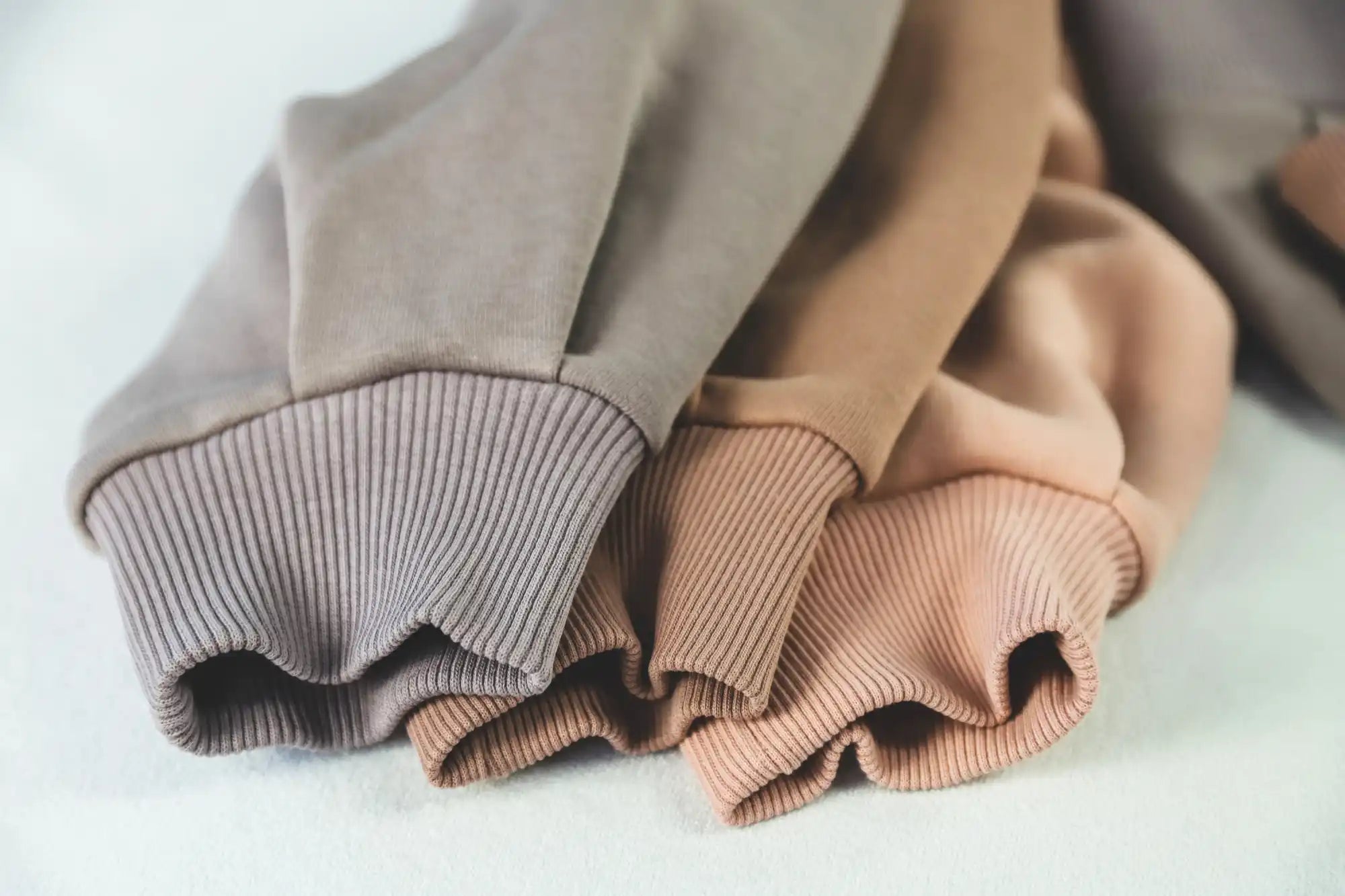
Materials & Fabrics for Clothing Production
Explore cotton, French terry, jersey, fleece, and sustainable blends used in premium apparel manufacturing.
Explore Premium Apparel Fabrics Guide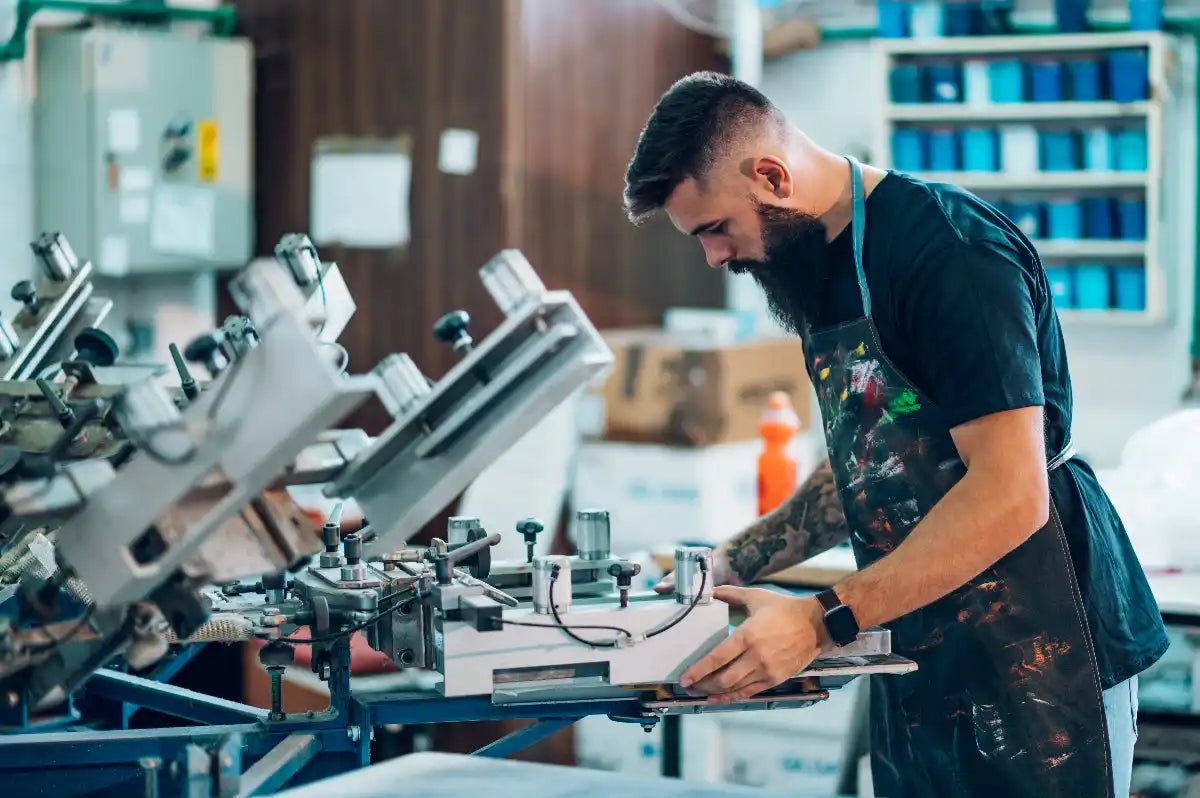
Printing Techniques for Apparel Production
Screen printing, embroidery, puff prints, and digital methods for custom clothing manufacturing.
Explore Custom Apparel Printing Techniques
Dyeing Techniques in Clothing Manufacturing
Garment dye, pigment, acid wash, and stone wash finishes that create unique apparel designs.
Compare Apparel Finishing Techniques
Popular Clothing Items for Custom Apparel
Hoodies, joggers, t-shirts, leggings, and biker shorts — essentials for every apparel collection.
Explore Popular Custom Clothing Items
Trends & Designs in Modern Apparel
Oversized fits, streetwear influences, and activewear styles driving custom clothing production.
Explore Trends & Designs for Apparel Development
Sustainable & Ethical Clothing Production
OEKO-TEX® certified fabrics, organic cotton, and ethical apparel manufacturing in Portugal.
Understand Sustainable & Ethical Clothing Production
Essentials for Custom Clothing Production
Custom labels, packaging, and trims that elevate your apparel brand in production.
Explore Essentials for Custom Clothing Production
Resources for Custom Clothing Production
Startup guides, logistics support, and scaling strategies for apparel brands and wholesale clients.
Explore Resources for Custom Clothing Production
Clothing Manufacturing Glossary
Explore a complete glossary of clothing and garment manufacturing terms
The Complete Clothing Manufacturing Glossary
The Best Clothing Manufacturers
Explore global clothing manufacturers by country
Explore The Best Clothing Manufacturers
The Latest Clothing Industry Updates in 2025
Discover the latest news about important topics in the clothing industry in 2025,
Stay On Top Of Clothing Industry Updates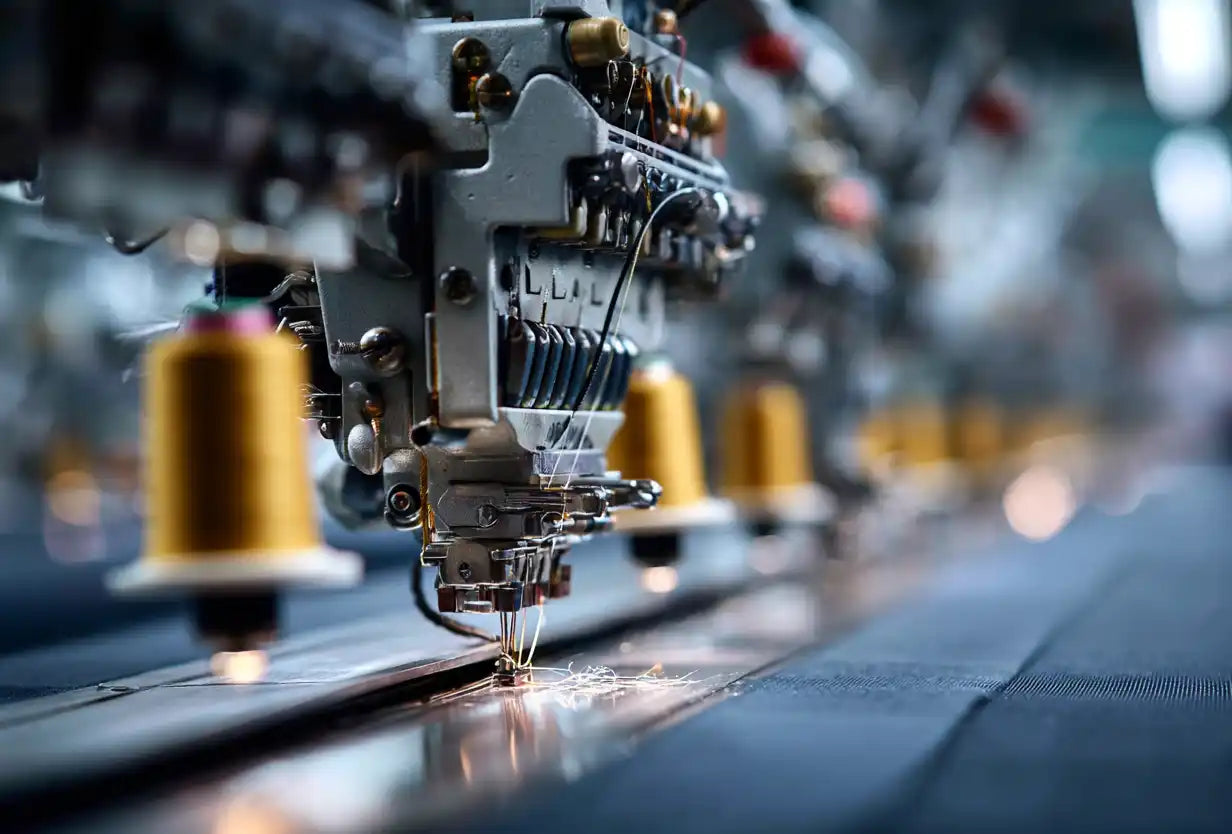
Worldwide Best Manufacturers of Clothes in 2026
Top clothing manufacturers worldwide organized by product type
Find The Worldwide Best Manufacturers of Clothes