
Stickers & Inserts for Custom Made Hoodies in 2025
In modern apparel production, stickers and inserts are no longer decorative afterthoughts. For brands producing custom made hoodies, they play a functional role in logistics, compliance, and customer perception. The same principles increasingly apply to custom t-shirts and other cut-and-sew garments, where packaging elements influence unboxing quality and downstream handling.
Unlike woven labels or embroidery, stickers and inserts are applied after garment production. This separation gives brands flexibility to update messaging, comply with regional regulations, and adjust marketing without altering the garment itself.
How Stickers and Inserts Work for Custom Made Hoodies and Apparel
Stickers and inserts are applied during the final stages of fulfillment, typically after quality control and folding. Because they are not permanently attached, they can be updated between production runs without affecting the base garment. This makes them particularly valuable for seasonal drops and multi-region distribution.
How It Works
After hoodies complete sewing, washing, and finishing, they move to inspection. Once approved, garments are folded and prepared for packing. Stickers are applied to polybags or external packaging, while inserts are placed inside before sealing.
Comparison: Stickers vs. Hang Tags
Stickers are typically used for logistics, pricing, or compliance, while hang tags serve branding and storytelling purposes. Stickers are faster to apply and easier to update, whereas hang tags require physical attachment and higher labor time.
Why Stickers and Inserts Matter When You Customize a Hoodie
When brands customize a hoodie, the garment itself often carries long-term branding through embroidery or woven labels. Stickers and inserts handle short-term information such as size, SKU, barcodes, or campaign messaging. This separation reduces risk when regulations or marketing copy changes.
How It Works
Artwork for stickers and inserts is finalized independently from garment production. Printing runs can be scheduled closer to shipping dates. This allows last-minute updates without delaying sewing timelines.
Comparison: Inserts vs. Printed Care Labels
Printed care labels are permanent and regulated, while inserts are removable and flexible. Inserts are ideal for storytelling, QR codes, and promotions, whereas care labels focus strictly on compliance.
Materials and Printing Options
- Paper inserts using FSC-certified stock for sustainability claims
- Matte or gloss adhesive stickers for polybags
- Water-based inks for reduced chemical impact
- Digital printing for short runs and variable data
- Offset printing for large-volume consistency
Using certified paper sources such as those recognized by the Forest Stewardship Council helps brands substantiate sustainability messaging. More information on certification standards is available at https://fsc.org. For broader textile and packaging sustainability frameworks, industry guidance can be found through https://textileexchange.org.
Comparison: Digital vs. Offset Printing
Digital printing allows rapid iteration and low minimums, while offset printing offers superior unit economics at scale. Brands often use digital for testing and offset for established programs.
Integration With Other Custom Apparel Programs
Stickers and inserts are commonly deployed alongside custom embroidery on sweatshirts, where the garment carries premium branding and packaging reinforces perceived value. They are equally relevant for custom t-shirts distributed through wholesale or direct-to-consumer channels.
Brands managing higher-volume tee programs can review sourcing, labeling, and production considerations in this guide: U.S. T-Shirt Suppliers 2025 Wholesale Guide.
How It Works
Packaging specifications are added to the production checklist after garment approval. Suppliers confirm placement, quantities, and packing order before mass fulfillment begins.
Comparison: Stickers vs. Woven Labels
Woven labels are permanent brand identifiers, while stickers are temporary and informational. Most brands use both, assigning each a distinct function.
Common Mistakes Brands Make
- Applying stickers directly to fabric, causing adhesive ghosting after removal
- Overlooking labor time for manual insert placement
- Using non-certified paper while claiming sustainability
- Failing to localize compliance information for different regions
Avoiding these issues requires early planning and clear communication with fulfillment partners.
Frequently Asked Questions
Certification & Standards
Stickers and inserts are not certified products, but the materials used can be. FSC certification applies to paper stock, while ink compliance depends on regional chemical regulations. Brands should retain supplier documentation for audits.
Sourcing & Production
Most brands source stickers and inserts separately from garment manufacturing. This allows better cost control and faster updates. Coordination is required to ensure correct quantities and timing.
Materials & Care
Paper inserts should be stored in dry environments to avoid warping. Adhesive stickers should be tested on packaging materials before full production to prevent residue or peeling issues.
Written by the AthleisureBasics Production Team, specialists in end-to-end apparel sourcing and packaging execution.
If your brand plans to develop new collections using scalable packaging, labeling, and finishing strategies, you can reach out to our team through the request form to discuss production requirements and availability.
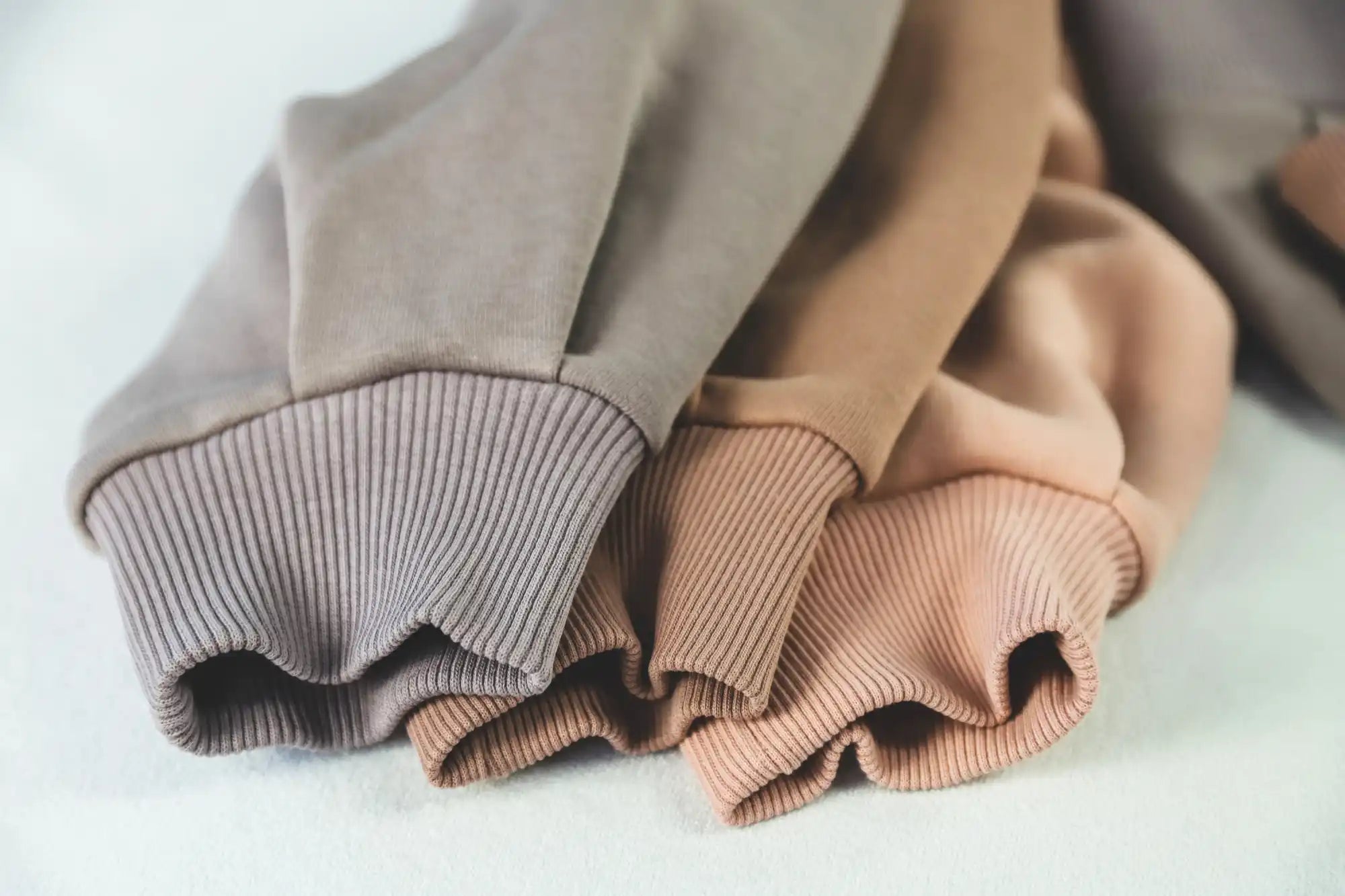
Materials & Fabrics for Clothing Production
Explore cotton, French terry, jersey, fleece, and sustainable blends used in premium apparel manufacturing.
Explore Premium Apparel Fabrics Guide
Printing Techniques for Apparel Production
Screen printing, embroidery, puff prints, and digital methods for custom clothing manufacturing.
Explore Custom Apparel Printing Techniques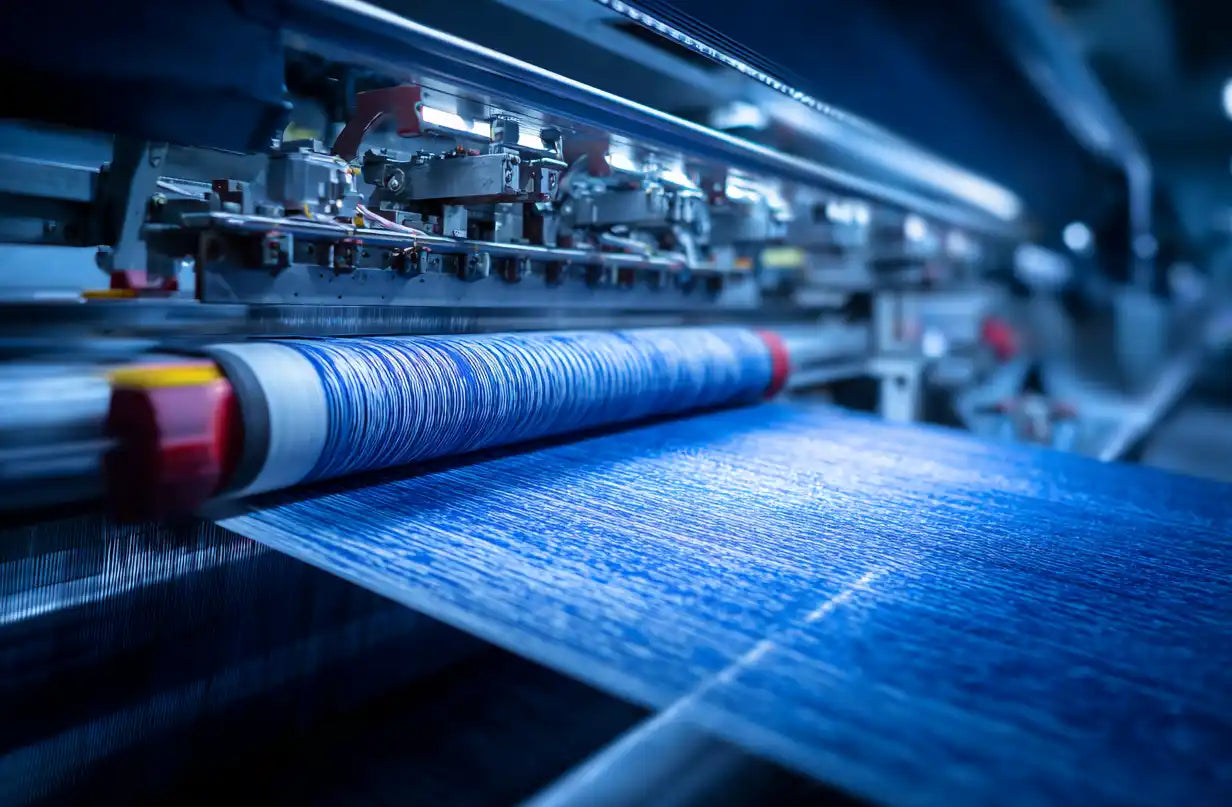
Dyeing Techniques in Clothing Manufacturing
Garment dye, pigment, acid wash, and stone wash finishes that create unique apparel designs.
Compare Apparel Finishing Techniques
Popular Clothing Items for Custom Apparel
Hoodies, joggers, t-shirts, leggings, and biker shorts — essentials for every apparel collection.
Explore Popular Custom Clothing Items
Trends & Designs in Modern Apparel
Oversized fits, streetwear influences, and activewear styles driving custom clothing production.
Explore Trends & Designs for Apparel Development
Sustainable & Ethical Clothing Production
OEKO-TEX® certified fabrics, organic cotton, and ethical apparel manufacturing in Portugal.
Understand Sustainable & Ethical Clothing Production
Essentials for Custom Clothing Production
Custom labels, packaging, and trims that elevate your apparel brand in production.
Explore Essentials for Custom Clothing Production
Resources for Custom Clothing Production
Startup guides, logistics support, and scaling strategies for apparel brands and wholesale clients.
Explore Resources for Custom Clothing Production
Clothing Manufacturing Glossary
Explore a complete glossary of clothing and garment manufacturing terms
The Complete Clothing Manufacturing Glossary
The Best Clothing Manufacturers
Explore global clothing manufacturers by country
Explore The Best Clothing Manufacturers
The Latest Clothing Industry Updates in 2025
Discover the latest news about important topics in the clothing industry in 2025,
Stay On Top Of Clothing Industry Updates
Worldwide Best Manufacturers of Clothes in 2026
Top clothing manufacturers worldwide organized by product type
Find The Worldwide Best Manufacturers of Clothes