
Target Audience Alignment in Apparel Design Development
Target audience alignment is one of the most decisive factors in apparel design development. In 2025, brands producing custom made hoodies, custom t shirts, and athleisure garments cannot rely on aesthetics alone. Every design choice must reflect how a specific customer segment shops, wears, and evaluates quality.
This article is part of the Trends & Designs for Apparel Development pillar and focuses on how aligning visual language, fabric engineering, and decoration methods with the target demographic reduces production risk and improves long-term brand consistency.
Why Target Audience Alignment Matters
Apparel design is a translation of consumer expectations into physical products. When brands fail to align design decisions with their audience, the result is often slow sell-through, inconsistent sizing feedback, and excess inventory.
Minimalist consumers judge quality through fabric weight and construction. Streetwear buyers respond to bold visuals and fit volume. Athleisure customers expect comfort, movement, and durability across daily use.
Defining the Core Customer Before Design Development
Successful collections begin with a defined customer profile. This includes lifestyle, price tolerance, garment usage, and sensitivity to sustainability or certification standards.
Brands that attempt to serve multiple audiences with a single design language often dilute brand clarity and complicate production.
Minimalist Apparel Design: Precision Over Graphics
Minimalist apparel emphasizes restraint. Visual noise is reduced so that fabric quality, fit, and finishing become the focal points. This approach is common in premium custom t shirts and heavyweight hoodies.
How It Works: Minimalist Design Development
Minimalist design begins with pattern accuracy and fabric selection. Combed cotton jerseys or heavyweight fleece are often used to ensure smooth surfaces and consistent drape. Decoration is applied selectively to avoid disrupting garment balance.
Comparison: Embroidery vs Screen Printing for Minimalist Apparel
Custom embroidery on sweatshirts offers a durable, dimensional finish that complements minimalist positioning. Screen printing creates stronger visual contrast and is less aligned with understated branding.
Graphic Streetwear: Designing for Visibility and Identity
Streetwear is built on immediate recognition. Oversized silhouettes, drop shoulders, and graphic dominance signal identity and cultural alignment.
How It Works: Graphic Apparel Production
Streetwear production begins with artwork scaled to oversized patterns. When brands customize a hoodie for this segment, ink density, placement tolerance, and fabric stability are tested to maintain consistency across sizes.
When to Use Screen Printing vs DTG for Streetwear?
Screen printing delivers superior opacity and wash durability for bold graphics. DTG supports intricate detail but performs best on lighter-weight fabrics and shorter production runs.
Athleisure Design: Balancing Function and Lifestyle
Athleisure customers expect garments to perform during movement while remaining suitable for casual environments. This dual-use requirement shapes fabric engineering and seam construction.
How It Works: Athleisure Apparel Development
Athleisure garments are developed using interlock knits and blended fabrics for stretch recovery. Flatlock stitching is applied to reduce friction and increase seam durability during extended wear.
Comparison: Heat Transfer vs Sublimation in Athleisure
Heat transfer suits small branding elements. Sublimation embeds color into synthetic fibers, preserving breathability and stretch across full-panel designs.
Fabric Selection as a Signal to the Customer
| Segment | Recommended GSM | Primary Fiber |
|---|---|---|
| Minimalist | 220–400 | Combed Cotton |
| Streetwear | 240–450 | Cotton or Cotton Blend |
| Athleisure | 180–260 | Polyester / Elastane |
Certifications and Standards
Certifications influence purchasing decisions, particularly for premium and sustainability-focused audiences. Standards such as GOTS, OEKO-TEX®, and GRS signal material traceability and chemical safety.
Common Mistakes to Avoid
- Designing without a clearly defined customer profile
- Using lightweight fabrics for premium-positioned garments
- Over-branding minimalist collections
- Ignoring fabric and decoration compatibility
- Selecting production methods based solely on cost
Frequently Asked Questions
FAQs About Certification & Standards
Which certifications matter most for premium apparel?
GOTS and OEKO-TEX® are most commonly referenced for fabric safety and responsible sourcing. They align well with minimalist and sustainability-driven brands.
Are certifications required for global production?
They are not legally mandatory in most regions, but they reduce compliance risk and improve buyer confidence.
Do certifications affect lead times?
Certified materials may require advanced planning, but they improve long-term sourcing stability.
FAQs About Sourcing & Production
When should manufacturers be involved?
Manufacturers should be consulted during fabric and decoration selection to prevent costly revisions.
Can one supplier support multiple styles?
Yes, if production requirements are clearly separated and documented.
Does audience alignment reduce MOQ risk?
Yes, clearer targeting improves forecast accuracy and reorder performance.
FAQs About Materials & Care
Is heavier fabric always better?
No. Fiber quality, knit structure, and finishing determine performance more than GSM alone.
How does care affect garment lifespan?
Improper washing can damage prints, seams, and fabric recovery.
Should care labels differ by segment?
Yes. Premium customers expect guidance that preserves long-term quality.
Plan Audience-Aligned Apparel Collections
If your brand is developing new collections that require precise audience alignment, certified fabrics, and scalable production methods, our team can support you through material selection, decoration planning, and production feasibility.
Reach out via the request form to discuss availability, minimums, and production options for your upcoming designs.
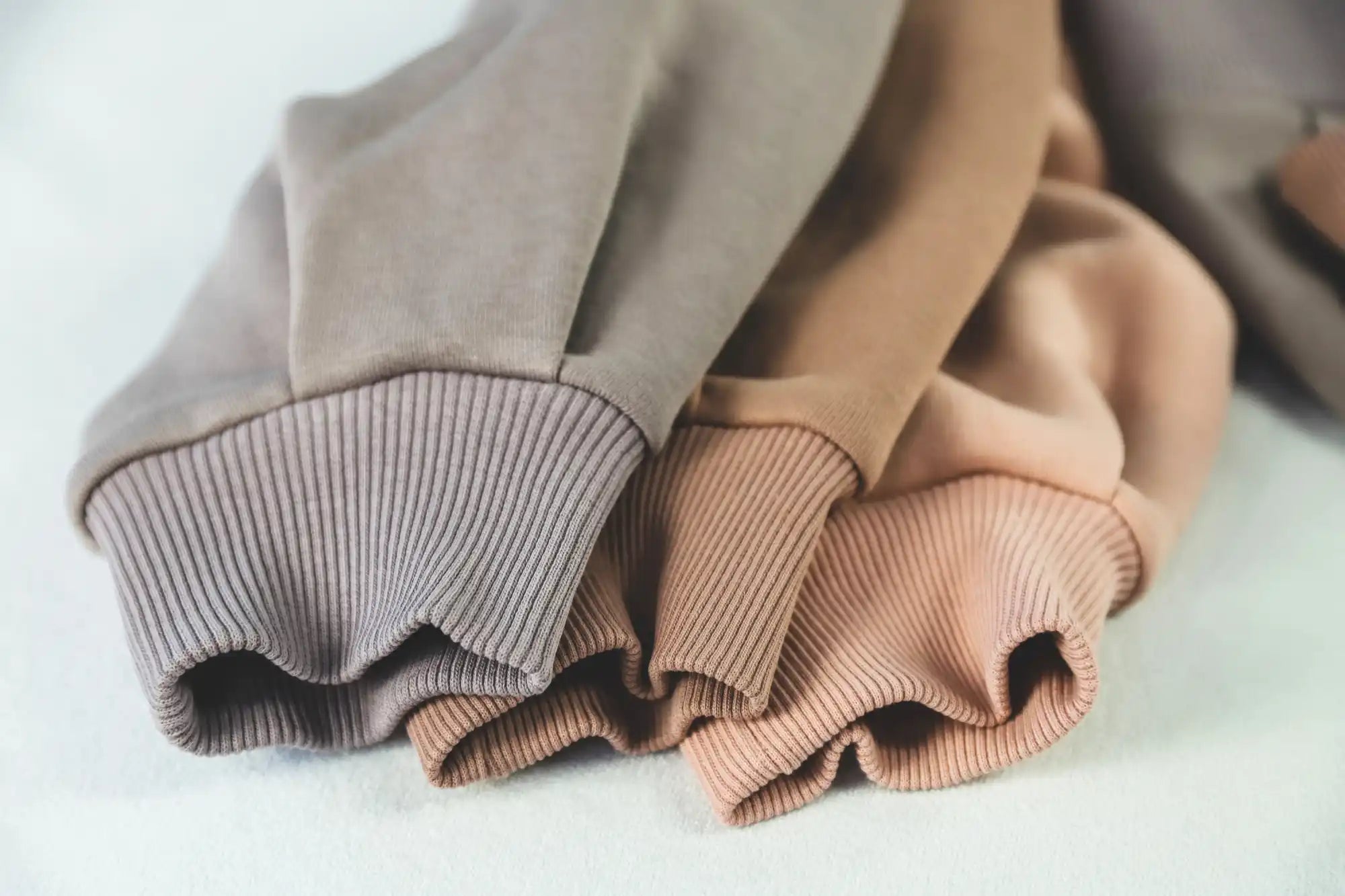
Materials & Fabrics for Clothing Production
Explore cotton, French terry, jersey, fleece, and sustainable blends used in premium apparel manufacturing.
Explore Premium Apparel Fabrics Guide
Printing Techniques for Apparel Production
Screen printing, embroidery, puff prints, and digital methods for custom clothing manufacturing.
Explore Custom Apparel Printing Techniques
Dyeing Techniques in Clothing Manufacturing
Garment dye, pigment, acid wash, and stone wash finishes that create unique apparel designs.
Compare Apparel Finishing Techniques
Popular Clothing Items for Custom Apparel
Hoodies, joggers, t-shirts, leggings, and biker shorts — essentials for every apparel collection.
Explore Popular Custom Clothing Items
Trends & Designs in Modern Apparel
Oversized fits, streetwear influences, and activewear styles driving custom clothing production.
Explore Trends & Designs for Apparel Development
Sustainable & Ethical Clothing Production
OEKO-TEX® certified fabrics, organic cotton, and ethical apparel manufacturing in Portugal.
Understand Sustainable & Ethical Clothing Production
Essentials for Custom Clothing Production
Custom labels, packaging, and trims that elevate your apparel brand in production.
Explore Essentials for Custom Clothing Production
Resources for Custom Clothing Production
Startup guides, logistics support, and scaling strategies for apparel brands and wholesale clients.
Explore Resources for Custom Clothing Production
Clothing Manufacturing Glossary
Explore a complete glossary of clothing and garment manufacturing terms
The Complete Clothing Manufacturing Glossary
The Best Clothing Manufacturers
Explore global clothing manufacturers by country
Explore The Best Clothing Manufacturers
The Latest Clothing Industry Updates in 2025
Discover the latest news about important topics in the clothing industry in 2025,
Stay On Top Of Clothing Industry Updates
Worldwide Best Manufacturers of Clothes in 2026
Top clothing manufacturers worldwide organized by product type
Find The Worldwide Best Manufacturers of Clothes