TENCEL™ Lyocell is redefining how modern activewear is made—combining silky softness, moisture-wicking comfort, and verified sustainability. Made from renewable wood pulp in a closed-loop process, this innovative fiber leads the global shift toward sustainable fabrics for athleisure, streetwear, and premium apparel manufacturing.
What Is TENCEL™ Lyocell?
TENCEL™ Lyocell is a regenerated cellulose fiber developed by Lenzing AG in Austria. It’s made from FSC® or PEFC™-certified wood pulp, primarily from fast-growing eucalyptus and beech trees.
What sets it apart is the closed-loop solvent spinning process—a near-zero-waste method that reuses over 99% of both water and non-toxic organic solvents. This process has earned TENCEL™ multiple environmental certifications including EU Ecolabel, OEKO-TEX® Standard 100, and FSC® / PEFC™.
For more on forest certification and standards visit FSC International and PEFC Global.
Key Characteristics of TENCEL™ Lyocell
| Feature | Description |
|---|---|
| Origin | Certified renewable wood pulp |
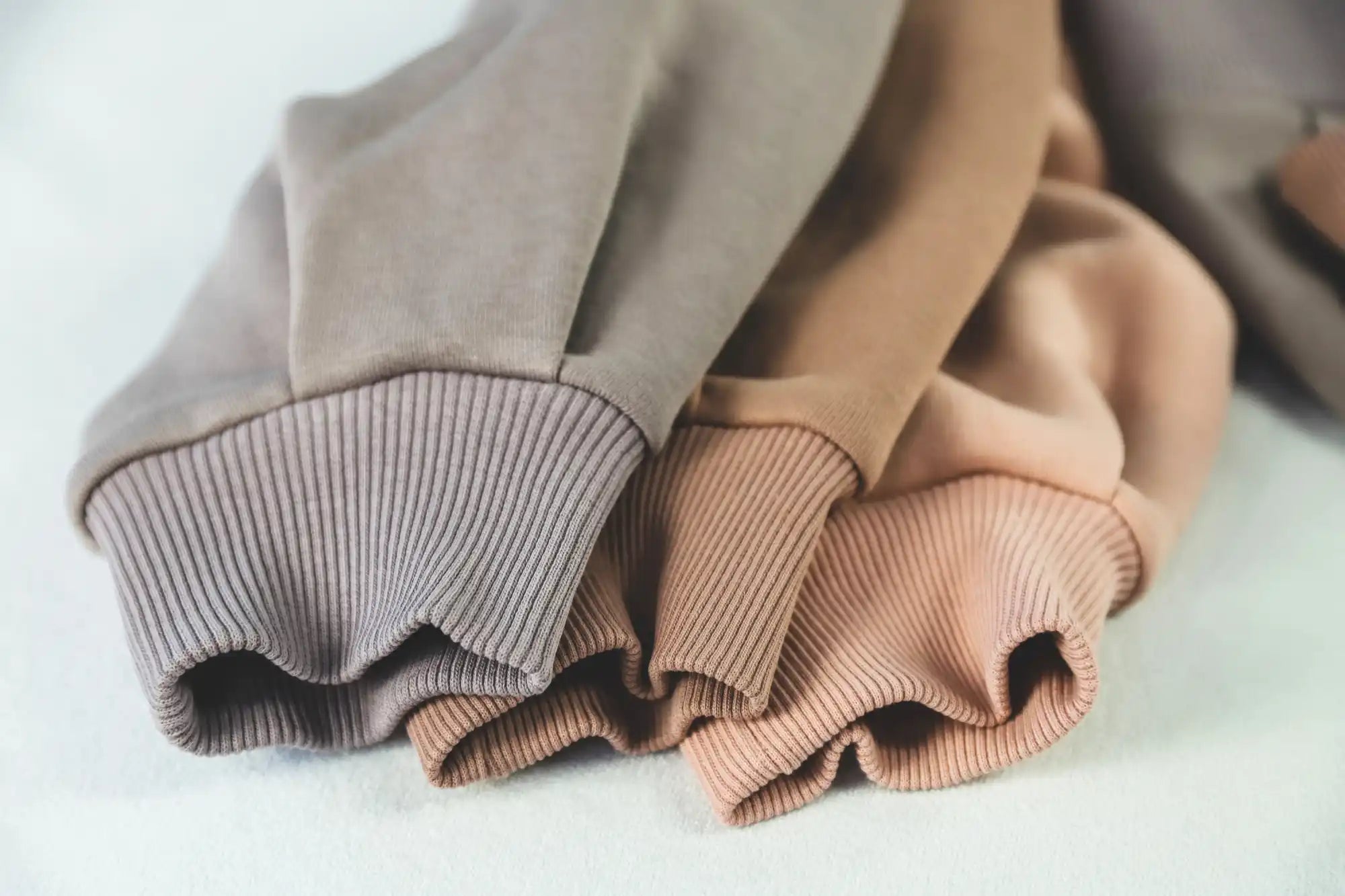
| Touch | Smooth, silky, breathable |
| Performance | Moisture-wicking, odor-resistant |
| Strength | Durable in both wet and dry states |
| Biodegradability | 100% compostable |
| Certifications | EU Ecolabel, FSC®, PEFC™, OEKO-TEX® |
Why TENCEL™ Leads Sustainable Athleisure
Performance Meets Responsibility
According to the Textile Exchange 2025 Preferred Fiber Report, lyocell and other cellulosic fibers now represent over 25% of all new activewear developments—nearly double since 2022. This growth reflects a global demand for eco-friendly yet high-performing fabrics.
Comfort Beyond Cotton
TENCEL™ manages moisture 50% more efficiently than cotton, keeping the skin cool, dry, and comfortable. Its smooth surface prevents irritation, making it a favorite for sensitive-skin garments such as leggings, performance t-shirts, and hoodies available in verified Athleisure Basics collections.
See related product categories: Hoodies.
Temperature Regulation
Microscopic fiber channels enable air circulation, ensuring garments stay breathable in summer and insulating in cooler months. This versatility makes TENCEL™ ideal for premium hoodies and oversized tees designed for year-round comfort.
Certifications and Standards Explained
| Certification | What It Verifies | Why It Matters |
|---|---|---|
| EU Ecolabel | Low-impact production across full lifecycle | Confirms clean manufacturing |
| FSC® / PEFC™ | Wood sourced from sustainable forests | Protects biodiversity |
| OEKO-TEX® Standard 100 | Tested for harmful substances | Guarantees skin safety |
| Lenzing E-Track™ | Fiber-level digital traceability | Proves authenticity and transparency |
For context on EU regulation and textiles, see the EU Textile Strategy 2030.
How TENCEL™ Is Produced (Step-by-Step)
- Harvesting: Certified wood is collected and pulped.
- Dissolving: Pulp is dissolved using a non-toxic organic solvent (NMMO).
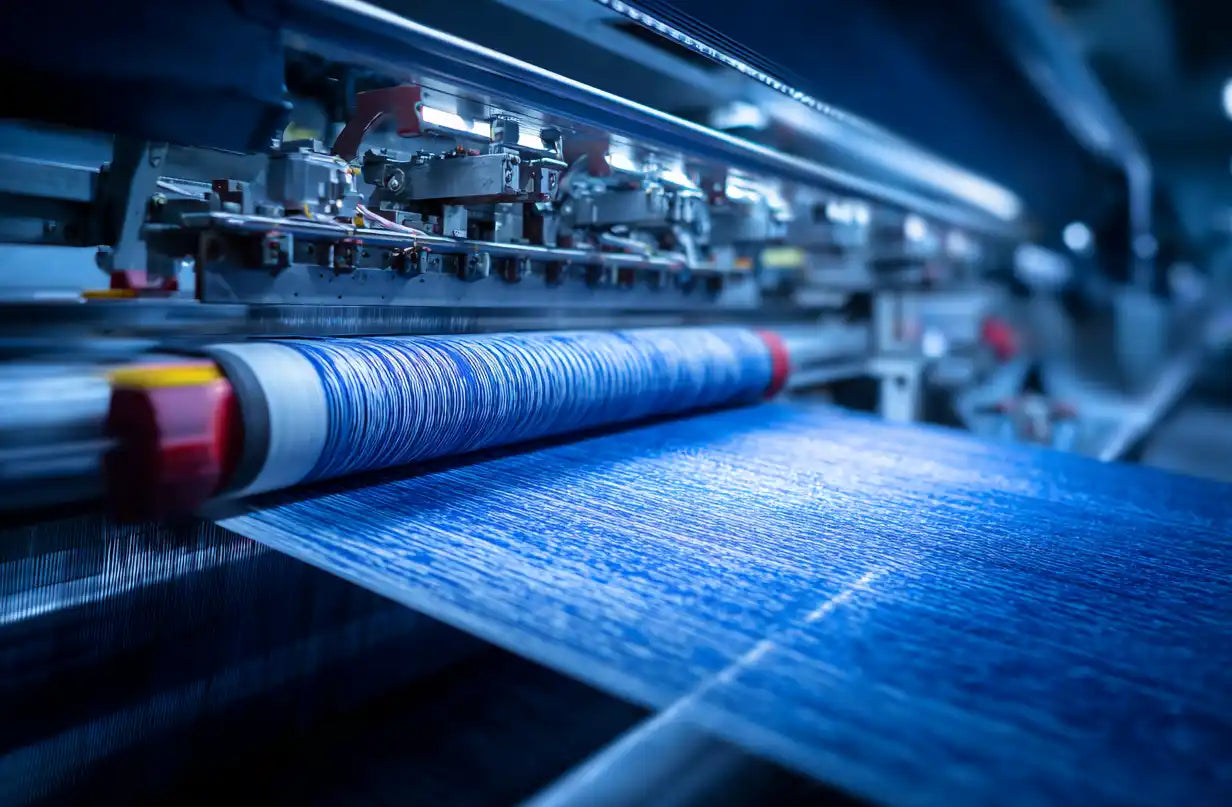
- Extruding: The pulp solution is filtered and spun into continuous filaments.
- Washing: Solvents are captured and recycled for reuse.
- Finishing: Fibers are dried and converted into yarns or fabrics.
This closed-loop system reduces water use by up to 80% compared with viscose and drastically limits chemical waste.
TENCEL™ vs Other Sustainable Fabrics
| Property | TENCEL™ Lyocell | Organic Cotton | Bamboo Viscose | Recycled Polyester (rPET) |
|---|---|---|---|---|
| Source | Certified wood pulp | Cotton plant | Bamboo grass | PET plastic bottles |
| Water Use | Very low | Very high | Medium | Low |
| Chemical Use | Closed-loop, non-toxic | Pesticide-free | High (viscose process) | None, but synthetic |
| Breathability | Excellent | Good | Moderate | Low |
| Biodegradable | Yes | Yes | Partially | No |
| Ideal Use | Athleisure, loungewear | Basics | Undergarments | Outerwear |
Blending for Performance and Style
- TENCEL™ + Organic Cotton: Combines softness with shape retention; ideal for premium basics.
- TENCEL™ + Recycled Polyester: Enhances elasticity and strength; perfect for leggings and sports bras.
- TENCEL™ + Modal: Adds drape and fluidity, used in relaxed hoodies and streetwear silhouettes.
See advanced fabric blends in The Ultimate Guide to White Label Luxury Blanks.
Environmental Impact Comparison
| Metric | Cotton | TENCEL™ | Industry Average |
|---|---|---|---|
| CO₂ (kg/kg fiber) | 5.9 | 1.5 | 3.4 |
| Water (L/kg fiber) | 10,000 | 2,000–2,500 | 6,000 |
| Chemical Recovery | <20% | >99% | 65% |
| Biodegradation (weeks) | 24–40 | 8–12 | 20–30 |
Source: Lenzing AG Sustainability Report 2025.
Applications in Modern Apparel
- Luxury Streetwear: Heavyweight TENCEL™ jersey offers a fluid drape in hoodies and tees.
- Athleisure Basics: Blended TENCEL™ fabrics deliver moisture control for leggings and performance tops.
- Sustainable Luxury: TENCEL™ Luxe filaments create a plant-based alternative to silk for elevated resortwear.
Explore manufacturing options at Made in Portugal Clothing.
Fabric Care and Longevity
| Care Factor | Recommendation |
|---|---|
| Washing | Cold cycle (30°C max) |
| Drying | Air dry or low tumble |
| Ironing | Low heat |
| Storage | Fold flat to avoid stretch |
| Durability | Withstands 100+ wash cycles |
Proper care helps garments retain softness, color, and performance over time.
Responsible Sourcing and Traceability
European factories using Lenzing-certified fiber lots and E-Track™ technology provide full traceability from fiber to final garment. Manufacturers featured in The Top Trusted Low MOQ Clothing Manufacturers in Portugal 2025 specialize in low-volume, high-quality sustainable production—ideal for independent and emerging brands.
Market Outlook: 2025–2030
Global lyocell capacity is forecast to grow from 480,000 tons in 2024 to over 1.1 million tons by 2030, driven by sustainable fashion and activewear expansion. Portugal and Europe remain central to this growth due to energy-efficient production and strict sustainability compliance—core pillars of the Athleisure Basics sourcing model.
FAQs About Certification and Standards
Is TENCEL™ Lyocell organic?
TENCEL™ isn’t an organic crop but a certified biobased fiber made from responsibly sourced wood. It meets EU Ecolabel, FSC®, and PEFC™ standards for traceability and environmental protection.
How does TENCEL™ differ from viscose?
Unlike viscose, which uses harsh chemicals, TENCEL™ relies on a closed-loop process that recycles over 99% of its solvent and water, reducing environmental impact significantly.
Is it suitable for sensitive skin?
Yes. It’s OEKO-TEX® Standard 100 certified, meaning it contains no harmful substances and feels soft even on delicate skin.
FAQs About Sourcing and Production
Where is TENCEL™ manufactured?
It’s produced primarily in Austria, the Czech Republic, and Asia, with certified fibers integrated into Portuguese textile production for European apparel manufacturing.
Can small brands source TENCEL™ fabrics?
Yes. Portugal’s low-MOQ manufacturers support small brands with access to certified TENCEL™ materials and custom production options.
Is the supply chain transparent?
Every batch of TENCEL™ fiber carries an isotopic ID traceable through Lenzing’s E-Track™ system, ensuring authenticity from forest to finished fabric.
FAQs About Materials and Care
Does TENCEL™ shrink or wrinkle?
It has minimal shrinkage and resists wrinkling thanks to its smooth, resilient fiber structure.
Does TENCEL™ trap odor?
No. Its moisture-regulating nature keeps garments fresh, reducing bacterial growth and odor retention.
Can TENCEL™ be dyed easily?
Yes. TENCEL™ fibers absorb color deeply, producing vibrant, uniform shades with significantly less water than cotton dyeing.
Why TENCEL™ Belongs in Your Next Collection
TENCEL™ Lyocell bridges the gap between comfort and responsibility—offering a verifiable, sustainable alternative to both cotton and synthetic fibers. Its premium hand feel, breathability, and durability make it ideal for activewear, loungewear, and eco-conscious streetwear.
If your brand is developing sustainable apparel collections, reach out through the Athleisure Basics request form to discuss certified TENCEL™ fabric sourcing and small-batch production in Portugal.
External references: FSC International, PEFC Global, Textile Exchange, Lenzing AG.