
Tie-Dye Techniques for Clothing Manufacturing
Tie-dye is one of the most recognizable resist-dyeing methods in apparel manufacturing — a process that transforms plain fabrics into distinctive, patterned textiles through controlled binding, folding, and dye application. In 2025, manufacturers are combining artisanal craftsmanship with industrial consistency to deliver sustainable, high-quality tie-dye collections for global brands.
Understanding Tie-Dye in Manufacturing
In textile production, tie-dye refers to a resist-dyeing method where portions of the fabric are bound or knotted to prevent dye from penetrating. Once the bindings are removed, the untreated zones form striking circular or spiral patterns. Unlike surface printing, the color becomes part of the fibre itself — resulting in deep, lasting hues when properly fixed.
Tie-dye sits under the broader family of resist-dyeing techniques, alongside wax resist (batik) and stitch resist (shibori). Its distinctive advantage is flexibility: manufacturers can create repeatable patterns with templates, or unique pieces through artisanal variations.
Why Tie-Dye Matters in Clothing Production
- Design differentiation: Tie-dye patterns create bold visual identity, ideal for athleisure, resort wear, and youth collections.
- High perceived value: Complex patterns and eco-friendly dyes increase the appeal of limited-run capsules.
- Sustainable opportunity: With modern low-liquor dyeing machines and non-toxic pigments, tie-dye can be environmentally responsible.
Core Resist-Dyeing Principles
Dye Uptake and Resistance
When the fabric enters a dye bath, dye molecules bond with the fibres. By tying or folding certain areas, manufacturers prevent penetration, leaving those regions lighter or undyed. The tension, thickness, and placement of ties directly influence pattern clarity and repeatability.
Fixation and Fastness
After dyeing, chemical or heat fixation locks color into fibres. Correct rinsing and neutralization ensure long-lasting fastness to wash, light, and perspiration — critical in apparel manufacturing where consistency is a quality metric.
Certifications and Standards
- OEKO-TEX® Standard 100 — Ensures fabric and dyes are free from harmful substances.
- GOTS (Global Organic Textile Standard) — Certifies organic fibre content and environmentally responsible processing.
- Textile Exchange Standards — Provide frameworks for recycled and preferred fibres.
Step-by-Step Workflow for Tie-Dye Manufacturing
| Stage | Key Activities | Manufacturing Notes |
|---|---|---|
| 1. Fabric Preparation | Select cotton or cotton-blend fabrics, pre-wash, scour and bleach for uniform dye uptake. | Consistent base quality ensures predictable results. |
| 2. Binding and Folding | Fold, twist or bind fabric using strings, rubber bands, or clamps following desired patterns. | Documented templates improve repeatability in bulk production. |
| 3. Dyeing | Immerse or apply reactive dyes using low-liquor ratio machines; control temperature and pH. | Reactive dyes yield vibrant results and lower effluent toxicity. |
| 4. Rinsing and Fixation | Remove bindings, rinse thoroughly, and fix colors using heat or chemical treatment. | Proper neutralization prevents post-dye bleeding. |
| 5. Finishing | Dry, soften, and inspect for evenness. Apply final finishes as per fabric composition. | Softening ensures comfort and aesthetic appeal. |
| 6. Quality Control | Inspect for colorfastness, pattern alignment, and yield efficiency. | Defects from loose binding or uneven dye are minimized through SOPs. |
Material and Sourcing Considerations
Fabric Options
- Cotton: Highly compatible with reactive dyes, producing bright, durable patterns.
- Linen: Natural texture gives organic appeal; requires tighter binding for clean resist lines.
- Cotton-Poly Blends: Need dual dye systems; less vivid but ideal for structured garments.
- Polyester: Uses disperse or sublimation dyes; precision binding prevents bleed-through.
Sourcing Best Practices
- Source certified fabrics from reliable mills ensuring batch consistency and fibre traceability.
- Request dye compliance documentation (azo-free, REACH, ZDHC alignment).
- For natural dyes, validate supplier reproducibility and test wash-fastness before scaling.
Sustainability and Efficiency in 2025
New technologies allow tie-dye to align with sustainability goals:
- Low-liquor ratio (LLR) dyeing can cut water use by up to 30% versus conventional vats.
- Digital tie-dye simulations reduce sampling waste and allow virtual approvals.
- Closed-loop dye systems reclaim effluent water for pre-treatment stages.
- Upcycling applications: Refreshed tie-dye rework programs are growing in circular fashion initiatives.
Finishing, Care, and End-Use
Manufacturer’s Finishing Checklist
- Ensure no binding materials remain post-wash.
- Confirm pattern alignment across sizes.
- Test fastness to washing, rubbing, and light exposure.
- Check tactile hand feel — overbound sections should be softened.
Care Instructions for Consumers
To preserve the brilliance of tie-dye garments:
- Wash separately for the first few cycles.
- Use cold water and mild detergent.
- Avoid bleach and high heat.
- Air dry or use low tumble settings.
FAQs: Certification and Standards
What certifications ensure tie-dye safety?
Tie-dye fabrics certified under OEKO-TEX® Standard 100 and GOTS meet international chemical and environmental requirements. Brands targeting export should also verify REACH compliance for dye auxiliaries.
Do resist-dyeing methods affect fabric performance?
Proper fixation and rinsing prevent dye migration or stiffness. In certified facilities, tie-dye fabrics undergo the same fastness tests as standard dyed textiles.
Are sustainable dye options commercially viable?
Yes. Low-impact reactive dyes and plant-based pigments are increasingly used by manufacturers that balance sustainability with scalability.
FAQs: Sourcing and Production
How can tie-dye be standardized for bulk runs?
Brands can document folding and binding techniques, use jigs or mechanical binders, and establish color cards to ensure uniformity across lots.
Which tie-dye patterns work best for production?
Spiral, bullseye, and accordion folds are most consistent for repeated manufacturing, while crumple and scrunch styles suit limited editions.
What are the main production risks?
Inconsistent tying pressure and insufficient rinsing can cause irregular patterns or bleed. Quality control checkpoints after each stage mitigate these issues.
FAQs: Materials and Care
Do different fibres produce different tie-dye effects?
Yes. Natural fibres like cotton and linen absorb dye deeply, creating sharper contrasts. Blends yield softer, diffused results requiring special dye systems.
How can consumers maintain tie-dye vibrancy?
Cold washing, minimal agitation, and air drying preserve color integrity. Advising retailers to include care tags supports garment longevity.
Can tie-dye be combined with other finishing processes?
Absolutely. Tie-dye can follow enzyme washes or garment softening, adding texture and comfort without dulling the pattern.
Conclusion
Tie-dye represents the intersection of art and science in modern apparel manufacturing. When executed with certified materials, efficient dye systems, and precise workflow controls, it offers brands an avenue for creative expression and sustainable differentiation.
If your brand is developing new collections using certified tie-dye fabrics, explore premium hoodies for dyeing, browse our Acid Wash Oversized Collection, or reach out for a production quote.
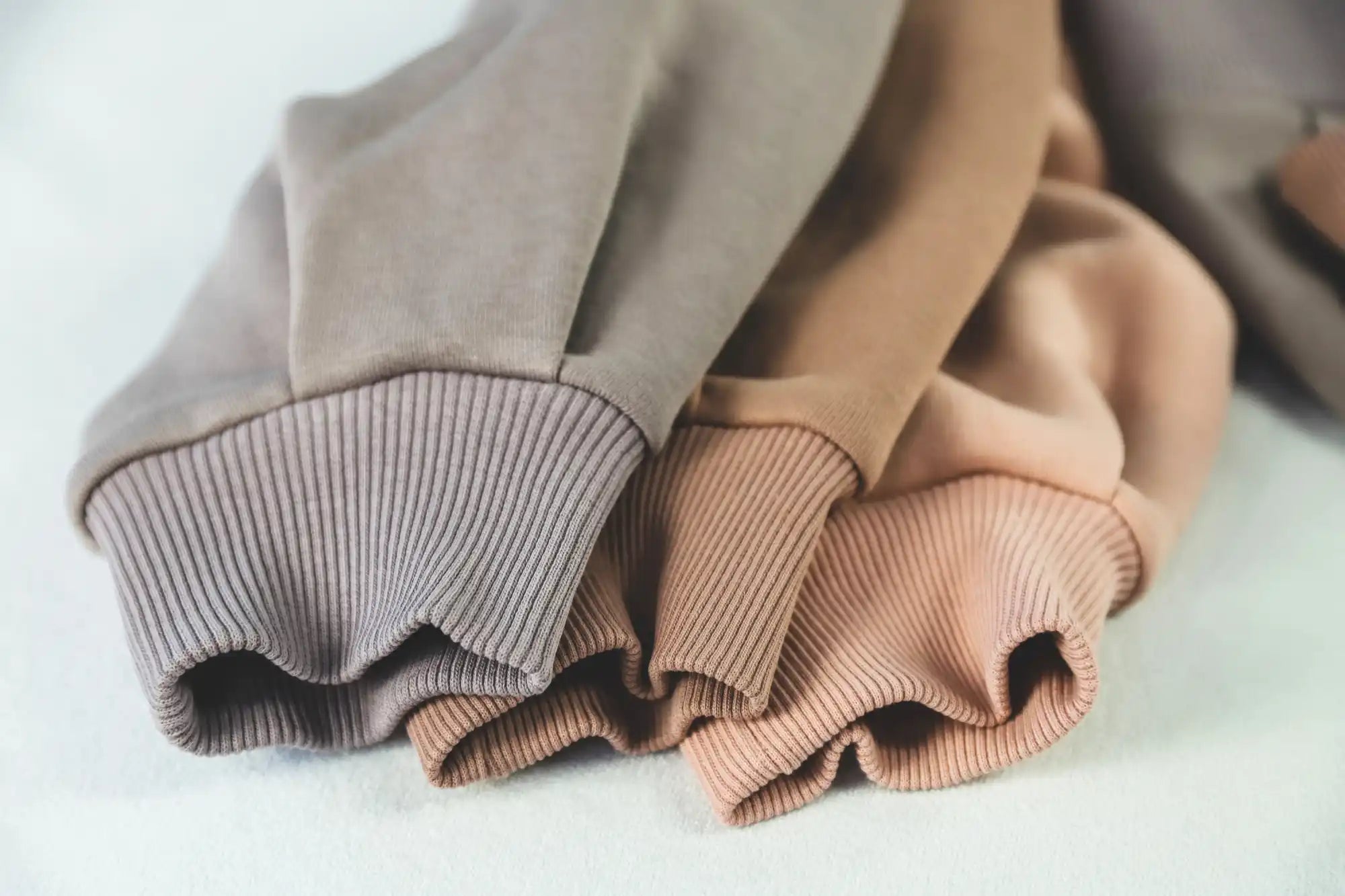
Materials & Fabrics for Clothing Production
Explore cotton, French terry, jersey, fleece, and sustainable blends used in premium apparel manufacturing.
Explore Premium Apparel Fabrics Guide
Printing Techniques for Apparel Production
Screen printing, embroidery, puff prints, and digital methods for custom clothing manufacturing.
Explore Custom Apparel Printing Techniques
Dyeing Techniques in Clothing Manufacturing
Garment dye, pigment, acid wash, and stone wash finishes that create unique apparel designs.
Compare Apparel Finishing Techniques
Popular Clothing Items for Custom Apparel
Hoodies, joggers, t-shirts, leggings, and biker shorts — essentials for every apparel collection.
Explore Popular Custom Clothing Items
Trends & Designs in Modern Apparel
Oversized fits, streetwear influences, and activewear styles driving custom clothing production.
Explore Trends & Designs for Apparel Development
Sustainable & Ethical Clothing Production
OEKO-TEX® certified fabrics, organic cotton, and ethical apparel manufacturing in Portugal.
Understand Sustainable & Ethical Clothing Production
Essentials for Custom Clothing Production
Custom labels, packaging, and trims that elevate your apparel brand in production.
Explore Essentials for Custom Clothing Production
Resources for Custom Clothing Production
Startup guides, logistics support, and scaling strategies for apparel brands and wholesale clients.
Explore Resources for Custom Clothing Production
Clothing Manufacturing Glossary
Explore a complete glossary of clothing and garment manufacturing terms
The Complete Clothing Manufacturing Glossary
The Best Clothing Manufacturers
Explore global clothing manufacturers by country
Explore The Best Clothing Manufacturers
The Latest Clothing Industry Updates in 2025
Discover the latest news about important topics in the clothing industry in 2025,
Stay On Top Of Clothing Industry Updates
Worldwide Best Manufacturers of Clothes in 2026
Top clothing manufacturers worldwide organized by product type
Find The Worldwide Best Manufacturers of Clothes