
Tonal Embroidery as a Design & Detailing Trend
Within modern trends and designs for apparel development, detailing techniques increasingly define perceived product value. As logos become more restrained, texture-driven branding has replaced bold graphics across premium categories.
Tonal embroidery uses thread that closely matches the garment’s base color to create a subtle, textured, and elevated logo or design element. This technique is now widely applied across custom made hoodies, custom embroidery on sweatshirts, and heavyweight custom t shirts where longevity and visual refinement are essential.
Tonal Embroidery Within Modern Apparel Design Trends
Apparel development in 2025 emphasizes construction quality, material integrity, and understated branding. Tonal embroidery supports this direction by integrating branding directly into the garment’s structure rather than layering visual elements on top.
Design teams favor tonal embroidery for core collections and essentials programs because it maintains relevance across seasons while reinforcing a premium brand identity.
- Enhances tactile value without increasing color complexity
- Supports minimalist and premium positioning
- Reduces reliance on seasonal graphic refreshes
What Is Tonal Embroidery in Apparel Design?
Tonal embroidery is an embroidery application where thread color is matched or closely aligned with the garment’s base fabric. Instead of contrast, visibility comes from stitch depth, shadowing, and light reflection.
From a design and detailing perspective, tonal embroidery functions as a structural branding element rather than a decorative surface treatment.
How Tonal Embroidery Works in Apparel Production
The process begins with digitizing the artwork into a stitch file that defines stitch type, density, and sequencing. Industrial multi-head embroidery machines execute the design while backing stabilizers are applied to support the fabric during stitching. Stitch density is calibrated to the garment’s GSM to avoid puckering or distortion. Final strike-offs are reviewed to confirm texture clarity and tonal consistency before bulk production.
Tonal Embroidery vs Screen Printing (Design Perception)
| Design Factor | Tonal Embroidery | Screen Printing |
|---|---|---|
| Visual emphasis | Texture-driven | Color-driven |
| Longevity | High | Trend-dependent |
| Perceived value | Premium | Mid-range |
Design Applications Across Apparel Categories
Custom Made Hoodies
In hoodie development, tonal embroidery is commonly placed on the chest, sleeve, or hood panel. Heavyweight fleece and French terry provide the fabric stability required for consistent stitch definition.
Custom Embroidery on Sweatshirts
Crewneck sweatshirts are ideal for tonal embroidery due to their flat surface area and predictable shrinkage behavior. This allows branding to remain visually balanced after washing.
Custom T Shirts
On heavyweight jersey cotton, tonal embroidery replaces printed logos in minimalist collections focused on durability and wash longevity.
How to Customize a Hoodie Using Tonal Embroidery
To customize a hoodie with tonal embroidery, designers evaluate seam placement, fabric stretch, and logo scale. Chest and sleeve placements are favored because they offer structural support and consistent visibility during wear. Physical strike-offs are essential to validate texture and placement before approving production.
Tonal Embroidery vs DTG Printing (Longevity)
| Factor | Tonal Embroidery | DTG Printing |
|---|---|---|
| Wash durability | Excellent | Moderate |
| Fade resistance | Very high | Medium |
| Best use | Brand marks | Detailed artwork |
Fabric Selection for Tonal Embroidery
- French terry (400–500 GSM)
- Brushed fleece
- Heavyweight jersey cotton
Lighter or highly elastic fabrics may require additional backing stabilizers to maintain stitch integrity.
Thread and Stitch Considerations
Polyester embroidery thread is widely used due to its abrasion resistance and colorfastness. Satin stitches are preferred for logos, while tatami stitches are used for filled areas where even coverage is required without excessive thread buildup.
Certification and Compliance Considerations
Tonal embroidery must meet the same regulatory requirements as the base garment. Certified threads and fabrics ensure chemical safety and regulatory compliance across major apparel markets.
- OEKO-TEX® Standard 100
- GOTS (when applicable)
- REACH compliance
For chemical safety criteria, consult the OEKO-TEX® Standard 100 guidelines. Broader sustainability benchmarks are maintained by Textile Exchange.
Common Mistakes to Avoid
- Applying high stitch density to low-GSM fabrics, causing puckering
- Skipping physical strike-offs during development
- Ignoring garment shrinkage prior to embroidery
- Using threads with mismatched sheen that disrupt tonal consistency under retail lighting
FAQs About Certification & Standards
Is tonal embroidery covered under OEKO-TEX® certification?
Yes. OEKO-TEX® Standard 100 certification covers both embroidery thread and base fabric when certified components are used. This ensures the finished garment meets chemical safety requirements for skin contact.
Can tonal embroidery be used on GOTS-certified garments?
Yes, tonal embroidery can be applied to GOTS-certified garments when the thread, dyes, and production facility are also GOTS-compliant. Certification must be verified across the entire supply chain.
Does embroidery affect regulatory compliance?
Embroidery does not affect compliance when approved materials and processes are used. Non-certified thread or finishes, however, can invalidate garment certification.
FAQs About Sourcing & Production
Is tonal embroidery suitable for low MOQ programs?
Yes. Tonal embroidery is well-suited for low to mid-volume production because setup costs are predictable and scalable. Digitizing is typically a one-time fee.
Are digitizing fees required?
Yes. Digitizing converts artwork into a stitch file readable by embroidery machines. Fees depend on stitch count and design complexity but are paid once per design.
Does tonal embroidery extend lead times?
Embroidery can add limited production time compared to printing, but timelines remain consistent when embroidery is planned during sampling and development.
FAQs About Materials & Care
Will tonal embroidery fade over time?
High-quality polyester embroidery thread maintains color stability over repeated wash cycles. Fading is rare compared to printed applications.
Is tonal embroidery machine washable?
Yes. Garments with tonal embroidery are machine washable when care instructions are followed. Washing inside out on gentle cycles helps preserve stitch clarity.
Does embroidery affect fabric softness?
Embroidery minimally affects softness when stitch density and backing are properly selected. Incorrect backing or excessive stitching can reduce comfort.
Final Considerations for Apparel Development Teams
If your brand plans to develop new collections using certified fabrics and scalable production methods, reach out to our team via the request form to discuss availability and production options.
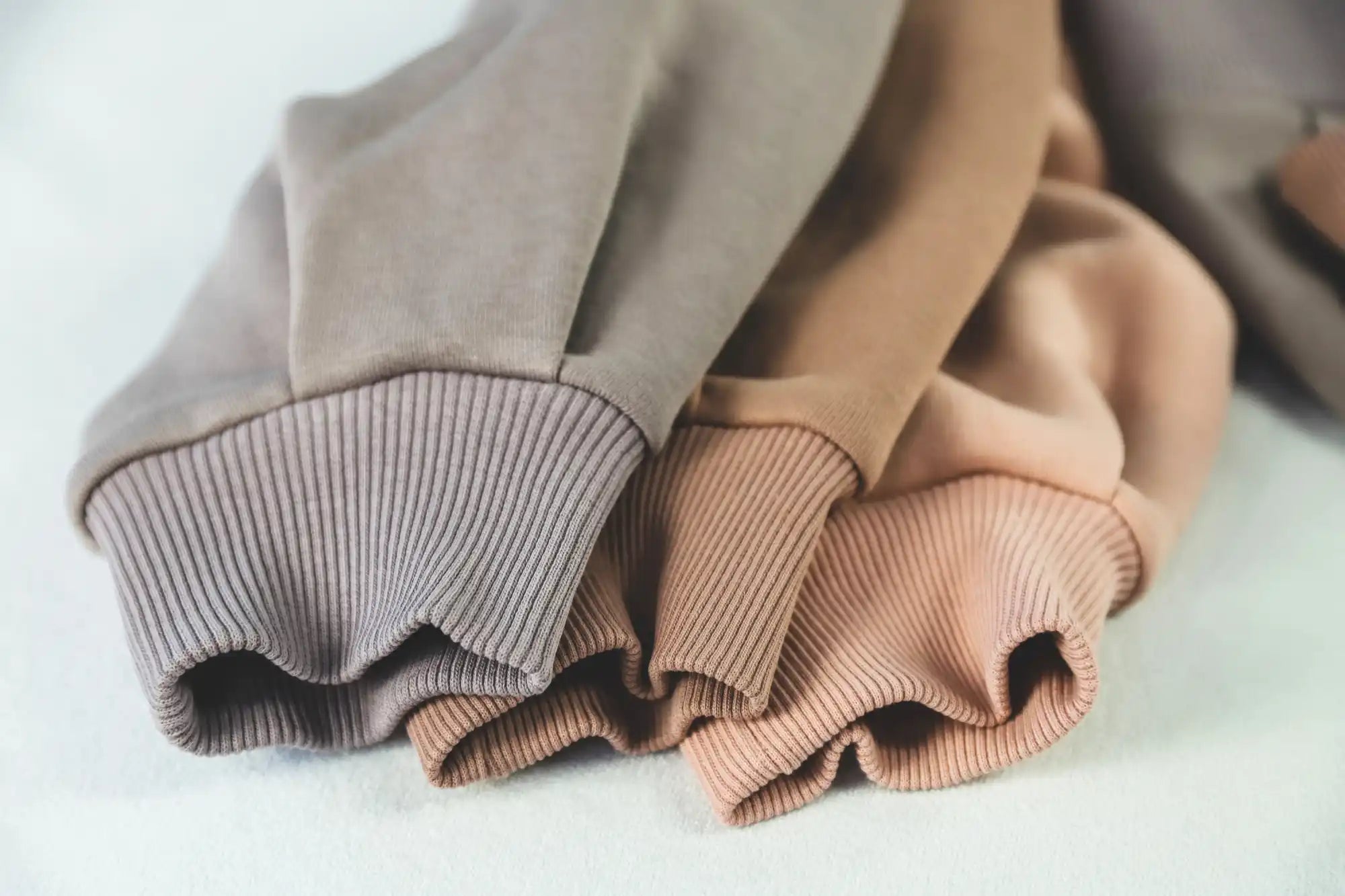
Materials & Fabrics for Clothing Production
Explore cotton, French terry, jersey, fleece, and sustainable blends used in premium apparel manufacturing.
Explore Premium Apparel Fabrics Guide
Printing Techniques for Apparel Production
Screen printing, embroidery, puff prints, and digital methods for custom clothing manufacturing.
Explore Custom Apparel Printing Techniques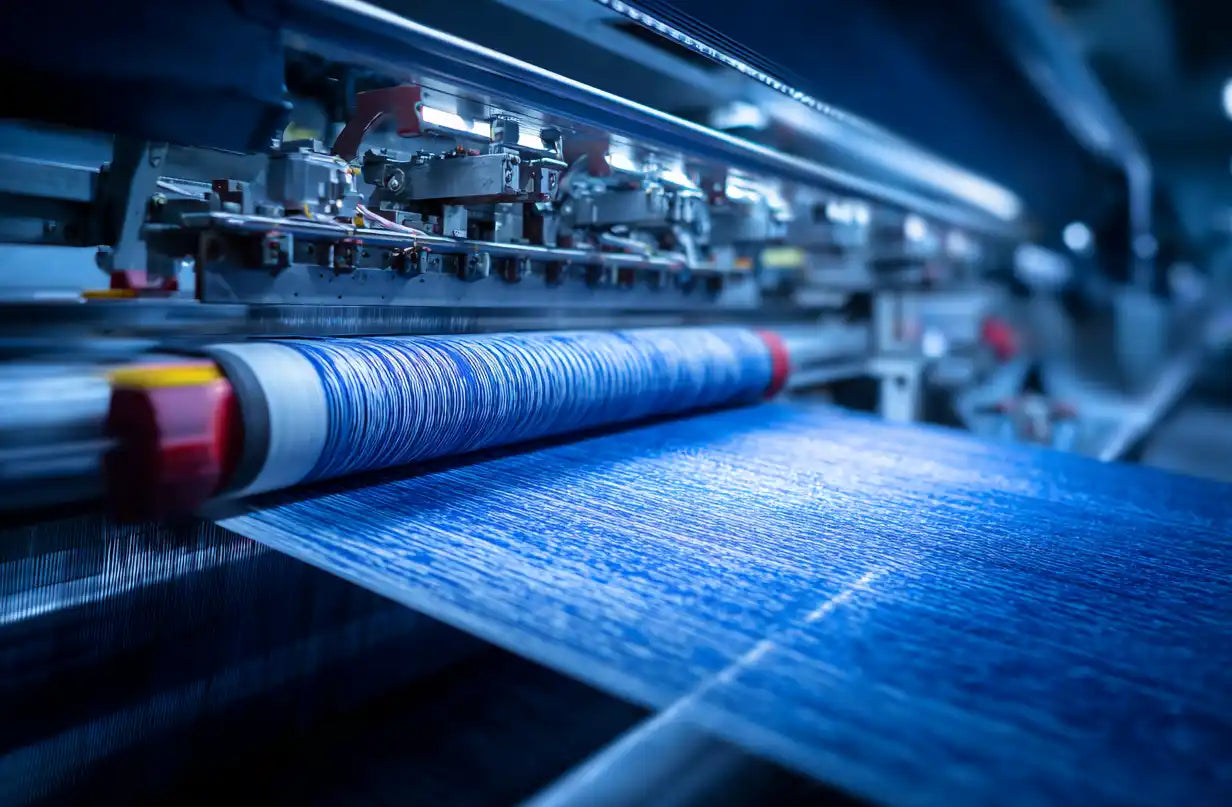
Dyeing Techniques in Clothing Manufacturing
Garment dye, pigment, acid wash, and stone wash finishes that create unique apparel designs.
Compare Apparel Finishing Techniques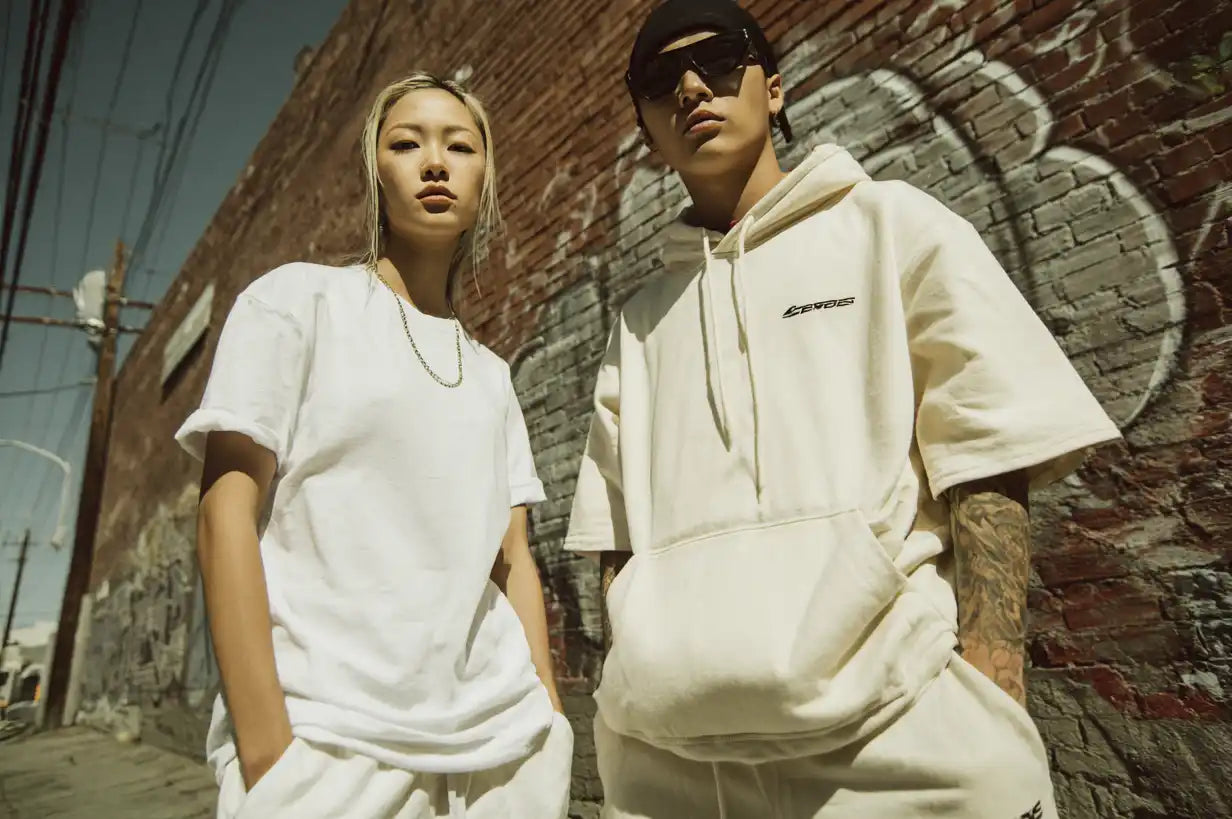
Popular Clothing Items for Custom Apparel
Hoodies, joggers, t-shirts, leggings, and biker shorts — essentials for every apparel collection.
Explore Popular Custom Clothing Items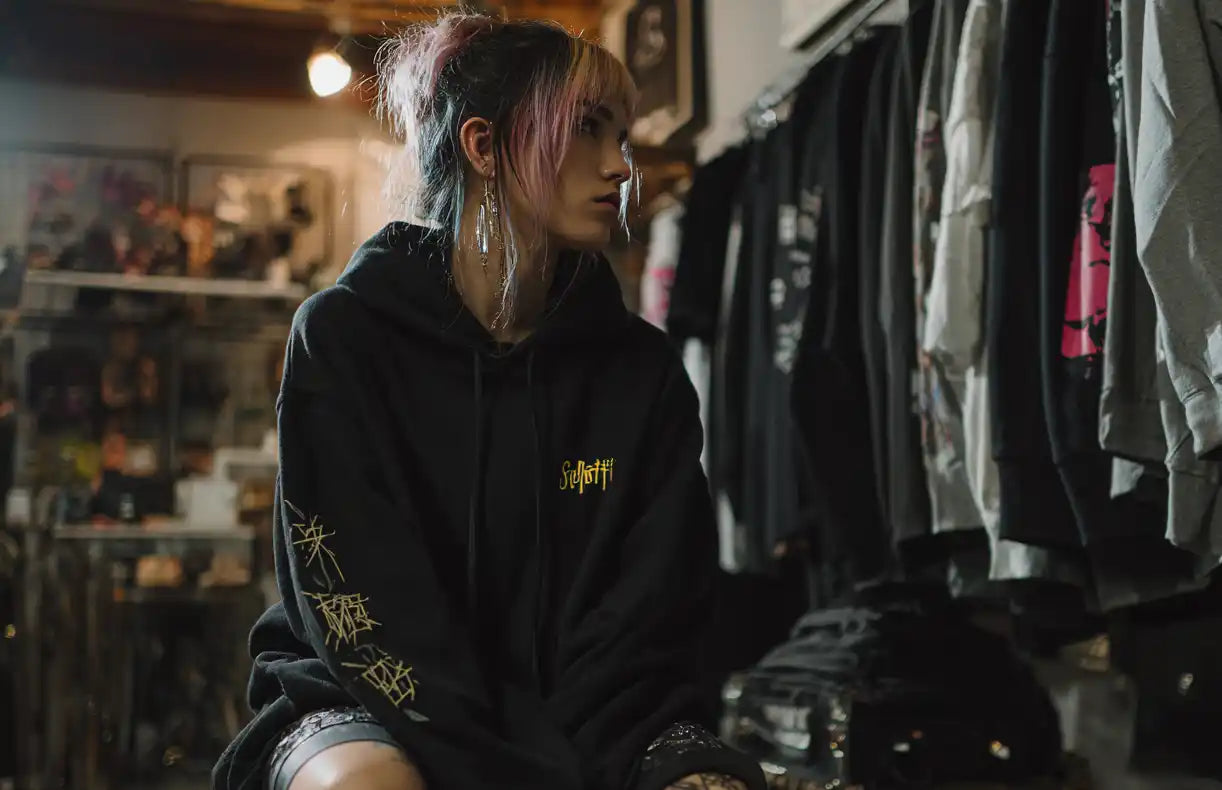
Trends & Designs in Modern Apparel
Oversized fits, streetwear influences, and activewear styles driving custom clothing production.
Explore Trends & Designs for Apparel Development
Sustainable & Ethical Clothing Production
OEKO-TEX® certified fabrics, organic cotton, and ethical apparel manufacturing in Portugal.
Understand Sustainable & Ethical Clothing Production
Essentials for Custom Clothing Production
Custom labels, packaging, and trims that elevate your apparel brand in production.
Explore Essentials for Custom Clothing Production
Resources for Custom Clothing Production
Startup guides, logistics support, and scaling strategies for apparel brands and wholesale clients.
Explore Resources for Custom Clothing Production
Clothing Manufacturing Glossary
Explore a complete glossary of clothing and garment manufacturing terms
The Complete Clothing Manufacturing Glossary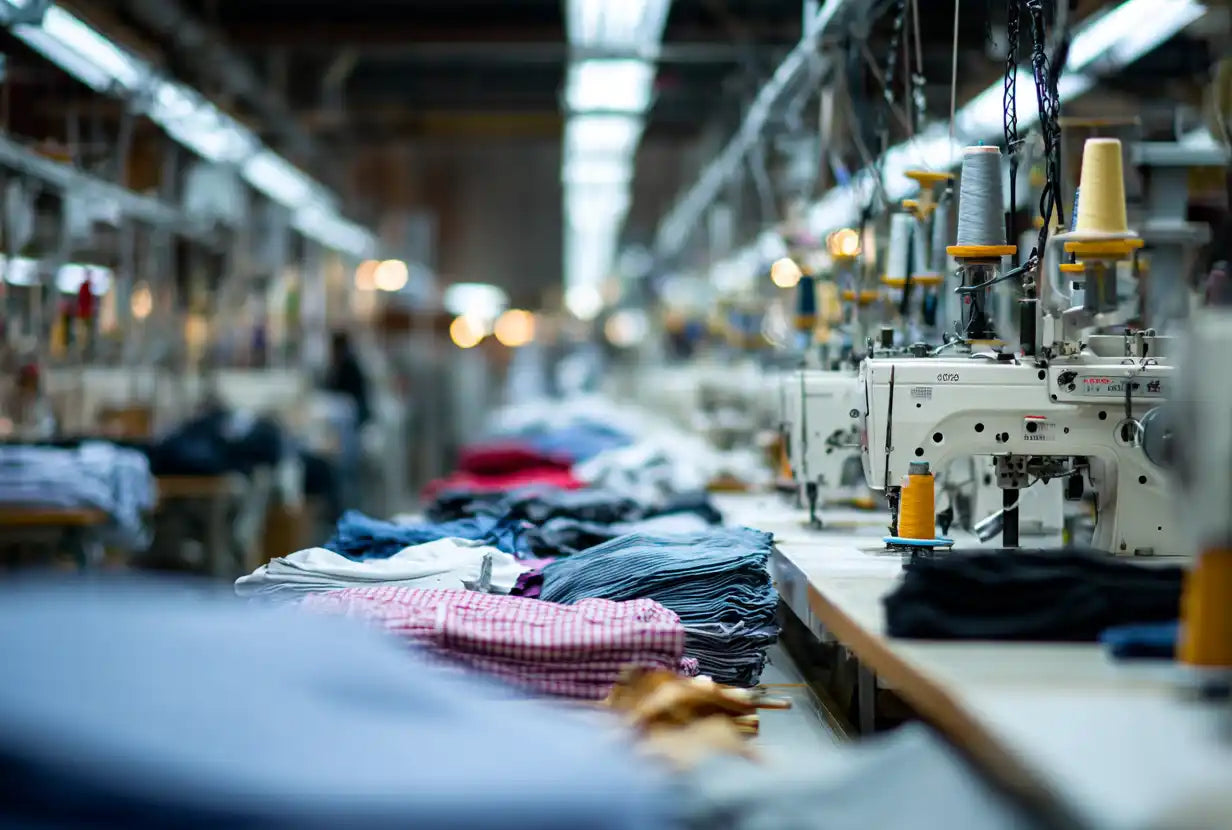
The Best Clothing Manufacturers
Explore global clothing manufacturers by country
Explore The Best Clothing Manufacturers
The Latest Clothing Industry Updates in 2025
Discover the latest news about important topics in the clothing industry in 2025,
Stay On Top Of Clothing Industry Updates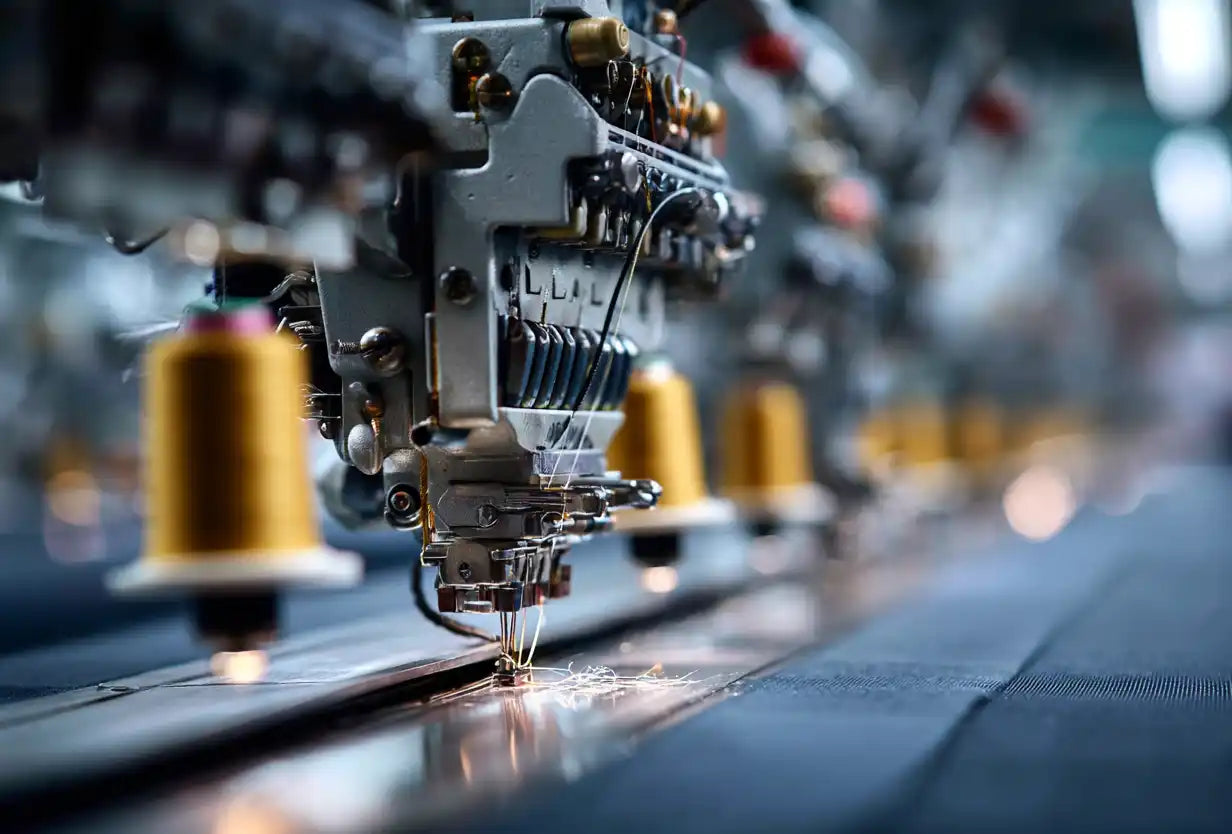
Worldwide Best Manufacturers of Clothes in 2026
Top clothing manufacturers worldwide organized by product type
Find The Worldwide Best Manufacturers of Clothes