
Versatile Apparel Design Trends for Custom Hoodies 2025
Versatility and layering are now core drivers of successful apparel development in 2025. Modern consumers expect garments that adapt across climates, styling contexts, and use cases without sacrificing structure or comfort. For brands developing custom made hoodies, sweatshirts, and t-shirts, design decisions made at the pattern and fabric level directly influence long-term commercial performance.
This article builds on foundational insights from trends and designs for apparel development, with a focused examination of how fit, fabric weight, and construction enable versatile wardrobe systems.
Oversized Fits as Standalone and Layered Pieces
Oversized silhouettes remain central to streetwear and athleisure collections because they function as both statement garments and functional layers. In production, oversized fits require dedicated pattern engineering rather than simple size grading. Brands producing custom made hoodies rely on these silhouettes to deliver comfort, visual weight, and styling flexibility.
How It Works: Oversized Pattern Development
Oversized patterns redistribute volume across the chest, shoulders, and sleeves instead of increasing garment length proportionally. Drop-shoulder construction maintains balance while allowing room for layering underneath. Fabric shrinkage allowances are increased to preserve final dimensions after washing. Sampling verifies drape, proportion, and recovery before bulk production.
Oversized vs Cropped Production Comparison
- Oversized: Higher GSM fabrics, relaxed grading, increased fabric consumption
- Cropped: Precision cutting, reinforced hems, tighter tolerances
Cropped Fits That Encourage Layering
Cropped garments are engineered to interact with other layers rather than replace them. Cropped hoodies and sweatshirts pair naturally with high-rise bottoms or longline base layers, creating intentional contrast in proportion. These styles are particularly effective for capsule collections where versatility increases outfit combinations.
How It Works: Cropped Garment Engineering
Cropped patterns recalibrate body length while preserving chest and sleeve volume. Reinforced hems prevent curling or distortion during wear and laundering. Double-needle stitching or rib finishes stabilize shortened edges. Fit approval emphasizes balance and symmetry rather than length alone.
Cropped vs Standard Fit Comparison
- Cropped: Focused on proportion control and hem durability
- Standard: Simpler grading with lower visual impact
Fabric Weight and Structure for Layering
Fabric weight determines whether a garment performs as an outer layer or a breathable mid-layer. Incorrect GSM selection leads to garments that collapse, trap heat, or lose shape after washing. Brands producing custom t shirts and hoodies must align fabric structure with intended layering roles.
How It Works: Fabric Selection and Knitting
Fabric is selected based on GSM, knit density, and fiber composition. Mills adjust yarn count and loop density to balance softness with structural integrity. Pre-shrinking treatments reduce post-production size variance. Testing confirms durability through repeated wash cycles.
Layering Fabric Comparison Table
| Fabric Type | Typical GSM | Best Use Case | Layering Rank |
|---|---|---|---|
| Heavyweight Fleece | 380–500 | Outer-layer hoodies | High |
| Midweight Jersey | 180–240 | Base-layer t-shirts | Medium |
| French Terry | 300–360 | Transitional sweatshirts | High |
Custom Hoodies as a Core Layering Product
Custom hoodies remain the most versatile product category for modern apparel brands. They function as outer layers in mild climates and as mid-layers under jackets. Brands planning to customize a hoodie must align fit, fabric weight, and decoration methods early in development.
How It Works: Hoodie Production
Hoodie production begins with fabric sourcing or knitting, followed by fit-specific pattern development. Cut-and-sew assembly includes hood construction, rib attachment, and reinforcement stitching. Garments may undergo washing or dyeing prior to branding. Final inspection verifies measurements, shrinkage, and finish consistency.
Screen Printing vs DTG Comparison
- Screen Printing: Durable and cost-effective for bulk production
- DTG: High detail output for lighter fabrics and short runs
Branding Techniques for Layered Apparel
Custom Embroidery on Sweatshirts
Custom embroidery on sweatshirts adds texture and permanence without compromising comfort. It is commonly applied to chest panels, sleeves, and hoods on heavier garments. Stitch density must align with fabric thickness to avoid puckering or stiffness.
How It Works: Embroidery Application
Artwork is digitized into stitch files defining thread direction and density. Industrial embroidery machines stitch directly through garment panels. Heavier fabrics support higher stitch counts without distortion. Quality control focuses on tension balance and backing stability.
Embroidery vs Heat Transfer Comparison
- Embroidery: Long lifespan and premium brand perception
- Heat Transfer: Faster setup but reduced durability
Common Mistakes to Avoid
- Using lightweight fabric for oversized garments, which causes poor drape and reduced perceived quality, increasing return rates.
- Ignoring shrinkage allowances after washing, resulting in inconsistent sizing across production batches and replacement costs.
- Applying dense embroidery to thin fabrics, leading to puckering and rejected units.
- Skipping fit sampling for cropped styles, increasing revision cycles and delaying production timelines.
FAQs About Certification & Standards
What does GOTS certification verify?
GOTS certifies organic textile supply chains from fiber sourcing through finished garment production. It verifies chemical restrictions, traceability, and social criteria across all processing stages.
What is covered by OEKO-TEX® Standard 100?
OEKO-TEX® Standard 100 tests finished textiles for harmful substances. It applies globally and is commonly required by EU and US retailers.
Are certifications mandatory for apparel brands?
Certifications are not legally required in all markets. However, they reduce compliance risk and are increasingly expected by wholesale buyers and retail partners.
FAQs About Sourcing & Production
Why is Portugal a preferred manufacturing location?
Portugal offers advanced knitting, dyeing, and cut-and-sew capabilities with lower minimum order quantities. Compliance standards are strong, making it suitable for premium apparel production.
How does layering impact production planning?
Layering staples sell across multiple seasons, supporting higher production volumes. This improves cost efficiency and inventory turnover.
When should fabric decisions be finalized?
Fabric selection should be finalized before sampling begins. Late-stage changes increase lead times and sampling costs.
FAQs About Materials & Care
Do heavier fabrics last longer?
Heavier fabrics generally resist wear better when properly constructed. Longevity also depends on yarn quality and finishing methods.
How should layered garments be washed?
Cold washing and low tumble drying preserve garment structure. These practices reduce shrinkage and fiber fatigue.
Does embroidery affect garment care?
Embroidery has minimal impact on care requirements when stitch density is appropriate. Excessive heat should still be avoided.
If your brand plans to develop layered collections using scalable production methods and certified materials, you can discuss timelines, minimums, and availability through our request form.
Alex Moreno
Senior Apparel Sourcing Specialist at AthleisureBasics, specializing in sustainable textile engineering and European manufacturing.
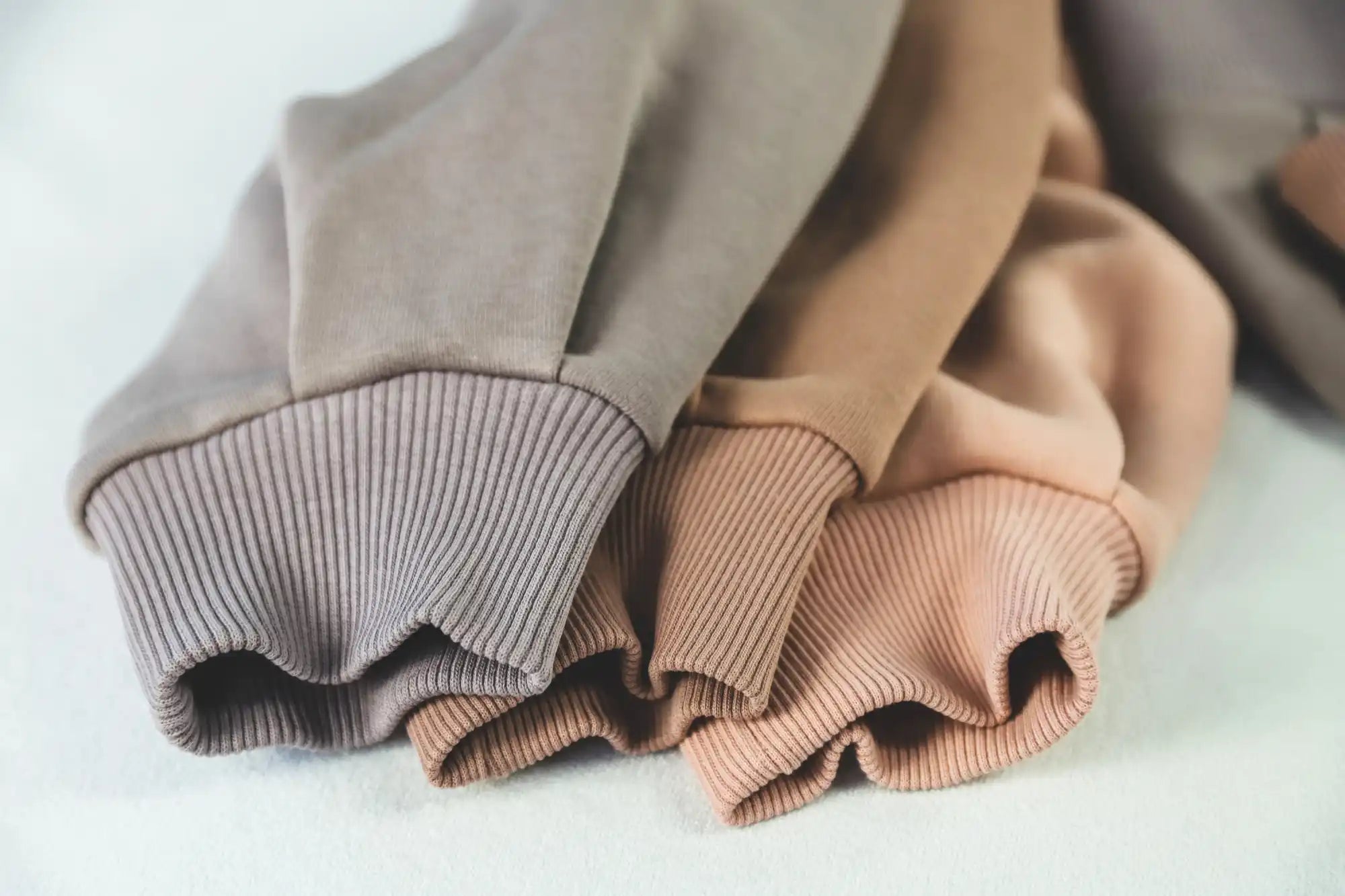
Materials & Fabrics for Clothing Production
Explore cotton, French terry, jersey, fleece, and sustainable blends used in premium apparel manufacturing.
Explore Premium Apparel Fabrics Guide
Printing Techniques for Apparel Production
Screen printing, embroidery, puff prints, and digital methods for custom clothing manufacturing.
Explore Custom Apparel Printing Techniques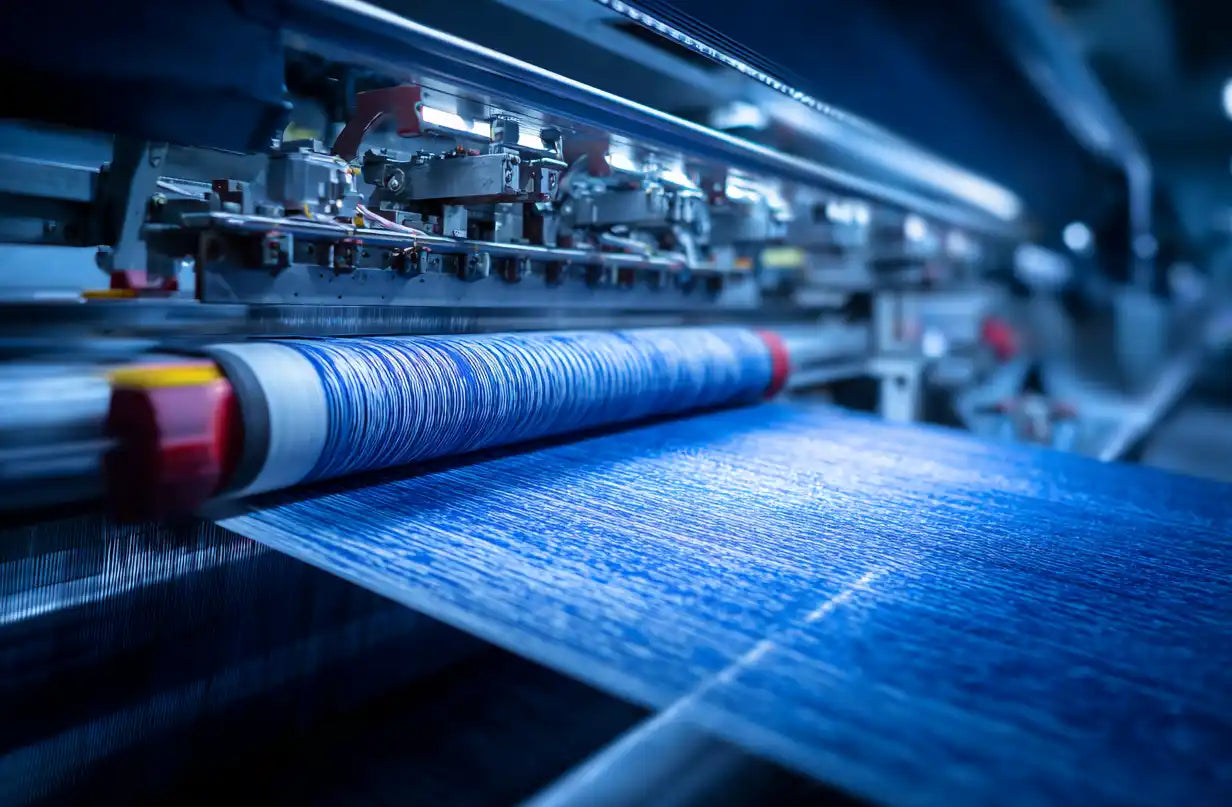
Dyeing Techniques in Clothing Manufacturing
Garment dye, pigment, acid wash, and stone wash finishes that create unique apparel designs.
Compare Apparel Finishing Techniques
Popular Clothing Items for Custom Apparel
Hoodies, joggers, t-shirts, leggings, and biker shorts — essentials for every apparel collection.
Explore Popular Custom Clothing Items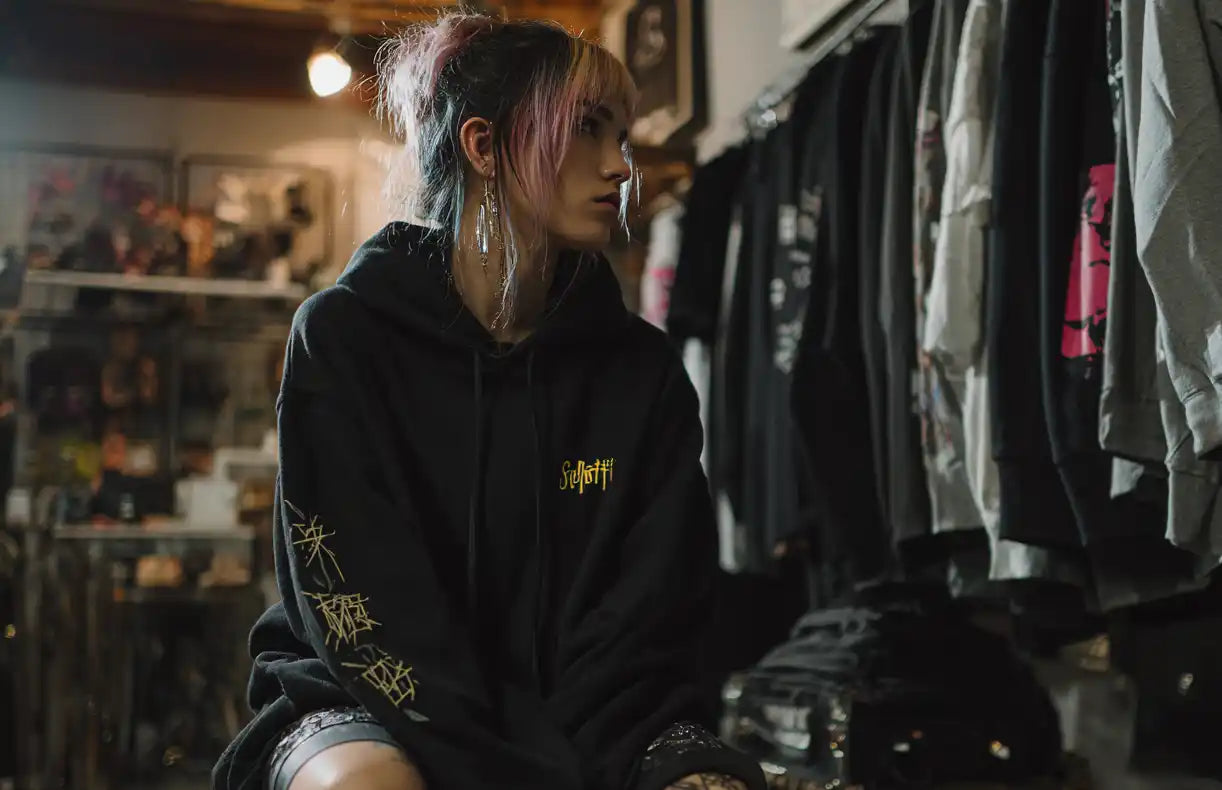
Trends & Designs in Modern Apparel
Oversized fits, streetwear influences, and activewear styles driving custom clothing production.
Explore Trends & Designs for Apparel Development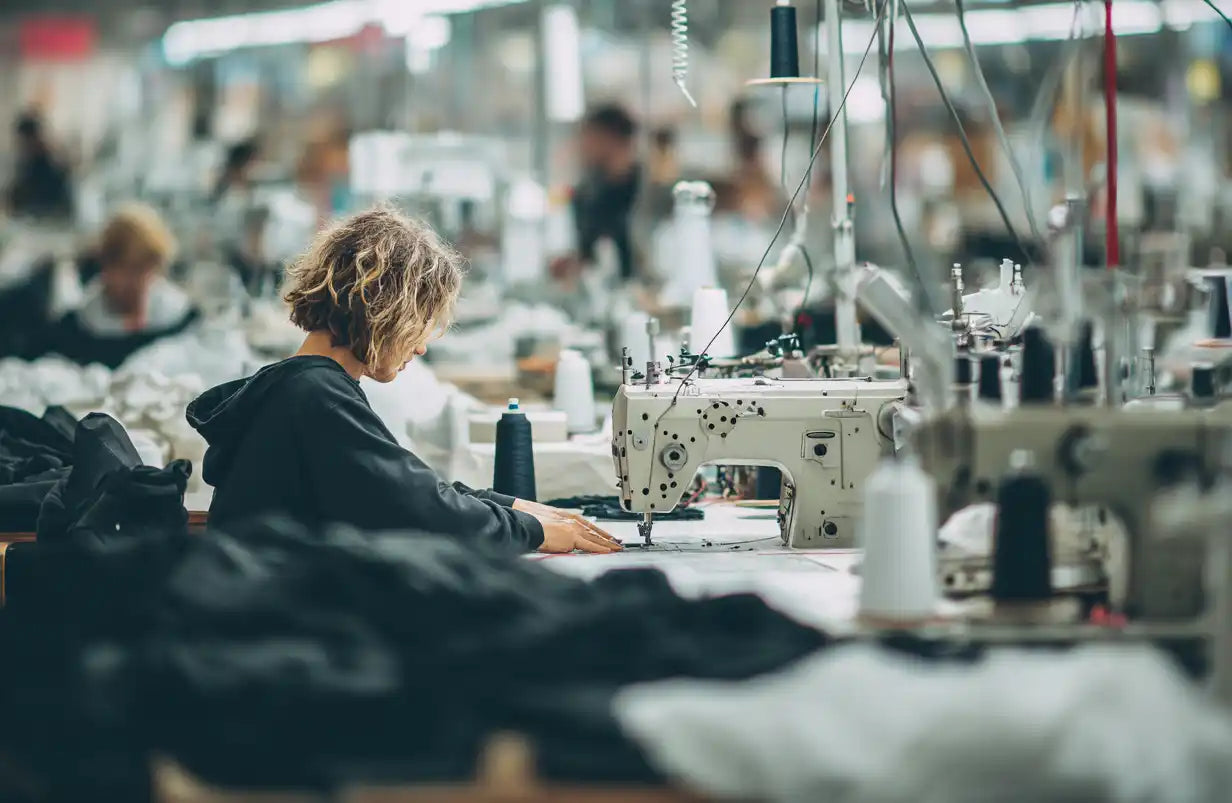
Sustainable & Ethical Clothing Production
OEKO-TEX® certified fabrics, organic cotton, and ethical apparel manufacturing in Portugal.
Understand Sustainable & Ethical Clothing Production
Essentials for Custom Clothing Production
Custom labels, packaging, and trims that elevate your apparel brand in production.
Explore Essentials for Custom Clothing Production
Resources for Custom Clothing Production
Startup guides, logistics support, and scaling strategies for apparel brands and wholesale clients.
Explore Resources for Custom Clothing Production
Clothing Manufacturing Glossary
Explore a complete glossary of clothing and garment manufacturing terms
The Complete Clothing Manufacturing Glossary
The Best Clothing Manufacturers
Explore global clothing manufacturers by country
Explore The Best Clothing Manufacturers
The Latest Clothing Industry Updates in 2025
Discover the latest news about important topics in the clothing industry in 2025,
Stay On Top Of Clothing Industry Updates
Worldwide Best Manufacturers of Clothes in 2026
Top clothing manufacturers worldwide organized by product type
Find The Worldwide Best Manufacturers of Clothes