
Water-Based Ink for Soft, Breathable Custom Apparel
Water-based ink is a screen printing medium that penetrates fabric fibers rather than sitting on top of the garment surface. It produces a soft, breathable finish that closely mimics the natural hand-feel of the fabric, making it ideal for custom t shirts, custom made hoodies, and lightweight apparel programs. While opacity on dark garments is lower than plastisol, water-based inks are widely preferred in 2025 for eco-conscious collections and brands aiming to customize a hoodie without adding weight or stiffness.
This guide explains how water-based screen printing ink works, where it performs best, how it compares to other decoration methods, and what brands should consider when sourcing sustainable apparel.
What Is Water-Based Ink?
Water-based ink consists of pigments suspended in a water carrier that absorbs into textile fibers during printing. Unlike plastisol, it does not cure as a surface layer, resulting in a print that feels integrated into the garment. This characteristic makes it particularly attractive for fashion-driven brands prioritizing comfort and breathability.
Core Properties
- Soft, flexible finish that blends with fabric fibers
- Low VOC, phthalate-free, and environmentally preferred
- Lower opacity on dark garments without an underbase
- Best suited for light-colored or natural fiber fabrics
How Water-Based Ink Works
The water-based screen printing workflow follows traditional screen printing fundamentals but requires tighter process control due to faster drying and fabric absorption.
Artwork Preparation
Designs are separated by color, with each color requiring its own screen. Professional production typically uses vector artwork to ensure clean edges and accurate registration. Colors are separated into spot colors or simulated process systems, and techniques such as trapping are applied to prevent visible gaps during multi-color alignment on press.
Screen Preparation
Screens are coated with a light-sensitive emulsion and exposed using film positives of the artwork. Because water-based inks can dry quickly, higher mesh counts are often selected to maintain detail while controlling ink deposit. Proper screen tension and even coating are critical to avoid uneven penetration or premature drying.
Ink Application
Ink is flooded onto the screen and pushed through the open mesh using a squeegee at consistent pressure and angle. As the ink passes through, it absorbs directly into the fabric fibers rather than sitting on top. Multiple passes may be required for uniform coverage, especially on thicker garments like fleece or hoodies.
Drying & Curing
Water-based inks must be heat cured to lock pigment into the fibers. Garments typically pass through a conveyor dryer at approximately 135–150°C (275–300°F), allowing moisture to evaporate while fixing the ink. Proper curing ensures wash durability without compromising fabric softness.
Applications and Best Uses
- Light-colored custom t shirts for retail and lifestyle brands
- Eco-focused custom made hoodies using organic or recycled cotton
- Minimalist graphics for brands that customize a hoodie for comfort-first collections
- Streetwear programs prioritizing breathability and soft hand-feel
- Collections paired with custom embroidery on sweatshirts for mixed-technique designs
Water-Based Ink vs Heat Transfer Printing
| Feature | Water-Based Ink | Heat Transfer Printing |
|---|---|---|
| Print Feel | Soft, embedded into fabric | Film layer sits on top |
| Breathability | High | Low to moderate |
| Durability | Good with proper curing | Can peel or crack over time |
| Best Use | Fashion and sustainable apparel | Short runs or personalization |
Fabric Compatibility
Water-based inks perform best on natural and breathable fabrics, including:
- 100% cotton and organic cotton
- Bamboo and Tencel blends
- Lightweight cotton-poly blends
Dark or synthetic fabrics may require an underbase, which can reduce softness. Fabric selection guidance is outlined in Materials & Fabrics for Clothing Production .
Common Mistakes to Avoid
- Using low-absorbency fabrics: Synthetic-heavy fabrics prevent proper ink penetration and reduce durability.
- Improper curing temperatures: Under-curing leads to fading, while overheating can scorch garments.
- High color counts: Excessive layers increase drying risk and production slowdowns.
- Skipping fabric testing: Always test ink interaction before bulk production.
Sustainability & Compliance
Water-based inks align with modern sustainability and compliance requirements when certified systems are used:
- OEKO-TEX® Standard 100: OEKO-TEX®
- Global Organic Textile Standard (GOTS): GOTS
- Textile Exchange sustainability benchmarks: Textile Exchange
- Ethical sourcing alignment: Sourcing Process for Custom Clothing
FAQs About Certification & Standards
Is water-based ink OEKO-TEX® compliant?
Yes. Certified water-based inks meet OEKO-TEX® Standard 100 requirements when approved pigments and binders are used.
Can water-based inks be used for GOTS-certified garments?
Yes, provided the ink system and curing process comply with GOTS-approved inputs.
FAQs About Sourcing & Production
What is the typical MOQ for water-based printing?
Most manufacturers recommend 200–500 units per design for stable production and consistent quality.
Can water-based printing be combined with embroidery?
Yes. Many brands combine water-based prints with custom embroidery on sweatshirts for premium collections.
FAQs About Materials & Care
How should water-based printed garments be washed?
Wash inside out in cold water and dry on low heat to preserve softness and print longevity.
Will water-based prints crack over time?
Properly cured prints remain flexible and durable. Cracking typically results from improper curing or excessive heat exposure.
Final Thoughts
Water-based ink offers a breathable, soft alternative for brands producing custom t shirts and custom made hoodies in 2025. When paired with proper fabric selection and controlled production, it delivers comfort, sustainability, and long-term wear performance.
Brands planning water-based screen printing programs can review material options and production availability through our request form: Request a Quote.
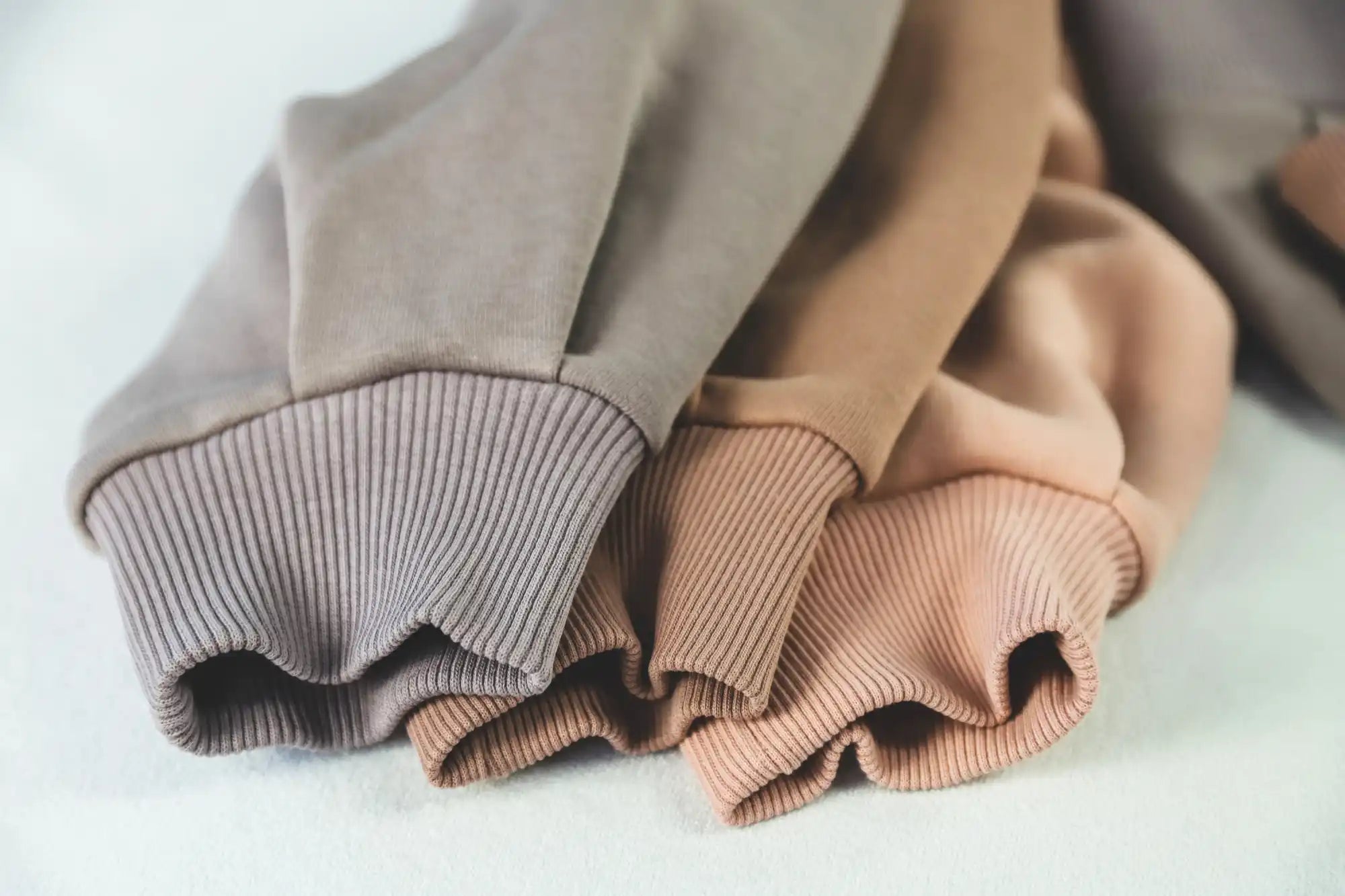
Materials & Fabrics for Clothing Production
Explore cotton, French terry, jersey, fleece, and sustainable blends used in premium apparel manufacturing.
Explore Premium Apparel Fabrics Guide
Printing Techniques for Apparel Production
Screen printing, embroidery, puff prints, and digital methods for custom clothing manufacturing.
Explore Custom Apparel Printing Techniques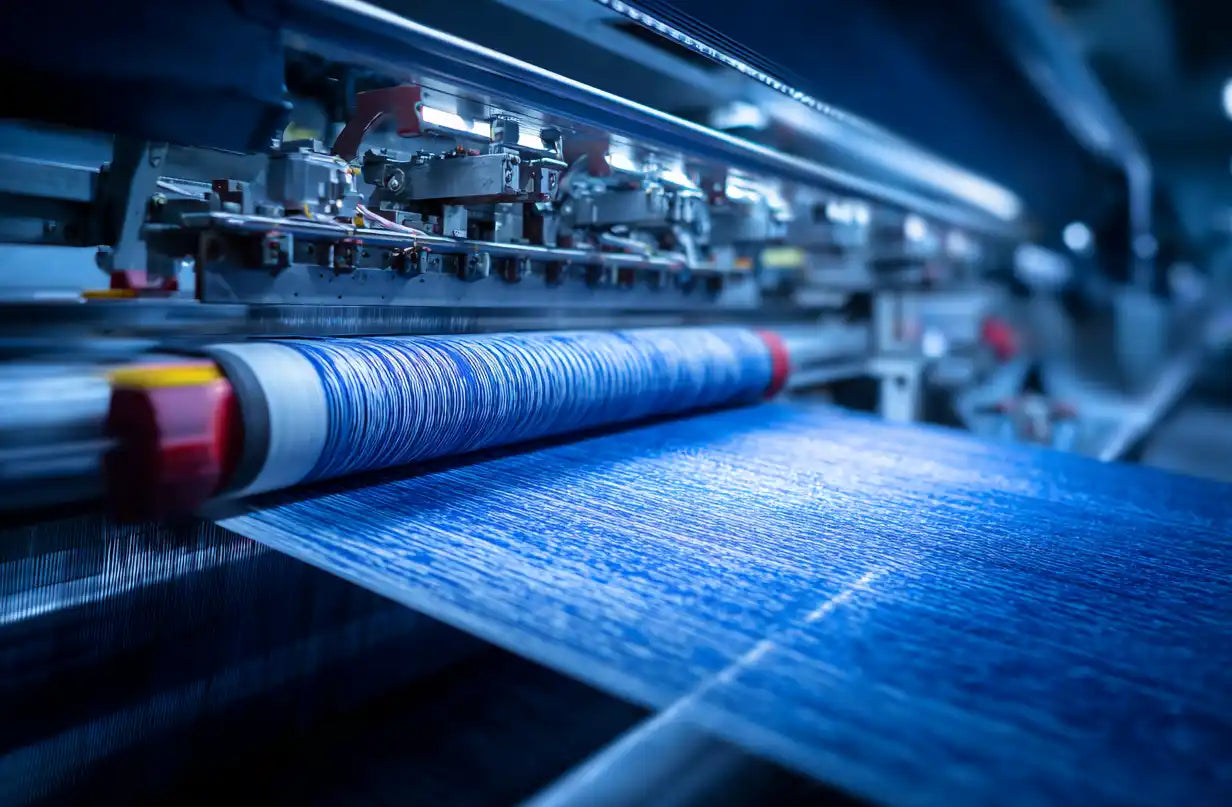
Dyeing Techniques in Clothing Manufacturing
Garment dye, pigment, acid wash, and stone wash finishes that create unique apparel designs.
Compare Apparel Finishing Techniques
Popular Clothing Items for Custom Apparel
Hoodies, joggers, t-shirts, leggings, and biker shorts — essentials for every apparel collection.
Explore Popular Custom Clothing Items
Trends & Designs in Modern Apparel
Oversized fits, streetwear influences, and activewear styles driving custom clothing production.
Explore Trends & Designs for Apparel Development
Sustainable & Ethical Clothing Production
OEKO-TEX® certified fabrics, organic cotton, and ethical apparel manufacturing in Portugal.
Understand Sustainable & Ethical Clothing Production
Essentials for Custom Clothing Production
Custom labels, packaging, and trims that elevate your apparel brand in production.
Explore Essentials for Custom Clothing Production
Resources for Custom Clothing Production
Startup guides, logistics support, and scaling strategies for apparel brands and wholesale clients.
Explore Resources for Custom Clothing Production
Clothing Manufacturing Glossary
Explore a complete glossary of clothing and garment manufacturing terms
The Complete Clothing Manufacturing Glossary
The Best Clothing Manufacturers
Explore global clothing manufacturers by country
Explore The Best Clothing Manufacturers
The Latest Clothing Industry Updates in 2025
Discover the latest news about important topics in the clothing industry in 2025,
Stay On Top Of Clothing Industry Updates
Worldwide Best Manufacturers of Clothes in 2026
Top clothing manufacturers worldwide organized by product type
Find The Worldwide Best Manufacturers of Clothes