
What Is a Pump Cover?
The Evolution of the Pump Cover in Modern Athleisure
The pump cover has transformed from a small gym-goer habit into one of the most recognizable symbols of modern athleisure. Traditionally, it referred to an oversized hoodie or tee worn during warm-ups to keep muscles warm and boost vascularity. Today, it’s a fusion of streetwear and gymwear aesthetics, capturing the “pre-lift” vibe that dominates social feeds and fitness fashion alike. The trend’s rise parallels the growth of the global gymwear market, which exceeded €220 billion in 2025 and continues to expand by 8 percent annually.
In essence, a pump cover blends performance function—heat retention and comfort—with fashion intent: it signals discipline, progress, and personal style. From influencer collaborations to eco-luxury limited drops, the pump cover has become a gateway product for brands building a fitness-fashion identity.

Pump Cover vs Hoodie — What’s the Difference?
Though often confused, not every hoodie qualifies as a pump cover. The distinction lies in fit, fabric weight, and purpose. Pump covers emphasize oversized proportions, thicker materials, and gym-to-street versatility. They’re designed to enhance the visual “pump” after exercise while offering breathable warmth during training.
Traditional hoodies are everyday comfort pieces, while pump covers are deliberately engineered for athletes and style-focused consumers who value structure, drape, and durability. This deliberate design focus has pushed many European and Portuguese manufacturers to specialize in mid-to-heavyweight fleece and terry fabrics optimized for branding and comfort.
Why Pump Covers Lead Custom Apparel Manufacturing in 2025
For emerging fashion labels, pump covers offer high margins, flexible minimums, and trend-driven appeal. Their unisex fit reduces sizing complexity, while the blank canvas of fleece or jersey supports diverse branding—from embroidery to puff print logos. Portuguese factories, known for premium small-batch production, have leveraged this trend to supply eco-certified, short-lead-time solutions.
Manufacturers in northern Portugal—especially around Porto and Braga—now combine heritage craftsmanship with advanced sustainability systems. Over 62 percent of national textile output carries GOTS or OEKO-TEX certifications, ensuring traceable, low-impact fabrics that resonate with eco-aware brands.
Material and Design Insights
Modern pump covers rely on mid-weight to heavy fabrics (typically 280–360 GSM) that provide shape and insulation without restricting movement. The most common options include:
- Organic Cotton Fleece: Perfect for lifestyle or eco collections—soft, breathable, and biodegradable.
- Cotton/Poly Fleece Blends: Durable, moisture-controlled, and cost-efficient for strength-training lines.
- French Terry: A lighter loop-back knit ideal for transitional seasons and summer drops.
Portugal’s continued innovation in sustainable jersey and fleece makes it Europe’s epicenter for high-quality athleisure manufacturing. Leading mills have invested in water-recirculation dye systems and solar-powered finishing lines, helping reduce CO₂ emissions by up to 40 percent since 2023.
The Eco Pump Cover Revolution
According to Textile Exchange (2025), Portugal’s eco-textile exports grew 14.3 percent year-over-year. With the rise of circular fashion, brands like Athleisure Basics now produce organic cotton and recycled polyester pump covers using non-toxic, water-based inks. These eco-friendly methods position the pump cover not just as a trend but as a sustainable wardrobe investment.
The Manufacturing Process in Portugal
Producing a custom pump cover involves several key stages that balance artisanal quality with efficiency:
- Fabric Sourcing (1–2 weeks): Selecting organic or performance yarns certified for sustainability.
- Pattern Development (3–5 days): Crafting oversized fits and shoulder drops aligned with brand DNA.
- Sampling & Fit Approval (1 week): Refining silhouettes through digital pattern adjustments.
- Bulk Production (3–5 weeks): Automated cutting, assembly, and seam reinforcement under quality control.
- Final Inspection & Shipping (1 week): Ensuring colorfastness, print quality, and precise labeling.
Average lead times hover between 5 and 7 weeks—ideal for boutique labels seeking European reliability and speed-to-market advantages over Asian suppliers.
Key Market Insights for 2025
Recent data reveals that oversized cropped hoodies and mid-weight fleece sets are the top-requested custom styles. Average production costs range from €9–12 per unit, while retail prices average €45–55—yielding margins between 68 and 80 percent. These figures make the pump cover a powerful entry product for both startups and established labels.
Style and Outfit Ideas for 2025
Because the pump cover bridges activewear and lifestyle apparel, it adapts to countless styling contexts:
- Gym Minimalist: Black oversized cover, tapered joggers, and tonal trainers.
- Street Athlete: Graphic print fleece with cargo pants and crossbody bag.
- Retro Lift Look: Washed crewneck paired with vintage shorts and high socks.
- Athleisure Luxe: Cropped beige pump cover matched with seamless leggings.
Customization Options That Convert
Customization defines the pump-cover boom. Brands increasingly request screen printing, DTG, embroidery, enzyme washing, and private label packaging. Portuguese suppliers excel at short-run flexibility—minimums of 100–300 units enable test drops without overstock risk. According to 2025 EU fashion benchmarks, offering multiple print zones can lift average order value by 22 percent.
Profit Margins and Scaling Opportunities
With high perceived value and versatile design, pump covers achieve robust retail mark-ups. Production costs average €8–10 per piece for mid-size orders, while suggested retail prices of €39–59 deliver 70–80 percent gross margins. As gymwear merges further with streetwear, these economics will remain strong through 2026.
Future Forecast: The Pump Cover as Brand Identity
Beyond profit, pump covers allow brands to establish visual identity quickly. A single signature silhouette—like a cropped fleece with subtle embroidery—can anchor a label’s entire collection. For many startups, it’s the first product that connects performance authenticity with lifestyle design, fostering community through wearability and digital storytelling.
FAQs about Manufacturing in Portugal
Why is Portugal considered Europe’s hub for athleisure manufacturing?
Portugal has earned its reputation through a unique mix of advanced textile technology, small-batch flexibility, and certified sustainability. Its northern factories near Guimarães and Porto specialize in knitwear and fleece for global gymwear brands, offering traceable supply chains and EU-standard compliance.
How long does it take to manufacture custom pump covers in Portugal?
Typical lead times are 5–7 weeks including sampling, pattern approval, and mass production—faster than most Asian suppliers while maintaining superior quality control.
Are Portuguese manufacturers suitable for low MOQs?
Yes. Many factories accommodate MOQs as low as 100 units, making them ideal for startups and micro-brands testing new collections without financial risk.
What makes Portuguese textiles eco-friendly?
Factories use organic fibers, recycled polyester from EU waste streams, and water-recirculation dye systems that reduce environmental impact by up to 40 percent compared to traditional processes.
FAQs about Fabrics for Pump Covers
Which fabric weight is best for pump covers?
A range between 280 and 360 GSM offers the perfect balance of warmth, structure, and comfort for year-round use.
Is organic cotton as durable as blended fleece?
Organic cotton delivers a natural feel and long-lasting softness, while cotton/poly blends enhance stretch and color retention—choosing depends on brand intent and end use.
Can brands request custom dye effects like acid wash or pigment dye?
Absolutely. Portuguese factories offer enzyme, silicone, and acid wash finishes to create vintage or premium aesthetics without compromising fabric integrity.
Do sustainable fabrics affect costs significantly?
Slightly—around 10–15 percent higher than conventional options—but they improve brand value and qualify for eco-conscious market segments.
FAQs about Customization and Branding
What are the most popular printing methods for pump covers?
Screen printing and DTG remain the most requested methods, while embroidery adds premium texture. Water-based inks ensure breathability and eco compliance.
Can I add private labels or custom packaging in small orders?
Yes—most Portuguese manufacturers support private label branding starting from 100 units, including woven tags, hang labels, and custom packaging options.
How does design flexibility impact conversion rates?
Studies show that offering multiple print zones and personalization options can raise conversion rates by up to 22 percent, especially for limited-edition drops.
What colors and finishes are trending for 2025 collections?
Earth tones, washed neutrals, and acid-dye effects dominate the gym-to-street category, reflecting a shift toward minimal luxury and sustainability.
Conclusion / Summary
The pump cover has evolved into more than just a workout layer—it’s a representation of performance, identity, and environmental responsibility. By combining Portuguese manufacturing excellence, sustainable fabrics, and customization freedom, brands can create pieces that resonate globally while maintaining authentic craftsmanship. For entrepreneurs, it’s the perfect starting point to build a recognizable athleisure brand with premium roots.
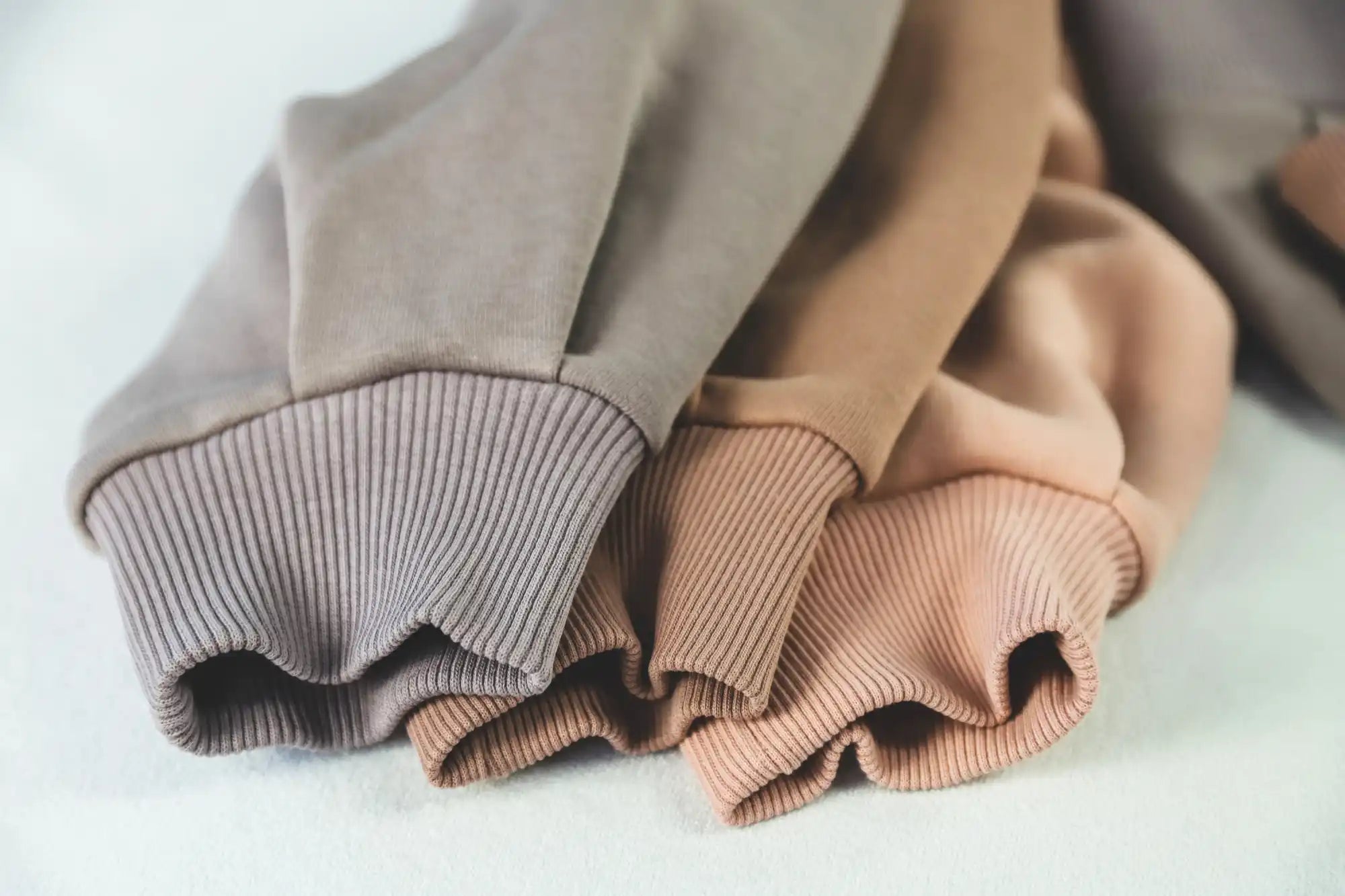
Materials & Fabrics for Clothing Production
Explore cotton, French terry, jersey, fleece, and sustainable blends used in premium apparel manufacturing.
Explore Premium Apparel Fabrics Guide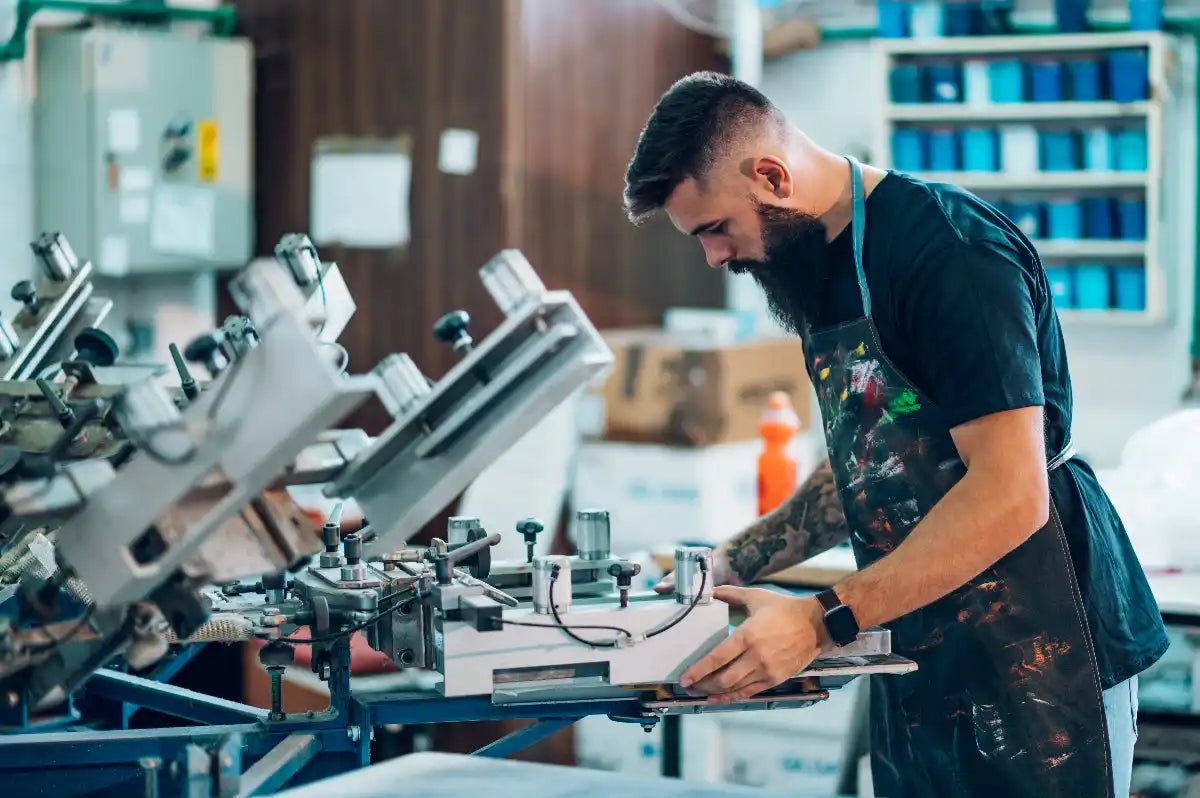
Printing Techniques for Apparel Production
Screen printing, embroidery, puff prints, and digital methods for custom clothing manufacturing.
Explore Custom Apparel Printing Techniques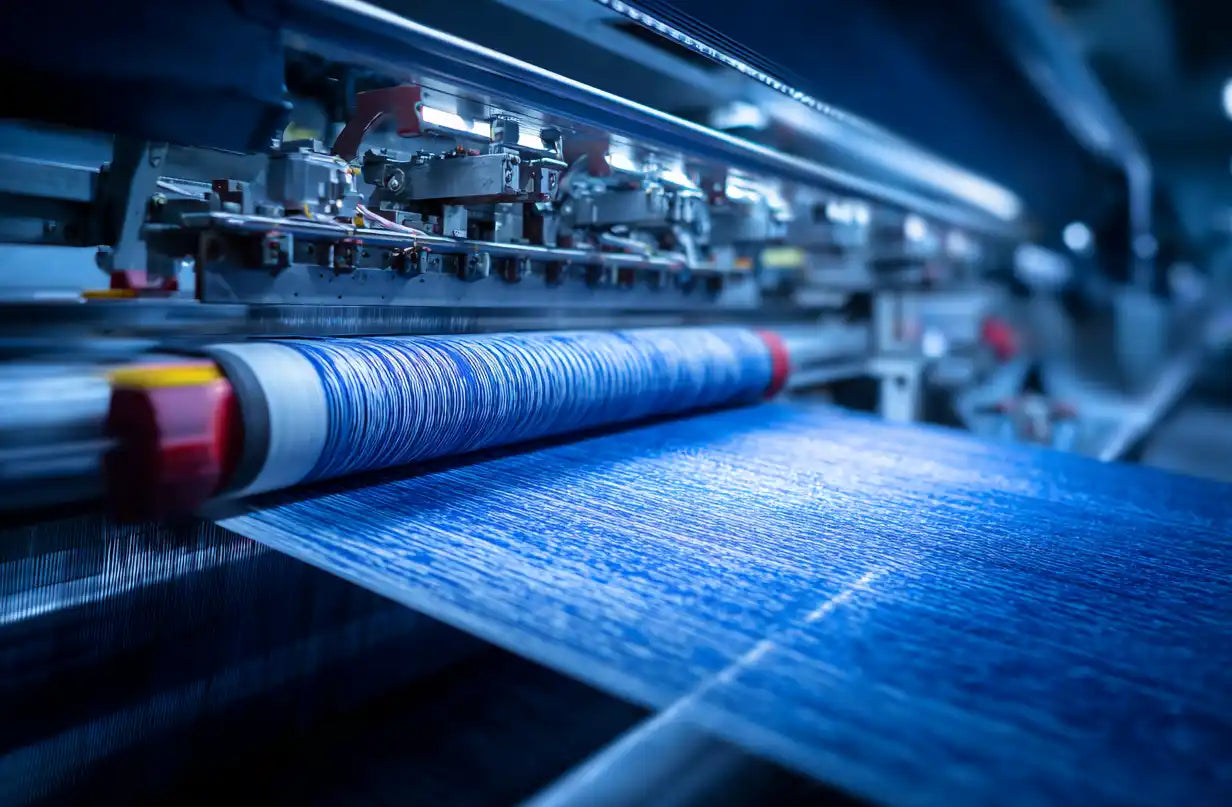
Dyeing Techniques in Clothing Manufacturing
Garment dye, pigment, acid wash, and stone wash finishes that create unique apparel designs.
Compare Apparel Finishing Techniques
Popular Clothing Items for Custom Apparel
Hoodies, joggers, t-shirts, leggings, and biker shorts — essentials for every apparel collection.
Explore Popular Custom Clothing Items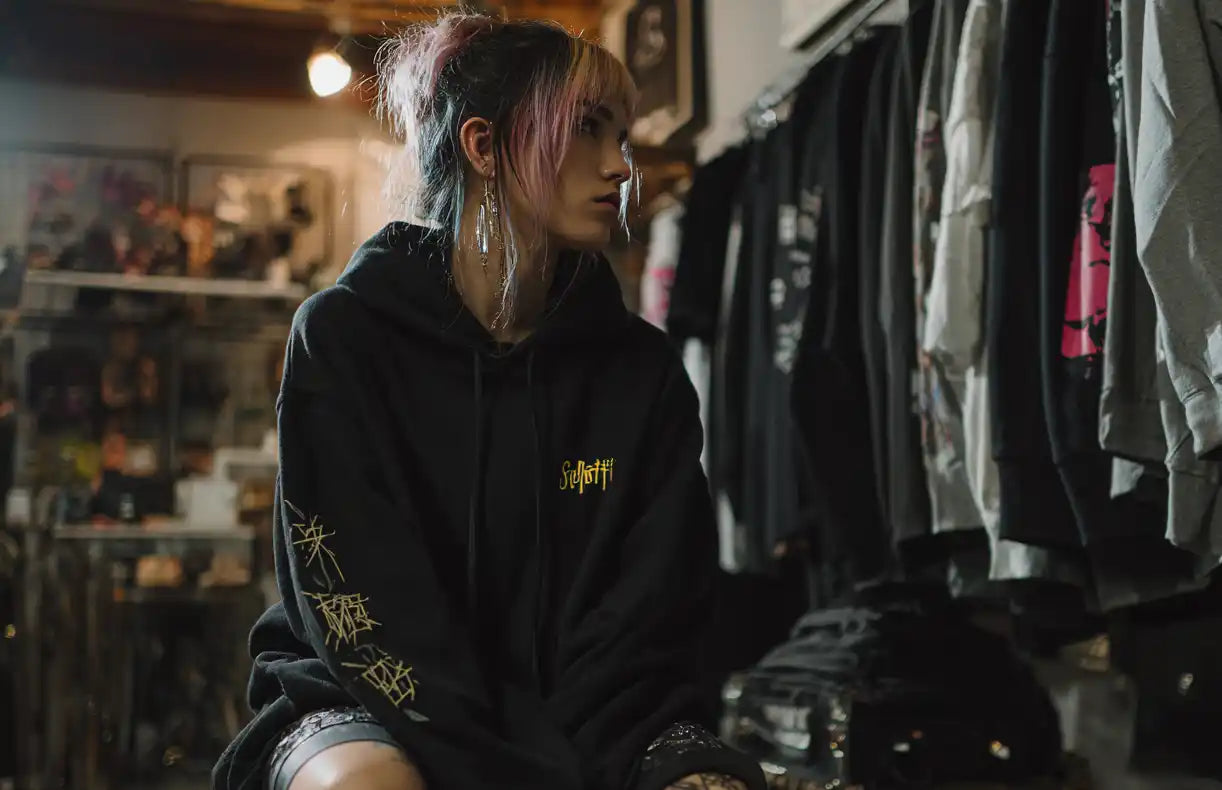
Trends & Designs in Modern Apparel
Oversized fits, streetwear influences, and activewear styles driving custom clothing production.
Explore Trends & Designs for Apparel Development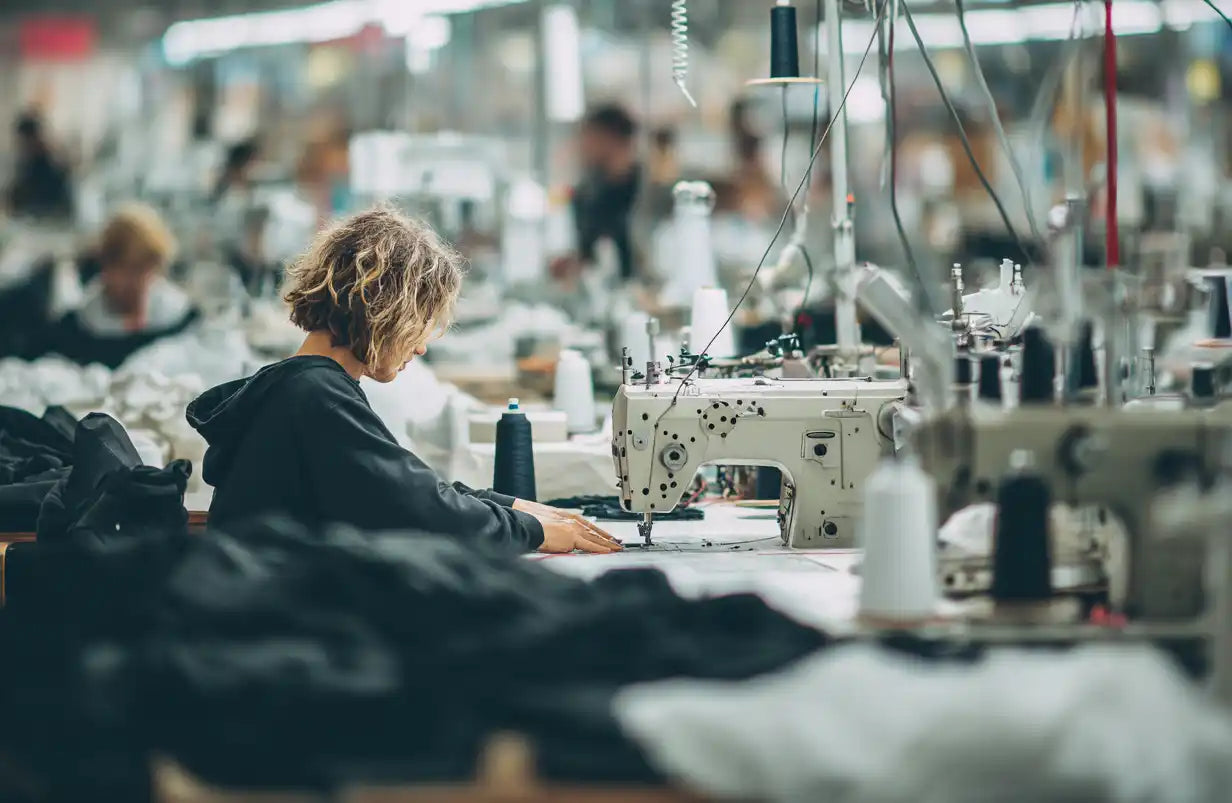
Sustainable & Ethical Clothing Production
OEKO-TEX® certified fabrics, organic cotton, and ethical apparel manufacturing in Portugal.
Understand Sustainable & Ethical Clothing Production
Essentials for Custom Clothing Production
Custom labels, packaging, and trims that elevate your apparel brand in production.
Explore Essentials for Custom Clothing Production
Resources for Custom Clothing Production
Startup guides, logistics support, and scaling strategies for apparel brands and wholesale clients.
Explore Resources for Custom Clothing Production
Clothing Manufacturing Glossary
Explore a complete glossary of clothing and garment manufacturing terms
The Complete Clothing Manufacturing Glossary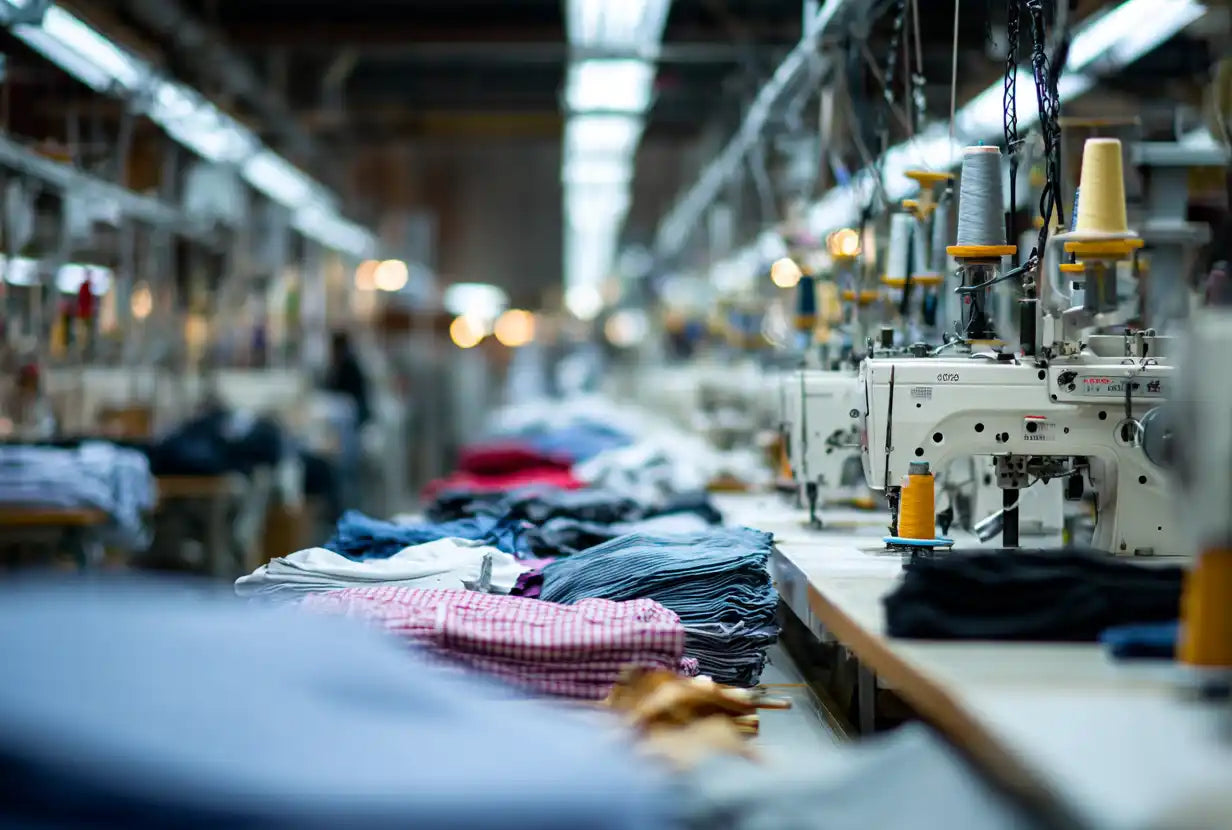
The Best Clothing Manufacturers
Explore global clothing manufacturers by country
Explore The Best Clothing Manufacturers
The Latest Clothing Industry Updates in 2025
Discover the latest news about important topics in the clothing industry in 2025,
Stay On Top Of Clothing Industry Updates
Worldwide Best Manufacturers of Clothes in 2026
Top clothing manufacturers worldwide organized by product type
Find The Worldwide Best Manufacturers of Clothes