
Woven Labels for Custom Clothing Production
Woven labels are a core branding component in modern custom clothing production. For apparel brands producing custom made hoodies, custom t shirts, and premium sweatshirts, woven labels provide a durable and professional brand identifier that withstands repeated wear and washing.
This article is part of the Brand Essentials for Custom Clothing Production pillar and focuses on woven labels as applied garment elements. It explains how woven labels are made, how they compare to printed alternatives, and how sourcing teams can integrate them efficiently at scale.
What Are Woven Labels?
Woven labels are fabric labels created by interlacing warp and weft threads on industrial looms to form brand names, logos, or symbols. Unlike printed labels, the design is built into the fabric structure rather than applied with surface ink.
This construction makes woven labels highly resistant to fading, cracking, and distortion. As a result, they are commonly used as main brand labels in mid-range to premium apparel collections.
Why Woven Labels Matter for Apparel Brands
Woven labels communicate product quality, manufacturing investment, and brand consistency. They remain legible throughout the garment’s lifecycle, even under frequent washing and wear.
- Reinforce brand recognition at the point of wear
- Support retail and wholesale presentation standards
- Maintain clarity across long production cycles
- Enhance perceived value for core products
How Woven Labels Are Made
Woven labels are produced on jacquard looms that interlace yarns to create detailed graphics. Each color in the design requires a separate thread, directly affecting cost, detail resolution, and lead time.
Damask weaves offer high durability and sharp detail, while satin weaves prioritize softness for skin contact. After weaving, ultrasonic cutting or heat sealing is used to prevent fraying and edge irritation.
Finished labels are folded and sewn into garments during assembly or applied post-production depending on factory workflow.
Technical Specifications: Common Woven Label Weaves
| Weave Type | Durability | Detail Level | Softness |
|---|---|---|---|
| Damask | High | Very High | Medium |
| Satin | Medium | Medium | High |
| Taffeta | Low | Low | Low |
Woven Label Fold Types and Placement
Fold type affects comfort, durability, and appearance. Choosing the wrong fold can lead to irritation or poor alignment during sewing.
- End Fold: Clean edges, commonly used for neckline labels
- Center Fold: Folded through the middle for logo-focused designs
- Mitre Fold: Angled edges for premium finishes
- Manhattan Fold: Reinforced ends for high-stress placements
Woven Labels vs Printed Labels
| Feature | Woven Labels | Printed Labels |
|---|---|---|
| Durability | Excellent | Moderate |
| Wash Resistance | High | May fade or crack |
| Tactile Feel | Textured | Flat |
| Primary Use | Main branding | Care or temporary labels |
Woven Labels in Custom Made Hoodies
Custom made hoodies experience frequent wear and washing, making durable branding essential. Woven labels provide consistent brand visibility throughout the garment’s lifespan.
When brands customize a hoodie, woven labels outperform printed neck labels in longevity. Compared to custom embroidery on sweatshirts, woven labels offer a flatter profile while still delivering tactile branding.
Woven Labels for Custom T Shirts
For custom t shirts, woven labels are commonly used at the neckline or as subtle hem tags. Lightweight damask or satin weaves minimize irritation while preserving brand identity.
Many premium basics brands rely on woven labels to elevate simple silhouettes without adding visual complexity.
Certifications and Regulatory Considerations
Woven labels must comply with regional textile labeling and safety regulations. While they do not require independent certification, their materials and dyes must meet consumer safety standards.
In the United States, fiber content and origin disclosures fall under FTC requirements. Many brands align dye safety with OEKO-TEX® Standard 100 guidelines and reference the U.S. Federal Trade Commission for labeling rules.
Common Mistakes to Avoid
Choosing the Wrong Fold Type
Incorrect fold selection can cause neck irritation and discomfort. This often leads to higher return rates and negative customer feedback.
Overly Complex Designs
Excessive colors increase loom setup costs and per-unit pricing. Fine details may also lose clarity when woven at scale.
Late Design Changes
Changes after loom setup create sunk costs and production delays. These revisions can disrupt delivery timelines.
Ignoring Fabric Interaction
Stiff labels on lightweight garments reduce comfort. This can impact repeat purchase behavior.
Inconsistent Branding Across SKUs
Inconsistent labels weaken brand cohesion. Wholesale buyers often view this as a quality control issue.
FAQs About Certification & Standards
Do woven labels require certification?
Woven labels do not require independent certification, but they must comply with textile labeling laws in the target market. This includes accurate fiber content and country of origin disclosures. Non-compliance can result in rejected shipments or penalties.
Are woven labels subject to CPSIA regulations?
Yes, woven labels used in garments sold in the United States must meet CPSIA safety requirements. This includes limits on lead content and harmful substances. Labels are treated as part of the finished product.
Do EU regulations affect woven labels?
EU textile regulations require accurate labeling of fiber composition and origin. These disclosures may appear on woven labels or accompanying care labels. Incorrect labeling can delay customs clearance.
FAQs About Sourcing & Production
What are typical MOQs for woven labels?
Woven labels usually have higher MOQs due to loom setup requirements. Multi-color or high-detail designs often increase minimum quantities. Planning ahead helps control costs.
Can woven labels be reordered consistently?
Yes, woven labels offer excellent consistency when specifications remain unchanged. Retaining original artwork, colors, and dimensions ensures repeat accuracy. This supports long-term brand consistency.
When are woven labels applied during production?
Woven labels are typically sewn during garment assembly. In some cases, they may be added post-production. The timing depends on factory workflow and quality control processes.
FAQs About Materials & Care
Do woven labels shrink after washing?
High-quality woven labels are pre-shrunk during finishing. They maintain shape through standard wash cycles. Shrinkage issues usually indicate poor material selection.
Are woven labels comfortable against the skin?
Yes, when soft weaves and appropriate fold types are used. Satin and fine damask weaves reduce friction. Proper placement also improves comfort.
Can woven labels be used on lightweight garments?
Lightweight woven labels are suitable for t-shirts and thin knits. Choosing the correct weave and size prevents stiffness. This ensures comfort without sacrificing branding.
Next Steps for Your Brand
If your brand plans to develop new collections using professional woven labels and scalable production methods, reach out to our team via the request form to discuss availability and production options.
Request production details here
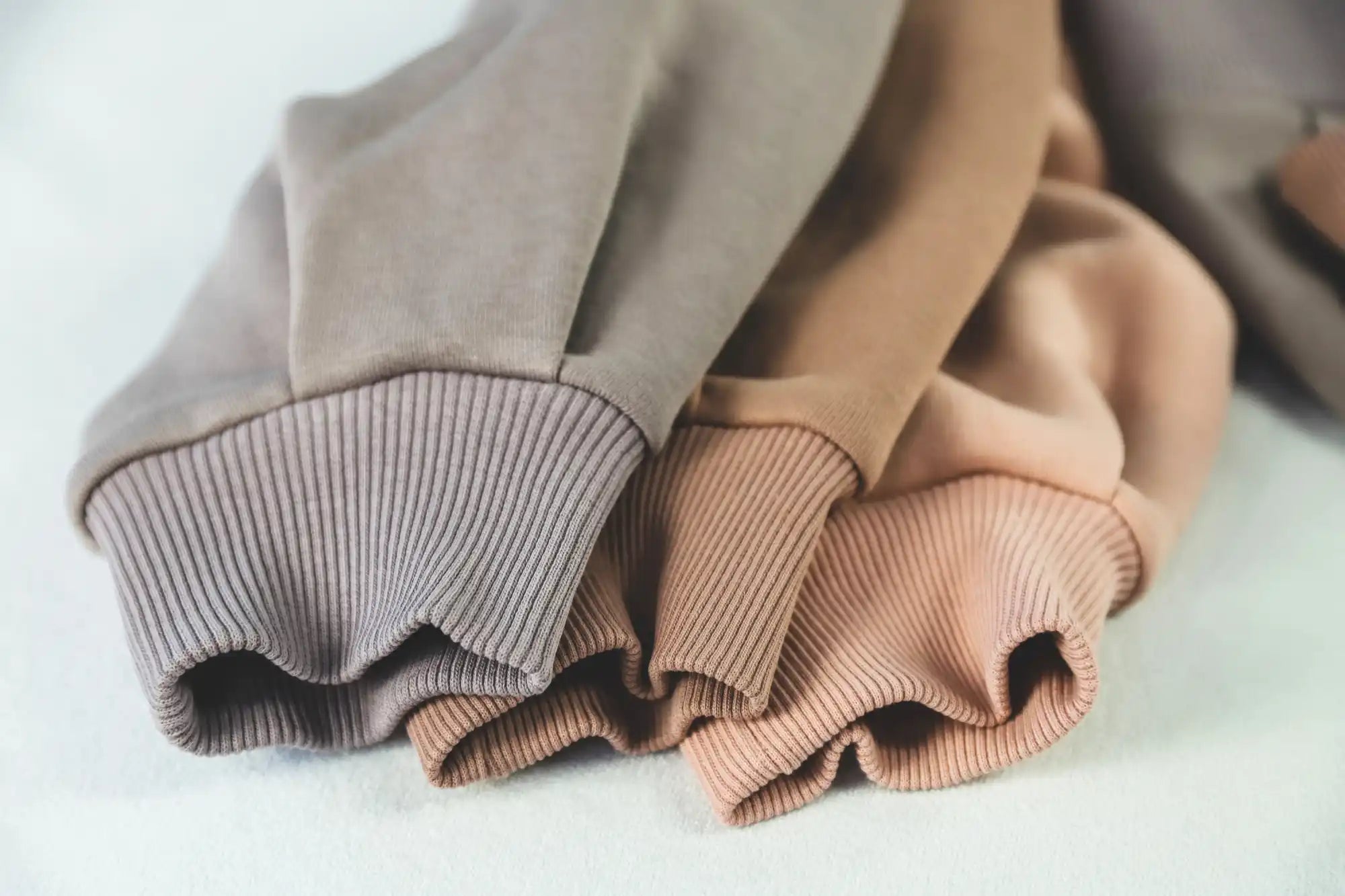
Materials & Fabrics for Clothing Production
Explore cotton, French terry, jersey, fleece, and sustainable blends used in premium apparel manufacturing.
Explore Premium Apparel Fabrics Guide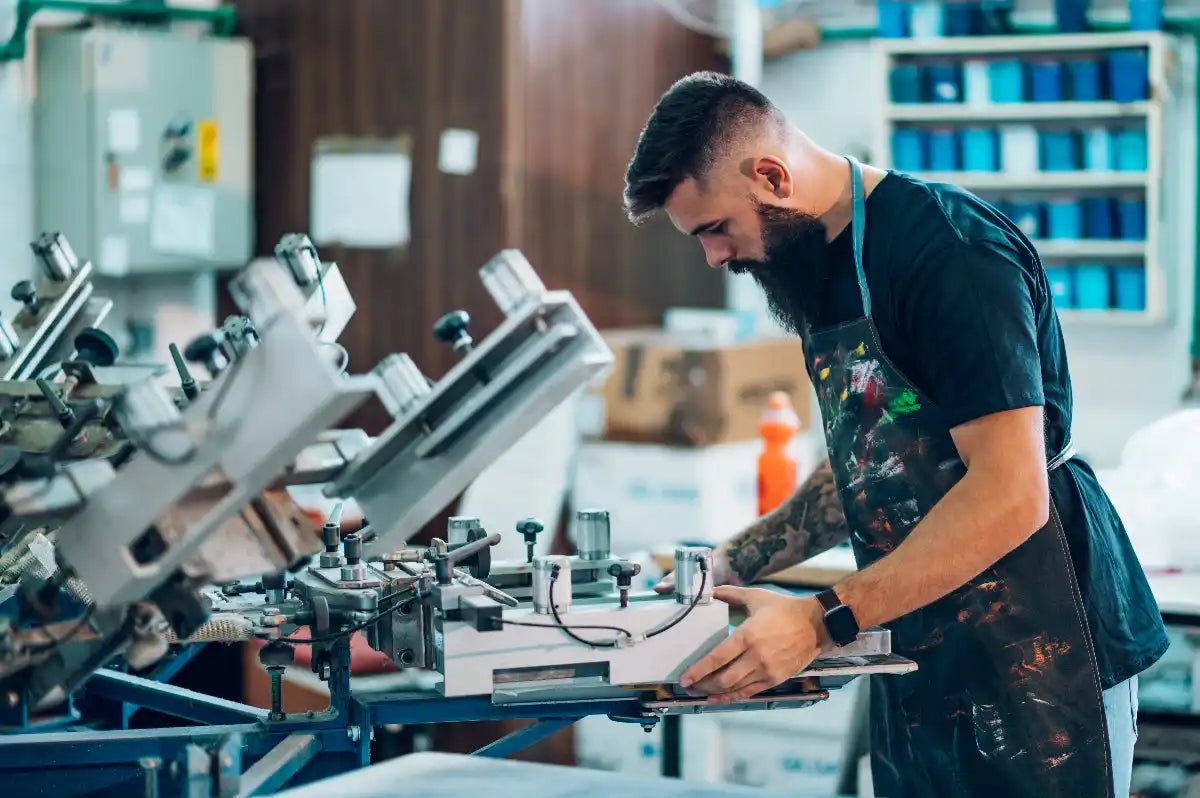
Printing Techniques for Apparel Production
Screen printing, embroidery, puff prints, and digital methods for custom clothing manufacturing.
Explore Custom Apparel Printing Techniques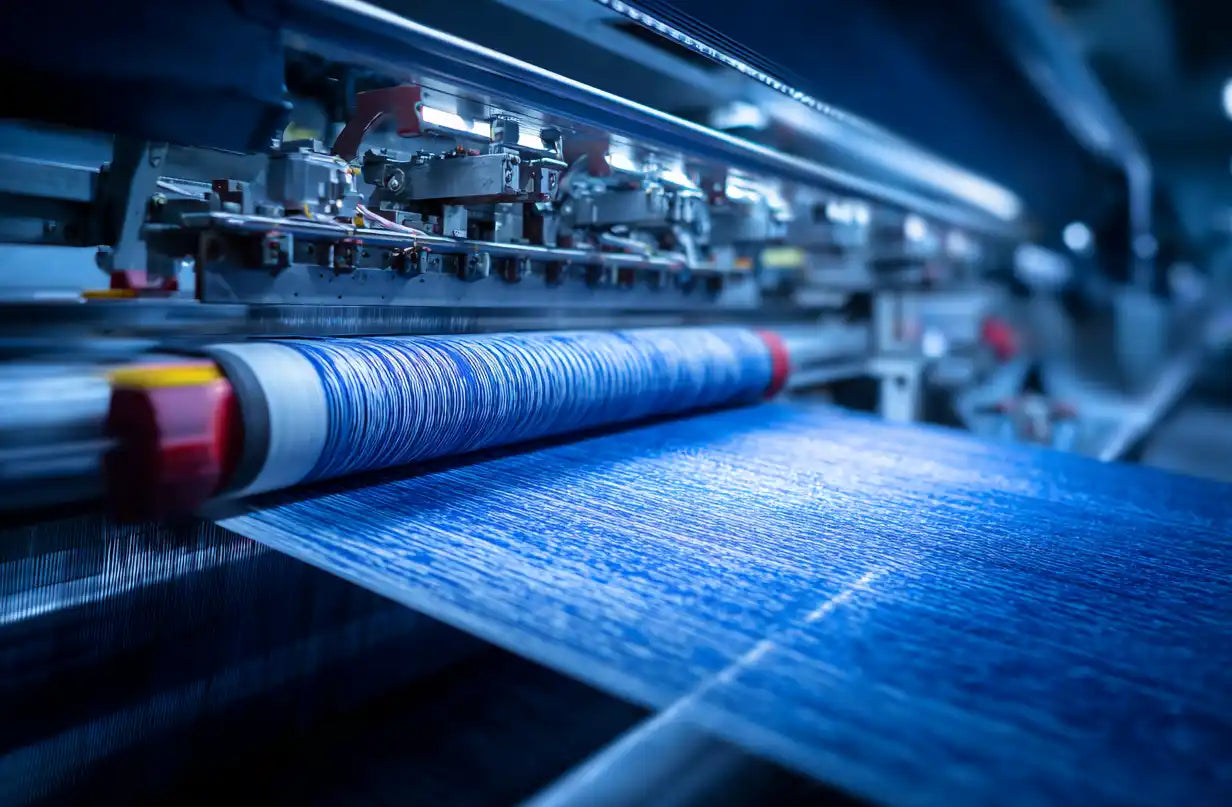
Dyeing Techniques in Clothing Manufacturing
Garment dye, pigment, acid wash, and stone wash finishes that create unique apparel designs.
Compare Apparel Finishing Techniques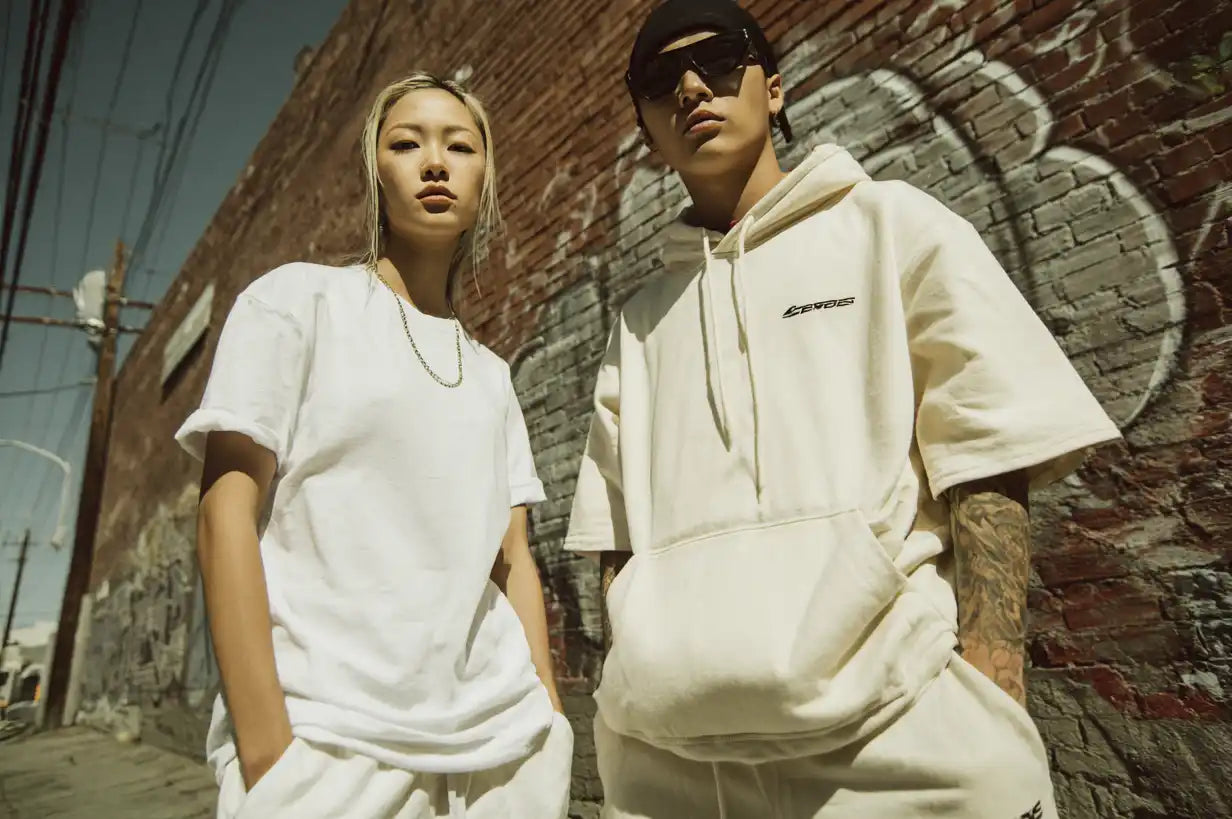
Popular Clothing Items for Custom Apparel
Hoodies, joggers, t-shirts, leggings, and biker shorts — essentials for every apparel collection.
Explore Popular Custom Clothing Items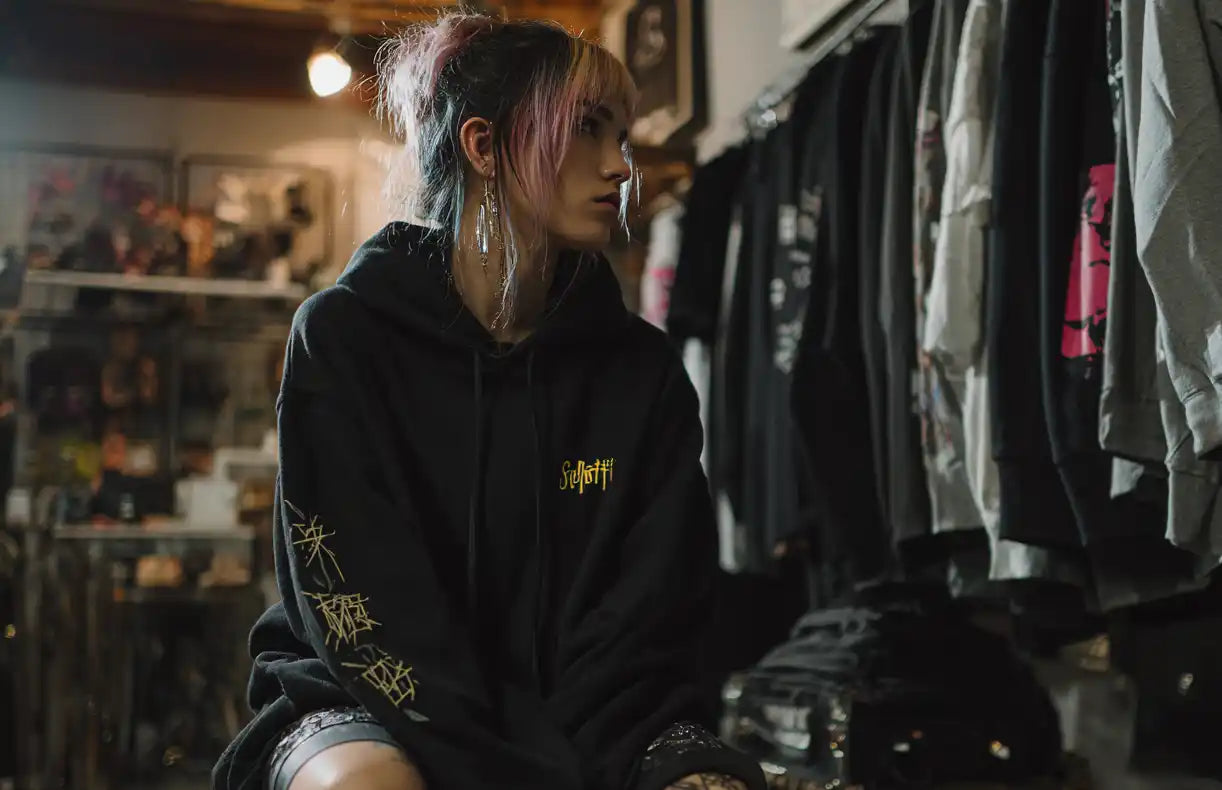
Trends & Designs in Modern Apparel
Oversized fits, streetwear influences, and activewear styles driving custom clothing production.
Explore Trends & Designs for Apparel Development
Sustainable & Ethical Clothing Production
OEKO-TEX® certified fabrics, organic cotton, and ethical apparel manufacturing in Portugal.
Understand Sustainable & Ethical Clothing Production
Essentials for Custom Clothing Production
Custom labels, packaging, and trims that elevate your apparel brand in production.
Explore Essentials for Custom Clothing Production
Resources for Custom Clothing Production
Startup guides, logistics support, and scaling strategies for apparel brands and wholesale clients.
Explore Resources for Custom Clothing Production
Clothing Manufacturing Glossary
Explore a complete glossary of clothing and garment manufacturing terms
The Complete Clothing Manufacturing Glossary
The Best Clothing Manufacturers
Explore global clothing manufacturers by country
Explore The Best Clothing Manufacturers
The Latest Clothing Industry Updates in 2025
Discover the latest news about important topics in the clothing industry in 2025,
Stay On Top Of Clothing Industry Updates
Worldwide Best Manufacturers of Clothes in 2026
Top clothing manufacturers worldwide organized by product type
Find The Worldwide Best Manufacturers of Clothes