Color shapes the personality of every garment. Among modern dyeing techniques for clothing manufacturing, yarn dyeing stands out for its ability to create precise patterns, rich tones, and durable fabrics. By coloring yarns before weaving or knitting, mills achieve depth and clarity that piece- or garment-dyed fabrics cannot replicate.
What Is Yarn Dyeing?
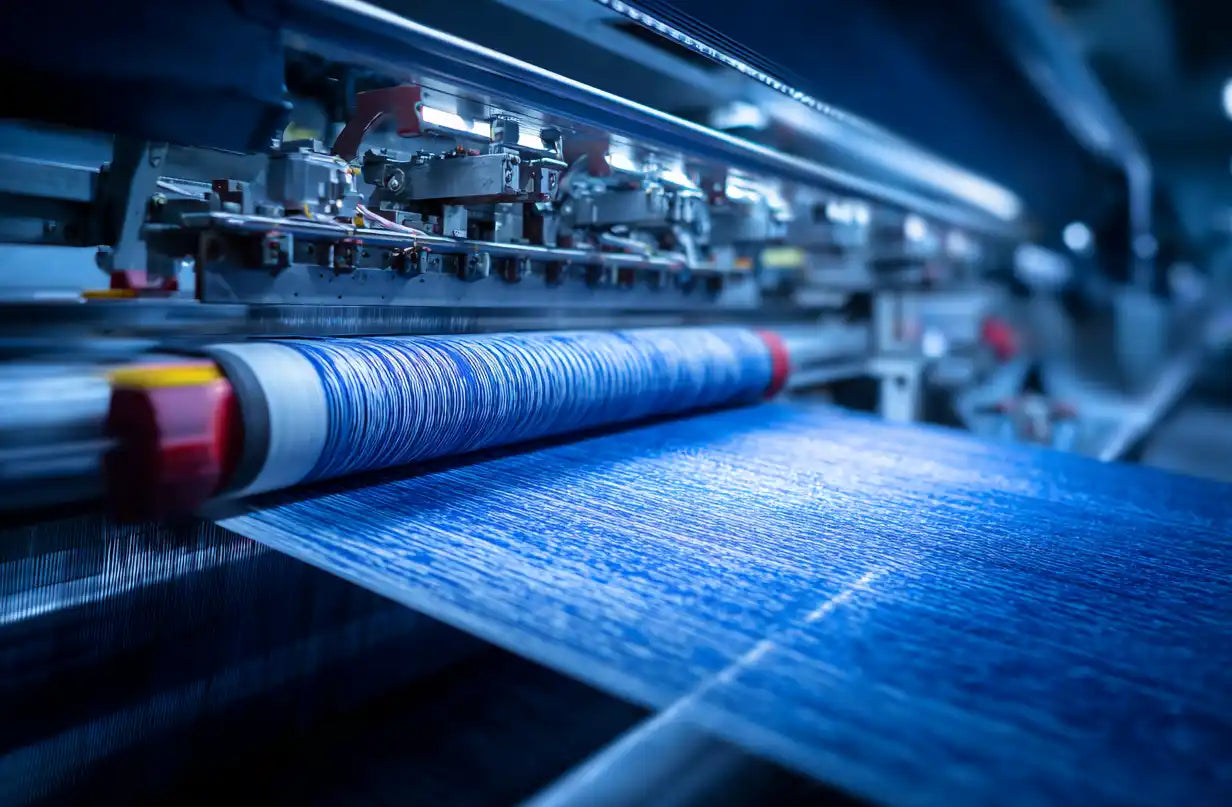
Yarn dyeing is the process of adding color to yarns before fabric formation. Each thread absorbs dye to its core, ensuring uniform shade and superior wash fastness. Compared with fabric or garment dyeing, this method delivers cleaner patterns and stronger long-term performance—qualities that define premium wovens, streetwear knits, and active fabrics.
Benefits for Apparel Brands
- Pattern Precision: Creates crisp stripes, checks, and jacquards.
- Color Durability: Penetrates the fibre core for enhanced fastness.
- Soft Hand Feel: Requires fewer finishing chemicals, retaining breathability.
- Design Flexibility: Enables mélange, heather, and space-dye effects.
- Premium Longevity: Retains vibrancy across repeated washes.
The Five Key Steps of the Yarn Dye Process
| Step | Description | Control Points |
|---|---|---|
| Pre-treatment | Scouring and bleaching remove oils and waxes for uniform dye uptake. | Water pH 6-7, temp > 90 °C. |
| Dyeing | Yarn cones or hanks immersed in pressurized dyeing vessels. | Liquor ratio ≈ 4-6 L water/kg yarn. |
| Leveling & Fixation | Dye equalized and fixed chemically or thermally. | ΔE < 1 for shade accuracy. |
| Rinsing & Neutralizing | Removes unfixed dye and balances pH. | Counter-flow rinse = up to 80 % water reuse. |
| Drying & Rewinding | Yarn dried and rewound for weaving or knitting. | Moisture < 6 % before packing. |
Common Yarn Dye Methods
- Package Dyeing: Efficient for cotton and poly blends with low liquor ratios.
- Hank Dyeing: Gentle on luxury fibres and small-batch production.
- Beam Dyeing: Ideal for warp yarns in woven shirtings.
- Space Dyeing: Creates multi-colour or variegated effects for fashion knits.
Yarn Dye vs Piece Dye Comparison
| Criteria | Yarn Dyeing | Piece Dyeing |
|---|---|---|
| Stage | Before fabric formation | After weaving or knitting |
| Pattern Capability | Stripes, plaids, jacquards | Solid colours, prints |
| Color Fastness | Excellent | Moderate |
| Lead Time | Longer | Shorter |
| Cost | Higher | Lower |
| Application | Premium or heritage collections | Mass-market basics |
For related finishing processes, explore White Label Luxury Blanks: Heavyweight Hoodies, Oversized T-Shirts & High-Performance Activewear.
Sustainability Snapshot 2025
Modern yarn-dyeing facilities integrate closed-loop water systems, reuse up to 80 % of rinse water, and cut energy use by nearly 30 %. Low-liquor-ratio dye machines (≈ 4 L/kg) are now standard for sustainable textile production.
Chemical Management: Leading dye houses comply with the ZDHC MRSL Level 3 program and align with GOTS v7.0 organic certification. These frameworks ensure clean discharge and transparent environmental metrics.
Adopting closed-loop yarn-dye systems can reduce water use by ≈ 85 % and chemical load by ≈ 90 %. Learn more in Low MOQ Clothing Manufacturer in Portugal.
Applications in Modern Apparel
- Checked wovens and flannels for heritage-inspired collections.
- Mélange and space-dyed knits for premium streetwear.
- Leggings, hoodies, and tees requiring consistent shade across panels.
- Limited-edition drops that highlight authentic fabric craftsmanship.
Explore production case examples in our Oversized T-Shirt Suppliers 2025: Global Manufacturer Guide.
Sourcing Considerations
- Allow 10–14 extra days for lab dips and shade approvals.
- Plan 150–300 kg minimum per colour; consolidate palette families.
- Request test reports for wash, light, and rub fastness.
- Choose mills that disclose annual water and chemical performance data.
Conclusion & Next Steps
Yarn dyeing unites traditional craftsmanship with modern sustainability. By coloring yarns before fabric formation, brands achieve deeper tones, superior durability, and measurable environmental benefits. If your team plans to develop certified yarn-dyed fabrics, reach out through our request form to explore sourcing and production options.
Written by Ana Matos – Head of Sourcing at Athleisure Basics, with 12 years in European textile procurement and fabric development.