
Yarn vs Garment vs Tie-Dye: 2025 Fabric Dyeing Guide
Color has become a core design language in apparel manufacturing. The right dyeing method shapes not just aesthetics but sustainability, cost, and brand agility. In 2025, three approaches dominate: yarn dyeing, garment dyeing, and spray or tie-dye. Each offers unique advantages for pattern complexity, turnaround time, and creative expression.
1. Yarn Dyeing — Precision and Pattern Integrity
Definition: Yarn dyeing colors the yarn before it becomes fabric. This pre-coloration allows manufacturers to create woven or knitted patterns such as checks, stripes, or mélange effects with exceptional clarity.
Why it matters:
- Enables intricate, repeatable designs—ideal for plaid, jacquard, or heathered fabrics.
- Offers outstanding color-fastness since dye penetrates each fibre core.
- Preferred for premium athleisure, shirting, and performance knitwear.
| Feature | Advantages | Limitations |
|---|---|---|
| Color durability | Deep penetration ensures long-lasting vibrancy. | Higher cost and lead time due to multi-stage process. |
| Design versatility | Supports complex woven/knitted patterns. | Less agile for last-minute color changes. |
| Sustainability | Less post-process chemical finishing. | Higher water use if conventional machines are used. |
Example: Portuguese mills often use yarn-dyed organic cotton blends for structured hoodies and technical sweats, balancing durability with aesthetic consistency.
2. Garment Dyeing — Flexibility and Vintage Appeal
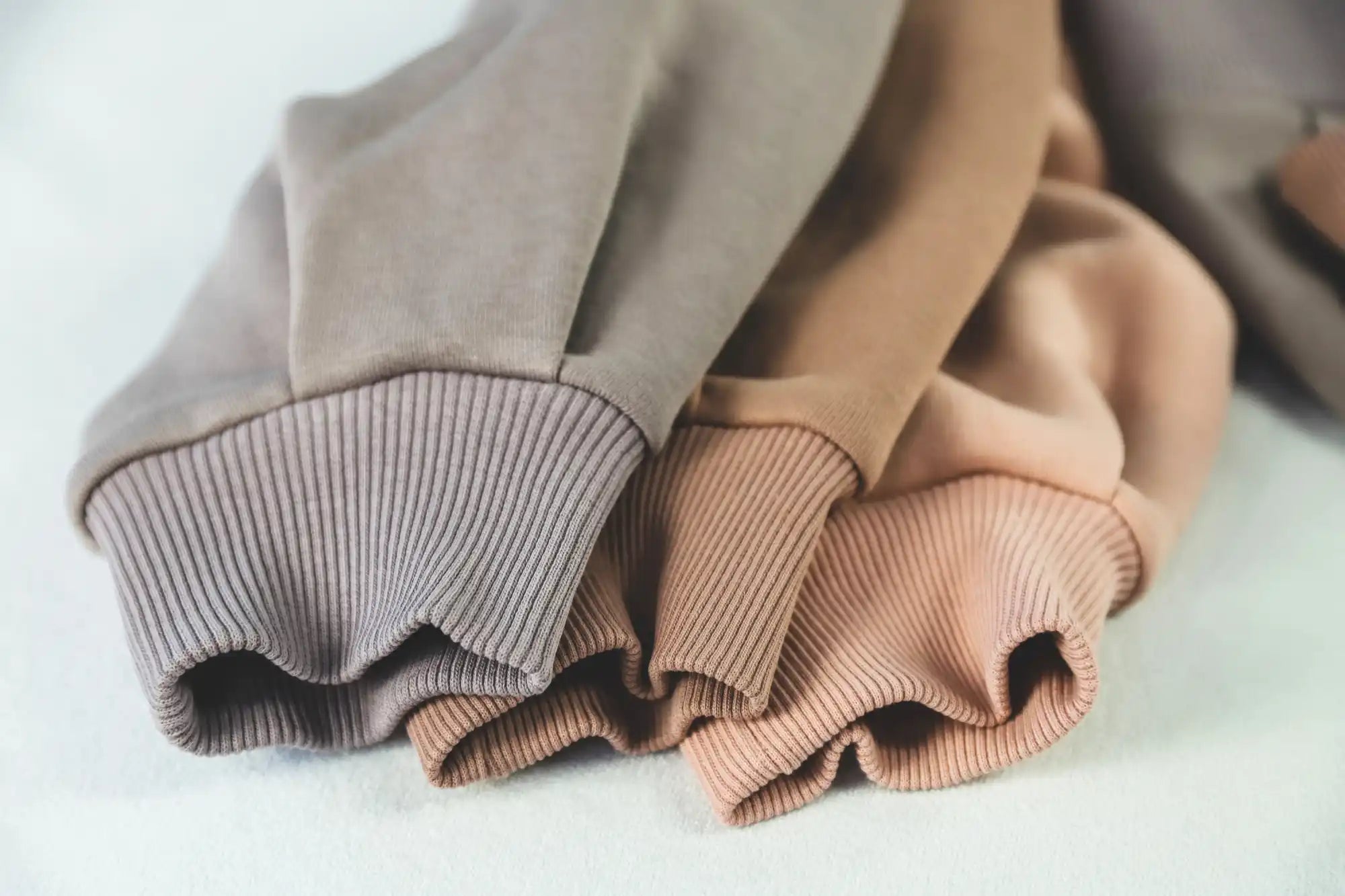
Definition: Garment dyeing colors the finished product instead of the fabric roll. The garment is sewn from PFD (prepared-for-dye) fabric, then dyed as one piece—creating a naturally aged tone and soft hand-feel.
Design flexibility:
- Allows brands to keep greige stock and decide colors late in production.
- Produces uniform or pigment-washed looks ideal for seasonal drops.
- Reduces over-dyed inventory waste.
| Feature | Advantages | Limitations |
|---|---|---|
| Lead time | Quick color decisions near delivery. | Requires trims and threads compatible with the dye bath. |
| Aesthetic | Soft, vintage, pigment-washed look. | Minor batch-to-batch shade variation possible. |
| Batch size | Efficient for small runs or capsule lines. | Needs precise QC for consistency. |
Explore how this process enhances Premium Blank T-Shirts and our Hoodie Collection for vintage pigment effects.
3. Spray & Tie-Dye — Artistic Customization
Definition: Spray and tie-dye techniques color the garment surface to create gradient or pattern variation. Tie-dye binds or folds sections before immersion; spray-dye applies pigment directly for fades or ombré results.
Why brands choose them:
- Supports limited editions and collaborations with visually unique pieces.
- Aligns with streetwear aesthetics and individual expression.
- Modern factories use semi-automated spray systems for controlled creativity.
See real examples in our Acid Wash Oversized Collection.
| Feature | Advantages | Limitations |
|---|---|---|
| Creative range | Unlimited color and pattern variation. | Higher unit cost and slower throughput. |
| Uniqueness | Each piece has character and individuality. | Consistency harder to maintain at scale. |
| Environmental impact | Low-impact pigments possible. | Extra QC to ensure wash and rub fastness. |
4. Quick Comparison: Yarn vs Garment vs Spray/Tie-Dye
Summary: Yarn dyeing offers pattern precision and durability, garment dyeing provides adaptability and vintage style, and spray/tie-dye delivers artistic, one-of-a-kind customization.
| Criteria | Yarn Dyeing | Garment Dyeing | Spray/Tie-Dye |
|---|---|---|---|
| Process stage | Yarn before fabric | Finished garment | Finished garment |
| Design capability | Precise patterns | Uniform/vintage tones | Artistic visuals |
| Lead time | Longest | Moderate | Variable |
| Color flexibility | Low | High | Very high |
| MOQ suitability | Large | Small-medium | Small |
| Best for | Core patterned lines | Seasonal solids | Capsule artwear |
5. Sustainability and Certifications
Modern dyeing combines creative freedom with responsible production. According to the Textile Exchange (2024), adopting low-liquor-ratio dyeing machines can reduce water usage by up to 70%, helping facilities align with ZDHC standards. Many European factories also integrate closed-loop water systems to meet 2025 EU sustainability targets.
Key certifications verifying safe and ethical dyeing include:
- OEKO-TEX® Standard 100 — confirms textiles are tested for harmful substances.
- GOTS (Global Organic Textile Standard) — ensures organic fibres and environmentally responsible processing.
To learn how certified production partners operate, read Clothing Manufacturers Portugal: 2025 Guide.
6. Implementation Checklist
- Define design goals: pattern complexity, solid tones, or artistic visuals.
- Select compatible fabrics and trims before dyeing begins.
- Request lab dips and shade approvals per colour.
- Verify OEKO-TEX® or GOTS documentation.
- Run wash and rub tests for colour-fastness validation.
- Plan production lead time based on the chosen method.
FAQs About Certification and Standards
Which certifications guarantee safe dyeing?
OEKO-TEX® Standard 100 and GOTS verify chemical safety and sustainable processing, while ZDHC compliance ensures minimal hazardous discharge.
How can small brands meet certification requirements?
Many Portuguese and Italian dye houses hold facility-level certifications, allowing small runs to be produced under their approved systems.
Are certified processes more expensive?
Costs may increase slightly, but savings appear in reduced re-dye, fewer rejects, and improved market credibility.
FAQs About Sourcing and Production
When should colour decisions be finalised?
Early for yarn dyeing, midway for garment dyeing, and flexible for spray/tie-dye—align timing with your design calendar.
What minimums apply?
Yarn dyeing usually requires 500–1,000 m per colour; garment dyeing 50–100 pcs; spray/tie-dye 20–50 pcs depending on complexity.
How do manufacturers ensure consistency?
Through shade-card approval, first-piece inspection, and controlled dye-bath parameters for every batch.
FAQs About Materials and Care
Do dyeing methods affect care labels?
Yes. Garment and tie-dye pieces should note “wash separately” and avoid harsh detergents to maintain colour vibrancy.
Which fabrics perform best?
Cotton and cotton-poly blends absorb dye evenly; synthetics need specialised dispersion dyes for deep, lasting colour.
How should brands communicate colour variation?
Include garment tags stating that variation is part of the design’s unique character—especially for spray and pigment-washed items.
Conclusion
Choosing between yarn dyeing, garment dyeing, and spray/tie-dye depends on your brand’s creative direction, speed-to-market needs, and sustainability goals. Each technique offers a balance between artistry and efficiency.
If your brand plans to develop new collections using certified fabrics or explore advanced dyeing finishes, reach out to our production team through the request form to discuss fabric availability and manufacturing options.
Author: AthleisureBasics Editorial Team & Sourcing at AthleisureBasics — over 12 years of experience in sustainable apparel manufacturing across Portugal and the EU.
Materials & Fabrics for Clothing Production
Explore cotton, French terry, jersey, fleece, and sustainable blends used in premium apparel manufacturing.
Explore Premium Apparel Fabrics Guide
Printing Techniques for Apparel Production
Screen printing, embroidery, puff prints, and digital methods for custom clothing manufacturing.
Explore Custom Apparel Printing Techniques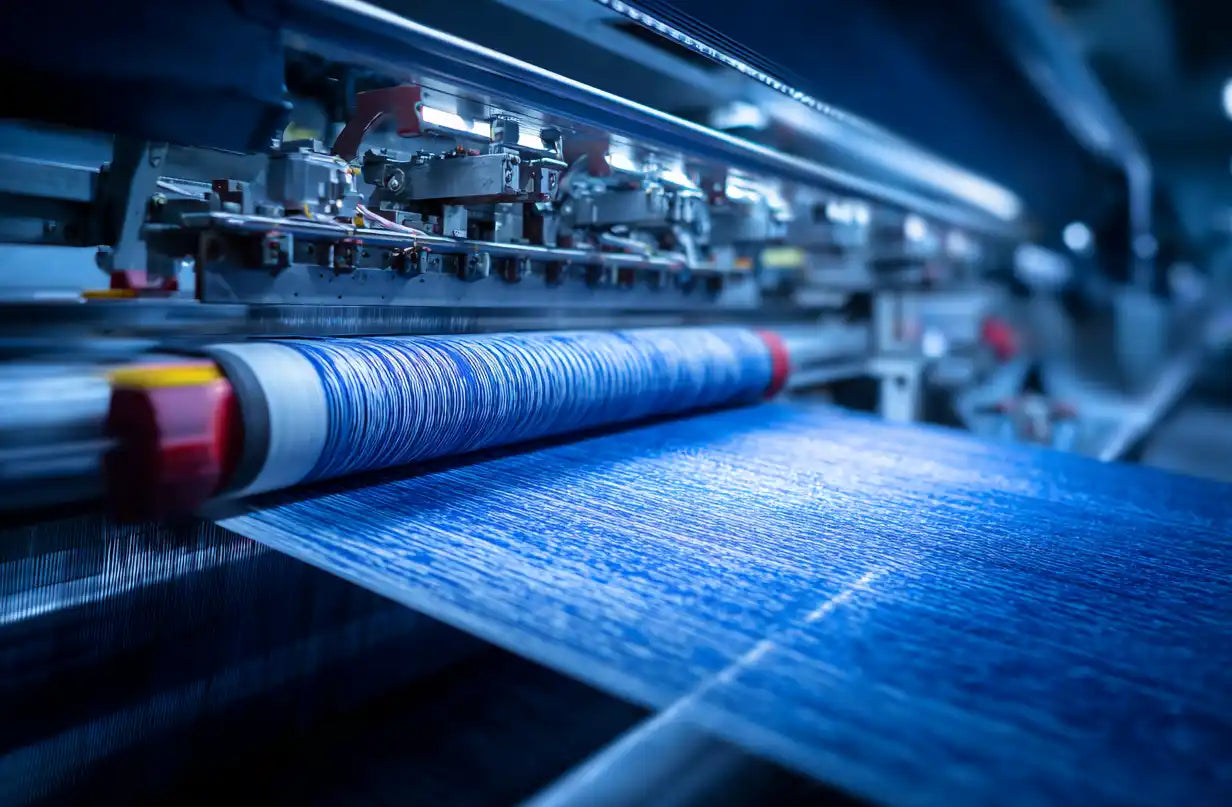
Dyeing Techniques in Clothing Manufacturing
Garment dye, pigment, acid wash, and stone wash finishes that create unique apparel designs.
Compare Apparel Finishing Techniques
Popular Clothing Items for Custom Apparel
Hoodies, joggers, t-shirts, leggings, and biker shorts — essentials for every apparel collection.
Explore Popular Custom Clothing Items
Trends & Designs in Modern Apparel
Oversized fits, streetwear influences, and activewear styles driving custom clothing production.
Explore Trends & Designs for Apparel Development
Sustainable & Ethical Clothing Production
OEKO-TEX® certified fabrics, organic cotton, and ethical apparel manufacturing in Portugal.
Understand Sustainable & Ethical Clothing Production
Essentials for Custom Clothing Production
Custom labels, packaging, and trims that elevate your apparel brand in production.
Explore Essentials for Custom Clothing Production
Resources for Custom Clothing Production
Startup guides, logistics support, and scaling strategies for apparel brands and wholesale clients.
Explore Resources for Custom Clothing Production
Clothing Manufacturing Glossary
Explore a complete glossary of clothing and garment manufacturing terms
The Complete Clothing Manufacturing Glossary
The Best Clothing Manufacturers
Explore global clothing manufacturers by country
Explore The Best Clothing Manufacturers
The Latest Clothing Industry Updates in 2025
Discover the latest news about important topics in the clothing industry in 2025,
Stay On Top Of Clothing Industry Updates
Worldwide Best Manufacturers of Clothes in 2026
Top clothing manufacturers worldwide organized by product type
Find The Worldwide Best Manufacturers of Clothes