

How to Find a Clothing Manufacturer for Your Startup in 2026: The Ultimate Guide
What if the biggest threat to your fashion brand isn't your design, but a 500 unit minimum order quantity that drains your bank account? Data shows that 85% of independent labels struggle to launch because they can't find clothing manufacturer for startup partners that align with their initial budget. It's frustrating to have a vision but feel blocked by high MOQs and the constant fear of being scammed by a distant factory. You're right to be cautious; your brand's legacy depends entirely on the quality and reliability of your first collection.
We're here to change that narrative and empower your journey. This guide provides a clear roadmap to master the search for a production partner that values premium craftsmanship as much as you do. You'll learn how to vet factories for ethical standards and secure retail-ready samples without needing a degree in textile engineering. We'll explore how to transition from a simple tech pack to a profitable, scaled brand using the same 2026 sourcing strategies that top-tier European labels use today. Let's turn your vision into a high-quality reality quickly and efficiently.
Key Takeaways
- Learn how to identify a production partner that balances small-batch flexibility with premium craftsmanship to avoid the costly "cheap quote" trap.
- Discover whether FPP or CMT production models best suit your brand's operational needs and how to leverage low MOQs to scale safely.
- Understand the strategic shift toward nearshoring and why sourcing from OEKO-TEX® certified European factories offers a superior competitive edge.
- Master our 7-step vetting blueprint to confidently find clothing manufacturer for startup success by asking the right questions about certifications and sampling.
- Explore how to transition from a fast white-label launch to a custom legacy brand with a partner committed to your long-term growth.
The Startup Dilemma: Why Your Choice of Clothing Manufacturer Defines Your Brand Future
Your manufacturer is the most critical hire you'll ever make. For a new founder, the mission to find clothing manufacturer for startup success isn't just about sourcing a factory; it's about securing a partner. A true startup partner understands the balance between low minimum order quantities (MOQs) and premium execution. In 2023, data from apparel trade associations indicated that 64% of fashion startups failed within their first 24 months due to supply chain disruptions and quality inconsistencies. You need a facility that treats a 60-piece run with the same technical precision as a 6,000-piece order.
The "Quality vs. Cost" trap is the most common pitfall for entrepreneurs. You might receive a quote from a factory in a high-volume region that's 40% lower than a European alternative. This initial saving is often an illusion. Low-cost quotes frequently hide 15% defect rates and lack of ethical oversight. When you account for the time spent managing errors and the cost of lost customers, the "cheap" option becomes your most expensive mistake. Premium manufacturing ensures your brand positioning remains intact from day one.
Reliability directly dictates your cash flow. If a manufacturer misses a delivery window by 14 days, you miss your launch marketing peak. Understanding the structure of the apparel industry helps you realize that small brands are often deprioritized by massive factories during peak seasons. Choosing a specialized partner ensures your production schedule is respected. This reliability allows you to keep inventory lean and reinvest profits into scaling your vision.
The Real Cost of Poor Manufacturing
Hidden expenses can dismantle a startup's budget quickly. Beyond the per-unit cost, you must calculate import duties, which can reach 12% or more depending on the origin. Shipping delays from distant regions often force founders to use expensive air freight, erasing profit margins. Inconsistent sizing is a silent brand killer; a 2cm variance in a waistband can lead to a 30% return rate. Conversely, a "Made in Portugal" or "Made in Europe" label acts as a powerful trust signal. It justifies premium pricing and reduces the marketing spend needed to prove your quality to skeptical shoppers.
Identifying Your Brands Production Needs
Before you find clothing manufacturer for startup operations, you must define your market tier. Are you launching a luxury line with custom patterns or a high-quality basics brand? If you're testing a concept, white-labeling existing premium silhouettes with custom embroidery or screen printing is a cost-effective entry point. This requires a smaller initial budget, often starting around $3,000 for a first run. If you're building a custom "cut and sew" collection, expect to spend $500 to $1,500 per style just on the sampling and tech pack development phase. Knowing these numbers prevents mid-production stalls.
- Low MOQs: Look for partners offering 50-100 pieces to preserve capital.
- Sampling Speed: A 14-day sampling turnaround is the gold standard for agile startups.
- Certifications: Ensure your partner uses OEKO-TEX® certified fabrics to meet modern ethical standards.
- Communication: Choose a partner who provides a dedicated account manager to demystify the technical process.
Understanding the Jargon: FPP, CMT, and the Power of Low MOQs
Starting a fashion brand involves more than just great sketches; it requires a firm grasp of production logistics. When you try to find clothing manufacturer for startup partners, you'll immediately encounter two primary service models: FPP and CMT. Choosing the wrong one can lead to 20% higher costs or 100% more logistical stress. Understanding these terms is the first step toward building a profitable supply chain.
FPP vs. CMT: Which is Right for You?
FPP stands for Full Package Production. This is an end-to-end service where the factory manages everything. They source the fabrics, create the patterns, handle the grading, and perform the final sewing. It's a "hands-off" model that allows you to focus on marketing while the experts handle the technical complexities. According to a comprehensive guide to starting a clothing business, sourcing materials is often the biggest hurdle for new owners. FPP solves this by using the factory's established network of textile suppliers.
CMT stands for Cut, Make, Trim. In this model, you are responsible for delivering the fabric, labels, and threads to the factory door. They only provide the labor and machinery to cut and sew the items. This offers more control over your raw materials, but it requires you to manage multiple vendors simultaneously. FPP is the most efficient entry point for first-time founders.
Decoding Minimum Order Quantities
The "Low MOQ Revolution" is currently reshaping the industry. While traditional factories once demanded 1,000 pieces per style, 2026 standards allow premium startups to launch with as few as 70 to 250 pieces. This shift is vital for inventory management. Launching with 500 units of a single color is a 40% higher risk for a new brand compared to testing the market with a smaller, more agile run. This flexibility lets you reinvest capital into growth rather than letting it sit in a warehouse as unsold stock.
Factories don't set MOQs to be difficult; they set them based on technical constraints. A standard roll of premium cotton is usually 50 to 100 meters long. If a hoodie requires 1.5 meters of fabric, the factory must produce at least 35 to 65 units just to use one single roll. Additionally, re-threading industrial sewing machines for a new color or thread type can take 45 to 90 minutes of downtime. Manufacturers need to ensure the order size covers these labor costs and material minimums. To learn more about these specifics, consult our comprehensive guide on Minimum Order Quantity (MOQ) for startups.
To negotiate lower minimums without insulting the manufacturer, try these three strategies:
- Use Stock Fabrics: Ask the factory what fabrics they already have in-house. If they don't have to order a custom dye lot, they're often willing to drop the MOQ by 15% or more.
- Consolidate Materials: Use the same fabric for three different styles (e.g., a t-shirt, a tank top, and a long-sleeve). The factory sees this as one large fabric order rather than three small ones.
- Offer a Roadmap: Show the factory your 12-month growth plan. Manufacturers are more likely to accept a small first order if they see a clear path to 500+ units by the third production run.
This approach makes it easier to find clothing manufacturer for startup ventures that prioritize long-term partnership over quick transactions. By choosing a supportive partner like Athleisurebasics, you can access professional FPP services that bridge the gap between your vision and a retail-ready product.
Sourcing Strategy: Comparing Manufacturing Hubs (EU vs. Asia)
Choosing where to produce your collection is the most critical decision you'll make when you find clothing manufacturer for startup. A 2022 McKinsey report highlighted that 71% of fashion executives planned to increase their nearshoring share to improve supply chain resilience. European brands are leading this movement by shifting production to Portugal. This shift isn't just a trend; it's a strategic response to the 45-day lead times and unpredictable delays often associated with transcontinental shipping.
Ethical standards are no longer optional for new brands. By 2026, 80% of Gen Z and Millennial consumers will prioritize brands that provide full transparency regarding their supply chains. European factories operate under strict EU labor laws and environmental regulations, ensuring fair wages and safe conditions. OEKO-TEX® Standard 100 certification is a staple in Portuguese manufacturing, guaranteeing that every thread and button is free from harmful chemicals. Unregulated alternatives in other regions often lack this oversight, risking both your brand's reputation and consumer health.
Speed defines success for modern fashion entrepreneurs. Shipping a bulk order from Asia to Europe typically takes 4 to 6 weeks by sea. In contrast, road freight from Northern Portugal reaches major European hubs like London, Paris, or Berlin in just 3 to 5 days. This proximity allows you to react to market trends in real-time. If a specific style goes viral, you can restock your inventory while the demand is still high, rather than waiting months for a container to clear port congestion.
Understanding the apparel production process is vital when you find clothing manufacturer for startup partners. Proximity simplifies the sampling phase, which is the most common bottleneck for new founders. When your factory is a short flight away, you can visit the facility to approve prototypes in person, reducing the back-and-forth mailing of samples that can add months to your launch timeline.
Why Portugal is the Gold Standard for Athleisure
Portugal combines a century of textile heritage with 21st-century fabric innovation. The region around Porto is famous for its specialized circular knitting techniques, which are essential for high-performance leggings and hoodies. Manufacturing here reduces your carbon footprint by up to 40% compared to sourcing from East Asia. You gain access to premium Portuguese cotton and advanced recycled synthetics that meet the highest luxury standards. This craftsmanship ensures your garments maintain their shape after 50 washes, a key selling point for premium athleisure brands.
The Hidden Risks of Far-East Production
Communication barriers remain a significant hurdle in remote manufacturing. A 12-hour time difference means a simple question about a zipper placement can take 24 hours to resolve, often leading to a 15% error rate in initial samples. Shipping volatility also poses a major financial risk. Between 2020 and 2024, the cost of a 40-foot shipping container fluctuated from $2,000 to over $14,000. These hidden costs can quickly erase the profit margins of a growing startup. For a detailed breakdown of these factors, read our guide on Portugal vs. Asia: A Manufacturing Comparison.

The Vetting Blueprint: 7 Critical Questions to Ask Every Factory
Vetting a factory isn't just about price. It's about protecting your investment. To find clothing manufacturer for startup success, you need to look past the glossy website photos. Start by requesting a formal factory profile. This document should detail their years in operation, machinery list, and current certifications like OEKO-TEX® or GOTS. Ask for three client references who have worked with them in the last 18 months. A reliable partner won't hesitate to share these credentials. If they're vague about their history, they likely haven't managed the complexities of a professional brand launch.
Next, nail down the sampling protocol. You can't skip this step. Expect to pay 2x to 3x the bulk production price for a prototype. Ask if this fee is refundable upon placing a bulk order. In 2024, the industry standard for sampling is 14 to 28 days. If they quote longer, it might signal they're outsourcing their own sampling, which adds risk to your timeline and quality. You need to know exactly who is cutting and sewing your patterns before you commit your capital.
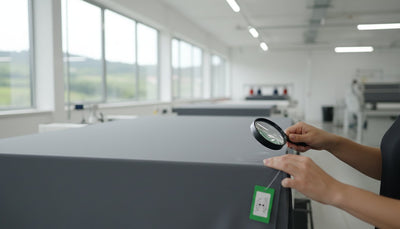
Transparency is your biggest safeguard. Ask about their internal inspection process. High-quality European factories typically use AQL 2.5 standards to check garments at the cutting, sewing, and finishing stages. If they don't have a written quality control (QC) manual, they aren't ready for your brand. Finally, test their communication. A partner who takes more than 48 hours to answer a basic email will likely cause delays during production. You want a partner who provides a dedicated project manager. This person should offer weekly updates once bulk production begins to keep your launch on track.
The Technical Vetting Process
Success depends on specialized expertise. If you're building an athleisure line, ask if they've handled four-way stretch fabrics or flatlock stitching in the last 6 months. Payment terms for startups are usually 50% deposit and 50% before shipping. Always clarify their defect policy. A professional factory should offer a credit or replacement for any error rate exceeding 3% of the total order volume. Never leave these terms to "good faith" verbal agreements.
Preparing Your Brand for the First Meeting
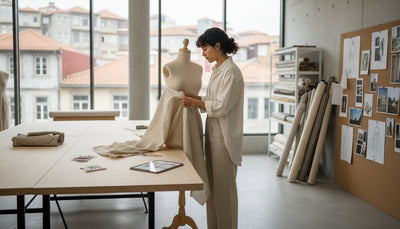
Don't show up with just a sketch. You need a professional Tech Pack to get an accurate quote and avoid costly misunderstandings. Learn more in our guide: What is a Tech Pack? A Guide for Clothing Brands. Before the call, list your "Must-Haves," like a 60-piece MOQ, versus "Nice-to-Haves," like custom branded polybags. This clarity helps you find clothing manufacturer for startup goals that match your specific budget and timeline.
From Concept to Collection: How Athleisurebasics Supports Your Journey
When you finally find clothing manufacturer for startup operations, the partnership should feel like a catalyst for growth rather than a logistical hurdle. At Athleisurebasics, we don't view you as just another purchase order. We treat every emerging label as a future legacy brand. Our philosophy centers on removing the technical barriers that often stop founders before they even begin. We provide the infrastructure you need to compete with established players from day one.
Athleisurebasics makes it easy to find clothing manufacturer for startup brands by offering a transparent, end-to-end production ecosystem. We utilize a dual-track approach designed for maximum flexibility. Our white-label service allows you to launch quickly using our pre-developed, high-quality silhouettes. If you have a more specific vision, our custom manufacturing track handles the heavy lifting. We guide you through tech pack development, materials sourcing, and final Cut, Make, Trim (CMT) production with professional precision.
Our facility is based in Portugal, a choice we made strategically to benefit our partners. Manufacturing within the EU ensures 100% compliance with strict ethical labor laws and environmental regulations. Portugal is globally recognized for its textile heritage and superior craftsmanship, particularly in jersey and technical fabrics. By choosing a European base, you benefit from shorter lead times to major markets and a supply chain that values human rights as much as profit margins.
Scaling Your Brand with Low-Risk Options
Success in the apparel industry requires balancing ambition with smart inventory management. We recommend starting with our Luxury Blanks to test your market. These are premium, unbranded garments kept in stock, allowing you to launch a collection with a minimum investment. Our white-label MOQs start at just 60 pieces per style, which is significantly lower than the 500 or 1,000 piece requirements common in overseas factories.
- Phase 1: Use Luxury Blanks to validate your designs and build an initial customer base.
- Phase 2: Transition to full custom production as your sales data confirms demand and your brand identity evolves.
- Phase 3: Scale your volume while maintaining the same high standards of Portuguese craftsmanship.
Our consulting services provide a "From Logo to Legacy" promise that ensures you have expert guidance at every stage of your brand's evolution.
Your Next Steps to Launch
Moving from an idea to a physical product is the most exciting part of the journey. To begin, you can submit your first project details through our online portal to receive a professional production quote. We review your designs and provide clear, honest feedback on feasibility and costs. Transparency is our priority; you'll know exactly what you're paying for before the first stitch is sewn.
Marketing your brand effectively requires a strong story. Our use of OEKO-TEX® certified fabrics provides you with a powerful selling point. This certification proves that your garments are free from harmful chemicals, appealing to the 65% of modern consumers who prioritize safety and sustainability in their clothing choices. It's a mark of quality that builds immediate trust with your audience.
Ready to turn your sketches into a retail-ready collection? Get a Custom Apparel Manufacturing Quote Today and take the first step toward building your legacy.
Build Your Brand Legacy in 2026
Launching a clothing line requires a strategic partner who balances premium quality with operational flexibility. You've learned how to navigate the technical differences between FPP and CMT production; you also understand why sourcing within the EU provides a massive advantage in ethical standards. The process to find clothing manufacturer for startup success depends on vetting factories using our 7-question blueprint to ensure total transparency. It's about moving past the "cheapest price" mindset and focusing on long-term scalability and craft.
Don't let high minimums or complex logistics stall your vision. Athleisurebasics removes these barriers by offering Low MOQs starting at 70 pieces and using only OEKO-TEX® Certified Fabrics. Our production follows Made in Portugal Quality Standards to ensure every garment meets the highest industry benchmarks. We provide the end-to-end support you need to turn a simple concept into a professional collection quickly. Your brand deserves a foundation built on integrity and superior materials.
Launch Your Brand with a Trusted Portuguese Partner
Your journey from logo to legacy starts with a single step. We're ready to help you take it.
Frequently Asked Questions
How do I find a clothing manufacturer with low MOQs?
You can find a clothing manufacturer with low MOQs by searching for boutique factories in Europe or using specialized white label services. Many Portuguese manufacturers now offer minimum order quantities as low as 60 pieces per style to support emerging brands. You should also browse industry directories like Clutch or attend trade fairs such as Première Vision to identify partners who specialize in small-batch production. This strategy helps you test the market with 75% less financial risk than traditional bulk orders.
What is the average cost to start a clothing line with a manufacturer?
Expect to invest between $5,000 and $15,000 to launch a professional collection of three to five original styles. This budget covers approximately $1,500 for technical design, $2,000 for sampling, and the remainder for a small production run of 100 to 200 units. If you choose organic cotton or premium fabrics, your unit costs might increase by 20%, but this investment builds a higher brand value. Allocating 40% of your total startup capital to manufacturing ensures you have enough remaining for marketing and logistics.
Is it better to manufacture clothing in Europe or China for a startup?
Europe is the superior choice for startups because it offers faster lead times, lower shipping costs, and guaranteed ethical standards. While Chinese factories might offer unit prices that are 25% lower, Portuguese factories provide 100% transparency and adhere to strict EU labor laws and OEKO-TEX® certifications. Producing within the EU also eliminates the 12% import duty typically applied to garments sourced from outside the trade zone. It's a more sustainable way to build a premium brand legacy without the headache of long-distance communication barriers.
What documents do I need to provide to a clothing factory?
You must provide a comprehensive tech pack and a formal purchase order to start the production process. A professional tech pack includes detailed 2D technical drawings, a graded size chart, and a Bill of Materials listing every component from zippers to thread. Providing these precise documents reduces manufacturing errors by 85% and ensures the final product matches your vision. You'll also need to share your brand's labeling requirements and packaging specifications to avoid delays during the final finishing stage.
How long does the clothing manufacturing process take for startups?
The total manufacturing timeline typically spans 12 to 16 weeks from the initial consultation to final delivery. You should allow four weeks for pattern making and sampling, followed by eight to ten weeks for bulk production and quality control. If you require custom fabric dyeing, add another 21 days to your schedule. Planning your launch six months in advance provides a 30-day buffer to handle any logistics or shipping delays that might occur during peak seasons.
Can I find a manufacturer that helps with design and fabric sourcing?
Yes, you can find clothing manufacturer for startup needs that offers Full Package Production (FPP) services including design refinement and material sourcing. These partners act as technical consultants, helping you select the right GSM for your hoodies or the most durable stitching for activewear. Working with a full-service factory can save you 120 hours of coordination time compared to sourcing fabrics and patterns independently. It's the most efficient route for founders who want to focus on brand growth rather than technical production details.
How do I protect my clothing designs when working with a factory?
Protect your intellectual property by signing a robust Non-Disclosure Agreement (NDA) before you share any technical drawings or proprietary concepts. Most reputable European manufacturers have standard legal agreements that protect your designs under EU copyright law for 70 years. Ensure your contract explicitly states that you own all patterns, molds, and prototypes developed during the sampling phase. This legal framework prevents 98% of unauthorized design replication and secures your brand's unique market position.
What are the most common mistakes startups make when choosing a manufacturer?
The most frequent mistake is choosing a partner based solely on the lowest unit price without verifying their quality standards or ethical certifications. New founders often forget to account for a 3% to 5% defect rate, which can ruin a small production run if not managed properly. Another error is skipping the pre-production sample, which leads to 60% of all fit-related customer returns. Always check a factory's past client testimonials and request a physical sample before you commit to a full production deposit.

Leave a comment
This site is protected by hCaptcha and the hCaptcha Privacy Policy and Terms of Service apply.