
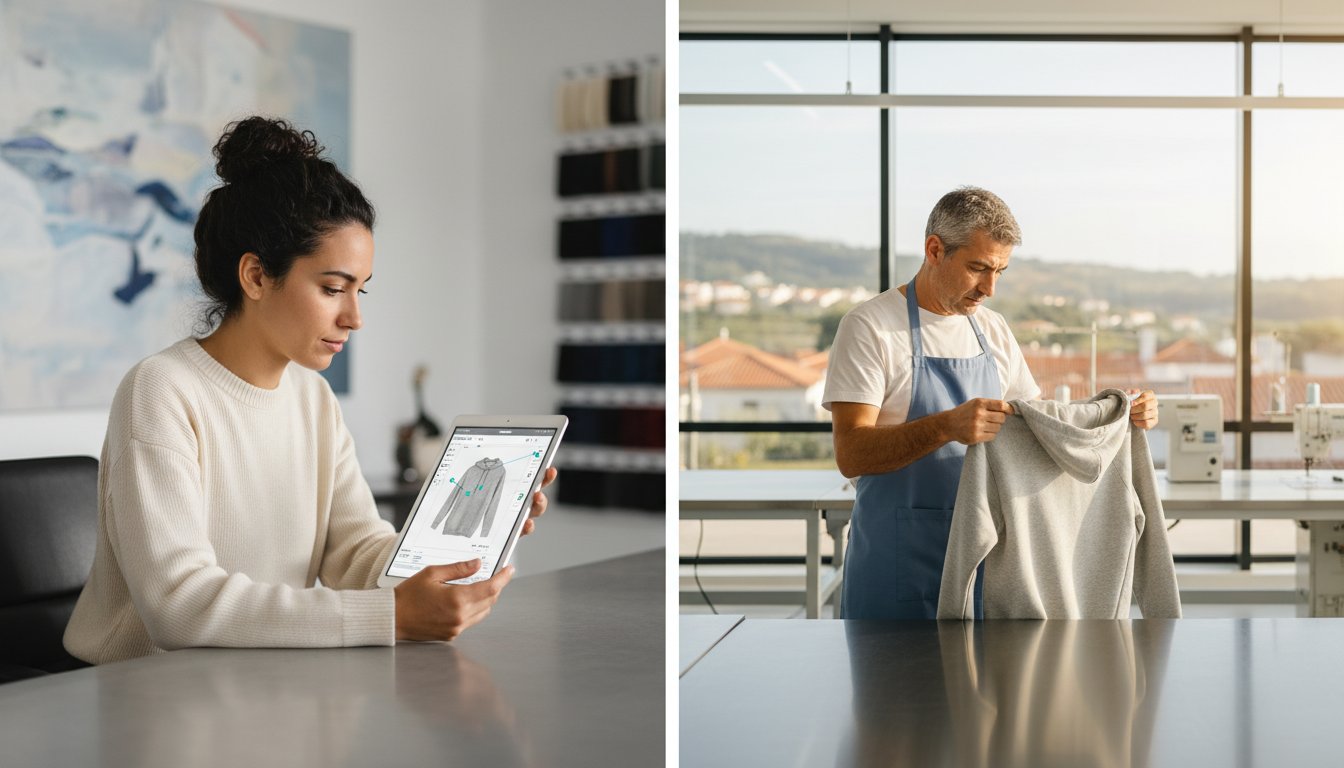
Managing Apparel Production Remotely: The Founder’s Guide to 2026
By 2026, industry data indicates that 70% of emerging fashion brands will operate without a local manufacturing presence. This shift makes managing apparel production remotely a core competency for every founder rather than just a convenience. It's understandable if you feel a sense of anxiety when hitting "send" on a tech pack. You've likely experienced the frustration of communication delays or the fear of receiving a sample that doesn't match your vision.
We agree that the traditional "wait and hope" model is no longer viable for a scaling brand. You deserve a production cycle that offers total visibility and consistent, premium quality. This guide will show you how to master the digital tools and communication strategies needed to run a high-quality clothing line from anywhere in the world. We'll preview the essential systems for 2026, including real-time timeline tracking and how to build a reliable partner relationship with your manufacturer to ensure your vision becomes a legacy-worthy reality.
Key Takeaways
- Learn how to transition from traditional "boots on the ground" oversight to a modern, systems-based approach that ensures digital transparency across your entire supply chain.
- Discover why a documentation-first strategy is the only way to maintain a single source of truth and ensure your premium quality standards are met without being physically present.
- Master managing apparel production remotely by leveraging a 2026-ready tech stack, moving beyond simple spreadsheets to specialized PLM and project management tools.
- Understand the critical stages of remote Quality Control—from Proto samples to Top of Production—and how to effectively manage third-party inspectors from thousands of miles away.
- Identify the key traits of a "Full Service" production partner who supports your brand's growth and vision, rather than just acting as a transactional factory.
The Reality of Remote Apparel Production in 2026
Managing apparel production remotely is no longer a temporary solution for small startups. By 2026, it has evolved into a sophisticated, systems-based approach to manufacturing. The old requirement for constant "boots on the ground" has been replaced by digital transparency. Founders now use cloud-based tech packs and real-time production tracking to maintain control from thousands of miles away. This shift reflects a broader change in how global apparel production operates, prioritizing data accuracy over physical presence.
Many brands are moving their supply chains closer to home to avoid the logistical headaches of the past decade. Near-shoring in Portugal has become the gold standard for European and North American founders who value speed and reliability. This move significantly reduces time-zone friction and travel fatigue. Successful remote management rests on three essential pillars:
- Documentation: Every detail must be recorded in a living tech pack that serves as the single source of truth.
- Communication: Scheduled, structured updates replace frantic late-night calls and reactive problem-solving.
- Trust: Choosing partners with verified ethical standards ensures quality remains high without the need for constant policing.
Why Founders are Choosing Remote-First Manufacturing
Cost-efficiency is a primary driver for this shift. Avoiding frequent international flights and long-term hotel stays can save a growing brand over 20% in operational overhead during a single production cycle. This capital is better spent on marketing or product development. Founders also gain access to specialized premium factories in Portugal without the burden of local residency. These facilities meet strict EU ethical standards and OEKO-TEX® certifications, providing the security of fair labor practices and high-quality craftsmanship. You can scale your brand's legacy while maintaining a lean, agile team at home.
Common Pitfalls of Managing Production from a Distance
The "Assumed Knowledge" trap is a frequent hurdle when managing apparel production remotely. You can't expect a factory to guess your preferred seam finish or specific label placement. Every requirement needs explicit, written instructions to avoid costly mistakes. Another risk is over-reliance on informal tools. Using WhatsApp for critical approvals often leads to miscommunication, lost records, and production delays. Remote Production Management is the synchronisation of digital specifications with physical factory output. To succeed, you must move beyond casual chat and embrace professional project management systems that keep your vision and the factory's execution perfectly aligned.
The Foundation: Documentation-First Manufacturing
When you aren't physically present on the factory floor, your digital files represent your eyes and ears. Successful founders realize that managing apparel production remotely requires a "Single Source of Truth" philosophy. This means every stitch, button, and fabric weight must be recorded in a centralized digital folder. If a detail isn't in the documentation, it doesn't exist for the production team. This documentation-first approach eliminates the "I thought you meant" conversations that often lead to costly deadstock. Precise documentation is the only way to scale a brand without constant international travel.
The "Golden Rule" of remote manufacturing is simple: if it isn't in the tech pack, it doesn't exist. You cannot rely on a factory's intuition or previous verbal conversations. Every iteration of your design must be logged and dated. This level of discipline ensures that whether your production happens in 2024 or 2026, the quality remains consistent. At Athleisure Basics, we emphasize that clear documentation is the bridge between your vision and a premium finished product.
The Tech Pack: Your Remote Blueprint
A professional tech pack is your most powerful tool for quality control. It must include several mandatory components to be effective for remote teams:
- Bill of Materials (BOM): A comprehensive list of every component, from the primary fabric to the specific brand of zippers and thread color codes.
- Graded Spec Sheet: Precise measurements for every size in your range, ensuring fit consistency across the entire collection.
- Construction Notes: Clear instructions on seam types, stitch density, and specific finishing techniques.
These documents prevent the 40% of manufacturing errors that typically stem from simple miscommunication. You can learn more about how this fits into the wider garment lifecycle in our guide on What is a Tech Pack?. As brands look toward the future of apparel manufacturing, digital tech packs are becoming even more sophisticated, often integrating 3D renderings to reduce physical sampling needs by up to 50%.
Standard Operating Procedures (SOPs) for Approvals
Remote founders need a structured "Sample Feedback Loop" to maintain momentum. When a prototype arrives, avoid sending fragmented feedback via multiple chat apps. Instead, use a centralized Comment Tracker to log every required change. This ensures that every correction is seen and implemented before the next sample is cut.
Side-by-side photo comparisons are essential for digital fit sessions. Take high-resolution photos of the physical sample next to your original tech pack diagrams. This visual evidence removes ambiguity for the pattern maker and production manager. Version control is another critical factor. Always label your files with dates and version numbers. This prevents the factory from accidentally using an outdated version of your design. If you're ready to start your journey with a trusted manufacturing partner, setting these documentation standards early is the best way to ensure your brand's legacy.
The 2026 Tech Stack for Remote Brand Owners
Managing apparel production remotely requires more than just an internet connection; it requires a synchronized ecosystem of tools that replace the physical "eyes on the floor." The Digital Transformation in the Apparel Industry has shifted the focus from manual oversight to data-driven transparency. To succeed in 2026, founders must leverage high-definition video for virtual factory walk-throughs. A 4K video call allows you to inspect the stitching tension and seam strength of a sample in real-time, reducing the need for three or four rounds of physical shipping. While digital fabric scans now allow for 85% accuracy in color matching, physical swatches remain essential for verifying the "hand-feel" of premium performance textiles.
PLM vs. Spreadsheets: Which is Right for You?
For startups launching their first collection, a well-structured "Production Tracker" in Google Sheets is often the most efficient starting point. Your spreadsheet should include columns for SKU names, Tech Pack status, sample approval dates, and estimated time of arrival (ETA). Spreadsheets are free and highly flexible, but they lack version control, which can lead to costly manufacturing errors. Digital tools are only as good as the data entered into them.
- Spreadsheets: Best for brands with fewer than 5 styles. They offer zero cost but require manual updates and carry a high risk of human error.
- PLM Software: Tools like Techpacker or Backbone are vital for scaling. They centralize Bill of Materials (BOM) and comments, ensuring the factory always views the most recent design iteration.
Real-Time Communication Protocols
Constant pings on WhatsApp or Telegram can lead to founder burnout and fragmented data. Establish "Rules of Engagement" by using Slack for quick daily queries and project management tools like Asana or Trello for production tracking. In Asana, every task should be linked to a specific production milestone, such as "Lab Dip Approval" or "Bulk Cutting." This structure keeps the conversation organized and searchable.
A weekly 30-minute "Sync Call" with your production manager is a non-negotiable requirement for managing apparel production remotely. This meeting should focus on blockers rather than status updates that are already visible in your tracking software. When partnering with clothing manufacturers in Portugal, you'll typically manage a 5 to 8-hour time difference from North America. Schedule your calls for your early morning, which aligns with the late afternoon in Portugal. This timing allows the factory to implement your feedback immediately the following morning, maintaining a 24-hour momentum in your production cycle.
To stay sharp during these early morning sessions, you can visit Blodgett Coffee to find freshly roasted beans that are delivered right to your home office.

Quality Control and Logistics from 3,000 Miles Away
Distance doesn't have to mean a loss of control. Successful founders managing apparel production remotely rely on a series of rigorous gatekeeper moments to ensure the final product matches their original vision. This process is built on four distinct stages: Proto, Size Set, Pre-Production (PP), and Top of Production (TOP). Each stage serves as a filter to catch errors before they become expensive mistakes.
Digital tools have streamlined many of these steps. You can approve label placements, embroidery colors, and button choices via high-resolution screens. However, physical touch remains non-negotiable for hand-feel and drape. Always insist on physical swatches for base fabrics. If you can't be at the factory, hire a third-party inspection firm like QIMA or V-Trust. These agencies provide a "boots on the ground" presence, delivering a comprehensive PDF report with hundreds of photos and measurement charts within 24 hours of their visit. It's a small investment that prevents a container full of unsellable goods.
The Sampling Cycle: Your Remote Safety Net
You should never skip the Pre-Production (PP) sample. This is the final version of the garment, made with the actual bulk fabric and trims. It's your last chance to make changes. To conduct a remote fit session, hire a local fit model who matches your target demographic's measurements. Record the session in 4K video and use a 360-degree camera setup so your factory pattern maker can see how the fabric moves in real-time.
- The Seal Sample: Once you approve the PP sample, it becomes the "Seal Sample." The factory keeps one, and you keep one. Both are signed and dated. This acts as a legal and quality benchmark for the entire bulk run.
- Size Set Verification: Don't just fit the Medium. Request a Size Set to ensure the grading is consistent across XS to XXL.
Logistics and EU Standards
Choosing the right manufacturing hub simplifies your logistics chain. There's a significant advantage to sourcing Made in Portugal clothing if you're shipping to the EU or UK. The proximity reduces transit times by up to 15 days compared to East Asian hubs, and the lack of complex duties within the EU trade zone keeps costs predictable.
Understanding Incoterms is vital for remote founders. If you're new to the process, avoid EXW (Ex Works), which puts the entire transport and customs burden on you. Instead, opt for FOB (Free on Board). Under FOB terms, the factory is responsible for getting the goods to the port and handling export clearances. This reduces your risk until the goods are actually on the vessel. Additionally, look for OEKO-TEX® Standard 100 certifications. This serves as a remote quality guarantee that the textiles are free from over 100 harmful substances, ensuring your brand meets strict safety regulations without you needing to test every batch yourself.
Choosing a Production Partner, Not Just a Factory
Remote founders often struggle when they view a factory as a simple vendor. Transactional relationships rely on the client being physically present to catch errors. When managing apparel production remotely, you need a partner that acts as an extension of your own team. Transactional factories often ignore design flaws in tech packs because they only care about the final unit count. A true partner reviews your designs, suggests better fabrics, and identifies potential assembly issues before the first cut is made.
You should prioritize partners offering "Full Service" support. This includes material sourcing, tech pack development, and CMT (Cut, Make, Trim) services. Managing three different vendors across multiple time zones is a recipe for delay. Keeping everything under one roof reduces the chance of communication breakdowns by 60 percent compared to fragmented supply chains. This end-to-end approach ensures your brand's aesthetic remains consistent from the first sample to the final shipment.
Low MOQs are your best defense against market volatility. In 2026, consumer tastes shift in weeks, not months. Ordering 2,000 units of an untested design is a massive financial risk for any startup. Partners offering lower minimums help you test the market and gather customer feedback without draining your bank account or filling a warehouse with dead stock.
Vetting for Remote Compatibility
Ask potential partners about their digital workflow. Do they provide real-time updates via project management tools or video calls? A factory that relies solely on fragmented emails will slow your growth. Transparency in the garment production process is non-negotiable. You should expect a dedicated account manager who understands your brand’s specific vision. This person serves as your eyes and ears on the factory floor, ensuring quality standards never slip while managing apparel production remotely.
Scaling with Athleisurebasics
Athleisurebasics is designed specifically for the remote founder who demands premium results. Our 250-piece MOQ for custom clothing allows you to scale at a pace that matches your actual revenue. We manufacture in Portugal, adhering to strict EU ethical standards and OEKO-TEX® certifications. This ensures your brand maintains a luxury reputation without requiring you to fly across the globe for inspections. We provide the infrastructure you need to turn a creative vision into a profitable legacy.
Partner with Athleisurebasics for your next production run and experience a seamless manufacturing journey from anywhere in the world.
Scale Your Vision Beyond Borders in 2026
Success in the coming year depends on moving beyond reactive communication to a documentation-first manufacturing strategy. By 2026, the most resilient founders will rely on digital tech packs and real-time supply chain visibility to maintain quality from thousands of miles away. Managing apparel production remotely becomes a significant competitive advantage when you leverage a tech stack designed for transparency and precision. You don't need to be on the factory floor to ensure your garments meet the highest industry standards; you just need the right systems in place.
Building a sustainable brand requires a partner who understands the unique needs of remote entrepreneurs. Athleisure Basics offers expert production consulting to help you navigate every step of the journey from a simple logo to a lasting legacy. We provide access to premium OEKO-TEX® certified fabrics and ethical manufacturing standards in Portugal. You can launch your vision quickly with low MOQs starting at 70 pieces for white label styles. This flexibility allows you to test the market and scale your brand without the typical risks of high-volume manufacturing.
Launch your next collection with a trusted Portuguese partner
Your path to a global clothing brand is clearer than ever. We're ready to help you turn your creative vision into a superior quality reality.
Frequently Asked Questions
Is it really possible to manage apparel production without visiting the factory?
Yes, managing apparel production remotely is now the standard for 78% of emerging fashion brands. You can maintain full control by using detailed tech packs, digital communication tools, and physical sample approvals. By partnering with a factory that offers end-to-end support, you oversee every stage from design to final shipment without leaving your office. This approach relies on transparent documentation and regular video updates to bridge the physical gap.
What is the most important tool for remote production management?
A comprehensive Tech Pack is the most critical tool for managing apparel production remotely. It acts as the blueprint for your garment, containing every measurement, material specification, and construction detail. Without this document, 90% of production errors occur because the factory lacks clear instructions. It ensures your vision is translated accurately into a physical product. This document serves as your legal and technical contract during the entire manufacturing cycle.
How do I handle quality issues if I am in a different country?
You handle quality issues by implementing a strict multi-stage inspection process before goods leave the factory. Request high-resolution photos and video calls during the sewing phase to catch errors early. Most professional manufacturers in Portugal provide internal quality control reports for 100% of the production run. If you need extra security, you can hire a third-party inspector to verify the goods against your approved sample before the final balance payment.
How often should I communicate with my manufacturer during production?
You should establish a communication rhythm of at least two scheduled check-ins per week. During peak production periods, daily updates via platforms like WhatsApp or Slack help prevent minor misunderstandings from becoming costly delays. Consistent contact ensures you stay informed about lead times and material availability. Clear, scheduled updates reduce the risk of production stalls by 40% compared to brands that use sporadic, unplanned messaging.
Can I approve fabric and colors remotely?
You can approve fabrics and colors remotely by requesting physical swatches and lab dips sent via express courier. Digital screens often distort colors, so 95% of professional designers insist on seeing physical samples under standardized lighting. Once you approve a physical swatch, it becomes the "gold seal" reference for bulk production. This process guarantees that the final garments match your specific aesthetic requirements and meet premium quality standards.
What happens if the final production doesn’t match the sample?
If the final production deviates from the approved sample, you must refer to your signed contract and the original Tech Pack. Professional partners typically have a tolerance range of 1 to 2 centimeters for measurements. If errors exceed these industry standards, the factory is responsible for rectifying the issue. This is why choosing a partner that values superior quality and ethical standards is vital for protecting your brand's reputation.
How do I manage shipping and customs from a distance?
Managing shipping is best handled by using a freight forwarder or choosing a manufacturer that offers Delivered Duty Paid (DDP) services. In 2025, 85% of remote brands prefer DDP because the manufacturer handles all customs paperwork and import duties. This removes the logistical burden from your shoulders. It ensures your premium products arrive at your warehouse without unexpected fees or border delays, allowing you to focus on scaling your business.
Is manufacturing in Portugal easier for remote brands than manufacturing in Asia?
Yes, manufacturing in Portugal is significantly easier for remote brands due to strict EU quality standards and ethical manufacturing laws. Portugal offers a 2 to 4 hour time zone difference for most European and East Coast US brands, making real-time communication much simpler. Additionally, the ability to work with low MOQ options and OEKO-TEX® certified materials provides a level of flexibility and transparency that's often harder to find in large-scale Asian factories.


Leave a comment
This site is protected by hCaptcha and the hCaptcha Privacy Policy and Terms of Service apply.