
Activewear Fabric Blends for Performance & Sustainability
Activewear fabric blends are the foundation of modern performance wear — engineered for stretch, moisture control, and durability. This guide helps apparel developers choose and source certified blends for sustainable, high-performing collections.
Why Fabric Blends Matter in Activewear
Activewear performance begins at fibre level. Engineered blends combine moisture control, four-way stretch, and compression while maintaining durability. In 2025, technical performance is inseparable from sustainability credentials, making blend selection a strategic design and sourcing decision.
Key Fibre Components and Their Roles
| Fibre | Function | Common Use |
|---|---|---|
| Polyester | Moisture-wicking, quick-drying | T-shirts, leggings, outer layers |
| Elastane (Spandex) | Elasticity, recovery | Leggings, compression panels |
| Nylon | Abrasion-resistant, smooth hand | Compression wear, swim crossover |
| Recycled Polyester (rPET) | Performance with reduced carbon footprint | Eco-performance ranges |
| Tencel™ / Modal | Soft, breathable, cellulosic | Lifestyle activewear |
Why Polyester + Elastane Is the Industry Standard
The polyester-elastane blend offers the ideal balance of moisture management, stretch, and shape retention. Polyester moves moisture away from skin, while 5–12 % elastane ensures comfort and flexibility for yoga, HIIT, and training garments.
- Moisture control: Wicks sweat for fast evaporation.
- Flexibility: Maintains stretch and recovery through wear.
- Ease of customization: Compatible with dye-sublimation and digital prints.
Advanced Fabric Engineering Techniques
| Technique | Benefit | Best Use |
|---|---|---|
| Warp-knit | Compression, opacity | Seamless leggings |
| Double-knit | Supportive, opaque | Yoga wear |
| Microfibre yarns | Soft handfeel, wicking | Performance tees |
| Textured yarns | Breathable, lightweight | Running apparel |
Blend Comparison Matrix
| Blend | Strength | Use | Sustainability |
|---|---|---|---|
| Polyester + Elastane | Versatile, durable | Leggings, tops | Available as rPET |
| Nylon + Elastane | High durability | Compression wear | Limited recycled versions |
| rPET + Spandex | Eco-performance | Yoga sets | Use GRS-certified fibre |
| Tencel + Spandex | Soft, breathable | Lifestyle wear | Biodegradable |
Certifications & Standards That Matter
- Global Recycled Standard (GRS) — verifies recycled content and traceability.
- bluesign® — certifies clean chemical and energy management.
Combine OEKO-TEX® Standard 100 for chemical safety with GRS or bluesign® for verified sustainability and supply-chain transparency.
Sourcing & Production Insights
- Sampling: Order lab dips early to confirm handfeel and colour fastness.
- Lead times: 6–8 weeks from sample approval to bulk fabric.
- MOQ: Certified European mills often offer low-MOQ programs ideal for capsule runs.
Explore related guides: How to Launch a Sportswear Brand in 2025 and The State of Athleisure in 2025.
Cost & Carbon Considerations
Life-cycle data shows recycled polyester can reduce carbon impact by up to 45 % versus virgin fibre, depending on process and region. Confirm supplier LCA reports for accurate metrics.
Activity-Based Blend Recommendations
- Yoga / Pilates: Double-knit polyester-elastane for opacity and comfort.
- Running: Microfibre polyester with ventilated panels.
- Strength / Cross-Training: Nylon-elastane for abrasion zones.
- Swim / Triathlon: Chlorine-resistant nylon blends.
Care & Durability Guidelines
- Wash cold, gentle cycle; avoid high heat.
- No softeners or bleach.
- Air-dry or low tumble dry.
- Turn inside-out to preserve finishes.
More From Athleisure Basics
FAQs — Certifications & Standards
Which certifications are most relevant for activewear?
OEKO-TEX® Standard 100 ensures safety for skin contact, while GRS verifies recycled content and bluesign® assesses chemical and energy use across production.
Why combine multiple certifications?
Pairing safety (OEKO-TEX®) with sustainability (GRS or bluesign®) builds traceability and buyer trust while meeting export compliance needs.
Do certifications expire?
Yes. Most textile certifications renew annually following updated audits and material testing to remain valid.
FAQs — Sourcing & Production
What are realistic lead times for new developments?
Expect 6–8 weeks after sample approval; certification audits or new yarn developments may extend timelines slightly.
Can smaller brands access certified fabrics?
Yes. Many mills now run certified stocklot programs allowing MOQ as low as 50–100 m per colour.
Where are most performance fabrics produced?
Key hubs include Portugal, Taiwan, and South Korea — each offering strong compliance and technical knitting capabilities.
FAQs — Materials & Care
Will elastane blends lose stretch over time?
High-grade elastane retains recovery for 100 + wash cycles if laundered cold and dried without heat. Proper care labels protect product life and reduce returns.
How to communicate sustainability claims safely?
Use precise language such as “Contains GRS-certified recycled polyester” and keep certificate IDs on file for buyers or regulators.
How does fabric care affect sustainability?
Extending garment life through correct washing and drying has one of the highest impacts on lowering a product’s lifetime footprint.
Conclusion & Next Steps
Activewear fabric blends unite textile innovation with responsible sourcing. Selecting certified, well-engineered blends supports both performance and sustainability targets. For development or sampling, contact our sourcing team to explore certified materials.
If your brand plans to develop new collections using certified performance fabrics, reach out through our request form to discuss swatches, timelines, and certification options.
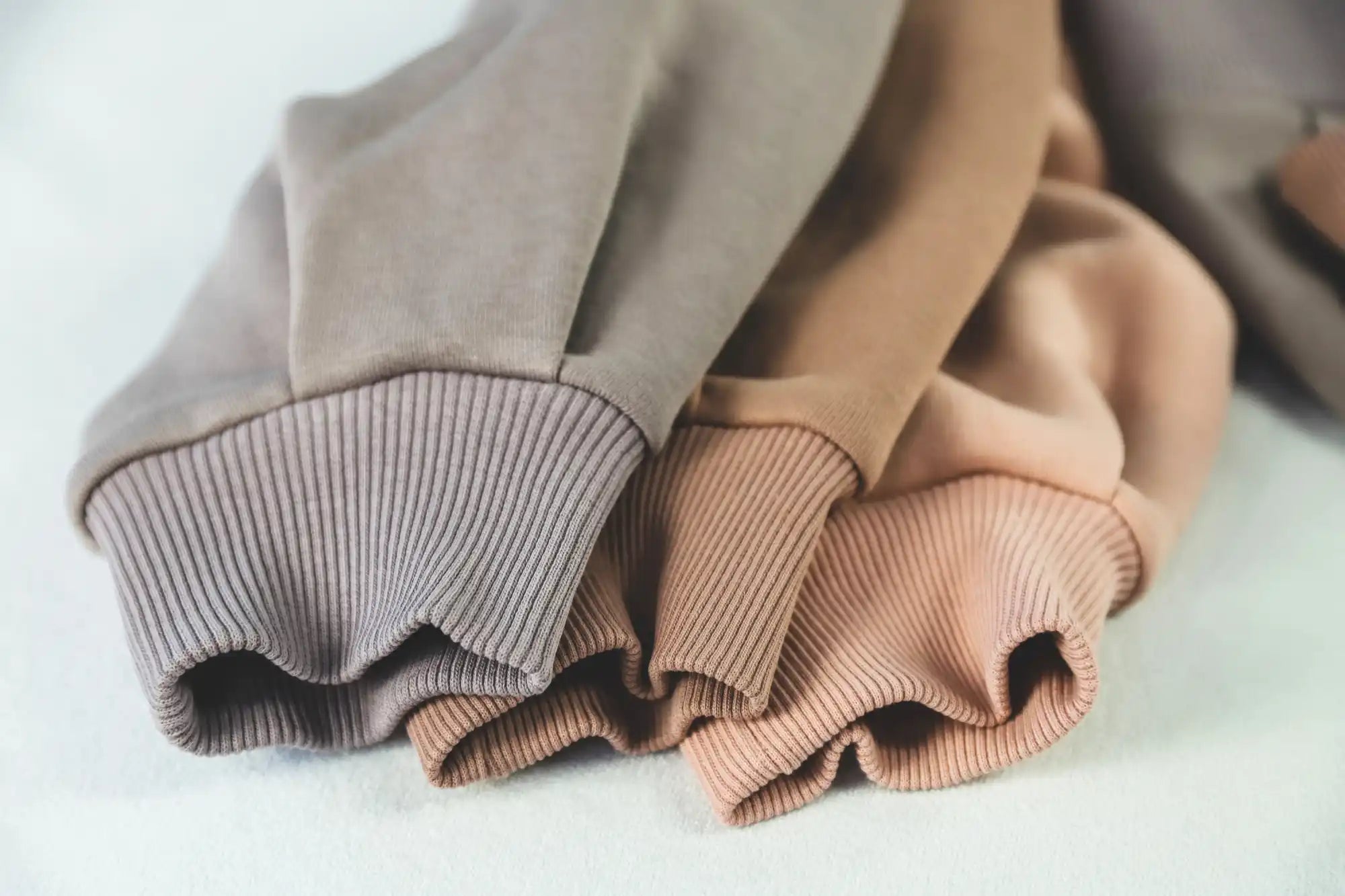
Materials & Fabrics for Clothing Production
Explore cotton, French terry, jersey, fleece, and sustainable blends used in premium apparel manufacturing.
Explore Premium Apparel Fabrics Guide
Printing Techniques for Apparel Production
Screen printing, embroidery, puff prints, and digital methods for custom clothing manufacturing.
Explore Custom Apparel Printing Techniques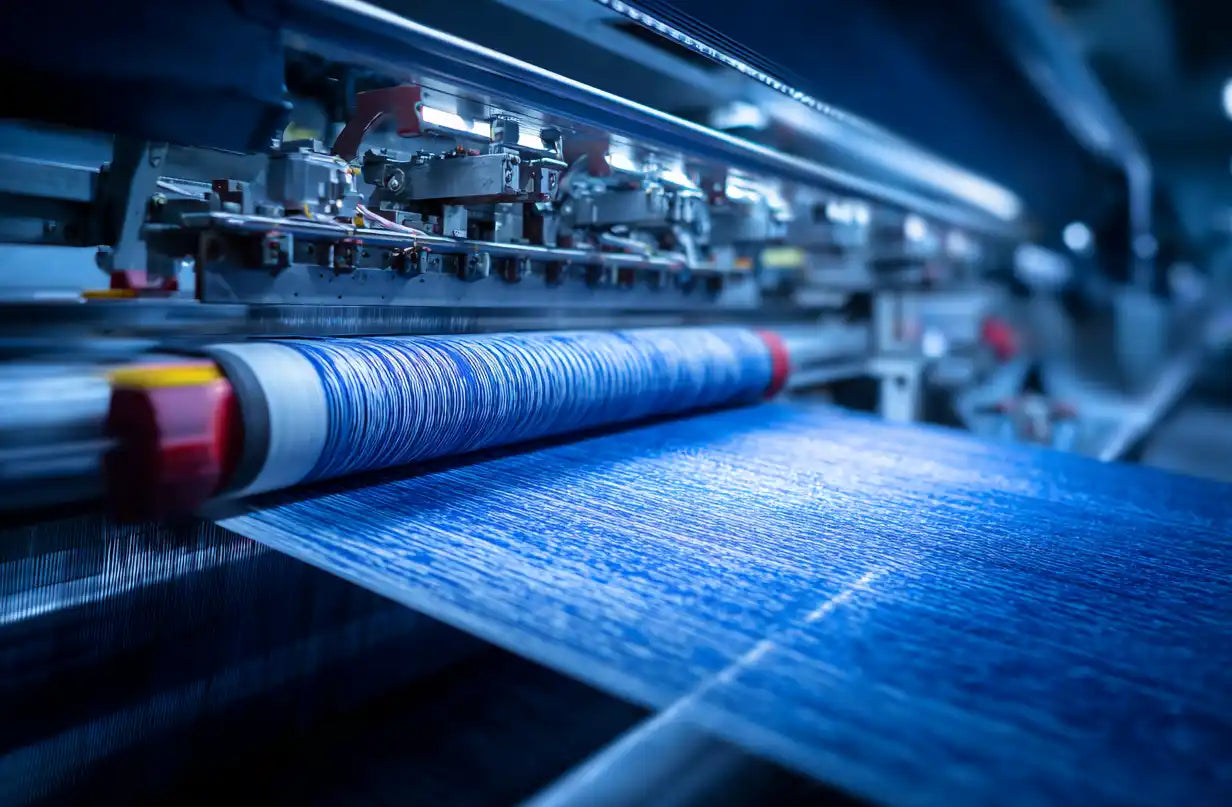
Dyeing Techniques in Clothing Manufacturing
Garment dye, pigment, acid wash, and stone wash finishes that create unique apparel designs.
Compare Apparel Finishing Techniques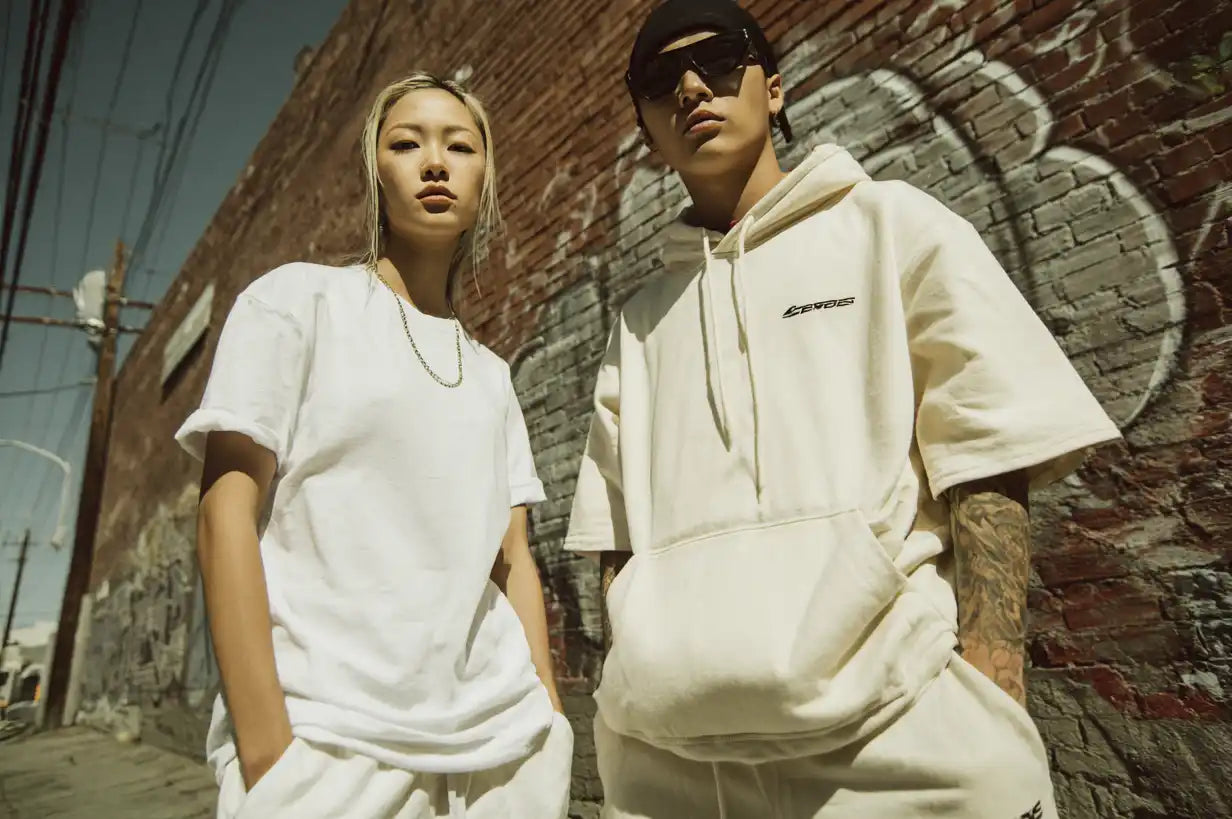
Popular Clothing Items for Custom Apparel
Hoodies, joggers, t-shirts, leggings, and biker shorts — essentials for every apparel collection.
Explore Popular Custom Clothing Items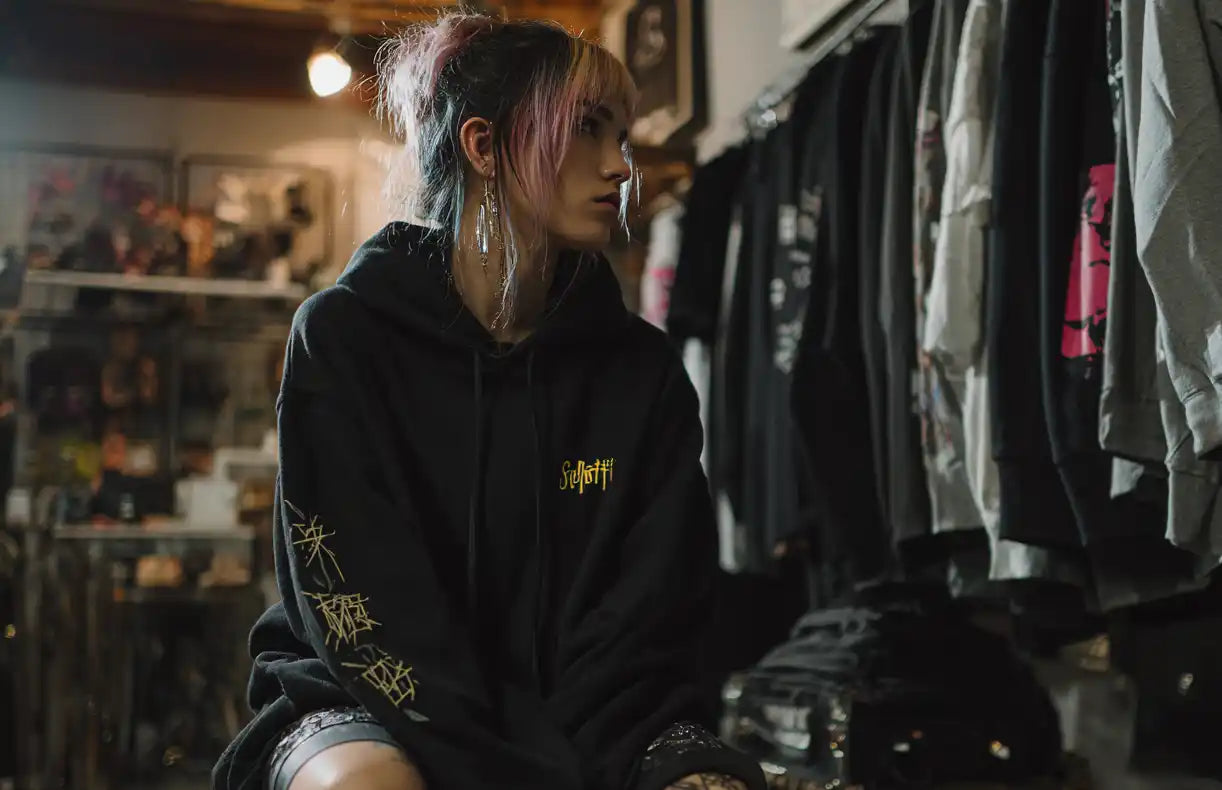
Trends & Designs in Modern Apparel
Oversized fits, streetwear influences, and activewear styles driving custom clothing production.
Explore Trends & Designs for Apparel Development
Sustainable & Ethical Clothing Production
OEKO-TEX® certified fabrics, organic cotton, and ethical apparel manufacturing in Portugal.
Understand Sustainable & Ethical Clothing Production
Essentials for Custom Clothing Production
Custom labels, packaging, and trims that elevate your apparel brand in production.
Explore Essentials for Custom Clothing Production
Resources for Custom Clothing Production
Startup guides, logistics support, and scaling strategies for apparel brands and wholesale clients.
Explore Resources for Custom Clothing Production
Clothing Manufacturing Glossary
Explore a complete glossary of clothing and garment manufacturing terms
The Complete Clothing Manufacturing Glossary
The Best Clothing Manufacturers
Explore global clothing manufacturers by country
Explore The Best Clothing Manufacturers
The Latest Clothing Industry Updates in 2025
Discover the latest news about important topics in the clothing industry in 2025,
Stay On Top Of Clothing Industry Updates
Worldwide Best Manufacturers of Clothes in 2026
Top clothing manufacturers worldwide organized by product type
Find The Worldwide Best Manufacturers of Clothes