Written by Ana Matos – Head of Sourcing at Athleisure Basics, with 12 years in European textile procurement and fabric development.
The piqué knit fabric that once defined the tennis and polo classics is powering a new generation of athleisure and streetwear. Its raised honeycomb texture, breathable construction, and structured drape deliver a rare blend of comfort and refinement. In 2025, as sustainable textile innovation advances across Portugal and the EU, pique is being reborn through organic fibers and traceable production systems.
What Is Piqué Knit Fabric?
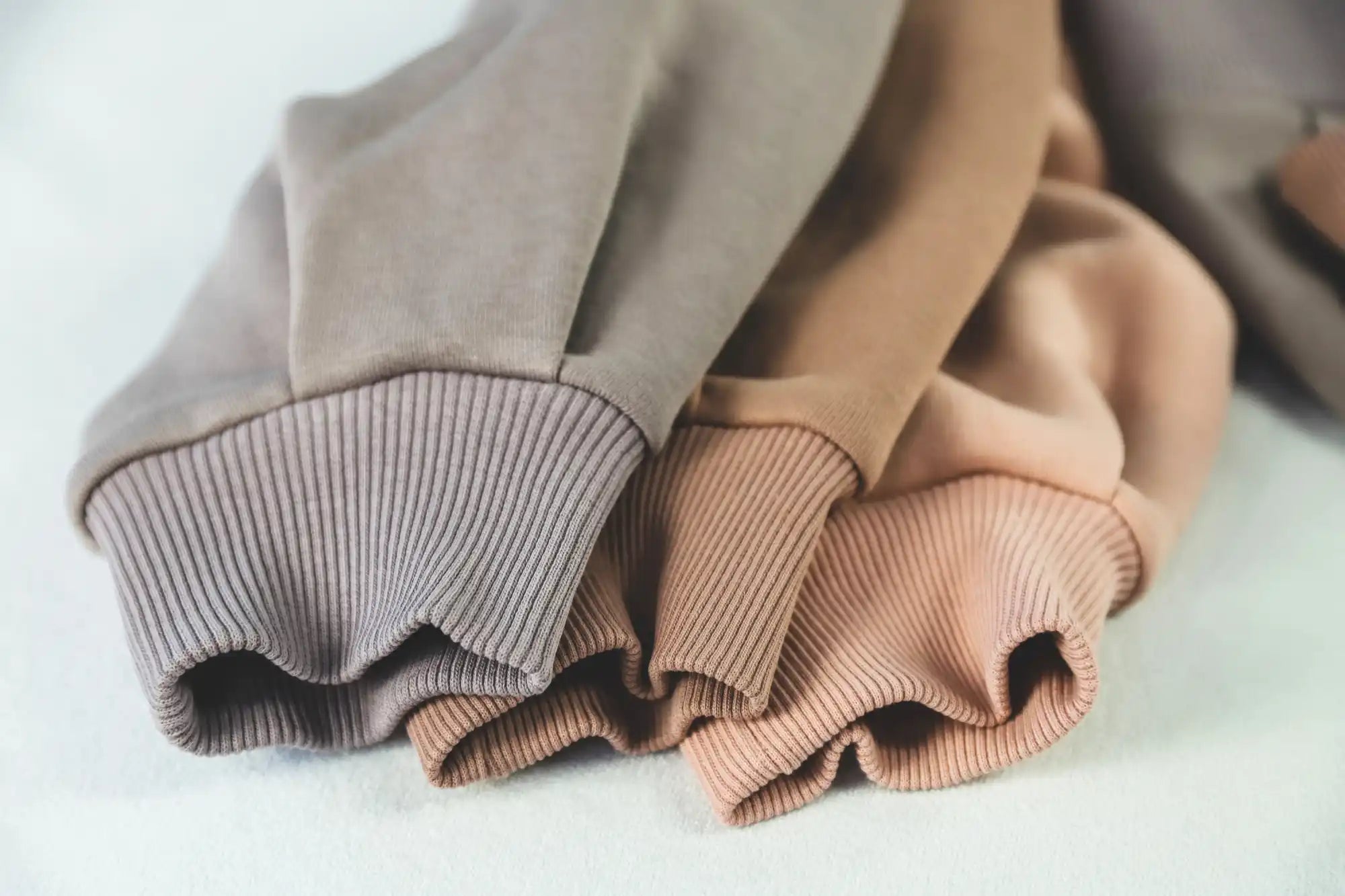
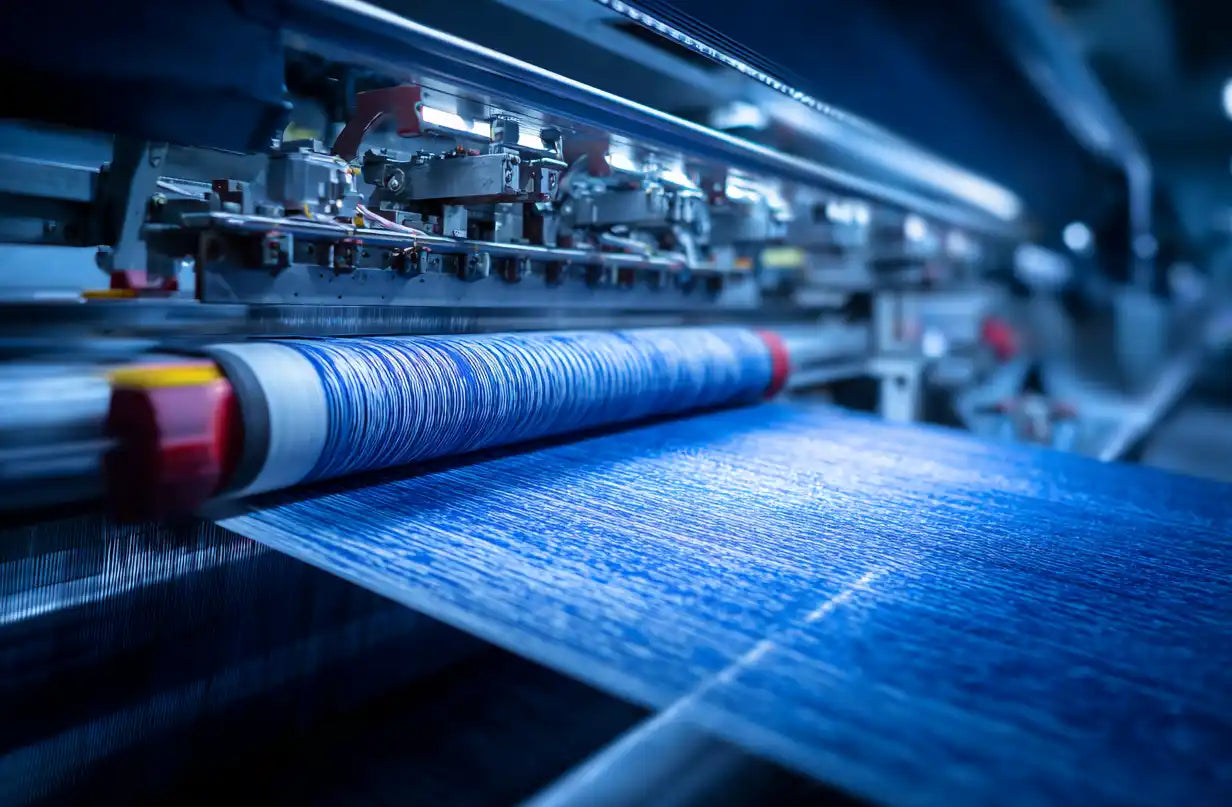
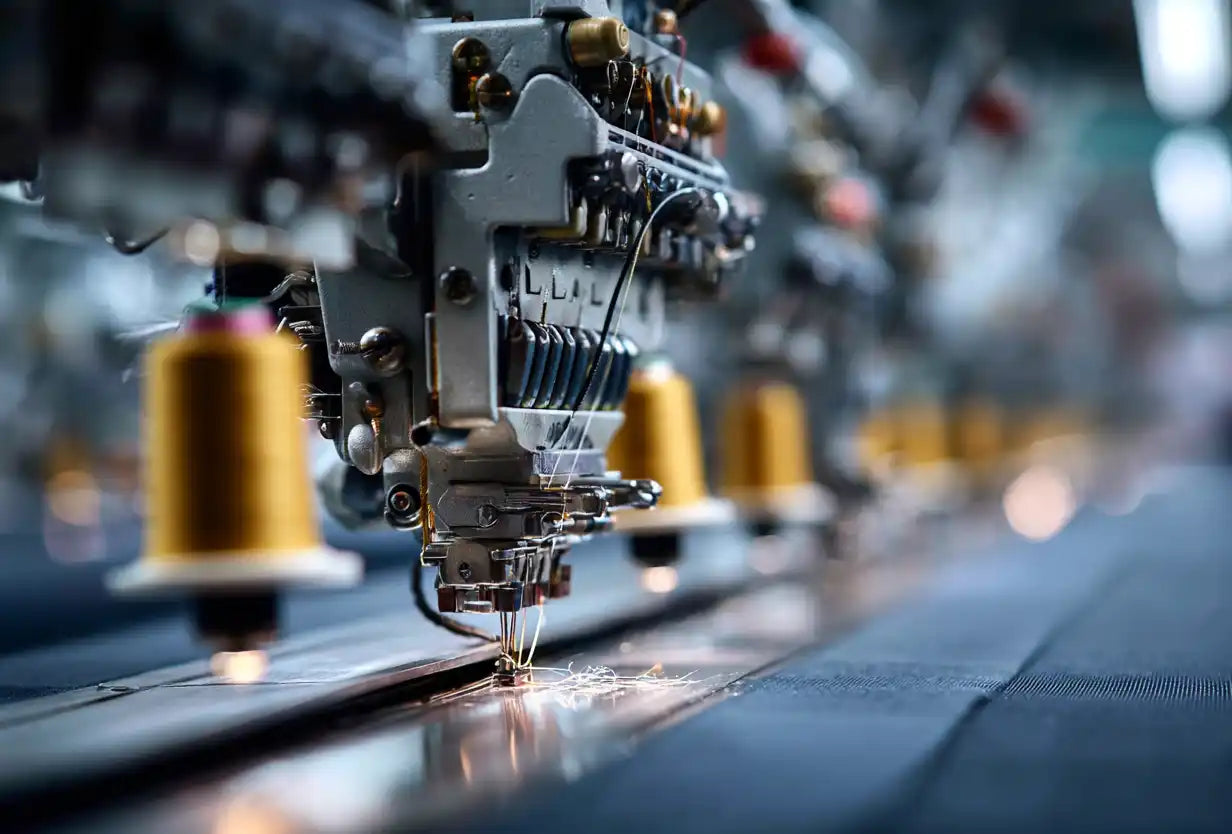
Piqué (pronounced pee-kay) is a double-knit fabric with a distinct three-dimensional surface — often a honeycomb, waffle, or cord pattern. It is produced on dobby or jacquard knitting machines that lift selected yarns to form a raised design. This structure allows air to circulate between yarns, keeping the wearer cool while maintaining a crisp silhouette.
- Common composition: 100% cotton (organic or combed), or blends with elastane, recycled polyester, or lyocell.
- Typical weight range (GSM): Light 150–180 gsm for tees; medium 200–240 gsm for polos; heavy 300 gsm for sweatshirts.
- Feel and look: Soft to touch yet structured — it holds shape better than jersey.
From Court to Street: A Brief History
In the 1920s, French tennis legend René Lacoste introduced a knitted cotton shirt that freed athletes from stiff woven uniforms. The breathable “L.12.12” polo used pique knit — and a new sportswear standard was born. By mid-century, it symbolized elegant leisure across Europe and the U.S. Today, its refined texture and technical performance make it a favorite in premium activewear collections produced in Portugal’s northern textile clusters.
Key Benefits of Piqué Knit
| Feature | Apparel Advantage |
|---|---|
| Textured surface | Enhances airflow and moisture management |
| Medium weight structure | Keeps shape and reduces wrinkling |
| Cotton-rich softness | Comfortable for long wear |
| Natural stretch | Moves with the body without spandex |
| Durability | Maintains appearance after many wash cycles |
Piqué in Modern Athleisure and Streetwear
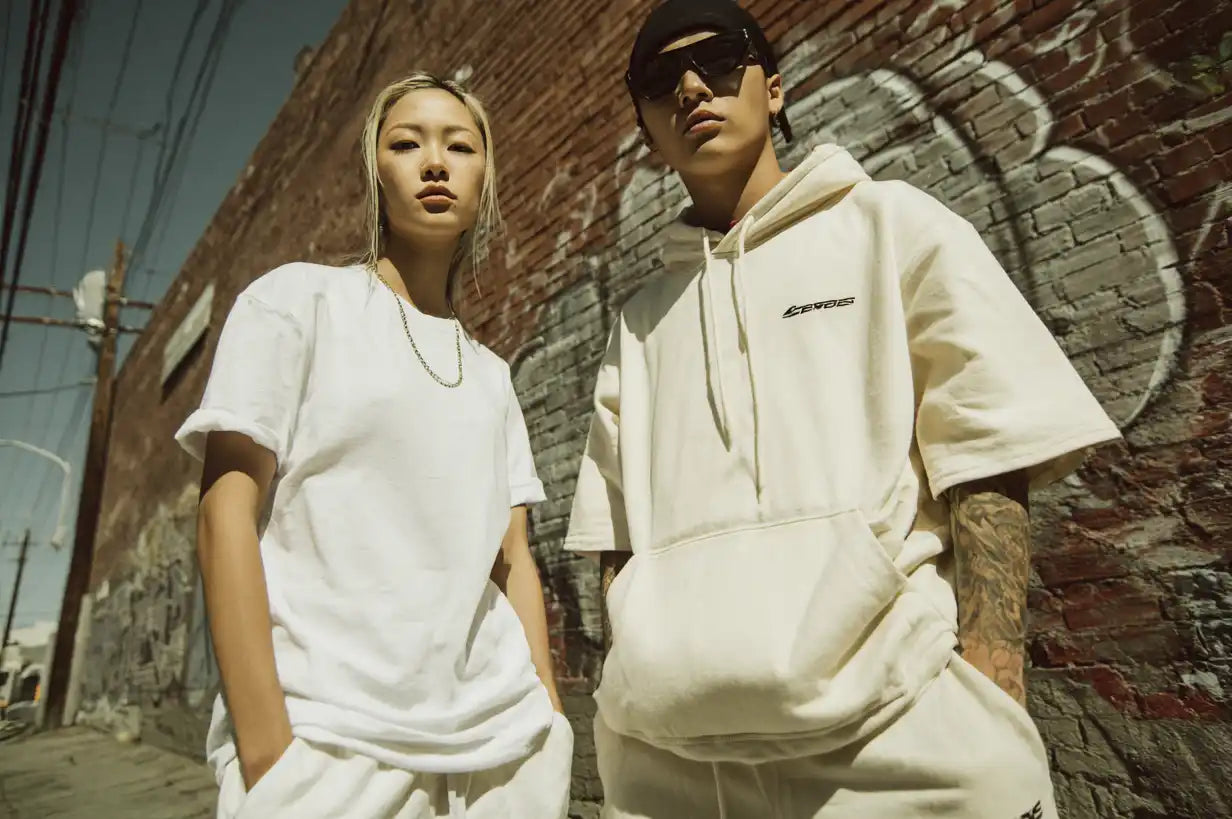
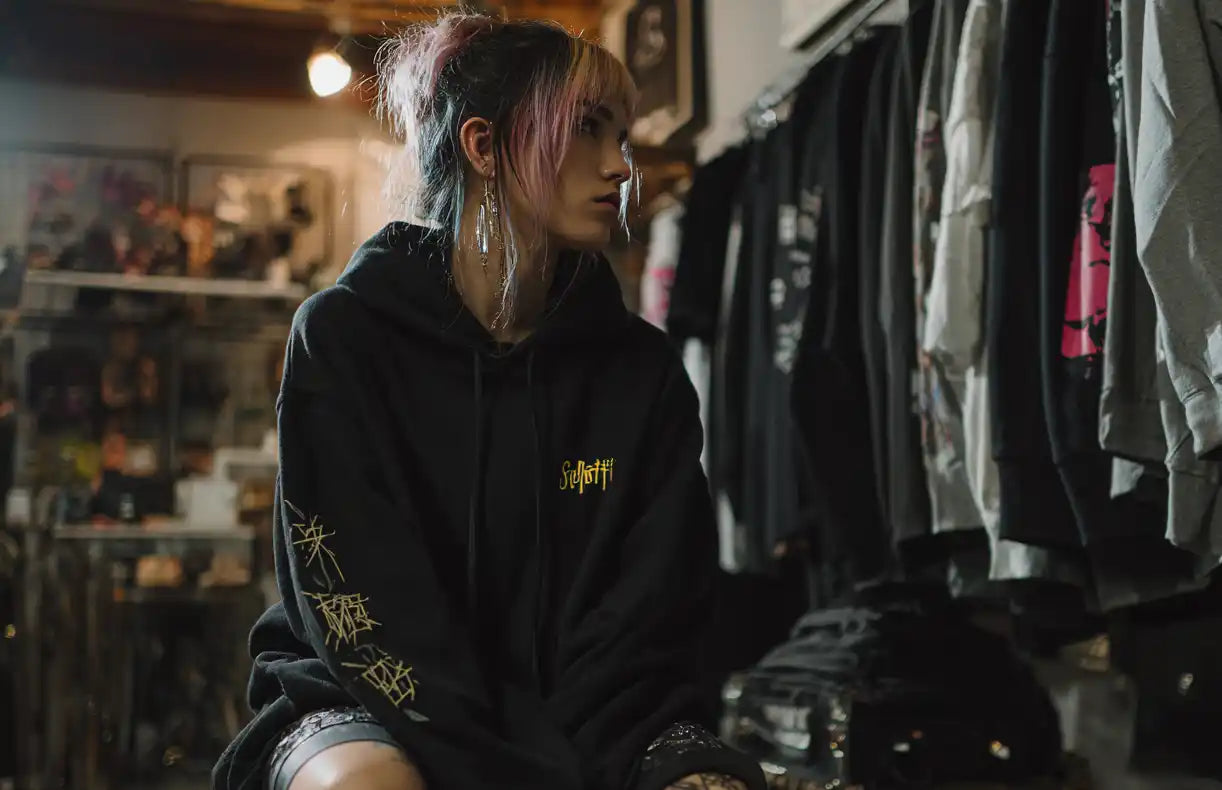
Today’s consumers seek versatile pieces that move seamlessly from workout to street. Piqué knit answers that need with a structured, breathable profile that elevates casual design. Designers use it for:
- Premium polos with oversized fits and heavier organic cotton weights.
- Half-zip tops and crewnecks that blend pique panels with French terry for contrast.
- Active dresses and polo dresses using lyocell-pique mixes for breathable elegance.
- Accessories such as caps and bags with structured pique surfaces.
Sustainability and Responsible Sourcing
According to Textile Exchange data (2024), the global organic cotton and recycled fiber market is projected to grow by over 8% annually through 2028 — a trend driven by EU and U.S. legislation on traceable materials. Portuguese manufacturers lead this movement with closed-loop dyeing, low-impact finishing, and multi-certified mills.
Preferred certifications for pique knits include:
- GOTS (Global Organic Textile Standard) – verifies organic fiber content and ethical processing.
- OEKO-TEX® Standard 100 – confirms safety from harmful substances.
- BCI (Better Cotton Initiative) – supports responsible cotton farming.
- GRS (Global Recycled Standard) – tracks recycled content and chain of custody.
Piqué vs Other Common Knits
| Fabric | Texture | Best Use | Durability |
|---|---|---|---|
| Piqué Knit | Honeycomb raised pattern | Polos, hybrid sweatshirts | High |
| Jersey Knit | Smooth flat surface | T-shirts, light basics | Medium |
| French Terry | Loop-back interior | Hoodies, joggers | Very High |
| Interlock Knit | Dense, smooth double knit | Premium tees, leggings | Very High |
How to Source Piqué Knit for Your Brand
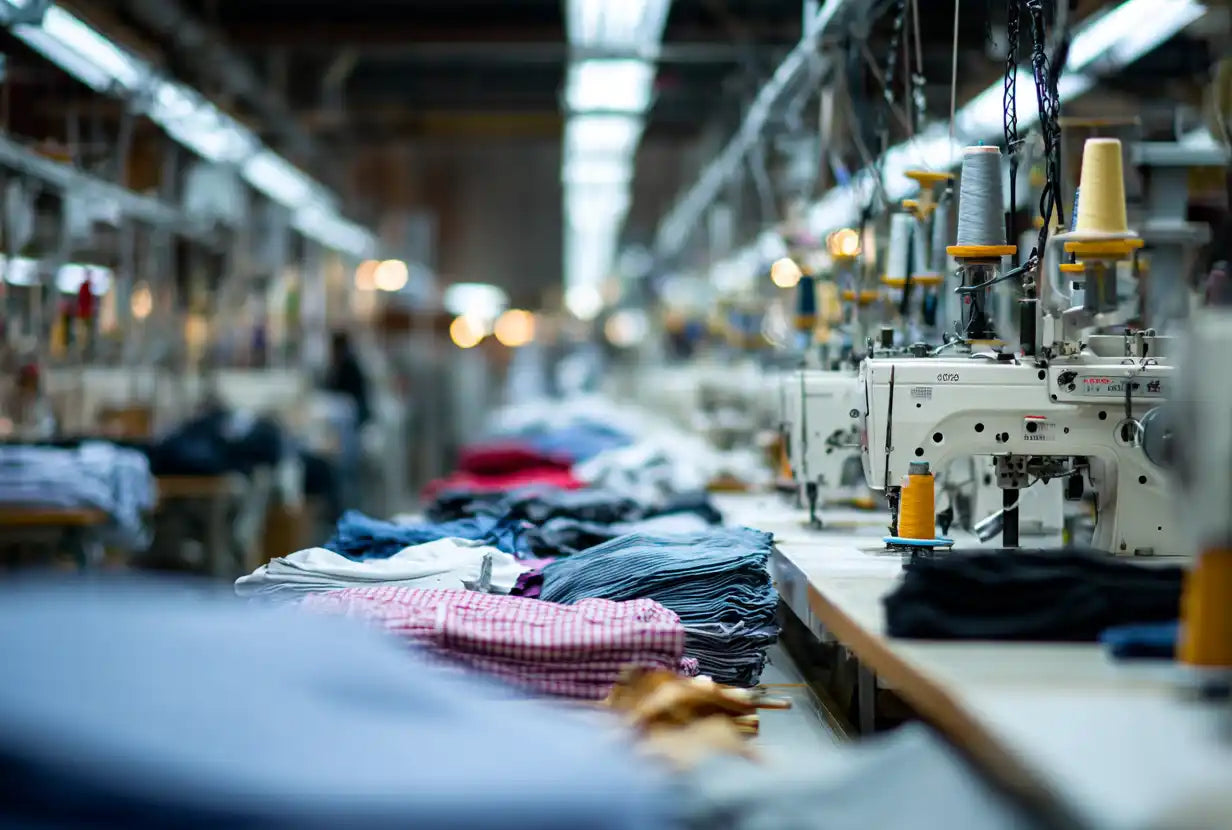
Working with an established partner such as Athleisure Basics connects brands to Portuguese mills that specialize in low-MOQ, certified production. Before sampling, specify your technical requirements clearly.
- Define GSM and blend type (organic, recycled, or stretch).
- Request swatches for honeycomb, cord, and double pique structures.
- Confirm finishing (pre-shrunk, enzyme-washed, silicone-softened).
- Include fabric codes and colorways in your clothing tech pack guide.
Typical lead times: 3–4 weeks for sampling and 6–8 weeks for bulk production. Minimum order quantities start at 100–300 meters per color.
Care and Longevity
Piqué garments are built to last, but care matters. Wash cold (30°C), turn inside out, and air-dry flat to preserve texture and color. Avoid high-heat tumble drying to prevent shrinkage. Proper care can extend the life of a pique polo by up to 40% compared with regular cotton jersey.
FAQs – Certifications and Standards
Is all pique knit organic?
No. Many mills still use conventional cotton, but GOTS-certified options are widely available for brands prioritizing traceable fibers. Always verify the producer's certificate number on the issuing body's database.
Why are multiple certifications important?
Combining GOTS, OEKO-TEX®, and GRS verifies that a fabric is both safe for skin and environmentally responsible from fiber to finish. Certifications provide independent verification and traceability, which retailers increasingly require.
Where can brands verify certificates?
Check license numbers directly on the official GOTS and OEKO-TEX databases for authenticity. Suppliers should provide up-to-date documentation as part of sampling and onboarding.
FAQs – Sourcing and Production
Can pique knit be custom dyed?
Yes. Garment-dyed pique achieves soft, washed-out tones ideal for streetwear collections and capsule drops. Work with your dye-house to test colorfastness and hand-feel before approving bulk runs.
What makes Portuguese mills stand out?
Their integration of knitting, dyeing, and finishing in one facility ensures shorter lead times and full traceability. Many Portuguese suppliers also offer low-MOQ services suited to small brands and capsule collections.
Is small-batch production possible?
Absolutely — many mills offer low-MOQ runs for emerging labels testing new fits or colors. Confirm minimums early in the development phase to align sampling and production timelines.
FAQs – Materials and Care
Does pique shrink?
High-quality enzyme-washed pique is pre-shrunk, though minimal shrinkage (≤ 3%) may occur if washed at high temperatures. Specify pre-shrunk finishing in your tech pack to reduce sizing variation.
Is pique comfortable in summer?
Yes — the open-knit texture allows airflow, making it cooler than dense jersey or interlock fabrics. Its breathability and moisture management make it an excellent choice for warm-weather collections.
How do I identify authentic pique?
Look for a raised pattern visible on both sides and a firm yet supple hand feel that distinguishes it from flat jersey. Request close-up photos and swatch samples if you cannot inspect the fabric in person.
Final Thoughts & Next Steps
As athleisure evolves toward traceable materials and European craftsmanship, pique knit remains a benchmark of timeless quality. Its balance of breathability, structure, and sustainability positions it as an essential fabric for brands seeking durable, elevated basics.
If your brand plans to develop new collections using certified fabrics, reach out to our team via the request form to discuss availability and production options.