
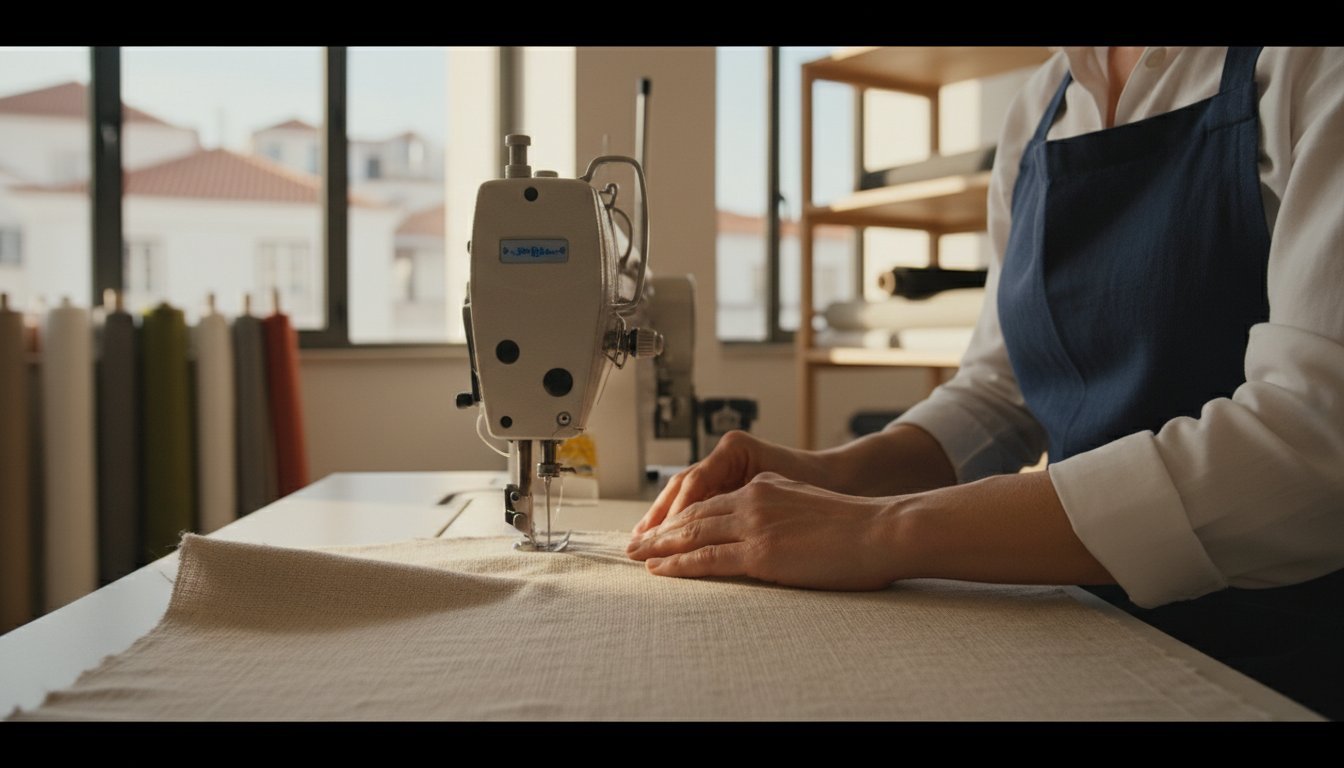
Best Country for Clothing Manufacturing for Startups in 2026: A Comparative Guide
The cheapest price per unit on a spreadsheet often becomes the most expensive mistake a new founder can make. Your first instinct might be to chase high-volume hubs in Asia to save costs, but for a startup in 2026, those savings frequently vanish behind 1,000-piece minimums and 30 percent import duties. Finding the best country for clothing manufacturing for startups requires looking beyond the initial invoice to see the true cost of lead times and quality control.
You probably agree that the traditional manufacturing model feels rigged against small brands. It's exhausting to deal with midnight communication delays or the anxiety of ethical transparency in distant factories. You want to launch with confidence, not with a warehouse full of unsold stock because a factory forced a high MOQ on your first run. We understand these hurdles because we've helped hundreds of founders transition from a simple logo to a lasting legacy.
This guide promises to help you identify a manufacturing partner that supports your growth while lowering the risk of your first production run. We'll preview the top global hubs for 2026, comparing them on material reliability, ethical standards, and proximity to your customers. You'll finish this article knowing exactly where to source your premium collection to ensure a profitable and sustainable launch.
Key Takeaways
- Understand the 2026 shift in global manufacturing and why modern founders are prioritizing flexibility and speed over traditional mass-production models.
- Compare the "Big Four" manufacturing hubs to determine the best country for clothing manufacturing for startups based on your specific budget and quality goals.
- Learn how to calculate the "hidden costs" of production, ensuring your retail margins remain profitable after accounting for duties, VAT, and logistics.
- Master our step-by-step decision matrix to choose between white-label solutions or custom manufacturing based on your target retail price point.
- Discover why Portugal’s unique combination of luxury craftsmanship and low MOQs makes it the leading choice for premium startups ready to scale.
What Makes a Country the "Best" for Clothing Manufacturing Startups?
Starting a fashion brand in 2026 requires a strategy that prioritizes agility over sheer volume. The best country for clothing manufacturing for startups is no longer simply the one with the lowest labor costs. Founders now look for hubs that balance low minimum order quantities (MOQs), rapid lead times, and superior quality. As consumer trends shift toward sustainable, small-batch releases, the traditional mass-production model is losing its appeal.
In 2026, the global clothing and garment industry is seeing a definitive move toward localized, high-flexibility production. Founders are abandoning the "order 1,000 units and hope" approach. They need partners who can produce 100 units of a technical legging or a premium hoodie with the same precision as a large-scale run. Your specific niche dictates your geographic choice. For example, brands focused on technical athleisure often find better technical expertise and fabric sourcing in European hubs like Portugal compared to generalist factories in Southeast Asia.
Founders building performance-driven brands often prioritize purity across all aspects of their business; if you are exploring high-performance wellness products to complement your brand's lifestyle, visit XSV.
The "Low MOQ" Revolution
Modern fashion startups thrive on the 50 to 250 piece "sweet spot." This range allows you to test new designs without the crushing weight of excess inventory. High MOQs, often exceeding 500 pieces per style in traditional Asian hubs, can drain a startup's capital and lead to deadstock. Low MOQs provide the flexibility to iterate based on real customer feedback. If a specific color sells out in two weeks, an agile factory helps you restock quickly. This reduces financial risk and keeps your brand's cash flow healthy.
Proximity and Communication
Clear communication is the backbone of a successful garment production process. Time zone differences often result in 24-hour delays for simple questions, which can stall a project for weeks. This is why "nearshoring" has become the preferred strategy for UK and US brands. Working with a factory that speaks your language fluently and operates within a similar workday ensures sample accuracy. It's easier to verify a tech pack or approve a fabric swatch when your partner is only a short flight or a quick video call away. Reliability is the new currency for the best country for clothing manufacturing for startups.
Global Manufacturing Hubs in 2026: A Comparative Analysis
Selecting the best country for clothing manufacturing for startups in 2026 requires a balance between unit cost, speed to market, and ethical transparency. While the global landscape has shifted, four major hubs continue to dominate the conversation. Each offers distinct advantages depending on whether your brand prioritizes massive scale or premium, low-risk entry points. To evaluate these regions effectively, founders often use The Startup Decision Matrix to weigh labor costs against logistical reliability and trade stability.
The Asian Powerhouses: China and Vietnam
China remains the undisputed leader for infrastructure and raw material access. However, for a new brand, China has become increasingly difficult to navigate. Most high-quality factories now prioritize massive clients, pushing Minimum Order Quantities (MOQs) well beyond what a startup can safely afford. If you find a factory willing to do 50 pieces, you're often dealing with a "middleman" or a trading company rather than the manufacturer itself. This adds a layer of cost and reduces your control over the final product.
Vietnam and Bangladesh offer lower cost-per-unit figures, but the logistical reality in 2026 includes persistent port congestion and 40-day shipping windows. These regions make sense only after you've scaled your operations and can afford to tie up capital in months of inventory. For a founder trying to stay lean, the risk of a missed season due to shipping delays is often too high.
The European Advantage: Portugal and Turkey
As brands move toward "nearshoring" to reduce their carbon footprint and increase agility, Europe has become the premier destination for high-end startups. Turkey is a powerhouse for denim and heavy cottons. It offers fast turnaround times, though quality standards can be variable across different regions. You'll need a dedicated boots-on-the-ground presence to ensure the "speed" doesn't result in sloppy stitching or inconsistent sizing.
Portugal has carved out a unique position as the gold standard for premium athleisure and luxury basics. Leading clothing manufacturers in Portugal focus on craftsmanship and ethical labor practices that align with modern consumer expectations. The advantages of choosing Portugal include:
- Low MOQs: Many factories offer white label services starting at just 60 pieces per style, allowing you to test the market without overextending.
- EU Trade Agreements: Shipping within the EU or to the US is streamlined, with significantly less import friction compared to Asian hubs.
- OEKO-TEX® Standards: Most Portuguese facilities operate under strict environmental and ethical certifications, protecting your brand's reputation from day one.
If you're looking for the best country for clothing manufacturing for startups that value quality over sheer volume, the European market provides a level of security that's hard to find elsewhere. You can explore our custom clothing options to see how a partnership in Portugal can help you launch your first collection with confidence and precision.
The "Hidden Costs" of Manufacturing: Beyond the Price Tag
The unit price on a factory quote is rarely the final cost of your garment. Many founders choose the best country for clothing manufacturing for startups based solely on a low "price per piece" only to find their margins erased by landed costs. A $5 t-shirt from Southeast Asia often ends up costing more than a $12 premium version from Europe once you factor in the variables. Import duties for textiles entering the US or EU frequently reach 12%, and when you add 20% VAT and rising fuel surcharges, that "cheap" garment becomes an expensive liability.
Sampling iterations are another budget killer. If a distant factory requires four rounds of samples to get your fit right, you aren't just paying for the fabric. You're paying for international courier fees that can exceed $100 per shipment. By 2026, new sustainability regulations like the EU Digital Product Passport will add mandatory compliance costs. Choosing a manufacturer that already meets these high standards prevents you from paying "green taxes" or fines later in the production cycle.
Logistics and Lead Times
Startups live and die by cash flow. If your inventory sits on a boat for 60 days, your capital is trapped in the middle of the ocean. Shipping from China to Europe or the US typically takes 6 to 8 weeks by sea. Air freight is faster but can cost five times as much, instantly killing your profit. In contrast, 2-week road freight from Portugal allows you to restock quickly. This agility means you don't have to over-order and sit on "dead stock" that might not sell. You can test the market with a low MOQ and replenish your winners in a fraction of the time.
Quality Assurance and Returns
The true cost of manufacturing includes the price of failure. If you receive 500 faulty leggings from an overseas factory, returning them is often financially impossible due to shipping costs and customs red tape. Most startups simply eat the loss. This is why made in Portugal clothing has become a strategic choice for premium labels. High-quality craftsmanship reduces your return rate and builds brand equity. Customers in 2026 are willing to pay a 25% to 40% premium for garments with ethical labels and superior durability. Investing in quality at the source is the most effective way to protect your long-term margins and ensure your brand's legacy.
The Startup Decision Matrix: How to Choose Your Country
Finding the best country for clothing manufacturing for startups depends on four critical pillars. You shouldn't choose a location based solely on labor costs. Instead, use this matrix to align your production hub with your brand's long-term vision.
Your brand's vision is what ultimately connects with customers. For inspiration on how to build a cohesive collection, successful online boutiques like Dutchess Martha serve as a great example of curating a distinct style.
- Step 1: Define your target retail price point. If you're positioning as a luxury or premium brand, manufacturing in high-cost regions like Europe ensures the craftsmanship matches the price tag. Budget brands often prioritize volume over finish, which shifts the focus toward Asian hubs.
- Step 2: Determine your initial order volume. Startups need flexibility. Choose a country known for low MOQ (Minimum Order Quantity) capabilities. White label services allow you to test the market with 60 to 100 pieces, while custom "cut and sew" projects require more robust infrastructure.
- Step 3: Assess your sustainability requirements. By 2026, consumer demand for transparency will be non-negotiable. Look for countries where factories standardly carry OEKO-TEX® or GOTS certifications. This reduces your risk of supply chain scandals.
- Step 4: Evaluate your technical complexity. If your designs require intricate embroidery or specialized performance seams, you need a factory that can interpret complex tech packs without constant oversight.
Matching Your Niche to a Region
Technical fabrics for athleisure require specialized machinery often found in European clusters. These factories invest in bonded seam technology and high-tension stitching that cheaper regions lack. For streetwear, the focus is on heavy GSM fabrics and luxury finishes. If you're launching a collection of high-quality essentials, utilizing private label Portugal services is often the most efficient route. This allows you to launch quickly using proven patterns while maintaining a premium "Made in Europe" label. This makes Portugal arguably the best country for clothing manufacturing for startups focusing on premium market entry.
For entrepreneurs who value the intersection of high-end manufacturing and a personalized fit, you can visit Your Tailor Robin to learn more about their bespoke garment services.
Evaluating Factory Responsiveness
A factory's communication style is a leading indicator of your future success. You need a partner, not just a producer. A partner offers suggestions on fabric weight or construction methods to save you money. A simple producer just follows instructions, even if they're flawed. Use this red flag checklist during your first interviews:
- Response times exceeding 48 hours during business days.
- Vague answers regarding their ethical certifications or physical address.
- Hesitation to provide physical samples before a bulk order.
- Lack of transparency regarding their internal quality control (QC) steps.
Transparency is the foundation of a healthy supply chain. In 2026, the ability to show your customers exactly where and how their clothes were made is a competitive advantage. Choose a manufacturer that welcomes video calls or factory visits. This openness proves they're confident in their standards and invested in your brand's legacy.
Ready to build your brand with a partner who understands startup needs? Get a quote for your project and start your journey today.
Why Portugal is the Leading Choice for Premium Startups in 2026
Portugal has secured its position as the best country for clothing manufacturing for startups that target the premium and luxury segments. The nation's textile sector, primarily located in the northern regions like Porto and Braga, combines a deep heritage of craftsmanship with advanced technical innovation. For a new brand, this means access to factories that understand high-end finishing and complex garment construction. The "Made in Portugal" label is more than a legal requirement; it's a badge of quality that justifies higher price points and builds immediate trust with your audience. In 2026, the global shift toward "quiet luxury" makes Portugal's focus on superior materials and understated excellence more relevant than ever.
For a tangible example of a brand successfully operating in this luxury activewear space, check out JC London to see how premium materials and design come together.
Ethics and Sustainability as a Standard
Sustainability isn't a niche feature in 2026; it's a core consumer expectation. Statistics show that roughly 80% of premium fashion buyers now check for ethical certifications before purchasing. OEKO-TEX® certified fabrics are a baseline requirement for our production, ensuring your garments are free from harmful substances. Manufacturing within the EU also means you benefit from strict labor laws that protect worker rights and guarantee fair wages. This transparency becomes a vital part of your brand storytelling. Furthermore, localized European production allows you to minimize transport distances. By choosing a partner in Portugal, you can reduce your brand's logistics-related carbon footprint by a significant margin compared to sourcing from East Asia.
Partnering with Athleisurebasics
Athleisurebasics simplifies the path from your initial concept to a finished product. We act as your expert guide, handling everything from Tech Pack development to final quality control. We've designed our services to remove the traditional barriers that many new founders face. You don't need to order thousands of units to get started. Our White Label service allows you to launch with as few as 70 pieces per style, which is ideal for testing the market without heavy upfront investment.
As your brand gains traction, we help you navigate the transition to full custom manufacturing. With 250-piece minimums, you can scale your unique vision and develop proprietary fits that set your brand apart. This flexibility is why Portugal is the best country for clothing manufacturing for startups that plan to grow from a small boutique to a global legacy. We provide the technical expertise and the ethical foundation you need to succeed in a competitive market.
Scale Your Vision with a Strategic Manufacturing Partner
Selecting the right production hub defines your brand's trajectory from day one. In 2026, the global landscape rewards founders who prioritize supply chain transparency and logistical speed over the lowest possible unit cost. Portugal stands out as the best country for clothing manufacturing for startups that value premium craftsmanship and ethical EU labor standards. Success requires more than just a factory; it demands a partner that understands the unique hurdles of a new business. We've seen that the most resilient brands are those that balance quality with manageable growth.
Athleisure Basics provides the infrastructure you need to transition from a design concept to a market-ready product. We offer expert production consulting for first-time founders and utilize OEKO-TEX® certified premium fabrics to ensure your garments meet the highest industry standards. By offering low MOQs starting at 70 pieces, we eliminate the financial risk often associated with massive production runs. You can focus on growing your community while we handle the technical complexities of high-quality manufacturing. It's time to build a brand that stands the test of time with a partner that's invested in your long-term success.
Launch your brand with a trusted Portuguese partner—get a quote today
Frequently Asked Questions
Is it cheaper to manufacture clothing in China or Portugal for a startup?
China offers lower unit costs for mass production, but Portugal is often more cost-effective for startups when you calculate the total cost of ownership. Shipping from Portugal to EU destinations takes 3 to 5 days by road, which is significantly faster and cheaper than sea freight from Asia. You'll also avoid the 12 percent import duty typically applied to Chinese garments entering the European Union.
What is the average MOQ for clothing manufacturers in Europe?
The average Minimum Order Quantity (MOQ) in Europe ranges from 50 to 500 pieces per style depending on the factory's specialization. Many premium Portuguese manufacturers now offer low MOQ options starting at 60 units to support emerging brands. This flexibility allows you to test new designs without committing to the 1,000 piece minimums often required by large scale Asian factories.
How do I find a reliable clothing manufacturer for my startup?
You can find reliable partners by searching verified industry databases like Europages or visiting international trade fairs such as Fashion SVP in London. It's essential to verify that a factory holds OEKO-TEX or GOTS certifications to ensure they meet modern quality standards. Statistics show that 85 percent of successful founders vet their partners through physical site visits or detailed video audits before signing a contract.
Does "Made in Portugal" really help sell more clothing?
The "Made in Portugal" label serves as a powerful marketing tool that justifies premium price points for your brand. Consumers associate Portuguese manufacturing with high-end craftsmanship and ethical labor practices, which are major selling points in the current market. According to 2024 retail surveys, 65 percent of luxury consumers are willing to pay a 20 percent premium for apparel produced under transparent EU labor laws.
What are the best countries for sustainable clothing manufacturing?
Portugal and Lithuania are the top choices for sustainable production in 2026 due to their advanced textile recycling infrastructure. Portugal is currently a leader in green energy, with 80 percent of its manufacturing sector powered by renewable sources. Choosing these regions ensures your brand complies with the latest EU Ecodesign regulations while utilizing eco-friendly fabrics that appeal to conscious shoppers.
Can I start a clothing brand with only 50 pieces?
You can definitely launch a brand with 50 pieces by partnering with a boutique factory or using white label services. Portugal is often cited as the best country for clothing manufacturing for startups because it balances these small production runs with high-quality output. Starting small reduces your initial capital risk and prevents the common problem of sitting on unsold inventory during your first year of business.
How long does the clothing production process take in 2026?
The standard production cycle in 2026 takes between 10 and 16 weeks from the initial tech pack submission to final delivery. You should allocate 3 to 4 weeks for sampling and fit corrections, followed by 8 to 12 weeks for bulk manufacturing and quality control. Working with European partners can shave 4 weeks off this timeline by eliminating the long transit times associated with transcontinental shipping.
What duties will I pay when importing clothing from the EU to the UK or US?
Imports from the EU to the UK are duty-free under the Trade and Cooperation Agreement, provided the garments meet specific Rules of Origin criteria. For US imports, you'll generally pay tariffs between 0 percent and 32 percent based on the garment's material and HTS code. It's a smart move to consult a customs broker to navigate these 2026 trade regulations and ensure you're using the best country for clothing manufacturing for startups.


Leave a comment
This site is protected by hCaptcha and the hCaptcha Privacy Policy and Terms of Service apply.