
Clothing Prototype Development: From Concept to Production-Ready Garment
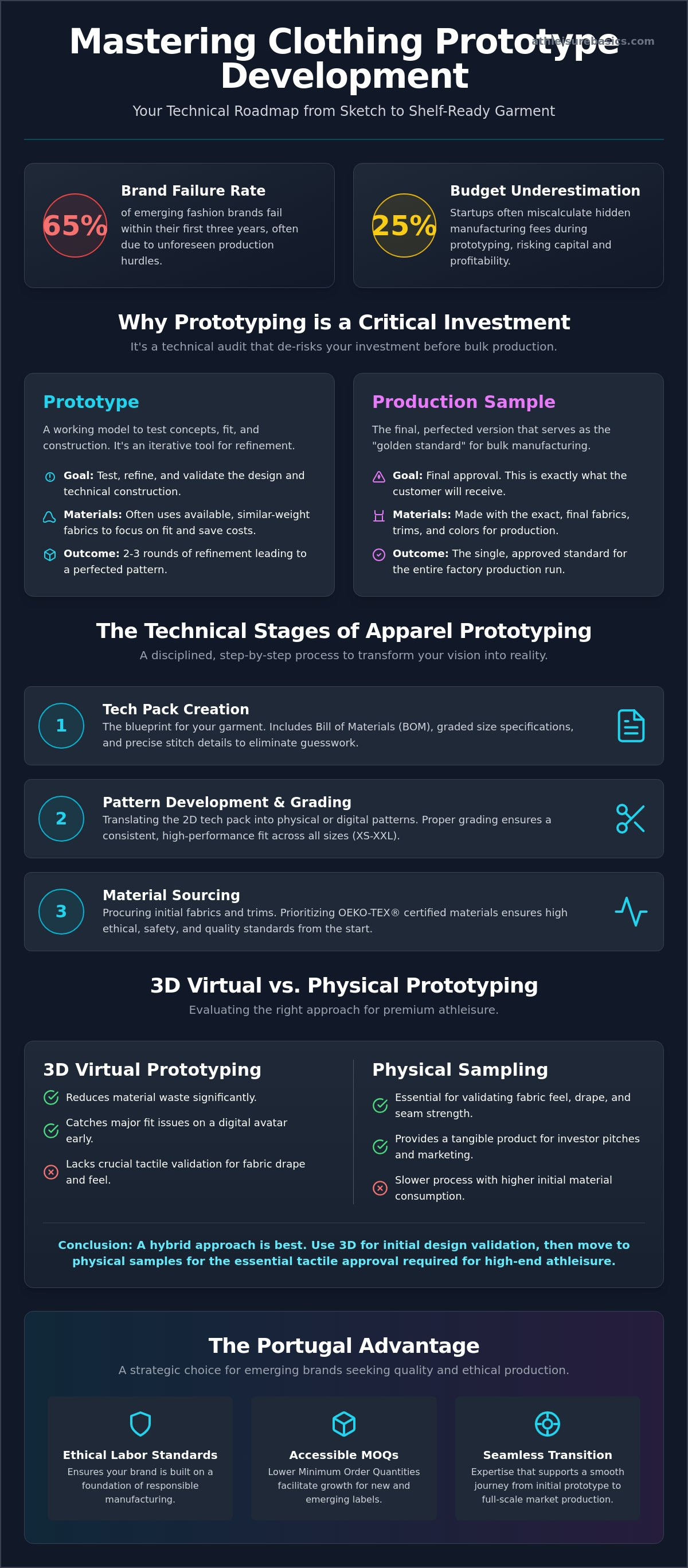
Did you know that 65% of emerging fashion brands fail within their first three years? Many of these ventures collapse because they underestimate hidden manufacturing fees by as much as 25% during clothing prototype development. It's a stressful reality when you're trying to bridge the gap between a creative sketch and a shelf-ready product. You likely worry about wasting capital on samples that don't fit or feel overwhelmed by technical terms like CMT and tech packs. It's also difficult to find a manufacturing partner who values premium quality while offering accessible minimum order quantities for new labels.
This article will help you master the technical journey of turning your apparel sketches into high-quality, market-ready prototypes with professional manufacturing insights. We'll simplify complex industrial processes and provide a clear roadmap to mitigate the risks of early-stage production. You'll learn how to navigate the transition from initial tech packs to final production-ready garments, giving you the confidence to build a lasting commercial presence and find a partner that supports your growth.
Key Takeaways
- Understand how prototyping acts as a technical audit to ensure fabric drape and seam strength meet premium standards before bulk production.
- Master the essential stages of clothing prototype development, including professional tech pack creation and pattern grading for consistent sizing.
- Evaluate the efficiency of 3D virtual prototyping for initial designs against the necessity of physical samples for tactile validation in high-end athleisure.
- Learn how to establish a realistic development budget and source OEKO-TEX® certified textiles early to prevent costly timeline delays.
- Discover the strategic advantages of manufacturing in Portugal, where ethical labor standards and accessible MOQs facilitate a seamless transition from concept to market.
What is Clothing Prototype Development and Why Does it Matter?
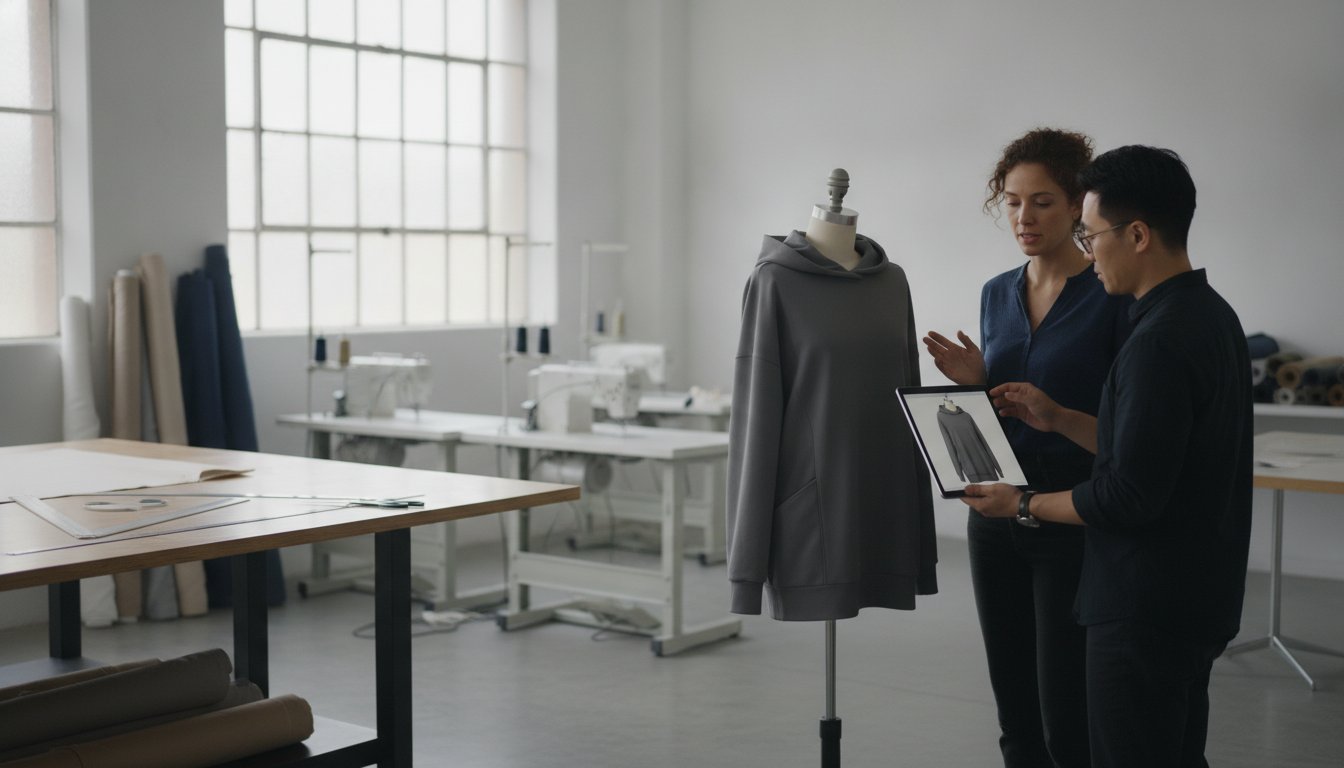
At its core, clothing prototype development is the iterative process of transforming a two dimensional sketch or digital design into a three dimensional physical garment. It's the critical bridge within the broader fashion design process where creative vision meets engineering reality. This stage isn't just about seeing your design in person; it's a rigorous technical audit. During development, manufacturers analyze how a specific fabric drape interacts with complex seam patterns and whether the garment maintains its structural integrity under stress. It's the first time you truly see if your concept translates to the human form.
For high performance athleisure, this process is even more vital. We focus on a "fit-for-purpose" philosophy. This means a legging isn't just a garment; it's a technical tool that must withstand high impact movement without losing shape or opacity. Designers often research the specific demands of various disciplines in an enciclopedia digital de deportes to ensure their products meet real-world athletic needs. Prototyping allows us to identify potential failures in seam strength or elasticity before you commit to a full production run. By catching these issues early, you avoid the devastating financial impact of a large scale manufacturing error. It's much cheaper to fix a seam on a single prototype than to realize 500 finished units are defective.
The Difference Between a Prototype and a Production Sample
It's common to confuse these two terms, but they serve distinct roles in your development timeline. A prototype is a working model used to test concepts, fit, and construction methods. You'll often go through two or three rounds of clothing prototype development to refine the silhouette and technical details. At this stage, manufacturers might use "available" fabrics in a similar weight to save costs while focusing on the fit. In contrast, a production sample is the final, perfected version made with your exact final materials and trims. This sample serves as the "golden standard" for the factory to follow during bulk manufacturing.
Why Startups Cannot Afford to Skip the Prototyping Phase
Skipping straight to production is a high stakes gamble that rarely pays off for emerging brands. Without a physical prototype, you cannot accurately calculate your cost of goods sold. Prototyping reveals the exact amount of fabric consumption and the labor time required for each piece, which are the primary drivers of your margins. Beyond the numbers, having a professional, high quality prototype is essential if you plan to secure investor funding or launch a crowdfunding campaign. It proves your concept is viable, premium, and ready for the commercial market. It builds the confidence you need to scale your operations effectively.
The Technical Stages of Apparel Prototyping
Moving from a creative concept to a physical garment requires a disciplined, multi-stage approach. Successful clothing prototype development depends on precision at every turn. You must provide your manufacturer with a clear roadmap to ensure your vision isn't lost in translation. This technical journey is designed to eliminate guesswork and build a foundation for high-quality production.
The Role of the Tech Pack in Prototype Success
Think of the tech pack as your garment's blueprint. Without it, your factory is essentially guessing. Step 1 of any professional project involves technical design and tech pack creation. This document must include a comprehensive Bill of Materials (BOM), graded specifications, and exact stitch details. It's the most critical document you'll produce to ensure consistency. If you're unsure where to begin, learning how to create a tech pack for clothing is your first priority.
Pattern Development: The Foundation of Fit
Once the tech pack is ready, Step 2 involves translating that 2D data into a physical pattern. This is where your sketch gains volume and shape. We recommend digital patterning for its superior scalability and precision. Many brands now utilize 3D virtual prototyping to visualize the garment on a digital avatar first. This approach reduces material waste and helps you catch major fit issues before a single piece of fabric is cut. However, for premium athleisure, inclusive grading is just as vital. Your patterns must be graded carefully to ensure the same high-performance fit across all sizes, from XS to XXL.
Following the pattern work, Step 3 focuses on sourcing initial materials. We prioritize OEKO-TEX® certified fabrics and trims to meet high ethical and safety standards. This ensures your prototypes aren't just well-made, but also compliant with modern environmental regulations. Using the right components from the start prevents technical failures later in the process.
The first physical step in the factory, Step 4, is often a "toile" or "muslin." This is a prototype made from inexpensive fabric to test the basic silhouette and seam placement. It's a low-risk way to identify fit problems before you use your final, expensive textiles. It allows for quick adjustments without wasting premium materials.
Finally, we enter Step 5: the iteration and refinement phase. You'll test the prototype on a fit model and gather feedback on comfort, range of motion, and aesthetics. It's normal to go through several rounds of clothing prototype development. Each refinement brings you closer to a production-ready garment that matches your exact standards. If you need expert guidance during these technical stages, our team at Athleisurebasics can support your development from the first stitch.
3D Prototyping vs. Physical Sampling: Choosing the Right Path
Modern clothing prototype development offers a strategic choice between digital speed and physical precision. While traditional methods relied solely on physical "cut and sew" samples, 3D technology has introduced a more efficient alternative for early-stage design. The decision to go digital or physical depends on your brand's specific quality standards and the technical complexity of your garments.
When to Use 3D Virtual Prototyping
3D virtual prototyping is an exceptional tool for the initial conceptual phase. It allows you to test dozens of colorways, prints, and logo placements without sewing a single seam. Industry data shows that digital design can reduce material waste by up to 70% and cut carbon emissions from sampling by 30%. This technology is a powerful way to fast-track the garment production process. You can even use these high-fidelity renders for early marketing visualizations or crowdfunding campaigns before investing in physical inventory. It's a pragmatic solution for brands looking to iterate quickly while maintaining a lean development budget.
The Limitations of Virtual Samples
Despite the speed of digital tools, virtual samples have clear boundaries in the premium athleisure market. For luxury brands, "hand-feel" and the specific drape of a textile are non-negotiable quality markers. Digital avatars can simulate movement, but they cannot fully replicate the nuanced compression levels and recovery properties of high-performance fabrics. A virtual model won't tell you if a waistband rolls during a squat or if a flatlock seam feels abrasive against the skin. High-performance fabrics require physical stress testing to ensure they maintain opacity and structural integrity under real-world conditions. 3D cannot yet replicate the tactile feedback necessary for a truly premium product.
We recommend a hybrid strategy for clothing prototype development. Use 3D modeling to finalize your silhouette and design details first. A "3D-first" approach can replace 70-80% of initial R&D cycles, which significantly reduces your sampling costs. Once the digital model is perfected, move to physical sampling for final validation. This ensures your production-ready garment meets the tactile and performance standards your customers expect. Final production approval should always rest on a physical sample that you have personally touched, stretched, and worn to ensure it's fit-for-purpose.
Practical Guidance: Preparing for Your First Prototype Run
Preparation is the barrier between a successful brand launch and a costly technical lesson. Before you initiate your first run of clothing prototype development, you must separate your development budget from your production capital. Development is an investment in your brand's technical intellectual property. It covers the research and development required to ensure your garment performs under pressure. Many emerging brands fail because they underestimate these hidden development fees by as much as 25%. By establishing a dedicated R&D budget, you protect your production funds and ensure you don't cut corners on quality.
Sourcing the Right Materials for Athleisure
Your choice of raw materials is the most significant variable in the prototyping phase. For skin-contact apparel like leggings or sports bras, we prioritize OEKO-TEX® certified fabrics. These certifications guarantee the absence of harmful substances, which is a non-negotiable standard for premium brands. Your specific textile choice directly impacts how the prototype handles shrinkage and fit. Synthetic blends used in athleisure often react differently to heat and tension during the sewing process. Working with a manufacturer that offers materials sourcing support ensures you test with fabrics that are actually available for bulk production. This prevents the common mistake of developing a perfect prototype only to find the fabric is out of stock when you're ready to scale.
Communicating Feedback to Your Manufacturer
Efficiency in clothing prototype development relies on a precise feedback loop. Vague comments like "it feels weird" or "it's too tight" lead to multiple, expensive sampling rounds. Instead, use "redlines" and annotated photos to provide objective corrections. If a waistband sits too low, specify that the factory should "raise the rise by 2cm." This level of detail allows the pattern maker to make surgical adjustments to the digital file. You should also define your fit-model criteria early. Testing your prototype on a body that matches your target demographic's exact proportions is vital. Consistency here ensures your sizing remains reliable as you move from the first sample to a full production run. If you're ready to move from a concept to a high-quality sample, partner with an expert for your clothing prototype development to begin your journey.
The Portugal Advantage: Prototype to Production with Athleisurebasics
Choosing the right region for your technical development is just as important as the design itself. For brands focused on high-end activewear, clothing manufacturers in Portugal represent the global gold standard. The country has a long-standing reputation for textile excellence, particularly in complex knits and synthetic blends. Prototyping in Portugal offers a distinct advantage because it places your brand within a hub of ethical transparency and innovation. You benefit from strict EU labor standards and environmental regulations, ensuring your garment is produced responsibly from the very first stitch.
Logistical efficiency is another core benefit of the Portuguese manufacturing model. When you handle clothing prototype development and bulk production within the same regional ecosystem, you eliminate the communication gaps that often plague global supply chains. Our facility in Portugal acts as a centralized partner where technical designers and seamstresses collaborate in real time. This proximity accelerates the iteration process and ensures that the technical solutions found during prototyping are perfectly executed during the final manufacturing phase. It's a streamlined approach designed to bring your product to market faster without compromising on craftsmanship.
From Prototype to Low MOQ Production
A successful prototype is the essential prerequisite for a smooth first clothing production run. At Athleisurebasics, we specialize in bridging the gap between small-scale development and commercial viability. We offer accessible entry points for emerging labels, including white label options with minimum order quantities (MOQs) as low as 70 pieces. For those launching fully unique designs, our custom manufacturing services start at 250 pieces per style. This flexibility allows you to scale your brand at a pace that matches your growth strategy, using your finalized clothing prototype development as the blueprint for every unit produced.
Partnering for Long-Term Brand Growth
We position ourselves as more than just a factory; we are a dedicated collaborator in your brand's journey. Our production consulting services help you refine your technical choices, from seam construction to sustainable textile sourcing. By choosing a partner who understands the "Made in Portugal" mark of quality, you're investing in a seal of excellence that resonates with conscious consumers worldwide. We help you navigate the complexities of the industrial process so you can focus on building your community and scaling your vision. Ready to bring your designs to life? Contact Athleisurebasics for a custom manufacturing quote today.
Transform Your Vision into a Market-Ready Reality
Successful clothing prototype development is the technical foundation of every high-growth apparel brand. By mastering the essential stages, from precision tech packs to iterative fit testing, you remove the guesswork from your manufacturing journey. You now understand the strategic balance between 3D digital speed and physical tactile validation, ensuring your high-performance athleisure is truly fit-for-purpose before bulk production begins.
Choosing a manufacturing partner who prioritizes quality and transparency is your final step toward successful market entry. We specialize in premium Portugal-based manufacturing using OEKO-TEX® certified fabrics. Whether you're a startup requiring low MOQs or an established brand scaling operations, our end-to-end support simplifies complex industrial processes and mitigates your production risks.
Don't let technical barriers hold back your creative vision. Start your prototype development with Athleisurebasics to secure a production-ready garment that matches your high standards. We're ready to act as your dedicated ally in turning your sketches into a lasting commercial presence. Your journey from concept to finished product starts with a single, expert stitch.
Frequently Asked Questions
How much does clothing prototype development typically cost?
Industry rates for technical development vary significantly based on garment complexity and the level of expertise required. A professional tech pack and the first physical sample represent the bulk of your pre-production investment, covering the pattern maker's hourly fees and specialized sample room labor. Budgeting for these as separate R&D costs ensures you don't compromise on the technical integrity of your final product.
How long does it take to develop a first garment prototype?
Expect the first phase of clothing prototype development to take between four and eight weeks under standard conditions. This timeline includes the creation of the technical blueprint, pattern drafting, and the actual construction of the first sample. Having a finalized tech pack ready at the start is the most effective way to minimize lead times and prevent communication delays with the factory.
Can I start prototyping without a technical drawing or tech pack?
You can initiate the conversation with a creative sketch, but a professional tech pack is the industrial requirement for accurate sampling. We offer tech pack development as a core service to help brands translate their vision into a manufacturer-ready document. Starting with this technical foundation prevents expensive fit errors and ensures the factory understands every stitch requirement from day one.
Do I own the patterns created during the prototyping phase?
Yes, brands typically retain full ownership of the patterns and technical specifications developed during the custom manufacturing process. These patterns are part of your brand's intellectual property and are essential for maintaining fit consistency as you scale. Owning your patterns gives you the flexibility to replicate your best-selling silhouettes across different collections and production cycles.
What is the difference between a proto sample and a size set?
A proto sample is the very first physical version used to test the design and fit on a single "base" size. A size set is a collection of samples produced after the proto is approved, covering your entire range from XS to XXL. This stage of clothing prototype development is vital for verifying that the pattern grading works correctly for every body type in your target market.
Why do I need multiple rounds of prototyping for activewear?
Activewear requires multiple iterations because the garments must perform under physical stress while maintaining specific compression levels. A design might look excellent on a static mannequin but fail to stay in place during high-impact movement. Multiple rounds allow us to refine seam placement and fabric recovery, ensuring the final garment is truly fit-for-purpose and durable enough for intense training.
Can Athleisurebasics help me source fabrics for my prototypes?
Yes, we provide dedicated materials sourcing support to ensure your prototypes are made with premium, production-ready textiles. We focus on OEKO-TEX® certified fabrics that meet the high-performance standards required for luxury athleisure. Sourcing through your manufacturer ensures that the fabrics used for your samples are available in the quantities you'll need for your eventual bulk production run.
Is 3D prototyping enough to start mass production?
3D prototyping is an excellent tool for initial design approval, but it shouldn't replace the final physical sample. You should always approve a physical production sample to verify the tactile hand-feel, actual fabric drape, and seam strength. This hybrid approach combines the speed of digital iteration with the security of a physical quality check before you commit to mass manufacturing.

Leave a comment
This site is protected by hCaptcha and the hCaptcha Privacy Policy and Terms of Service apply.