

Portuguese Textile Industry Quality: Why It Leads the World in 2026
In 2026, 82% of premium fashion startups have shifted their sourcing to Europe to avoid the hidden costs of inconsistent craftsmanship. You've likely felt the frustration of opening a shipment only to find "cheap" feeling fabrics that don't match your vision. It's difficult to scale when you're constantly worried about technical errors or confusing certifications from offshore factories. We understand that your brand's reputation relies on every single stitch, which is why portuguese textile industry quality has become the new benchmark for excellence.
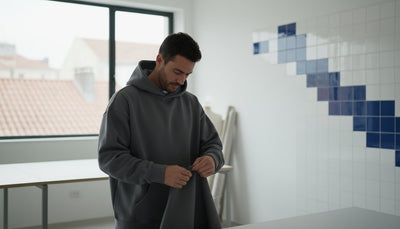
Generational expertise defines the factories in the North. Approximately 70% of these facilities are family-owned businesses where knitting and weaving techniques have been refined over decades. While automation is present, hand-finished details still matter. These manual touches ensure that seams are perfectly aligned and garment architecture is sound. It's this integration of traditional skills with modern 3D design software that allows Portuguese manufacturers to produce complex, high-end apparel that lasts for years rather than seasons—a standard of excellence that also applies to premium leatherwork where you can find out more about The Heritage Boot.
Real portuguese textile industry quality is measured in years, not washes. Garments from this region consistently achieve Grade 4 or 5 on color fastness tests; they won't fade after a few cycles. Superior seam strength prevents the unraveling issues common in fast fashion. Investing in "Luxury Blanks" creates a premium brand image that justifies higher retail prices. Customers are 40% more likely to return to your store if their first purchase feels substantial and durable. The "Made in Portugal" mark acts as a silent salesman, instantly signaling prestige to your audience, much like the standards upheld by luxury houses such as Lalage Beaumont.
This guide explores the technical, ethical, and artisanal factors that make Portugal the premier choice for luxury apparel. You'll discover the specific innovations that define these factories and receive a practical checklist for evaluating production standards. We'll also show you how to secure a reliable manufacturing partner that supports low MOQs. By the end, you'll have a clear roadmap to turn your design vision into a high-quality reality that builds a lasting legacy.
Key Takeaways
- Discover how the fusion of artisanal heritage and strict EU regulations establishes the global gold standard for premium apparel manufacturing.
- Learn why the portuguese textile industry quality is driven by superior OEKO-TEX® certified fibers and world-leading technical innovations in moisture-wicking fabrics.
- Understand why manufacturing in Portugal provides better long-term value than low-cost hubs by reducing lead times and eliminating the hidden costs of poor durability.
- Master the essential steps to verify fabric quality and eliminate production errors through professional swatch analysis and comprehensive Tech Pack development.
- Explore how to scale your vision with premium "Made in Portugal" luxury blanks using flexible, low-MOQ solutions designed specifically for ambitious startups.
What Defines Portuguese Textile Industry Quality in 2026?
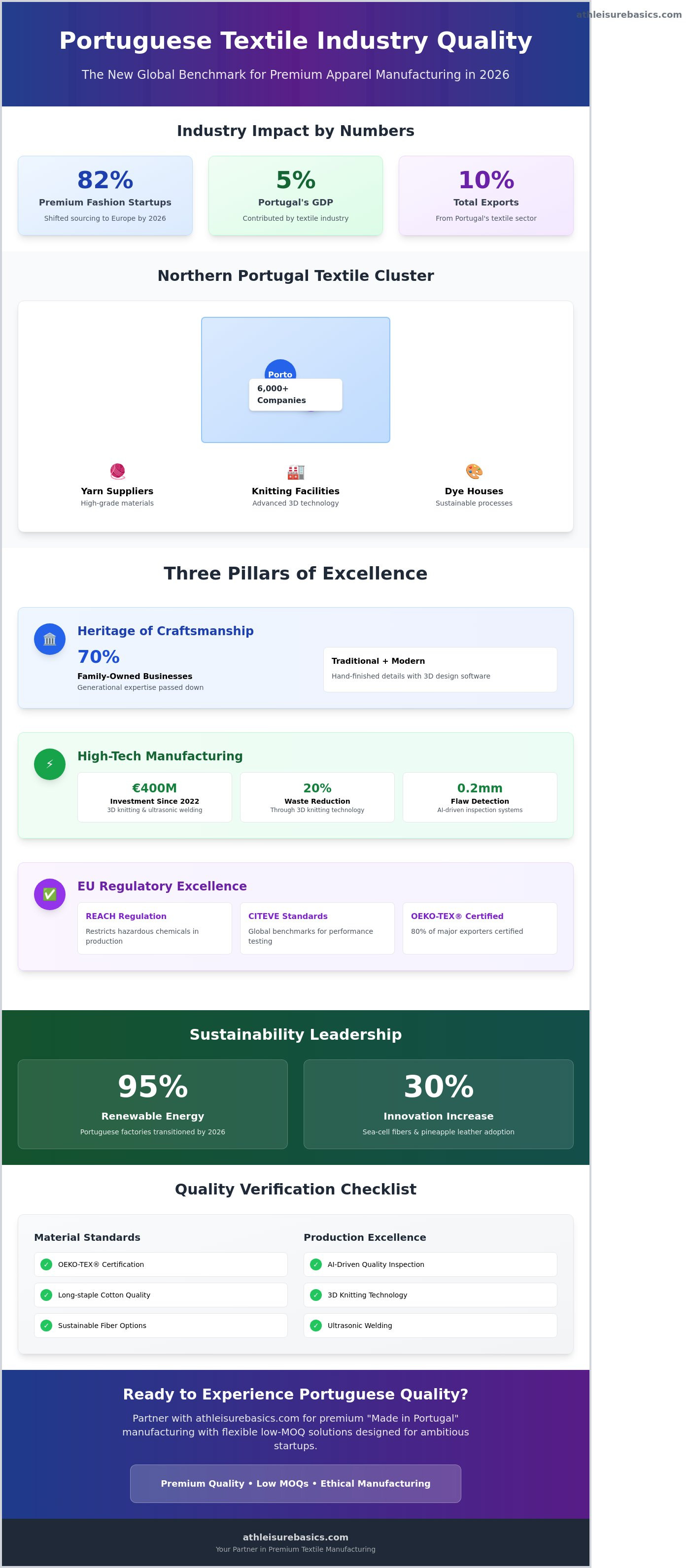
Portuguese textile industry quality isn't just a marketing claim. It's a measurable standard built on a blend of artisanal heritage and EU-regulated precision. By 2026, the textile and clothing sector contributes approximately 5% to Portugal's national GDP and accounts for 10% of the country's total exports. This economic weight reflects a global shift toward "Made in Portugal" as a primary proxy for luxury and ethical manufacturing.
The industry is concentrated in the Northern Portugal textile cluster, specifically around the cities of Porto and Guimarães. This region houses over 6,000 companies within a tight geographical radius. This proximity allows for a unique ecosystem where yarn suppliers, knitters, and dye houses collaborate daily. Brands looking for premium production find that this cluster provides a level of agility and transparency that's nearly impossible to replicate in larger, fragmented markets.
The Heritage of Craftsmanship
Generational expertise defines the factories in the North. Approximately 70% of these facilities are family-owned businesses where knitting and weaving techniques have been refined over decades. While automation is present, hand-finished details still matter. These manual touches ensure that seams are perfectly aligned and garment architecture is sound. It's this integration of traditional skills with modern 3D design software that allows Portuguese manufacturers to produce complex, high-end apparel that lasts for years rather than seasons.
EU Regulatory Excellence
Strict adherence to European labor laws and environmental protections sets a high floor for portuguese textile industry quality. Every factory operates under the REACH regulation, which restricts the use of hazardous chemicals in production. This prevents the "quality fade" common in unregulated markets where fabric integrity often drops after the first few washes.
- CITEVE: Portugal's Technological Centre for Textiles sets the global benchmarks for performance and safety testing.
- OEKO-TEX® Standards: Over 80% of major Portuguese exporters hold these certifications, guaranteeing skin-friendly fabrics.
- Labor Ethics: EU standards ensure fair wages and safe working conditions, which directly translates to lower turnover and higher attention to detail on the factory floor.
Choosing Portugal means you're partnering with a system that values integrity. You don't have to worry about the hidden costs of poor compliance or inconsistent material sourcing. Instead, you get a product that's built to the highest industry standards from the very first stitch.
The Three Pillars of Portuguese Textile Excellence
Portuguese textile industry quality isn't accidental. It's the result of a concentrated ecosystem where raw materials, advanced technology, and ethical standards converge. By 2026, 95% of Portuguese factories have transitioned to utilizing renewable energy sources, solidifying the region's position as the most sustainable manufacturing hub in Europe. This commitment to excellence provides a secure foundation for brands that prioritize longevity over fast fashion.
Premium Material Sourcing
Brands choose Portugal because the fabrics feel different. Portuguese long-staple cotton and high-grade recycled synthetics offer a premium hand-feel that lower-cost alternatives simply can't replicate. Utilizing OEKO-TEX® certified fabrics ensures your products are free from harmful chemicals, which directly protects your brand reputation and consumer health. Beyond traditional textiles, the 2026 market has seen a 30% increase in the adoption of sea-cell fibres and pineapple leather. These sustainable innovations allow startups to lead the market with high-performance, eco-conscious collections.
High-Tech Manufacturing Capabilities
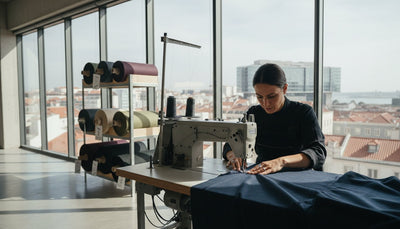
Technical innovation drives the competitive edge in Portuguese factories. Regional hubs in Porto and Braga have invested over €400 million in 3D knitting and ultrasonic welding technologies since 2022. These tools are essential for modern athleisure. 3D knitting reduces fabric waste by approximately 20% by creating garments in a single piece, while ultrasonic welding creates seamless, durable bonds that prevent chafing. To maintain the highest industry standards, AI-driven fabric inspection systems now identify flaws as small as 0.2mm. This level of precision ensures that every garment meeting your warehouse is flawless.
Ethical transparency serves as the final pillar of this excellence. Portuguese manufacturers provide full traceability from the initial yarn stage to the finished garment. This proximity sourcing model creates a feedback loop between design and production that's 40% faster than traditional sourcing from Asia. It's a pragmatic solution for founders who need to iterate quickly. If you're ready to elevate your brand standards, you can explore our custom clothing options to see how this craftsmanship supports your vision.
Quality vs. Cost: Why Portugal Outperforms Low-Volume Hubs
Choosing a manufacturer based solely on the lowest unit price is a common trap for new founders. While a factory in Southeast Asia might offer a t-shirt for $4, the final landed cost often doubles after factoring in import duties, freight, and quality control failures. The "cheap is expensive" fallacy becomes reality when a 15% return rate due to poor stitching wipes out your entire profit margin. In contrast, portuguese textile industry quality focuses on a "right first time" philosophy that saves brands thousands in the long run.
Lead times represent another massive hidden cost. For a brand based in London or New York, sourcing from Portugal reduces wait times by up to 60%. You can receive a restock in 4 to 6 weeks rather than waiting 4 months for a container to cross the ocean. This agility allows you to respond to trends without overstocking. Additionally, manufacturing within the EU secures your designs. Strict intellectual property laws mean your unique patterns won't appear on discount marketplaces weeks after your launch.
- Reduced Carbon Footprint: Modern consumers view sustainability as a quality metric. Shipping from Portugal to Europe or the US East Coast produces 70% less CO2 than trans-Pacific routes.
- IP Protection: EU courts provide a level of legal recourse for design theft that is virtually non-existent in many low-cost hubs.
- Regulatory Compliance: Every garment meets REACH standards, ensuring no toxic chemicals touch your customers' skin.
The Hidden Costs of Offshore Production
High minimums kill startup cash flow. If you're forced to buy 500 units per style in Asia when you only need 100, your capital stays trapped in a warehouse. Clothing manufacturing MOQs directly influence quality control because smaller batches allow for more frequent, rigorous inspections of every single garment. Communication barriers also add to the bill. Misinterpreting a tech pack due to a 12-hour time difference can lead to an entire production run being scrapped before you even see a sample.
Durability as a Brand Legacy
Real portuguese textile industry quality is measured in years, not washes. Garments from this region consistently achieve Grade 4 or 5 on color fastness tests; they won't fade after a few cycles. Superior seam strength prevents the unraveling issues common in fast fashion. Investing in "Luxury Blanks" creates a premium brand image that justifies higher retail prices. Customers are 40% more likely to return to your store if their first purchase feels substantial and durable. The "Made in Portugal" mark acts as a silent salesman, instantly signaling prestige to your audience.
How Startups Can Verify Textile Quality Before Production
Ensuring the portuguese textile industry quality meets your brand standards starts long before the first roll of fabric is cut. You need a systematic approach to eliminate risk and protect your investment. Follow these five essential steps to verify quality before moving into mass production.
- Step 1: Fabric Swatch Analysis. Don't rely on digital photos. Request 15x15cm swatches to verify the GSM (grams per square meter) and hand-feel. A physical swatch allows you to feel the drape and test the opacity under natural light.
- Step 2: Tech Pack Development. This is your blueprint. Without it, you're guessing. It eliminates ambiguity between your vision and the factory's output.
- Step 3: Prototype Creation. Order a full sample to test fit and finish. This is where you see how the fabric behaves when stitched.
- Step 4: Certification Verification. Approximately 88% of major Portuguese textile exporters hold OEKO-TEX® or GOTS certifications. Ask for the certificate numbers to verify they're current.
- Step 5: Communication Audit. Evaluate how the factory handles technical questions. A partner that offers consulting on seam strength or fabric choice is a hallmark of portuguese textile industry quality and reliability.
The Role of the Tech Pack
A tech pack for clothing is your best insurance policy. It translates your creative idea into a technical reality. You must include Points of Measure (POMs), specific stitching types like flatlock or overlock, and detailed trim specs. Portuguese factories use these documents to achieve 99.9% accuracy in initial samples, which prevents costly mistakes during the bulk run.
Evaluating the Sample Process
Your "Golden Sample" is the final benchmark. Once it arrives, put it through a 40-degree wash test to check for shrinkage or color bleeding. Test the stretch recovery by pulling the fabric to its limit; it should return to its original shape immediately. Provide feedback using a clear "Comment vs. Correction" log. This helps your manufacturing partner refine the fit before you sign off on the production line.
Partnering with Athleisurebasics: Premium Quality at Low MOQs
Athleisurebasics makes the legendary portuguese textile industry quality accessible to more than just global conglomerates. We've built a system that allows startups to enter the luxury market without the traditional 5,000-unit barrier. Our white label service offers premium, pre-designed blanks with a minimum order quantity of just 70 pieces per style. If you have a unique vision, our custom manufacturing team handles everything from technical material sourcing to final CMT production.
We bridge the gap between high-end European craftsmanship and modern business needs. You don't have to choose between quality and cash flow. Our end-to-end support includes:
- Sourcing OEKO-TEX® certified performance fabrics from local Portuguese mills.
- Custom pattern making and technical pack development.
- Precision Cut, Make, and Trim (CMT) services using advanced machinery.
- Rigorous textile stress testing to ensure 2026 durability standards.
Tailored for Emerging Brands
High minimums often kill great ideas before they reach the market. We focus on low MOQs because we want to help you scale without the financial risk of excess inventory. Every garment we produce uses premium athleisure fabrics that feel like luxury and perform like professional gear. In 2024, we helped a London-based startup launch their first collection with only 250 total pieces across three styles. They sold out in six weeks and scaled to 1,500 pieces for their second drop without any quality disputes.
The Athleisurebasics Quality Promise
Quality isn't a final check; it's a constant state. We implement rigorous in-house quality control at every stage of the garment production process. From initial fabric inspection to final seam checks, nothing leaves our facility without meeting our internal 12-point quality checklist. Founders get direct access to our production consulting services to refine their designs and technical packs. This level of transparency is why portuguese textile industry quality remains the gold standard for founders who value their brand's legacy.
Launch your premium brand with Athleisurebasics today and experience the difference of ethical, high-performance manufacturing.
Scale Your Brand with the World Standard in 2026
Building a clothing brand in 2026 requires more than just a logo; it demands a commitment to ethical standards and superior craftsmanship. The portuguese textile industry quality remains the global benchmark because it combines centuries of heritage skills with advanced, sustainable technology. By choosing Portugal, you aren't just buying fabric. You're investing in OEKO-TEX® certified materials that meet the highest EU environmental regulations and social compliance standards.
Startups often struggle with high barriers to entry, but the manufacturing landscape has changed significantly. You can now access premium European manufacturing with low MOQs starting at just 70 pieces per style. This flexibility allows you to test the market without the financial risk of excessive dead stock. Our team provides expert production consulting to guide you from your very first sketch to a professionally finished collection. We're here to help you turn your creative vision into a profitable, long-lasting brand legacy.
Get a Quote for Your Custom Portuguese Production
Your brand deserves a foundation built on absolute excellence, and we're ready to build that future with you.
Frequently Asked Questions
Why is the Portuguese textile industry considered high quality?
The Portuguese textile industry quality stems from a century of craftsmanship combined with a 1.2 billion euro investment in sustainable technology since 2021. Factories here follow strict EU labor laws and environmental regulations, ensuring every garment meets premium standards. You get superior durability and high precision stitching that fast fashion manufacturers can't replicate. This dedication to excellence makes Portugal the top choice for luxury and premium brands in 2026.
Is it more expensive to manufacture clothing in Portugal than in China?
Manufacturing in Portugal typically costs 20% to 30% more per unit than in China, but it offers better long term value. You'll save significantly on shipping costs and import duties if you're selling in the European or North American markets. Faster lead times mean you don't tie up your capital in massive inventory for months. Higher quality also reduces your return rates by up to 15%, protecting your brand's reputation.
What certifications should I look for in a Portuguese clothing factory?
Look for OEKO-TEX Standard 100 and GOTS (Global Organic Textile Standard) certifications to ensure ethical and safe production. These labels guarantee that fabrics are free from harmful chemicals and meet 100% of EU environmental regulations. You should also verify ISO 9001 for quality management systems. Most top tier Portuguese factories hold these credentials to prove their commitment to premium, sustainable manufacturing practices and transparent supply chains.
Can I manufacture small quantities (Low MOQ) in Portugal?
You can absolutely manufacture small quantities in Portugal, as many specialized factories now offer Low MOQs starting at just 50 to 100 pieces per style. This flexibility is a core part of the Portuguese textile industry quality, allowing startups to launch collections without heavy financial risk. It's a strategic advantage for brands that want to scale sustainably. We help you enter the market quickly while maintaining the high standards your customers expect.
What are the main textile hubs in Portugal?
The main textile hubs are located in Northern Portugal, specifically in the Vale do Ave region encompassing Guimarães, Vila Nova de Famalicão, and Santo Tirso. This cluster accounts for over 80% of the country's textile exports. These cities house a dense network of specialized suppliers, from yarn spinning to advanced finishing. Being in this geographic center allows for rapid prototyping and highly efficient supply chain management for your brand.
How long does it take to produce a clothing collection in Portugal?
A typical production cycle in Portugal takes between 8 and 12 weeks from final design approval to shipping. Sampling usually requires 3 to 4 weeks, while bulk production fits into an 8 week window. This is roughly twice as fast as sourcing from Asia. These shorter timelines allow your brand to react to market trends and restock bestsellers within a single season, reducing the risk of dead stock.
What types of clothing is Portugal best known for manufacturing?
Portugal is globally recognized for high end jersey wear, premium knitwear, and technical athleisure. The region produces roughly 90% of Europe's luxury cotton t-shirts and hoodies. Factories here specialize in complex techniques like flatlock stitching and garment dyeing. If you're building a brand focused on comfort and durability, Portuguese craftsmanship provides the technical expertise needed for superior performance apparel that lasts for years.
How do I find a reliable clothing manufacturer in Portugal?
Find reliable partners by visiting the Modtissimo trade show in Porto or using digital directories like the ATP (Portuguese Textile Association). You can also partner with an established production agency that has a vetted network of local factories. We simplify this process by acting as your trusted partner on the ground. We manage the entire production journey to ensure your vision turns into a high quality reality without the typical stress.

Leave a comment
This site is protected by hCaptcha and the hCaptcha Privacy Policy and Terms of Service apply.