
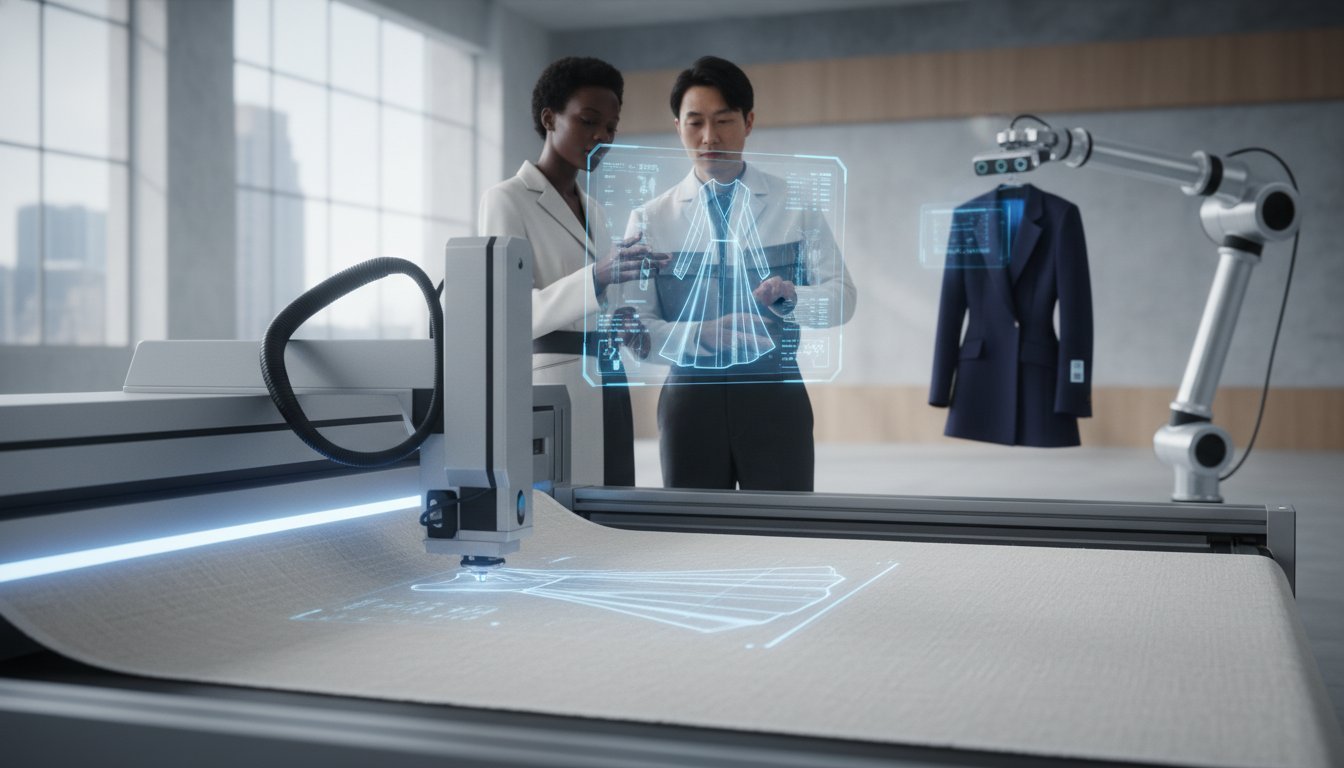
The Clothing Manufacturing Process: A Comprehensive 2026 Guide for Brands
The most successful fashion brands in 2026 aren't the ones with the biggest marketing budgets; they're the ones with the most agile and transparent supply chains. While many entrepreneurs start with a creative sketch and a vision, the ultimate success of your collection depends entirely on how you master the clothing manufacturing process. It's common to feel a sense of hesitation when faced with technical terminology like CMT and tech packs, or the fear that high minimum order quantities will stall your growth before you even begin. You want to ensure your production is ethical and high-quality, but the path from concept to finished garment often feels like a maze of logistical hurdles and shifting regulatory requirements.
We understand these challenges and are here to help you move forward with confidence. This comprehensive guide provides a clear roadmap of the modern apparel production cycle, ensuring you can maintain premium standards while scaling your business. You'll learn the crucial differences between custom and white-label production, how to navigate new 2026 sustainability mandates like Digital Product Passports, and how to choose the right manufacturing partners to bring your vision to life. We'll show you how to turn your design concepts into a lasting commercial reality through a structured, professional approach to garment production.
Key Takeaways
- Learn how the modern clothing manufacturing process has shifted toward agile, small-batch production to help emerging brands scale efficiently in 2026.
- Master the pre-production phase to ensure high-end quality control and learn the best practices for sourcing certified, sustainable materials.
- Gain a clear understanding of core production stages, from scaling designs through pattern grading to maximizing efficiency during fabric cutting.
- Determine whether white label or custom manufacturing is the right strategic fit for your brand's growth and market entry goals.
- Explore the competitive advantages of "Made in Portugal" production, including ethical labor practices and compliance with the latest EU environmental regulations.
What is Clothing Manufacturing? Defining the Modern Production Cycle
Clothing manufacturing is the comprehensive, end-to-end transformation of raw textiles into finished, retail-ready apparel. It's a complex industrial journey that encompasses sourcing, technical design, assembly, and quality assurance. The clothing industry has evolved from a simple mechanical sequence into a sophisticated value chain where the factory serves as your brand's silent partner. Your choice of partner determines whether your vision remains a sketch or becomes a high-end product that commands a premium price. Relying on a manufacturer isn't just a transaction; it's a strategic alliance that defines your brand's reputation for quality and its ability to scale in a competitive marketplace.
In the current market, brands must choose between a simple assembly line and a "Full Package" manufacturer. While a basic assembly line only handles the sewing, a Full Package partner manages everything from materials sourcing support to tech pack development. This collaborative approach ensures that every stage of the clothing manufacturing process aligns with your brand's standards and ethical commitments. By integrating these services, you remove the logistical friction that often stalls emerging businesses during their first production run, allowing you to focus on growth rather than troubleshooting factory errors.
The Evolution Toward Agile Manufacturing
Consumer demand for craftsmanship and material integrity has reshaped the production landscape. Traditional mass production is giving way to agile, small-batch manufacturing, allowing emerging businesses to enter the market with lower financial risk. By utilizing low minimum order quantities (MOQs), you can test designs without the burden of unsold stock. This agility is a core pillar of "Slow Fashion," where quality is prioritized over disposable trends. Many premium factories now offer MOQs as low as 50 units, making high-standard production accessible to startups.
Why the Process Matters More Than the Price
Selecting a manufacturer based solely on the lowest per-unit cost often leads to production nightmares like inconsistent sizing or poor seam strength. A robust, transparent clothing manufacturing process is the only way to prevent these issues and build consumer trust. Shoppers in 2026 demand to know where their clothes are made and under what conditions. Transparency is now a requirement for market entry and long-term brand development. Modern manufacturing is a precise balance of traditional craft and advanced digital technology.
Pre-Production: Building the Technical Blueprint for Your Brand
Pre-production is the foundation of high-end craftsmanship. While the creative vision starts with a sketch, the actual success of your garment depends on the precision of your technical planning. This phase is the most critical stage for quality control within the entire clothing manufacturing process. It's during this time that designers and pattern makers collaborate to transform a concept into a functional, wearable piece. If you skip these steps or rush through them, you risk production inconsistencies that can damage your brand's reputation before you even launch.
Tech Pack Development: The DNA of Your Garment
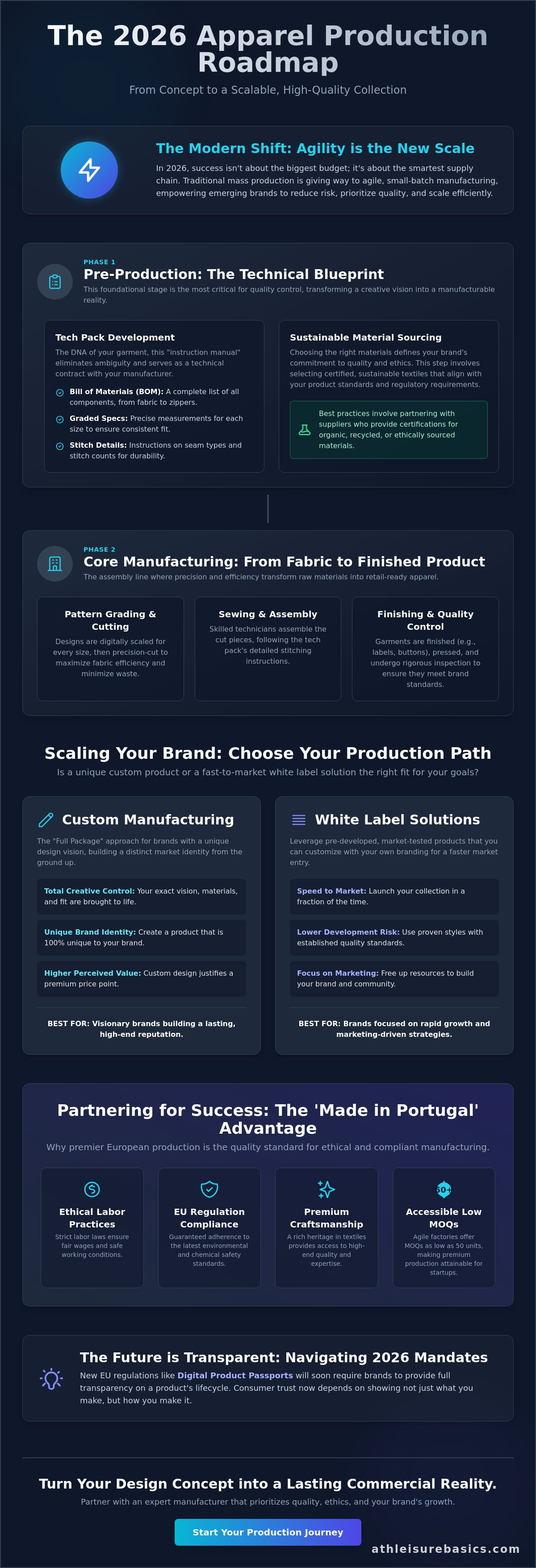
Think of a tech pack as your manufacturer's instruction manual. Without it, your factory is essentially guessing your intentions. A professional tech pack must include a detailed Bill of Materials (BOM), graded specifications for every size, and specific stitch details. These technical blueprints eliminate ambiguity during the sewing phase, ensuring that the finished product matches your original prototype. A well-constructed tech pack serves as a technical contract between you and the factory, defining exactly what the final product must be.
- BOM: A comprehensive list of every component, from main fabrics to specialized threads, zippers, and labels.
- Graded Specs: Precise measurements for each size in your range, ensuring your fit remains consistent from XS to XL.
- Stitch Details: Clear instructions on seam types and stitch counts per inch to ensure the garment can withstand high-performance use.
Material Sourcing and Sustainability
Finding the right textiles is especially challenging for high-performance athleisure. You need fabrics that offer four-way stretch, moisture-wicking properties, and long-term durability. We emphasize the importance of OEKO-TEX® certified materials to ensure your products are free from harmful substances and safe for consumers. European sourcing, particularly from Portugal, provides a significant advantage for ethical compliance and transparency. This regional focus allows you to meet strict EU environmental standards while maintaining a premium feel that customers expect from luxury brands. For a deeper look into fabric types and weights, consult our complete textile guide.
Partnering with experts who understand these technical nuances makes the transition from idea to inventory seamless. Every choice made during this stage impacts the final cost and quality of your collection. If you're ready to start your journey with a reliable partner, visiting athleisurebasics.com can help you find the professional support needed to refine your clothing manufacturing process and scale your operations with confidence.
The Core Manufacturing Stages: From Fabric to Finished Product
Once your technical blueprint is finalized, the physical clothing manufacturing process moves to the factory floor. This is where your vision is translated into a tangible product through five core stages of production. Each step requires a balance of high-speed efficiency and meticulous manual oversight to ensure the final garment meets luxury standards.
- Step 1: Pattern Grading. After the initial prototype is approved, the design is scaled across your entire size range, typically from XS to XL. This technical step ensures that the proportions and fit remain consistent, regardless of the size.
- Step 2: Fabric Spreading and Cutting. Precision is vital here to maximize textile efficiency. Fabric is layered evenly and cut using advanced tools to reduce waste, which is a critical factor in both cost management and environmental sustainability.
- Step 3: Sewing and Assembly. This is the heart of the production cycle, where individual components are joined together. Skilled operators use specialized machinery to handle technical seams, such as flatlock or overlock stitching, which are essential for durable athleisure.
- Step 4: Quality Control. Production doesn't wait until the end to check for errors. Multi-stage inspections occur throughout the cycle to catch and correct defects before they become permanent.
- Step 5: Finishing and Pressing. The final touches include professional steaming, pressing, and folding. These steps remove construction marks and give the garment the crisp, premium feel that customers expect from high-end brands.
The CMT Process: Cut, Make, and Trim Explained
CMT is the industry standard for professional apparel factories. It stands for Cut, Make, and Trim, representing the three primary phases of assembly. In Portugal, skilled seamstresses specialize in handling the complex, high-stretch fabrics used in modern activewear. The "Trim" phase is particularly important, as it involves the precise application of labels, zippers, and hardware. These small details often define the perceived value of your brand, so we ensure they're handled with the same care as the primary construction.
Rigorous Quality Assurance (QA)
We believe that zero-defect production is only possible through a combination of inline and final inspections. Inline inspections happen while the garments are still on the sewing line, allowing us to identify measurement variances early. Every medium must fit like a medium, so we adhere to strict measurement tolerances. This level of scrutiny prevents costly returns and builds long-term consumer trust. For a deeper look at these technical stages, you can explore our detailed garment production process guide, which breaks down each sub-operation in the cycle.
By maintaining a highly structured workflow, you eliminate the risks associated with disorganized manufacturing. A transparent and disciplined approach to the clothing manufacturing process ensures that your brand can scale without sacrificing the quality that defines your identity.
Scaling Your Brand: Custom Manufacturing vs. White Label Solutions
Deciding how to enter or expand within the market requires a clear understanding of which production model fits your current resources. The clothing manufacturing process offers two distinct paths: white label solutions and full custom manufacturing. Your choice will dictate your initial investment, your speed to market, and the level of design control you maintain over your collection. For brands launching in 2026, aligning this choice with your long-term scaling goals is essential for sustainable growth and operational agility.
White Label: The Shortcut to High-Quality Blanks
White label production, often referred to as private label, allows you to leverage pre-existing, luxury-grade designs. This model is ideal for testing market demand without the lengthy lead times of technical development. By using premium blanks, you bypass the prototyping phase and move directly into branding. You can still maintain a distinct brand feel through custom labels, specialized prints, and unique embroidery. For a deeper look at this strategy, our private label guide explains how to maximize this model for rapid market entry.
- Minimum Order Quantities: White label typically offers lower entry barriers, with MOQs starting at approximately 70 pieces per style.
- Reduced Financial Risk: You don't need to invest in pattern development or extensive sampling rounds for every new release.
- Market Speed: Collections can be retail-ready in a fraction of the time required for full custom builds, allowing you to react to trends quickly.
Custom Manufacturing: Building a Unique Brand Identity
Custom manufacturing is the preferred route for brands that require proprietary silhouettes and specialized fabric blends. This path offers total creative freedom but demands a deeper collaborative partnership with your factory. Moving from white label to custom production is a significant milestone that signifies your brand's readiness to offer something truly unique to the industry. Because this model involves developing patterns from scratch, the clothing manufacturing process becomes more intensive, requiring detailed tech packs and multiple sampling stages to perfect the fit.
- Proprietary Designs: You own the technical specifications and graded fits, ensuring no other brand has the exact same product in their catalog.
- MOQ Requirements: Custom production typically requires a higher commitment to justify the factory's setup time, often starting at 250 pieces per style.
- Creative Freedom: You have the ability to specify every detail, from specialized pocket placements to unique fabric compositions that aren't available as blanks.
If you're ready to determine which model best supports your brand's evolution, explore our professional production services at athleisurebasics.com to find the right partnership for your next collection.
Partnering for Success: Why 'Made in Portugal' is the Quality Standard
Portugal's reputation as a leader in the global textile industry isn't accidental. It's the result of a long-standing heritage combined with a modern, highly skilled workforce. For brands looking to establish a premium presence in 2026, the 'Made in Portugal' label serves as a powerful marketing asset. It signals to your customers that you value high-end craftsmanship and ethical integrity over cheap, mass-produced alternatives. By choosing to produce in this region, you align your brand with some of the highest labor and environmental standards in the world.
The Portugal Advantage for Athleisure
Portugal has specifically positioned itself as the global hub for technical and performance apparel. The local industry has invested heavily in advanced machinery capable of handling the specialized seams and high-stretch fabrics required for luxury activewear. When you source from this region, you're accessing a network of suppliers who understand the nuances of moisture-wicking materials and compression fits. To navigate the local landscape effectively, you can consult our ultimate guide on Clothing Manufacturers Portugal to find the right factory for your specific product category.
How Athleisurebasics Empowers Emerging Brands
We understand that the transition from a design concept to a physical product can be daunting for new entrepreneurs. Athleisurebasics acts as your dedicated ally, bridging the gap between small-scale ventures and premium Portuguese production. Our commitment to low MOQs ensures that you don't have to overextend your budget to achieve luxury quality. We provide a transparent, end-to-end clothing manufacturing process that includes everything from materials sourcing support to tech pack development.
Our goal is to remove the barriers to entry that often stop great ideas from reaching the market. By providing expert consulting and professional production management, we help you scale your business with confidence. Whether you're launching your first five-piece capsule or expanding an existing line, our structured approach ensures your garments are retail-ready and built to last. Your journey toward building a lasting commercial presence starts with a reliable partner who values quality as much as you do.
Launch Your 2026 Collection with Confidence
Mastering the clothing manufacturing process is about more than just finding a factory; it's about building a technical and ethical foundation that supports your brand's long-term growth. By prioritizing detailed tech packs and sourcing OEKO-TEX® certified premium fabrics, you ensure your designs are translated into high-end garments that meet the rigorous standards of today's market. Whether you choose the agility of white label production for rapid entry or the unique identity of custom manufacturing, your success depends on maintaining a transparent and reliable partnership throughout the entire production cycle.
We specialize in removing the traditional barriers to entry for startups by offering accessible low MOQs and dedicated production consulting. Every garment we produce is proudly manufactured in Portugal, ensuring the highest standards of craftsmanship and full compliance with EU ethical regulations. This strategic approach allows you to scale your operations without compromising on quality or material integrity. Ready to start your production run? Contact Athleisurebasics today. Your journey from a creative concept to a retail-ready collection is an achievable reality, and we're here to empower your brand every step of the way.
Frequently Asked Questions
What is the typical timeline for the clothing manufacturing process?
The typical timeline for production in regions like Portugal ranges from 4 to 8 weeks, though the pre-production phase can add several weeks to this window. Your total lead time depends on the complexity of your designs and the current availability of raw materials. Utilizing professional tech packs can significantly shorten this duration by reducing the number of sampling rounds required before the factory begins mass production.
What is the difference between CMT and FPP (Full Package Production)?
CMT stands for Cut, Make, and Trim, which means the factory is responsible only for the physical assembly of your garments using materials you provide. Full Package Production is a more comprehensive service where the manufacturer manages the entire clothing manufacturing process, including materials sourcing and tech pack development. FPP is often the ideal choice for emerging brands that need an expert partner to handle technical logistics.
How much does it cost to manufacture a clothing line in 2026?
Total production costs are determined by your choice of materials, the complexity of your designs, and the labor standards of your manufacturing location. Budgeting for a professional collection involves accounting for fabric sourcing, technical development, and sampling phases. Choosing a partner that offers transparent service models helps you manage these variables effectively and ensures your investment aligns with high-end craftsmanship standards.
What is a Minimum Order Quantity (MOQ) and why does it exist?
A Minimum Order Quantity is the lowest number of units a factory will produce for a single style to cover its fixed operational costs. These costs include setting up specialized machinery, creating patterns, and sourcing specific textiles for your order. While many traditional factories require thousands of units, specialized partners now offer accessible MOQs as low as 70 to 250 pieces to support small-scale ventures.
Can I manufacture custom designs with a small budget?
You can manufacture custom designs on a smaller budget by focusing on simple, high-quality silhouettes and partnering with factories that specialize in flexible production volumes. Another effective strategy is to utilize white label luxury blanks and customize them with your own branding and prints. This allows you to enter the market with a premium product while minimizing the initial costs associated with full custom technical development.
How do I ensure my clothing is produced ethically?
Ensuring ethical production requires partnering with factories in regions with strict labor laws and environmental regulations, such as the European Union. You should verify that your manufacturer uses OEKO-TEX® certified materials and provides full transparency regarding their labor practices. A structured clothing manufacturing process that emphasizes regional origin and material integrity is the best way to guarantee your brand meets modern ethical standards.
What documents do I need to provide to a clothing factory?
The most important document is a professional tech pack, which serves as the technical blueprint for your garment and eliminates ambiguity during assembly. You must also provide a Bill of Materials (BOM), graded measurement specifications, and high-resolution artwork files for any labels or prints. Providing these technical documents ensures the factory can replicate your vision accurately and maintain consistent quality across your entire size range.
Do I need to source my own fabric or does the factory do it?
You have the option to source your own fabrics or utilize a manufacturer that offers materials sourcing support as part of their end-to-end service. Many premium factories have established relationships with textile mills, which can simplify the logistics of your production cycle. Leveraging your partner's sourcing network often ensures better material quality and guarantees that your fabrics meet the necessary environmental and performance certifications.

Leave a comment
This site is protected by hCaptcha and the hCaptcha Privacy Policy and Terms of Service apply.